
Research Collection
USA-Made Peptides
Domestically synthesized research peptides with US-based quality control, documentation, and supply chain.
USA-Made Peptides are research compounds studied for tissue repair, cellular signaling, and metabolic pathway modulation, manufactured and supplied through domestic laboratory channels. This category spans growth factor mimetics, copper peptide complexes, coenzyme precursors, and GLP-1 receptor agonist blends, sourced through domestic synthesis for institutions requiring documented US supply chains, intended strictly for laboratory research use.
Reviewed by the VivePeptides Research DeskLast reviewed
Research Catalog
Compounds in this collection
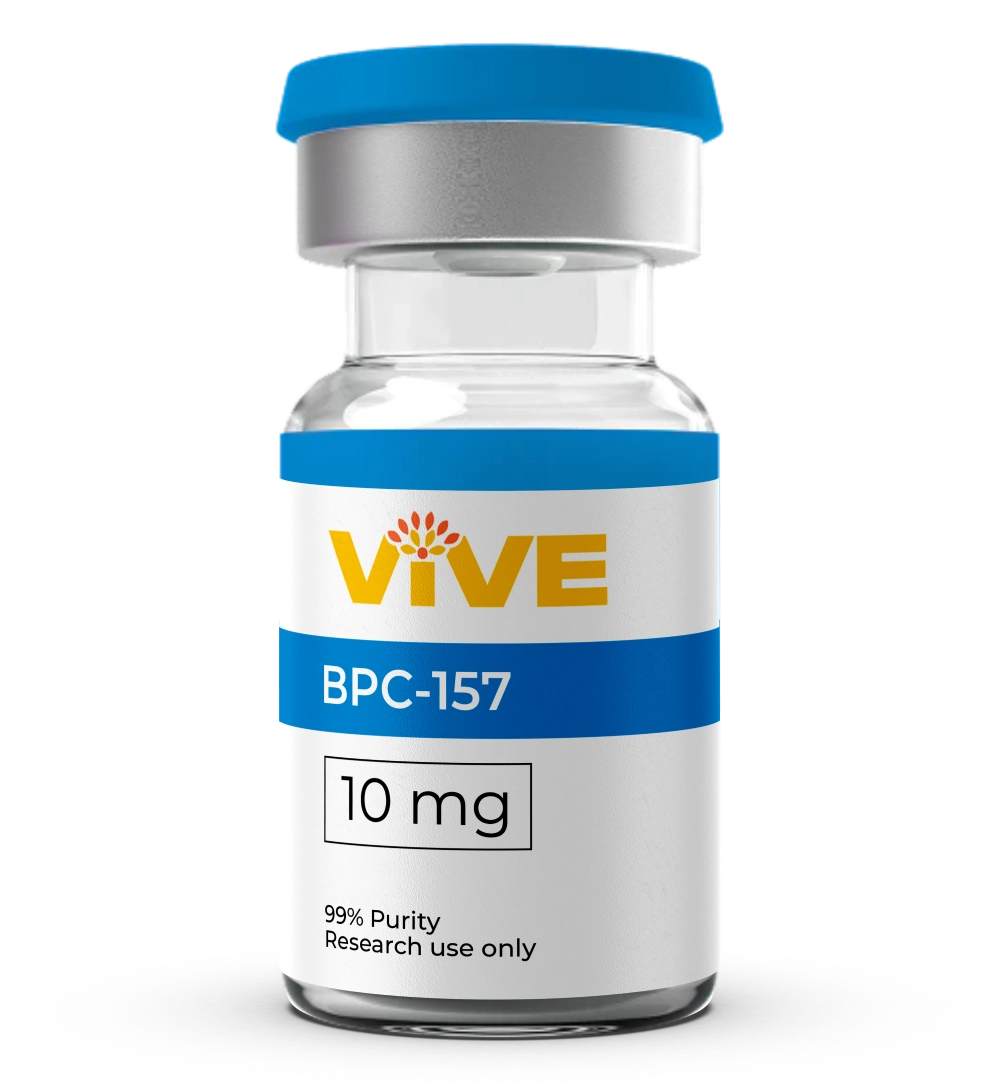
BPC-157
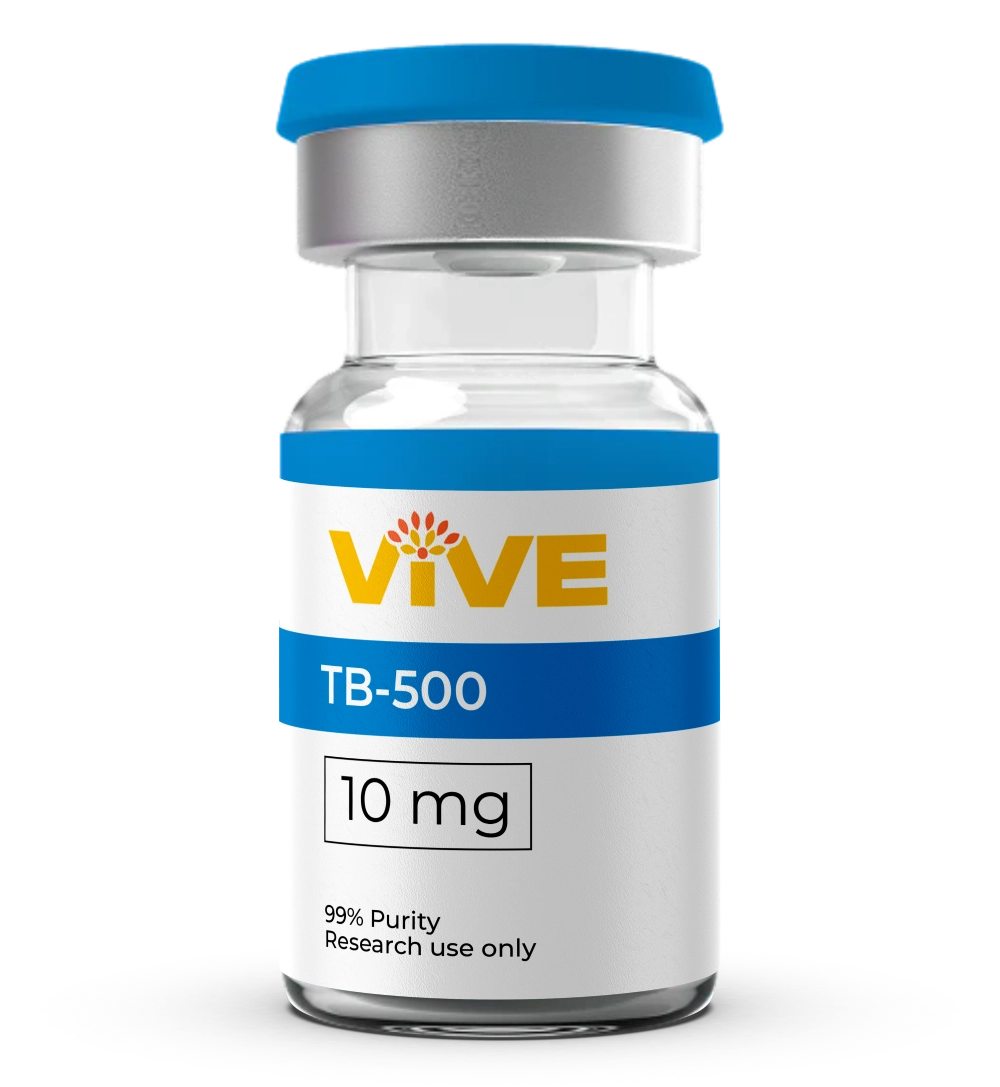
TB-500
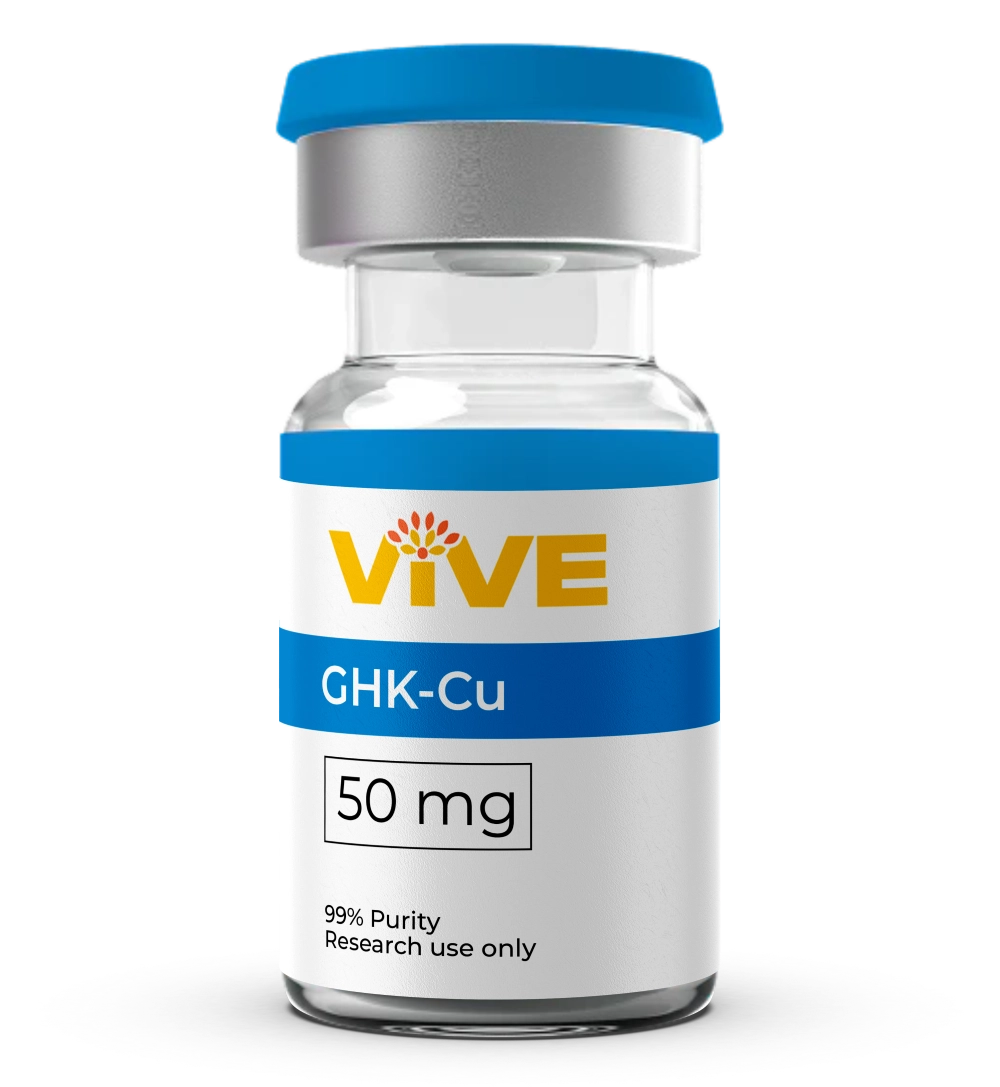
GHK-Cu
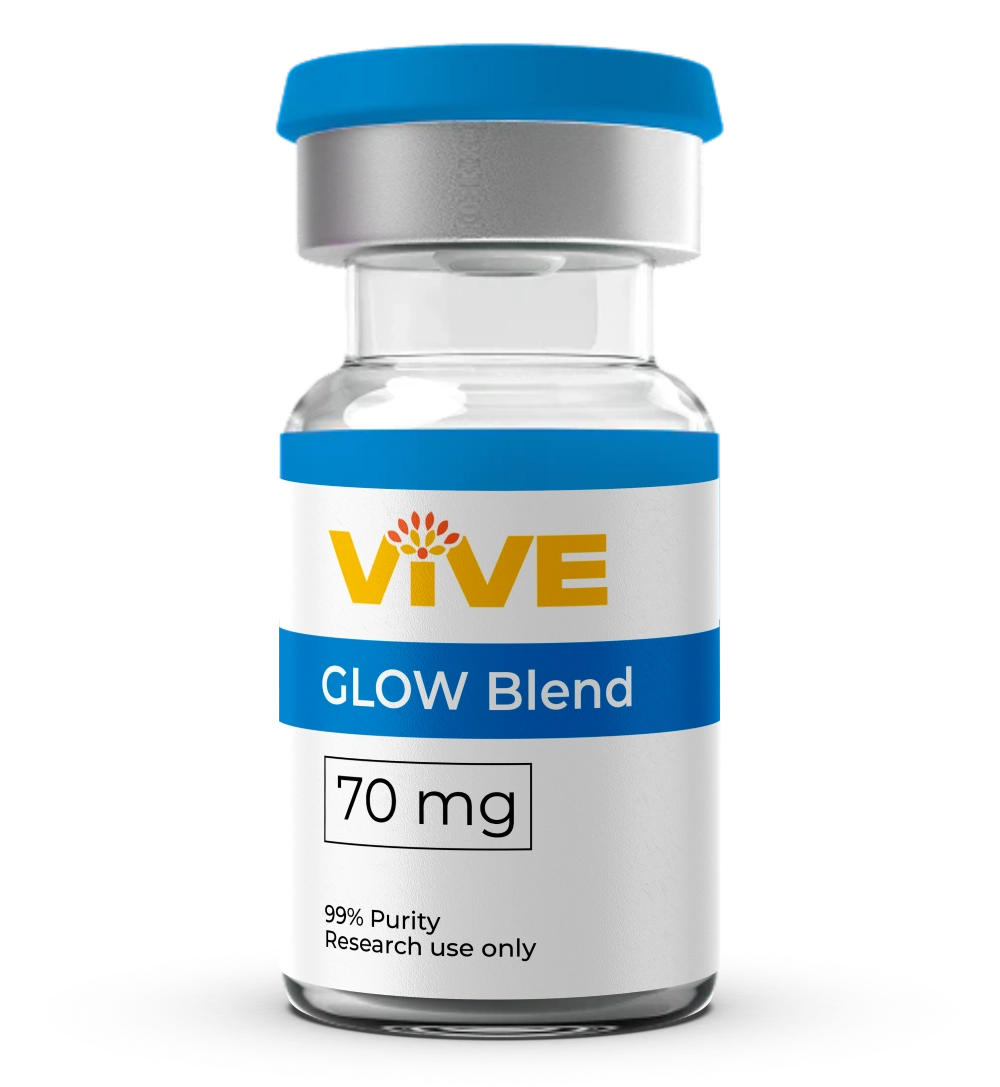
Glow Blend - BPC/TB/GHK
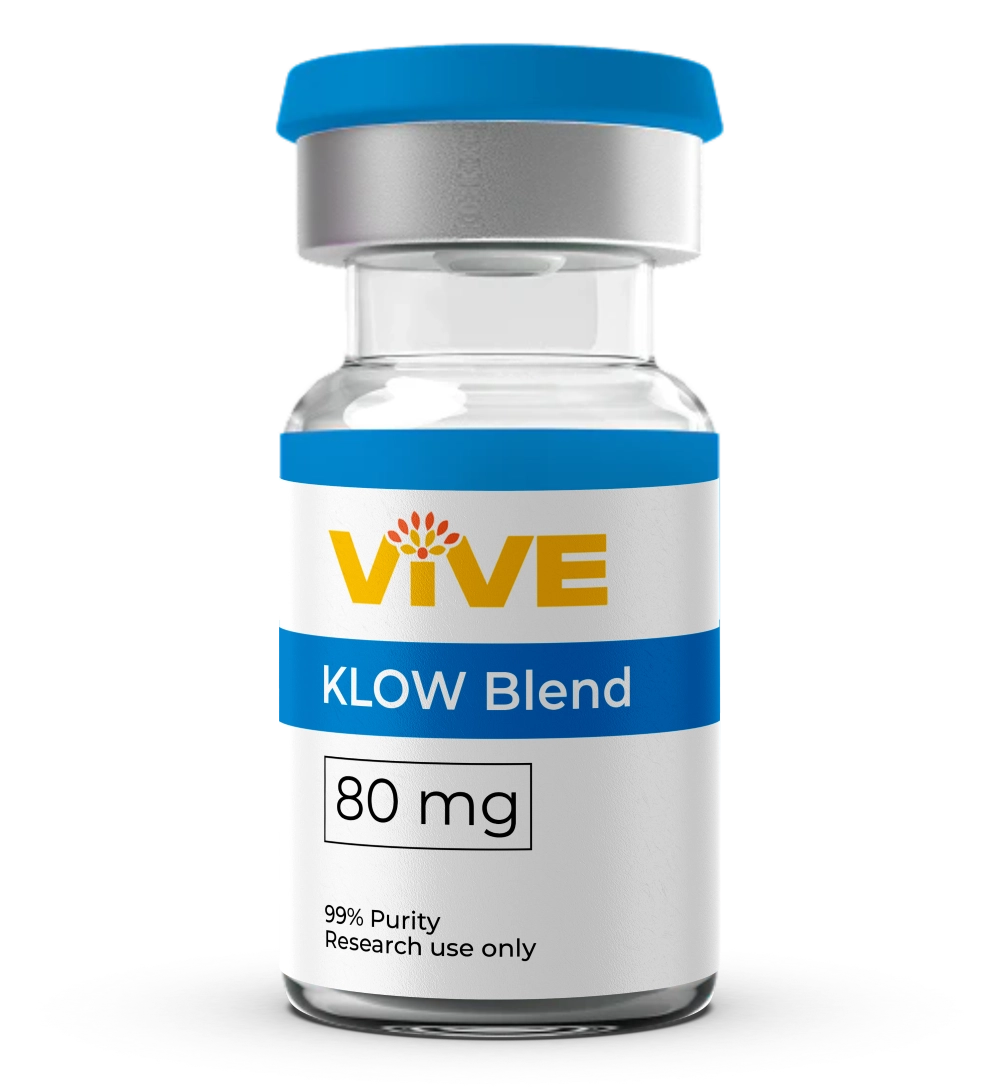
KLOW Blend
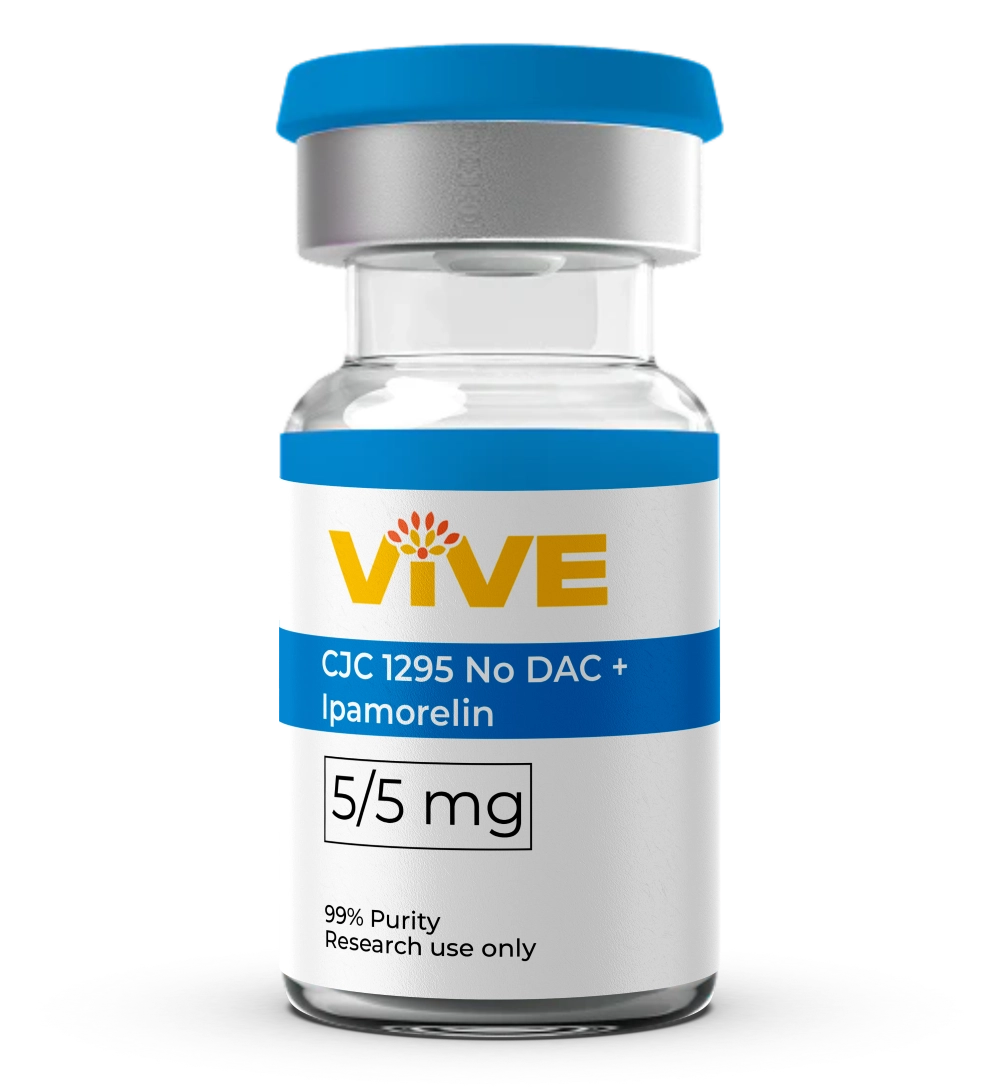
CJC 1295 No DAC + Ipamorelin Blend
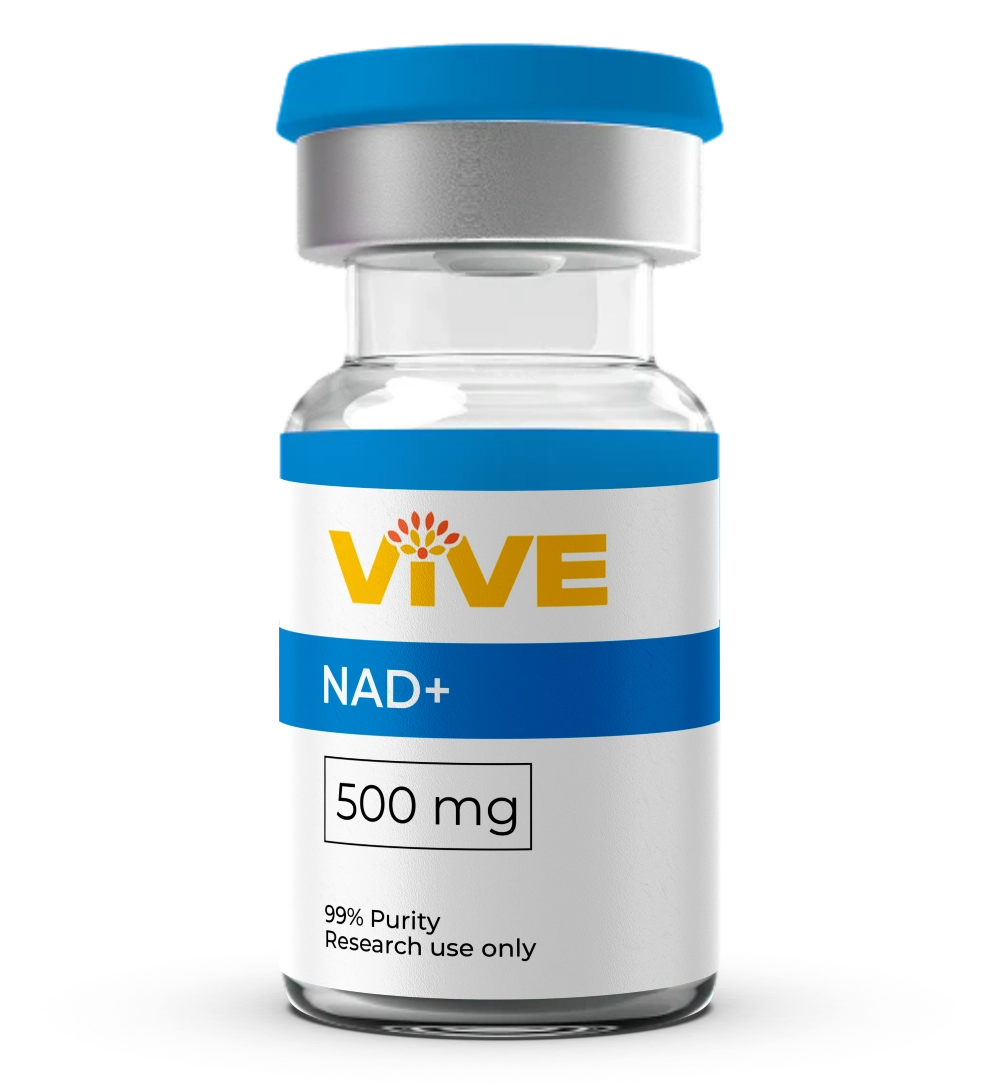
NAD+
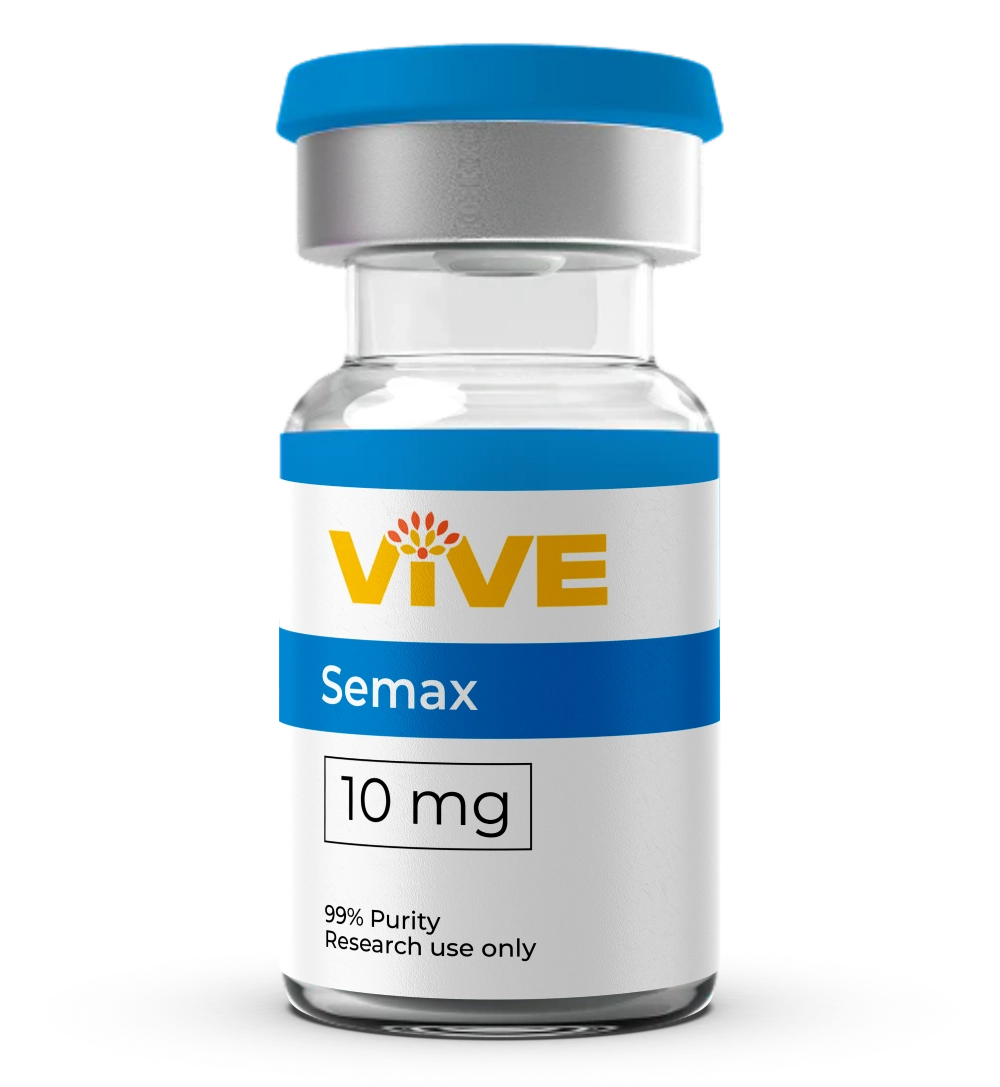
Semax
Epitalon
Vive GLP(R)
AOD-9604
ARA-290
Glutathione
IGF-1LR3
KPV
LL-37
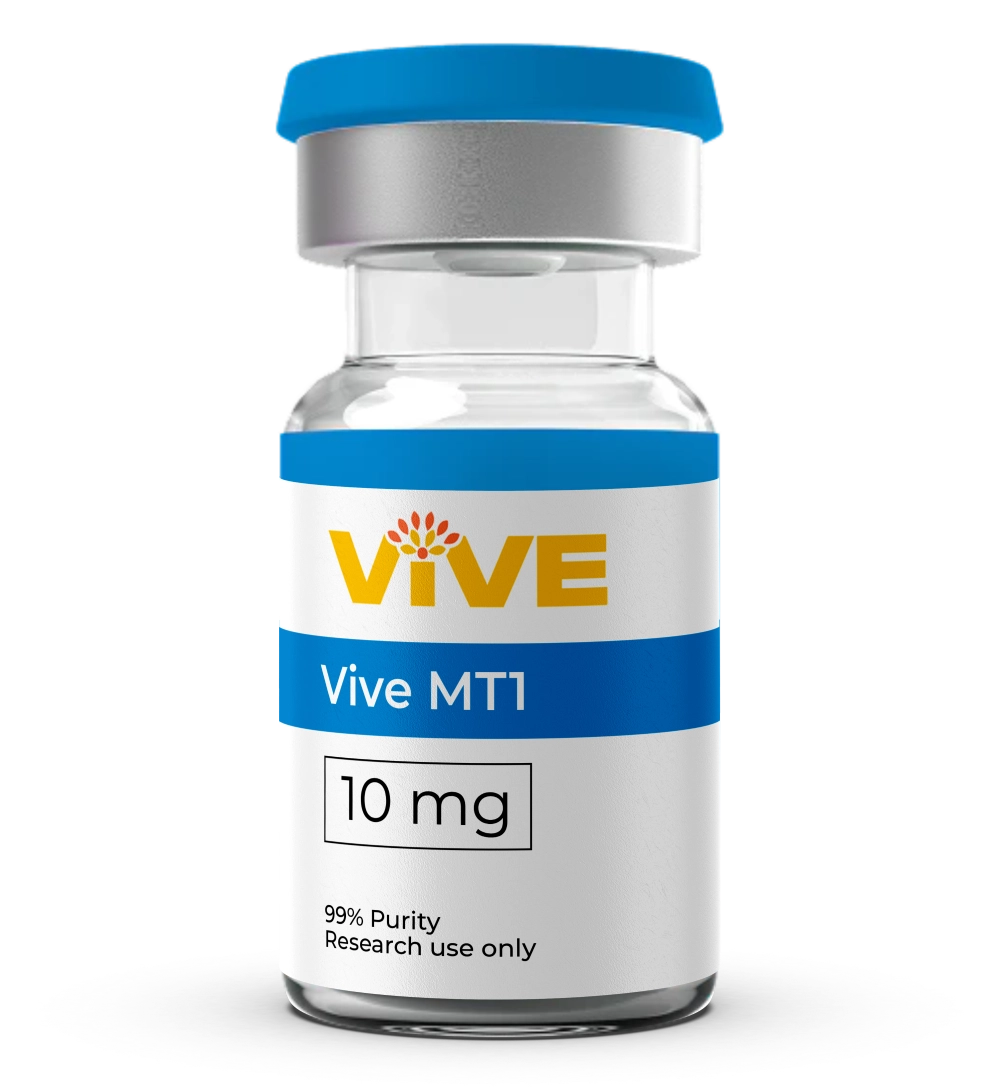
Melanotan 1 (MT1)
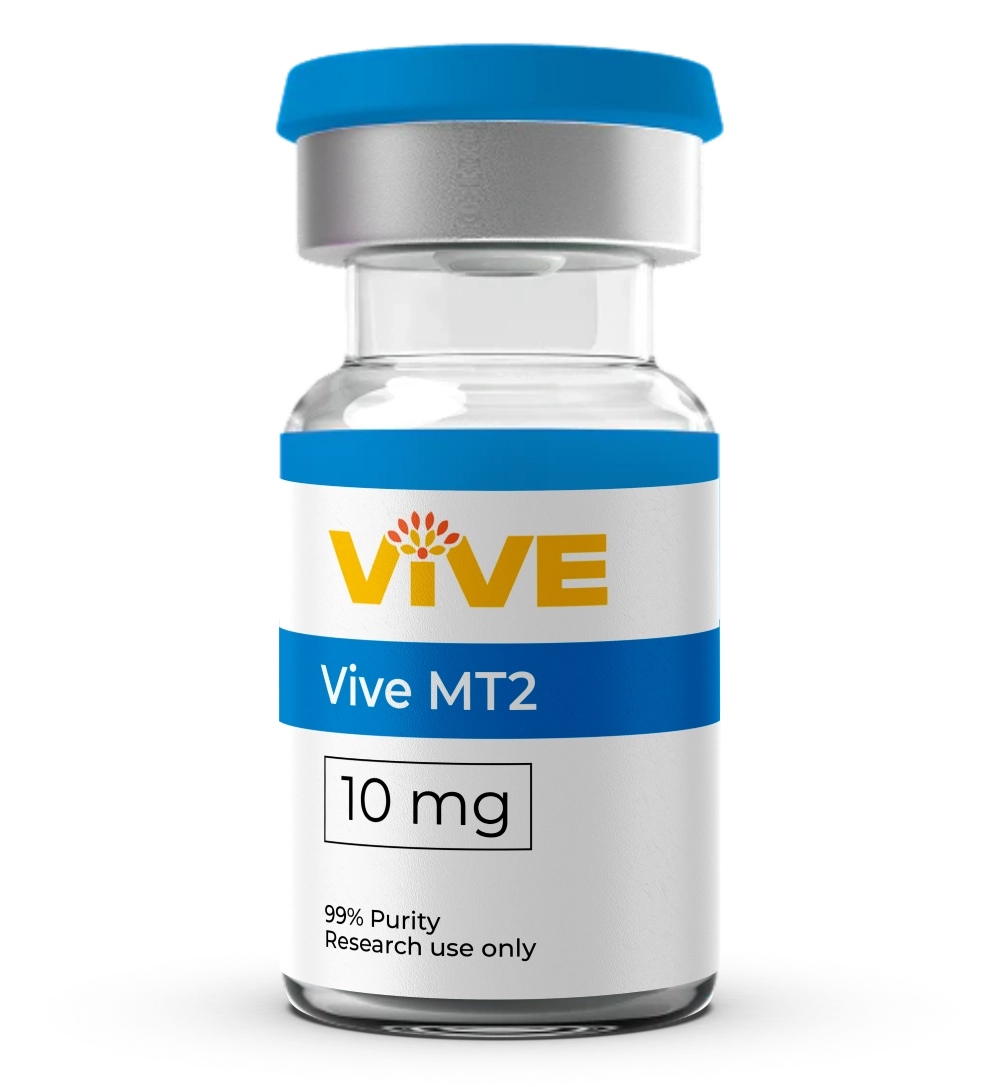
Melanotan 2 (MT2)
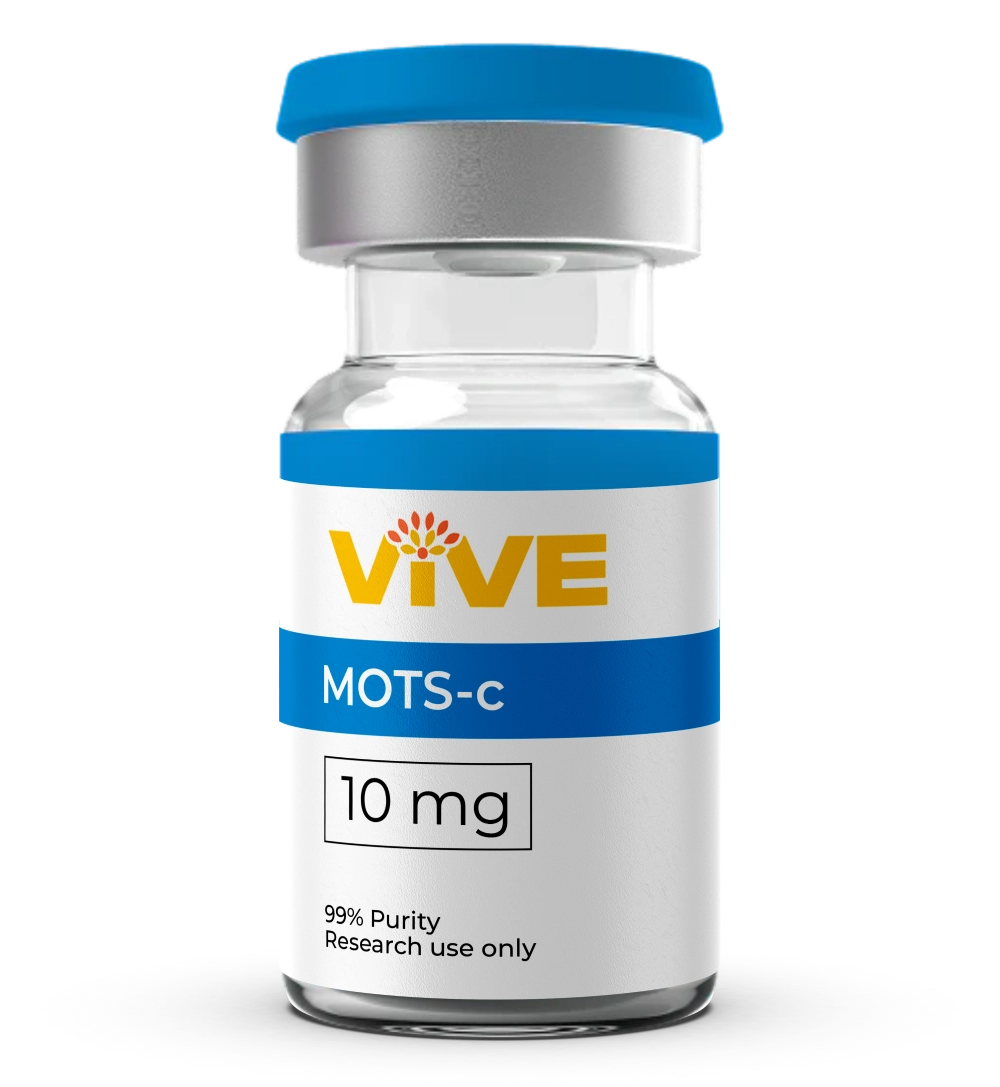
MOTS-c
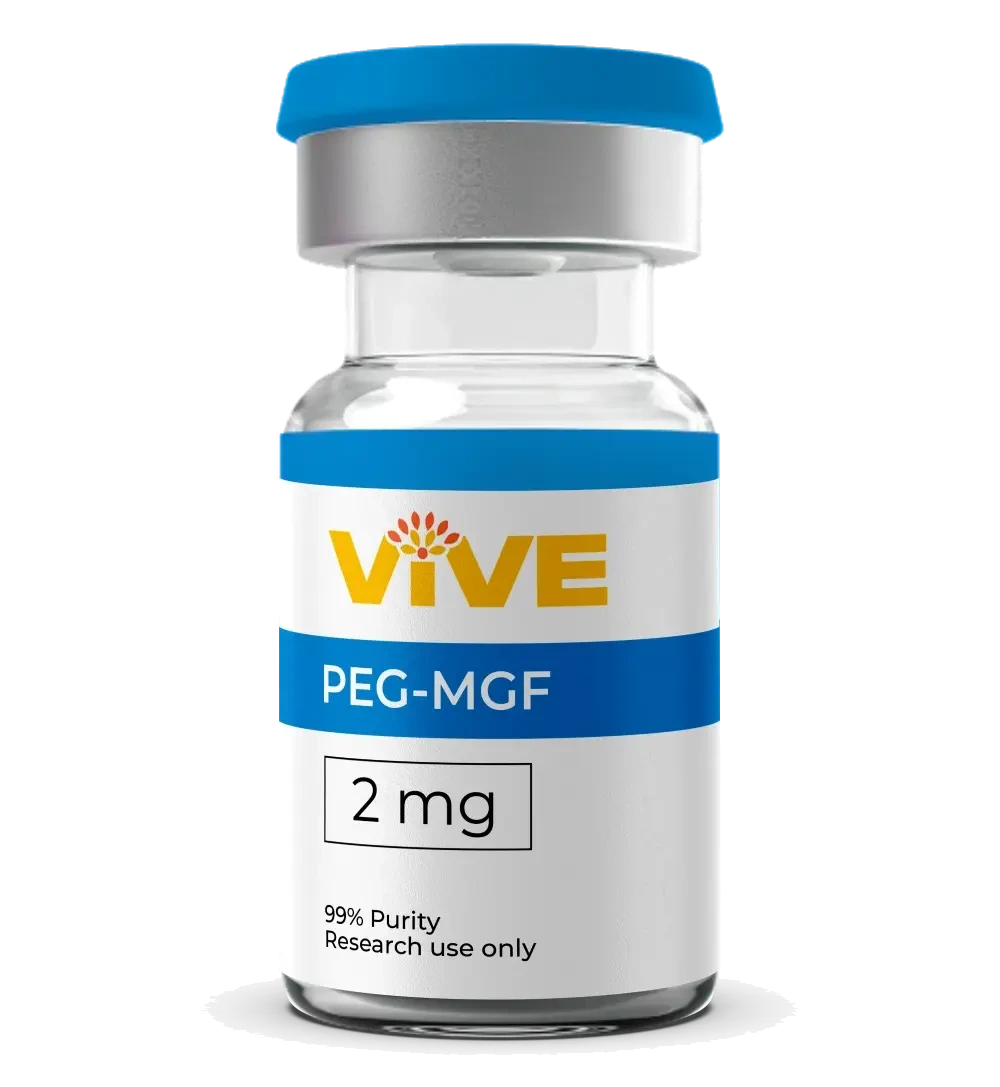
PEG-MGF
PT-141
Selank
Sermorelin
SNAP-8
SS-31
Tesamorelin
Thymosin Alpha 1
Wolverine Stack
Research Overview
American-Made Research Peptides: Category Overview
This category encompasses six research peptides manufactured, tested, and distributed entirely within United States facilities, giving laboratories a documented domestic supply chain from synthesis to shipment. Domestic peptide research has expanded as US institutions prioritize traceable sourcing over imported material with inconsistent chain-of-custody records.
The featured compounds span several mechanism classes: BPC-157 and TB-500, cytoprotective peptide fragments studied in tissue-repair models; GHK-Cu, a copper-binding tripeptide studied for extracellular matrix and collagen signaling; NAD+, a coenzyme precursor studied in cellular energy metabolism; the CJC-1295 No DAC plus Ipamorelin blend, a growth hormone secretagogue combination; and the Glow Blend, a combined BPC-157, TB-500, and GHK-Cu formulation. VivePeptides positions itself as a dedicated supplier of USA peptides, maintaining US-based manufacturing partnerships and consistent lot documentation for every compound in this collection.
Researchers increasingly request origin transparency alongside potency data, and this collection of American-made peptides is curated to meet that demand directly.
Domestic Manufacturing Oversight
Every compound in this collection is synthesized and lot-tested within US-based facilities, keeping the chain of custody inside domestic regulatory reach from raw material to finished vial.
Six Distinct Mechanism Classes
This collection spans tissue-repair fragments, a copper peptide, a metabolic coenzyme, and somatotropic-axis compounds, letting researchers select a compound class matched to a specific pathway of interest.
Shorter US Supply Chain
Domestic sourcing shortens the distance between manufacturing and laboratory receipt, reducing the customs handling and extended transit time associated with imported research material.
Compound Comparison
How these compounds compare
| Compound | Mechanism Class | Research Focus | Distinguishing Feature |
|---|---|---|---|
| BPC-157 | Cytoprotective peptide fragment | Tissue repair, angiogenesis models | Stable synthetic fragment structure |
| TB-500 | Actin-regulating peptide fragment | Cell migration, wound closure models | Synthetic Thymosin Beta-4 fragment |
| GHK-Cu | Copper-binding tripeptide | Collagen synthesis, matrix remodeling | Chelated copper delivery structure |
| NAD+ | Metabolic coenzyme precursor | Mitochondrial function, energy metabolism | Direct cellular cofactor role |
| CJC 1295 No DAC + Ipamorelin Blend | Growth hormone secretagogue blend | Pulsatile GH secretion models | Dual-mechanism secretagogue combination |
| Glow Blend (BPC/TB/GHK) | Combined tissue-repair peptide blend | Multi-pathway tissue research | Three-peptide combination formulation |
Mechanism & Research Context
Mechanism Classes and Research Selection Criteria
What distinguishes the mechanism classes in this collection is their divergence: tissue-repair fragments, a copper-binding structural peptide, a metabolic coenzyme, and somatotropic-axis compounds each act through separate signaling pathways rather than a single shared target. Preclinical literature on BPC-157 and TB-500 has examined angiogenesis, actin regulation, and soft-tissue models, while GHK-Cu research has focused on dermal fibroblast activity and matrix remodeling.
NAD+ investigation centers on mitochondrial function and cellular energy substrates, and CJC-1295 No DAC combined with Ipamorelin has been studied for pulsatile growth hormone secretagogue activity in endocrine research models. Researchers selecting among these compounds typically consider target pathway first, then reconstitution stability and storage requirements, since coenzyme and peptide fragments differ in handling needs.
Study design should account for solvent compatibility, receptor specificity, and whether a single-mechanism compound or a multi-peptide blend better isolates the variable under investigation.
Research FAQ
Frequently asked questions
What does "USA-Made" mean for research peptides?
Why do researchers prefer American-made peptides over imported material?
Which mechanism classes are represented in the USA-Made Peptides collection?
How does domestic manufacturing affect quality control for research peptides?
Does domestic sourcing affect shipping times for laboratories?
How should researchers select between single-mechanism peptides and combination blends like the Glow Blend?
Related Research Collections
Continue exploring
These products are sold strictly for laboratory and research use only and are not approved for human consumption, diagnosis, or therapeutic treatment. Not for human or veterinary use. These statements have not been evaluated by the Food and Drug Administration, and nothing on this page constitutes medical advice or a health claim.