
Research Collection
Wound Healing Peptides
Peptides investigated in preclinical wound models, from re-epithelialization and angiogenesis to matrix remodeling of healing skin.
Wound Healing Peptides are research compounds studied for their roles in dermal wound closure, re-epithelialization, and angiogenesis in laboratory wound models. This category features growth-factor-mimetic, tissue-repair-signaling, and copper-peptide mechanism classes, including BPC-157, TB-500, GHK-Cu, and the KLOW blend. All compounds are supplied strictly for laboratory research use, not for human or animal administration.
Reviewed by the VivePeptides Research DeskLast reviewed
Research Catalog
Compounds in this collection
Research Overview
Wound Healing Peptides: A Research Category Overview
This collection covers peptides studied specifically for their effects on dermal wound models, addressing re-epithelialization, wound contraction, and neovascularization rather than broader systemic tissue repair. It is an active area of investigation because wound closure involves several distinct, druggable mechanisms: growth-factor pathway activation, cytoskeletal and angiogenic signaling, and extracellular matrix remodeling. Four mechanism classes are represented here.
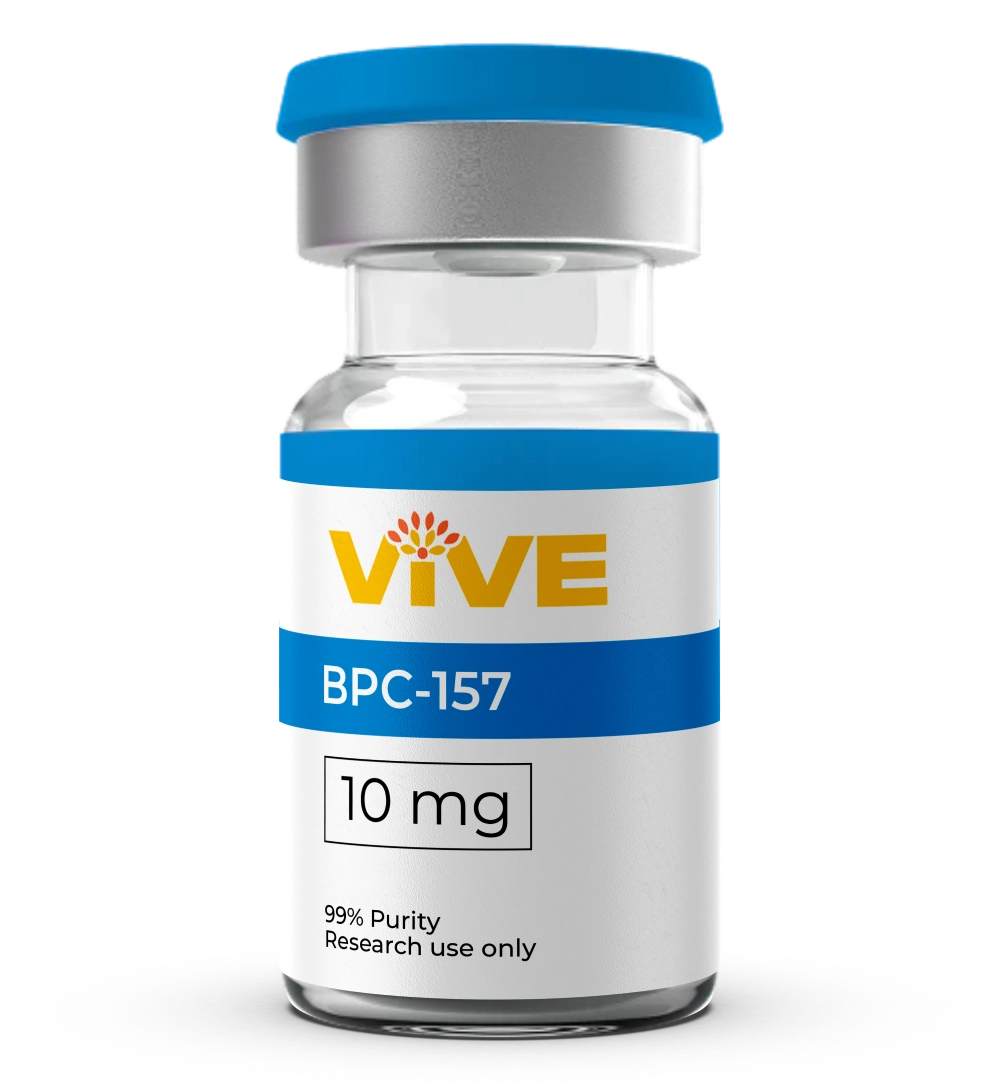
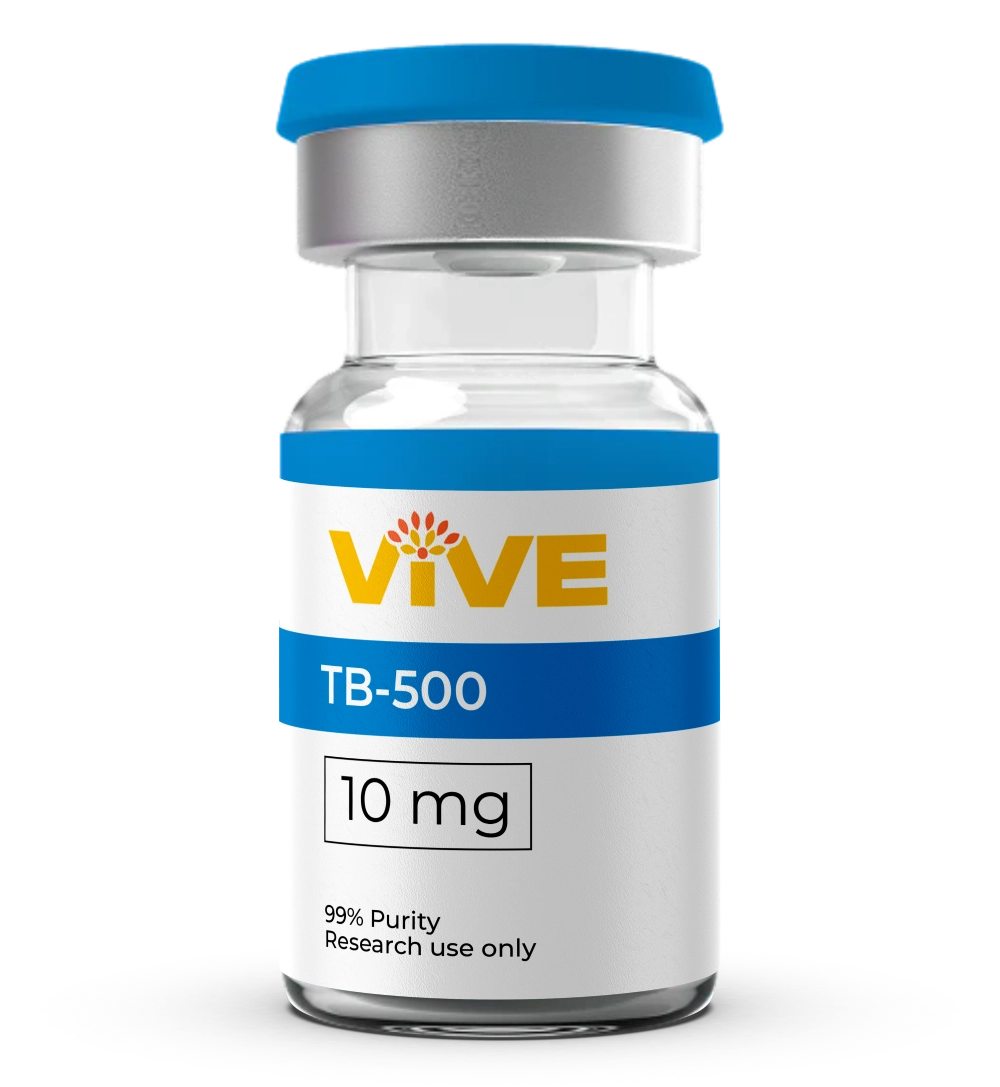
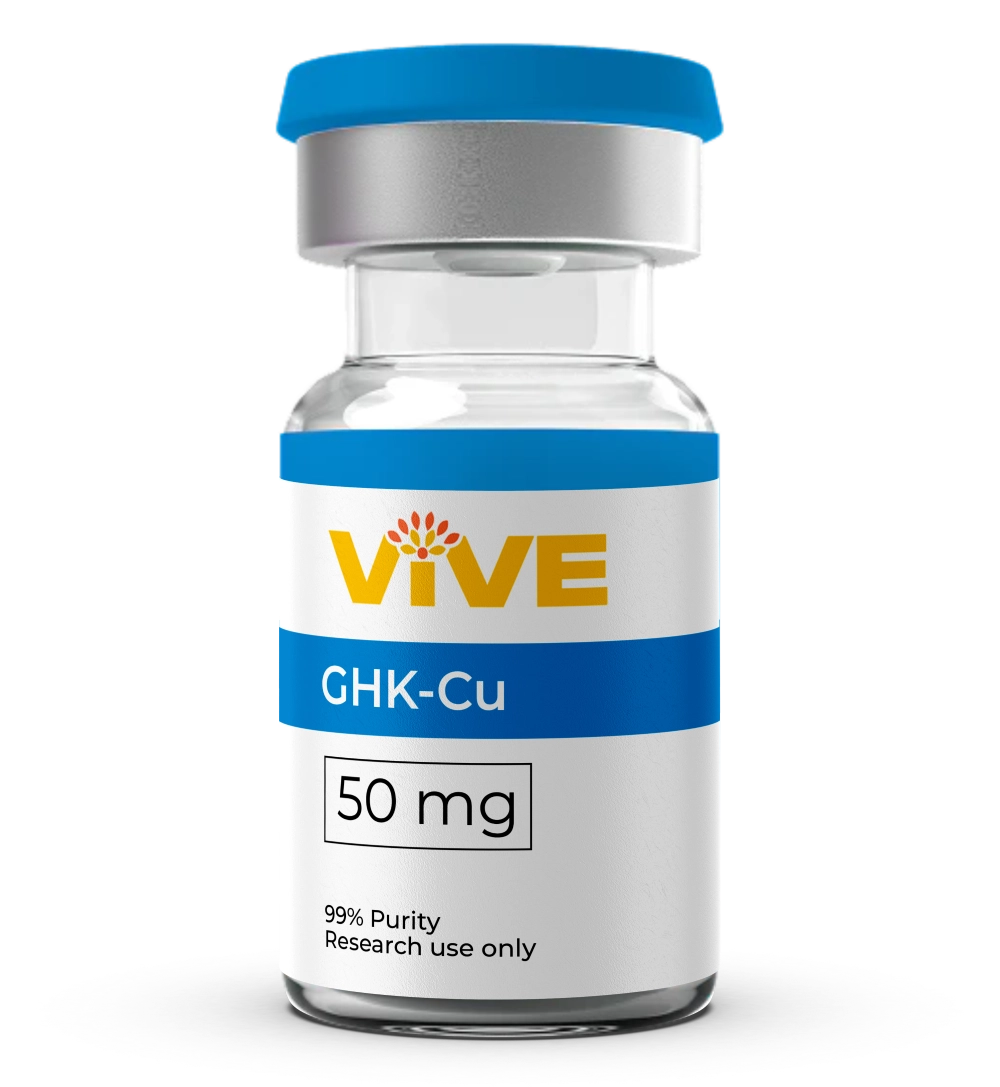
BPC-157 is studied as a stable, gastric-derived peptide fragment investigated for growth-factor and angiogenic pathway modulation in wound models. TB-500 is examined for its actin-binding, cell-migration-promoting mechanism relevant to re-epithelialization. GHK-Cu is a copper-binding tripeptide studied for its role in collagen synthesis and extracellular matrix remodeling.
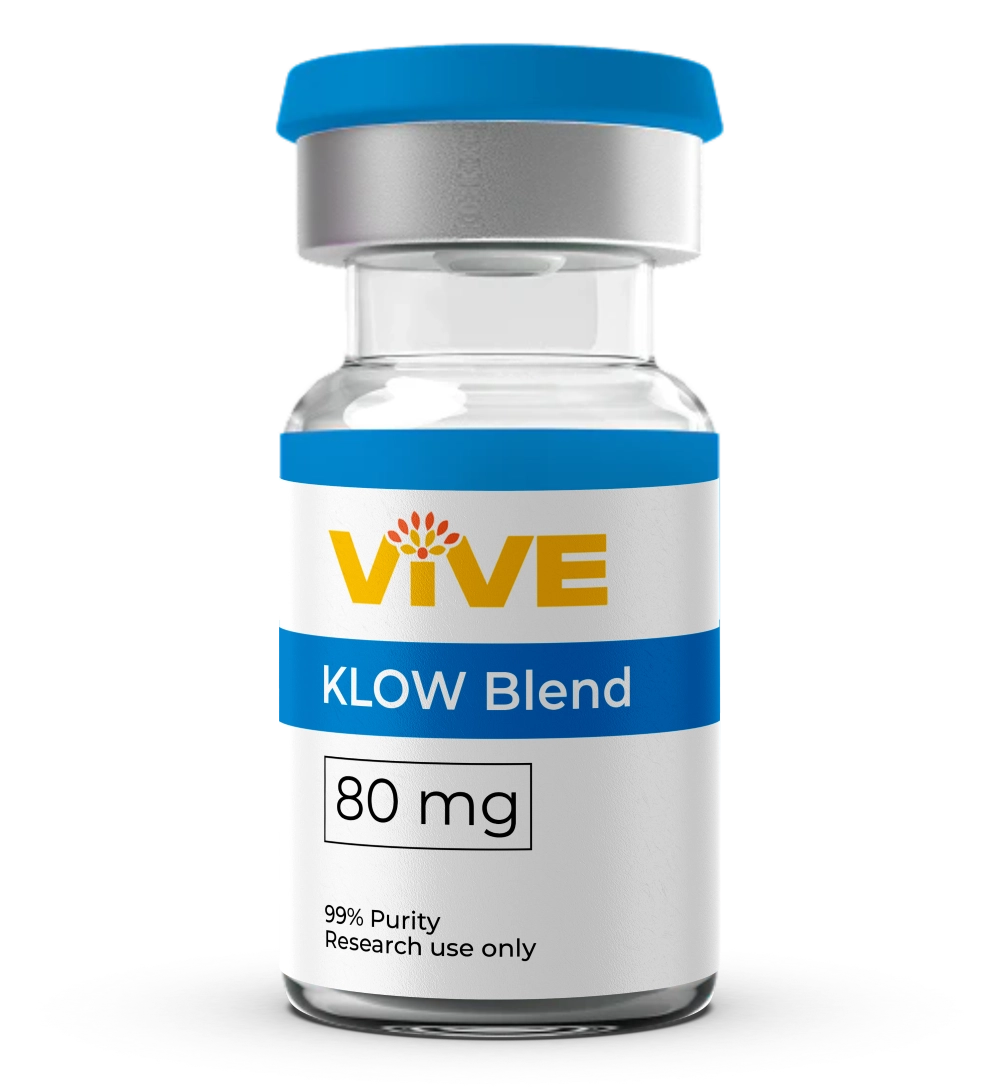
The KLOW blend combines several of these mechanism classes for comparative research designs. VivePeptides sources each compound with third-party purity documentation so researchers can select materials appropriate to wound-specific study protocols.
Four Distinct Mechanism Classes
BPC-157, TB-500, GHK-Cu, and KLOW each engage a different stage of the wound-closure cascade, from angiogenic signaling to matrix remodeling. This lets researchers match a compound to the specific process under study rather than relying on one generalized mechanism.
Verified Purity and Documentation
Each compound in this collection ships with third-party certificate of analysis documentation confirming identity and purity. This supports the reproducibility standards expected in dermal wound-model research protocols.
Stage-Specific Compound Selection
Early-stage inflammatory and angiogenic research favors BPC-157 or TB-500, while later-stage matrix remodeling studies often center on GHK-Cu. KLOW blends are used when a design calls for examining multiple mechanism classes within one model.
Compound Comparison
How these compounds compare
| Compound | Mechanism Class | Research Focus | Distinguishing Feature |
|---|---|---|---|
| BPC-157 | Growth-factor and angiogenic modulator | Angiogenesis, granulation tissue formation | Stable gastric-derived peptide fragment |
| TB-500 | Actin-binding, cell-migration promoter | Cell migration, re-epithelialization | Synthetic fragment of thymosin beta-4 |
| GHK-Cu | Copper-binding tripeptide complex | Collagen synthesis, matrix remodeling | Longest-studied compound in category |
| KLOW Blend | Multi-mechanism combination formulation | Comparative, multi-pathway wound models | Combines four peptides in one formulation |
Mechanism & Research Context
Mechanism Classes and Research Context in Wound Models
What distinguishes this collection is that each compound engages a different stage of the wound-healing cascade rather than a single shared pathway. Preclinical literature has examined BPC-157 in rodent models of dermal and tendon wounds, with particular attention to angiogenic marker expression and granulation tissue formation. TB-500 research has focused on cell migration assays and actin regulation relevant to keratinocyte and fibroblast movement across a wound bed.
GHK-Cu has one of the longer research histories among the four, with published work on its stimulation of collagen and glycosaminoglycan synthesis in fibroblast cultures. Researchers selecting between these compounds typically consider which stage of wound closure their model targets: early inflammatory and angiogenic signaling favors BPC-157 or TB-500, while later-stage matrix remodeling favors GHK-Cu. Blended formulations like KLOW are selected when a study design calls for evaluating multiple mechanism classes concurrently.
Storage stability and reconstitution method also factor into compound selection for multi-week wound-model timelines.
Research FAQ
Frequently asked questions
What are wound healing peptides used for in research?
What is the difference between BPC-157 and TB-500 in wound research?
How does GHK-Cu differ from other peptides in this collection?
What is the KLOW blend and how is it used in wound research?
Are wound healing peptides approved for human or animal use?
How should researchers select among wound healing peptides for a study?
Related Research Collections
Continue exploring
These products are sold strictly for laboratory and research use only and are not approved for human consumption, diagnosis, or therapeutic treatment. Not for human or veterinary use. These statements have not been evaluated by the Food and Drug Administration, and nothing on this page constitutes medical advice or a health claim.