
Research Collection
Antimicrobial Peptides
Host-defense research peptides studied for membrane-disruption mechanisms and innate immune signaling in preclinical models.
Antimicrobial Peptides are research compounds studied for membrane-disruptive and host-defense-signaling mechanisms rooted in innate immunity. This category spans cathelicidin-derived peptides, melanocortin-pathway tripeptides, and thymic-origin peptides investigated in preclinical models of microbial membrane interaction and innate immune cell signaling. All compounds are supplied strictly for laboratory research use, not for human or animal administration.
Reviewed by the VivePeptides Research DeskLast reviewed
Research Overview
The Antimicrobial Peptide Research Category
This collection encompasses antimicrobial peptides and host defense peptides studied for direct microbial membrane activity and innate immune signaling roles, a class often abbreviated as AMPs in the research literature. Antimicrobial peptides remain an active area of investigation because rising antibiotic resistance has pushed researchers toward membrane-targeting and immune-signaling mechanisms that operate differently from conventional small-molecule antibiotics.
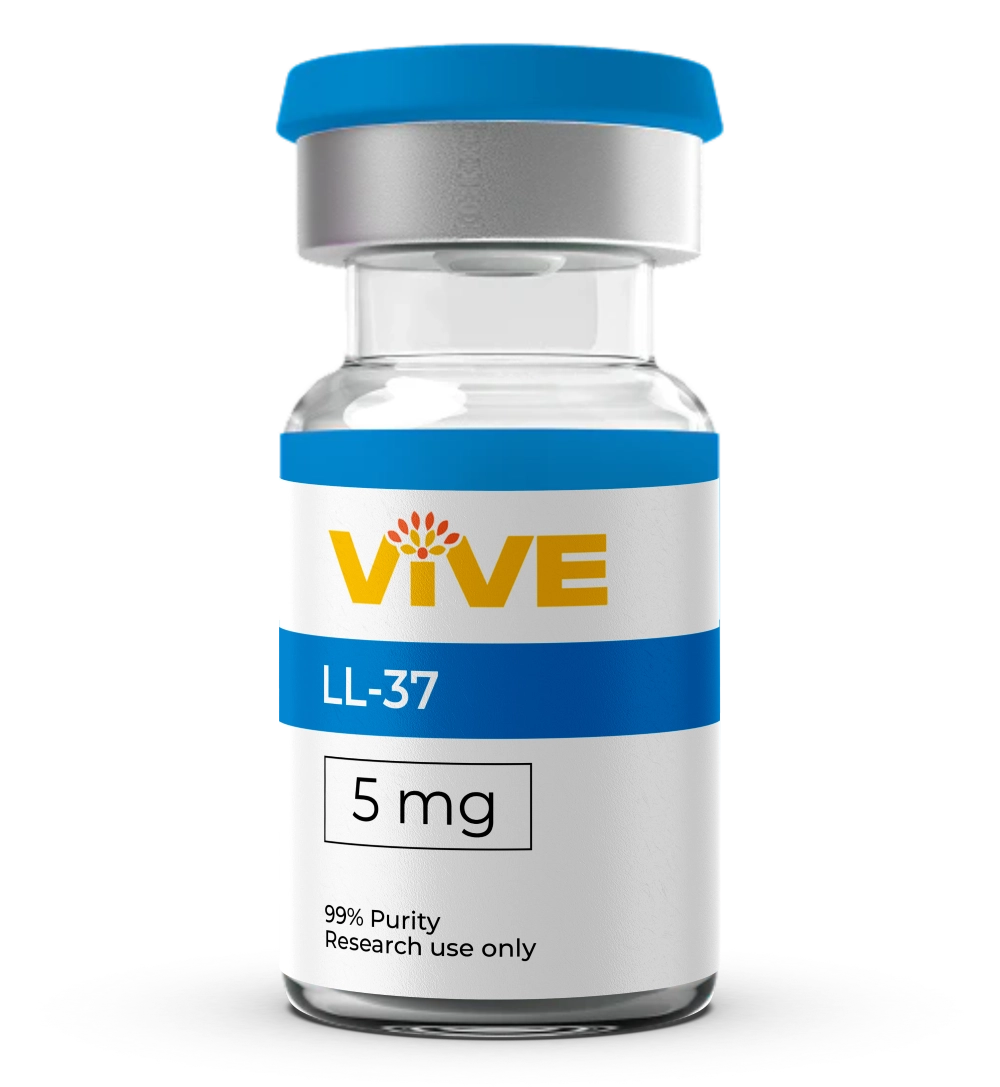
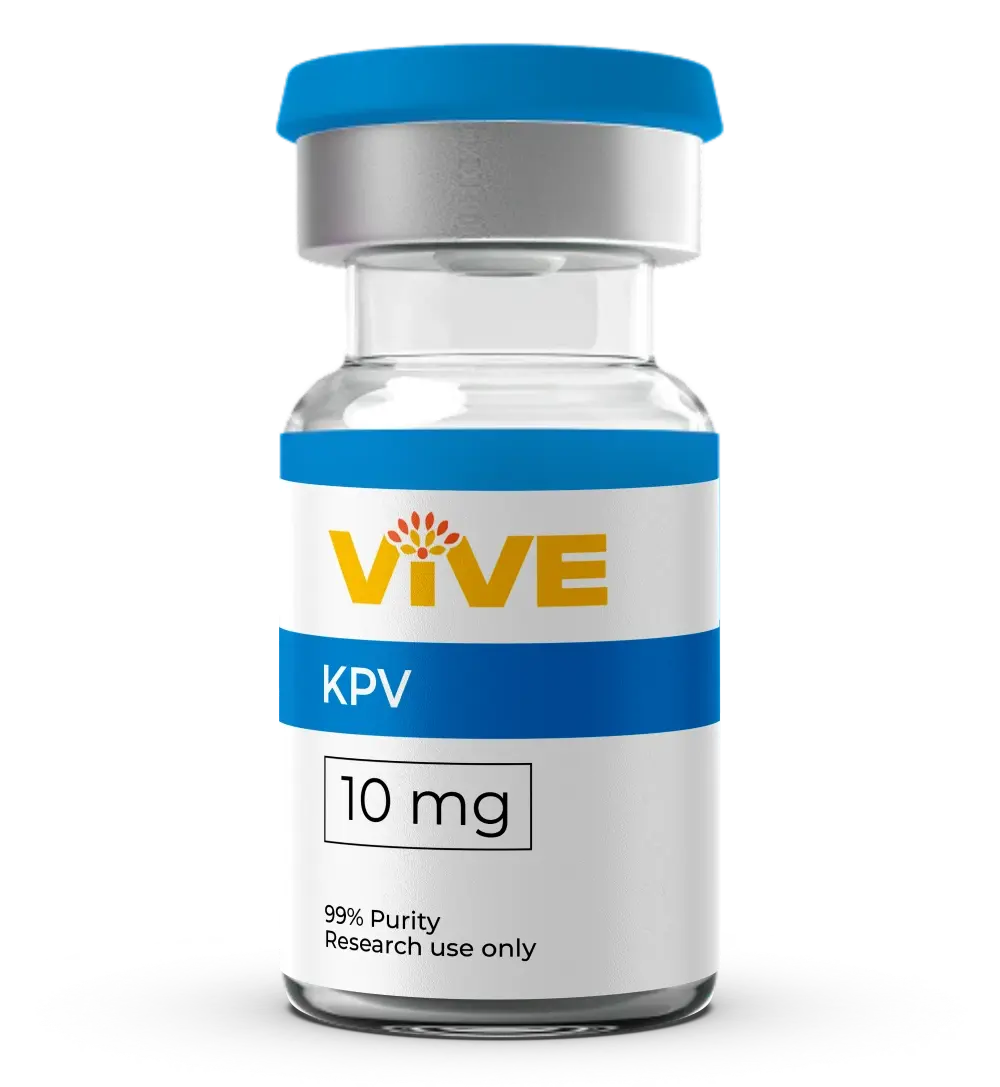
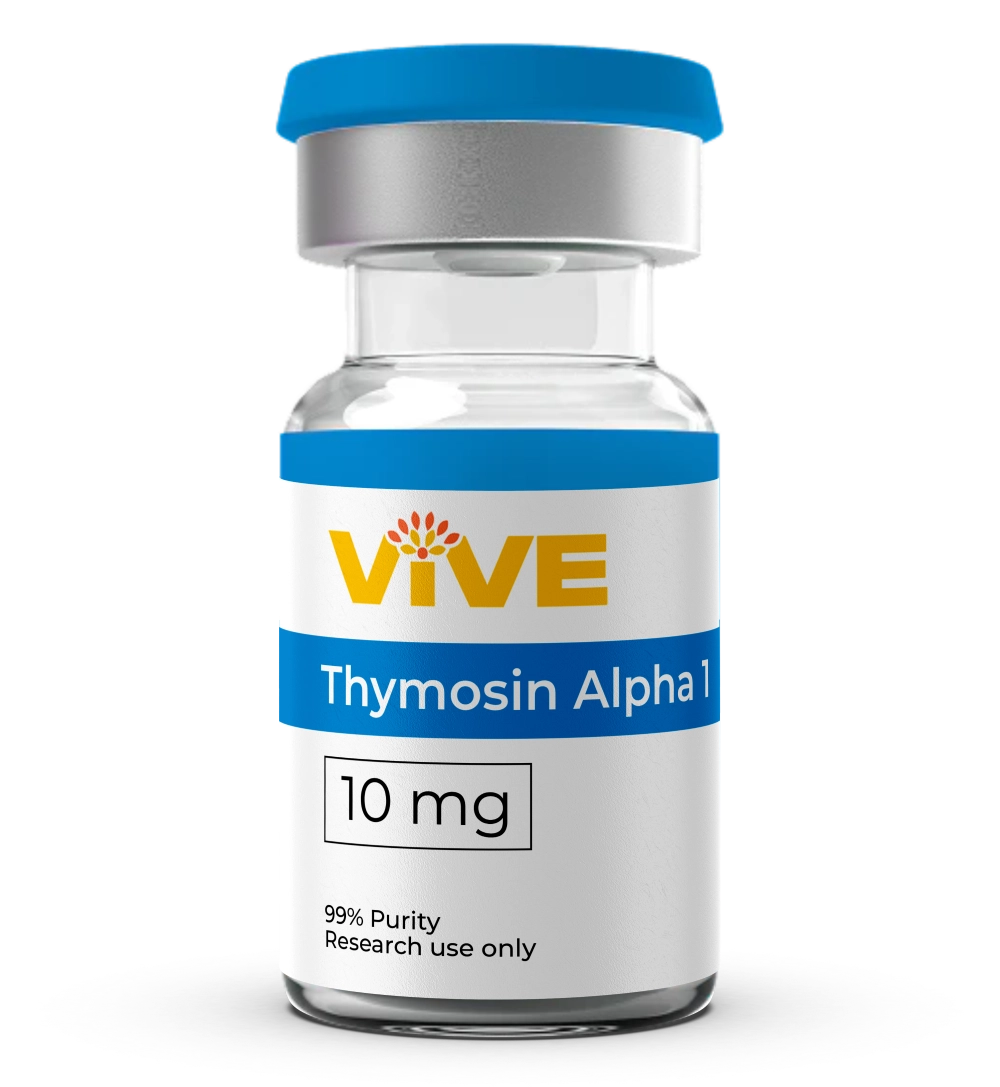
Three mechanism classes are represented here: LL-37, a cathelicidin-derived peptide studied for direct membrane permeabilization of microbial cells; KPV, a melanocortin-derived tripeptide studied for anti-inflammatory and antimicrobial signaling through NF-kB pathway modulation; and Thymosin Alpha 1, a thymic-origin peptide studied for its influence on innate immune cell activity and pathogen-response signaling. VivePeptides sources and documents each compound to third-party purity and identity standards, giving research teams a consistent reference point when designing comparative or mechanism-focused studies within this category.
Three Distinct Mechanism Classes
This collection separates direct membrane-disruptive activity from receptor- and signaling-mediated mechanisms common to host defense peptides. LL-37, KPV, and Thymosin Alpha 1 each represent a structurally distinct approach within antimicrobial peptide research.
Verified Purity and Documentation
Each compound ships with third-party certificate of analysis documentation confirming identity and purity. This supports reproducibility when comparing results across research batches or laboratories.
Storage and Reconstitution Considerations
Lyophilized antimicrobial peptides are sensitive to temperature, light, and repeated freeze-thaw cycles that can degrade membrane-active structures. Proper cold-chain handling and controlled reconstitution protocols help preserve peptide integrity for consistent assay results.
Compound Comparison
How these compounds compare
| Compound | Mechanism Class | Research Focus | Distinguishing Feature |
|---|---|---|---|
| LL-37 | Cathelicidin-derived membrane-disruptive peptide | Bacterial membrane permeabilization studies | Cationic amphipathic peptide structure |
| KPV | Melanocortin-derived anti-inflammatory tripeptide | NF-kB pathway and cytokine signaling | Compact tripeptide, alpha-MSH derived |
| Thymosin Alpha 1 | Thymic-origin innate signaling peptide | Toll-like receptor and innate cell signaling | Broadest innate immune cell influence |
Mechanism & Research Context
Mechanism Classes and Research Design Considerations
What distinguishes the mechanism classes in this collection is the site of action: LL-37 acts primarily at the microbial membrane, while KPV and Thymosin Alpha 1 act primarily through intracellular and receptor-mediated signaling. Preclinical literature has examined LL-37 for its cationic, amphipathic structure and its capacity to disrupt bacterial membrane integrity in cell-based assays.
KPV has been investigated for suppressing pro-inflammatory cytokine signaling while retaining antimicrobial peptide fragment activity derived from its parent molecule, alpha-melanocyte-stimulating hormone. Thymosin Alpha 1 has been studied for modulating toll-like receptor signaling and innate immune cell responsiveness in models of pathogen exposure.
Researchers selecting among these compounds typically consider whether the study question centers on direct microbial membrane interaction, host-signaling modulation, or a combination of both. Study design should also account for each peptide's solubility profile, reconstitution stability, and the assay system's sensitivity to peptide aggregation.
Research FAQ
Frequently asked questions
What are antimicrobial peptides used for in research?
What is the difference between LL-37 and KPV?
Why are host defense peptides considered an alternative research direction to conventional antibiotic mechanisms?
What does "AMP" mean in peptide research literature?
How does Thymosin Alpha 1 relate to the antimicrobial peptide category?
What handling considerations apply when working with antimicrobial peptides in a laboratory setting?
Related Research Collections
Continue exploring
These products are sold strictly for laboratory and research use only and are not approved for human consumption, diagnosis, or therapeutic treatment. Not for human or veterinary use. These statements have not been evaluated by the Food and Drug Administration, and nothing on this page constitutes medical advice or a health claim.