Research Article
Peptide Half-Life Explained: Research Study Design

Peptide half-life explained simply: it is the time required for a peptide's concentration to drop by half once it enters the body, and it dictates nearly every variable in a research protocol. Teams comparing options in the research-grade peptide catalog need this number before they can design a defensible dosing schedule or sampling window.
By Vive Team
Peptide Half-Life Explained Through the Lens of Enzymatic Degradation
In pharmacokinetics, half-life is the interval in which half of an administered compound is cleared or broken down. For peptides, that clearance is driven almost entirely by enzymatic degradation. Circulating proteases and peptidases recognize specific amino acid sequences and cleave the chain at predictable points, converting an intact molecule into inactive fragments. Because peptides are built from amino acids linked together in a specific order, and because those linkages are exactly what proteolytic enzymes target, structure and stability are inseparable. A sequence with several exposed amino acids at its termini will typically degrade faster than one protected by modifications such as acetylation or a D-amino acid substitution.
This is peptide half-life explained at the molecular level: the faster the enzymatic degradation, the shorter the window in which the molecule remains in its active form for measurement. Of every pharmacokinetic variable a research team tracks, degradation rate is one most important factor in determining whether a protocol produces usable data or noise.
Because these are research compounds intended for laboratory and preclinical study only, human health outcomes are outside the scope of this article. The focus here is strictly on pharmacokinetic behavior relevant to protocol design, not on treatment or clinical outcomes in people.
How Amino Acid Structure Drives Enzymatic Degradation
Every peptide is a short chain of amino acids linked in a specific order, and that order is what separates a stable research compound from a fragile one. Long chain proteins fold into complex three dimensional shapes that can shield vulnerable bonds, but most research peptides are too short to fold this way, leaving their backbone exposed. Blood carries a dense population of exopeptidases and endopeptidases that scan circulating molecules for recognizable sequences, then cleave them into smaller, inactive fragments almost immediately.
This is the same reason insulin, itself a short protein, requires careful cold storage and handling: enzymatic exposure and structural fragility go hand in hand. The science of peptide clearance is really the science of enzyme recognition, once a sequence is identifiable to a protease, the clock on its half-life starts running. Structural comparisons like the ones in more on bpc 157 ghk recovery regeneration peptide research show how small substitutions in the same backbone can meaningfully change degradation timing, which is exactly why two peptides that look similar on paper can behave very differently in a research protocol.

Why Half-Life Shapes Research Study Design
Dosing Frequency and Sampling Windows
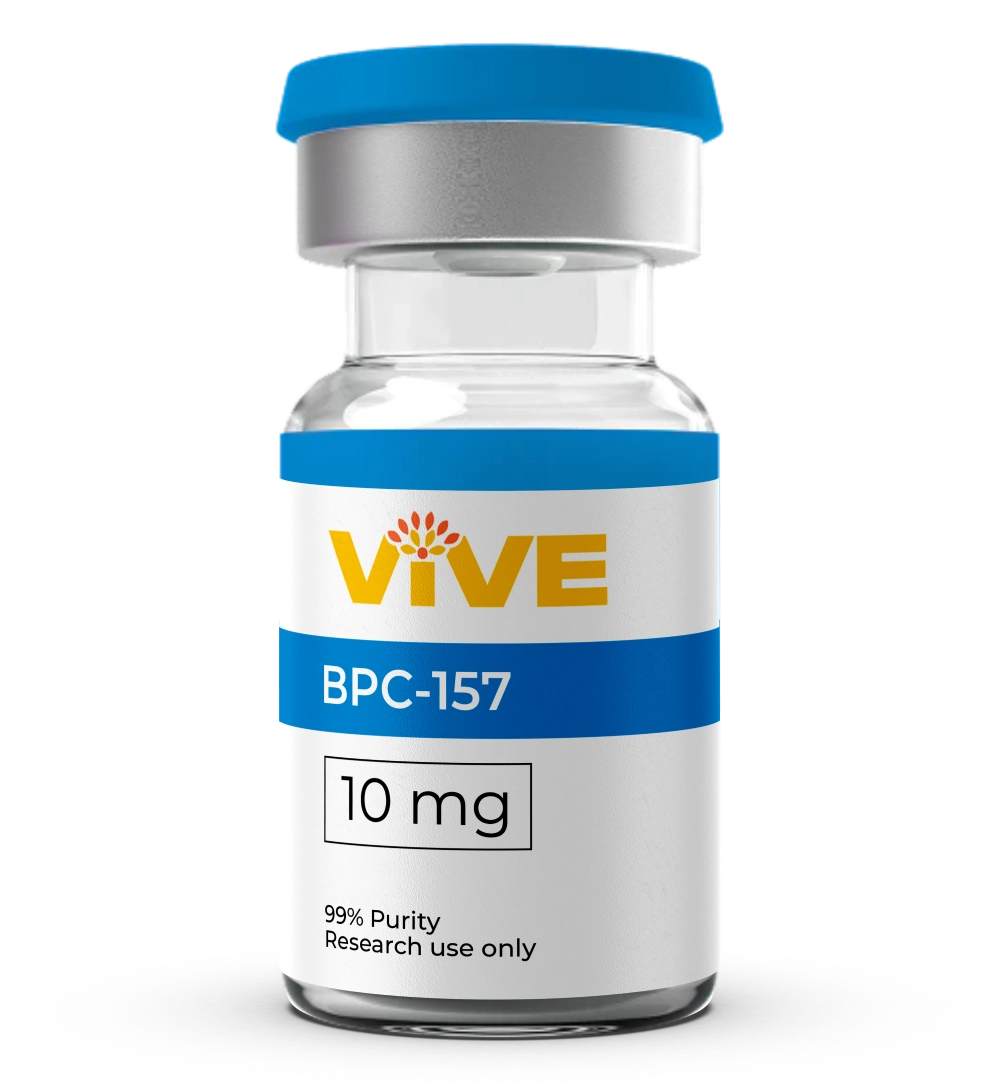
A peptide with a half-life measured in minutes demands a completely different sampling plan than one that persists for days. If a protocol draws blood samples on a schedule built for a slow clearing molecule but the actual compound clears in under twenty minutes, most of the meaningful concentration data is missed entirely, and the study produces results that cannot support a valid conclusion. This is well documented in BPC-157 in published studies, where the peptide's short circulating window shaped how researchers structured serial sampling to avoid missing the clearance curve entirely.
Data Integrity and Reproducibility
Long acting compounds behave differently inside a research protocol. GLP-1 receptor peptides such as those covered in Semaglutide research data are selected for extended circulation, which is why weekly administration schedules are common in that class, whereas growth hormone secretagogues used in muscle growth research typically require daily dosing because their half-life is measured in minutes rather than days. This contrast is why clinical researchers rarely design one dosing protocol for an entire class of molecules, each compound's degradation rate has to be modeled naturally, not assumed from a similar looking peptide.
Researchers combining multiple compounds in a single protocol, an approach detailed in our guide to best peptide stacks research synergistic combinations work, must account for each molecule's distinct half-life separately, since pairing a short lived peptide with a long lived one can produce misleading composite results if sampling is not staggered correctly.
Comparing Half-Lives Across Common Research Peptides
As a general category, small unmodified research peptides, including many growth hormone secretagogues and repair focused peptides, clear from circulation within minutes to a few hours. Peptides engineered with fatty acid chains, PEGylation, or amino acid backbone modifications extend that window substantially, sometimes to days, which is part of why long acting GLP-1 class molecules support weekly protocols while short peptides require multiple daily administrations to sustain any working concentration.
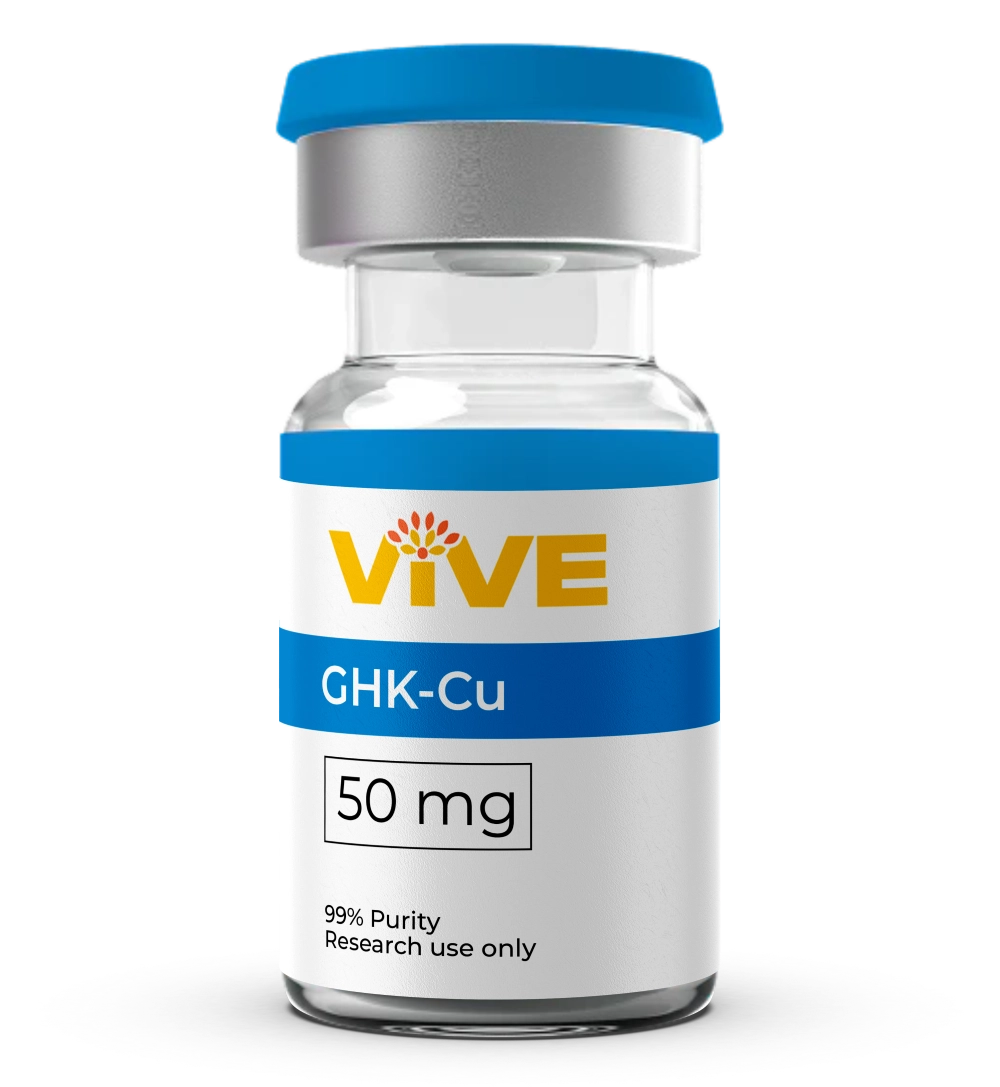
Price is rarely the right lens for comparing two peptides in this context, since a compound requiring several sub-vials per week carries different practical logistics and labor than one dosed once. Copper binding peptides used in skin research illustrate the structural side of this well, more on ghk cu skin research copper peptide covers how structural stability shapes topical versus injectable research protocols differently. GLP-1 class peptides are frequently studied for their relationship to weight, appetite, food intake signaling, and insulin sensitivity, and researchers tracking these parameters often monitor systemic measures such as blood pressure alongside standard sampling, since a compound's degradation profile affects how consistently these data points can be captured across a study period.
Reconstitution, Storage, and Stability Considerations
Handling practices can shorten a peptide's functional life before it ever reaches a research model. Lyophilized powder is comparatively stable, but once reconstituted into liquid form, enzymatic and hydrolytic degradation begin acting even inside the vial, which is why reconstitution protocol matters as much as biological half-life once a study begins. VivePeptides products are manufactured for research use only, and each product page includes handling notes relevant to stability and expected shelf behavior after reconstitution.
Peptides ordered online from research suppliers naturally degrade faster once removed from cold storage, so researchers should track how long a compound has been in its active, reconstituted form before drawing a sample, not just how long it has existed since manufacture. For a full walkthrough of proper handling, our guide to the complete guide to reconstituting peptides with bacteriostatic water covers dilution ratios and cold chain storage in more detail.
Frequently Asked Questions
What is a good working definition of peptide half-life? Peptide half-life explained simply is the time required for half of an administered or reconstituted peptide to be cleared through enzymatic degradation and normal clearance pathways. It is typically expressed in minutes, hours, or days depending on the molecule's structure, and it directly determines how frequently a research protocol needs dosing or sampling to capture meaningful data.
Why do some peptides degrade faster than others? Degradation speed comes down to amino acid sequence and structural protection. Peptides with exposed termini, no protective modifications, and short chains are easy targets for circulating proteases. Larger or chemically modified molecules, including PEGylated or fatty acid conjugated peptides, resist enzymatic degradation longer and therefore persist in circulation for extended periods.
How does half-life affect research study design? Half-life sets the sampling schedule, dosing frequency, and the window during which a compound remains biologically active. A mismatch between assumed and actual half-life produces incomplete or misleading data, since blood draws or observation periods scheduled around the wrong clearance curve miss the concentrations that matter most for the results.
Does storage or reconstitution change a peptide's effective half-life? Storage conditions do not change a peptide's inherent chemistry, but improper handling accelerates degradation before a study even begins. Reconstituted peptides kept outside cold storage or held at room temperature for extended periods degrade faster, effectively shortening the usable research window compared to properly stored material.
Is peptide half-life the same for every research application? No. The same peptide can behave differently depending on route of administration, concentration, and the biological system being studied. Researchers should treat published half-life figures as a starting reference point, not a fixed constant, and validate clearance timing within their own protocol before drawing conclusions from downstream data.
Plan Your Next Research Protocol with Confidence
Modeling degradation timing before a protocol begins saves weeks of unusable data and keeps sampling honest. If your next study involves a longer acting or mitochondrial targeted compound, our guide to what is ss-31 (elamipretide)? mitochondrial peptide research guide breaks down another half-life profile worth mapping before you start.
Research Use Only
All information in this article is intended for educational and research purposes only. VivePeptides products are not intended for human or veterinary use.