Research Article
Best Peptide Stacks for Research: Synergistic Combinations That Work Together

Researchers and biohackers exploring peptide therapy increasingly find that targeted combinations outperform single-compound protocols. The best peptide stacks for research pair complementary mechanisms to address tissue repair, body composition, and hormonal signaling simultaneously. This guide covers the most-studied synergistic combinations and the science behind why they work together.
Why Peptide Stacking Produces Better Research Outcomes
Individual peptides bind to specific receptors and trigger discrete signaling cascades. When two or more peptides target overlapping or complementary pathways, their effects can be additive or, in some protocols, synergistic. The rationale mirrors polypharmacology principles studied in drug development: hitting multiple nodes in a biological network often produces stronger downstream effects than saturating a single target.
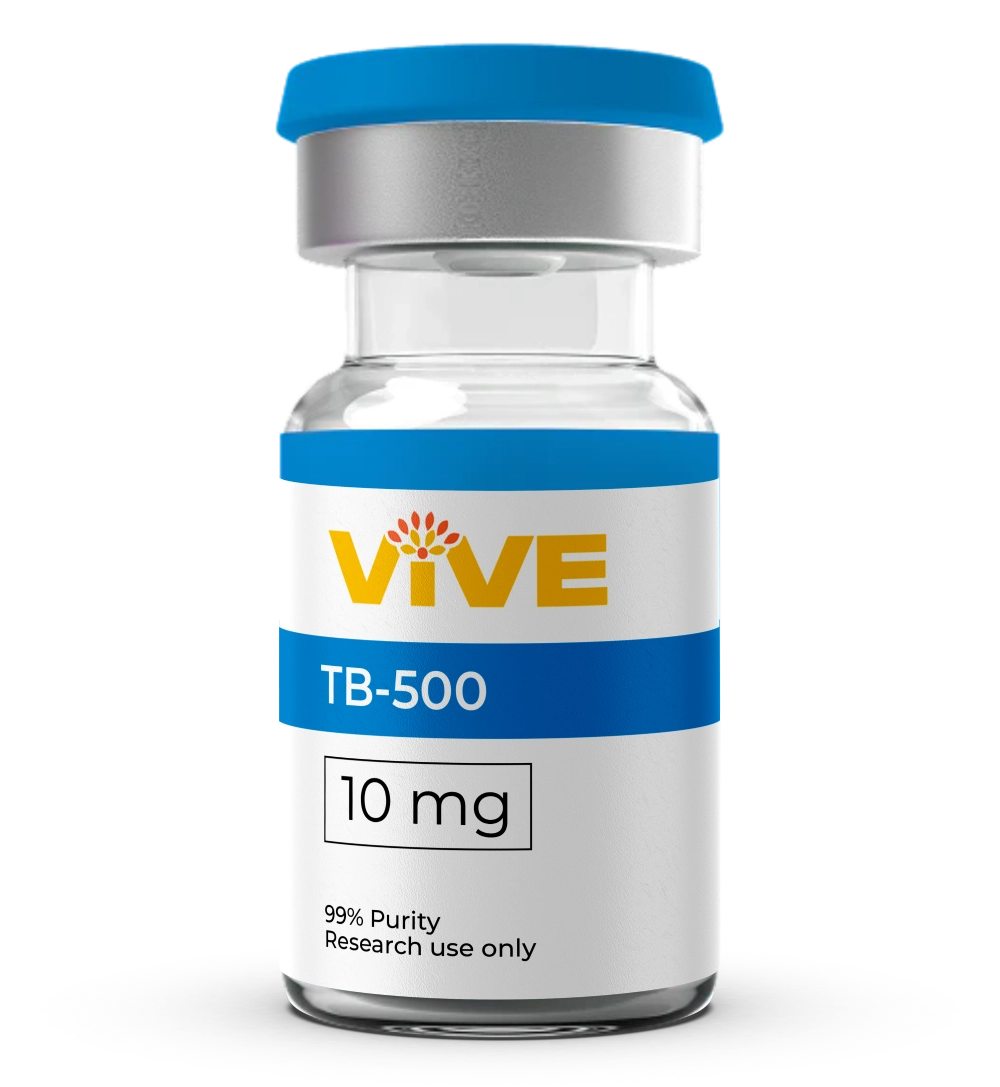
A foundational principle is receptor selectivity. Peptides like BPC-157 and TB-500 both support connective tissue but through different mechanisms. BPC-157 upregulates growth hormone receptor expression and promotes vascular growth through nitric oxide pathways. TB-500 (Thymosin Beta-4) acts on actin sequestration to support cellular migration and tissue remodeling. Combining them addresses recovery from multiple angles without receptor competition.
Stacking also matters for temporal coordination. Some peptides act rapidly within minutes of administration; others build effect over days or weeks. Research protocols that align short-acting and long-acting compounds maintain more consistent receptor stimulation across a study window than single-compound designs, which is one of the core benefits of a well-structured stack.
Tissue Repair Stacks: BPC-157, TB-500, and GHK-Cu
For research focused on tissue repair, three peptides appear frequently in combination protocols: BPC-157, TB-500, and GHK-Cu.
BPC-157 and TB-500
BPC-157 (Body Protective Compound-157) is a synthetic pentadecapeptide derived from a gastric protein. Preclinical studies, including research published by Sikiric et al. in the Journal of Physiology (2010), found that BPC-157 accelerated tendon, ligament, and muscle repair in rodent models. It is thought to work partly by upregulating VEGF and promoting the formation of new blood vessels at injury sites.
TB-500 is the synthetic form of the naturally occurring Thymosin Beta-4 peptide, present in high concentrations in platelets and wound fluids. Chang et al. (2011, Annals of the New York Academy of Sciences) reported that TB-500 promotes the migration of endothelial cells and keratinocytes, accelerating re-epithelialization and vascular repair.
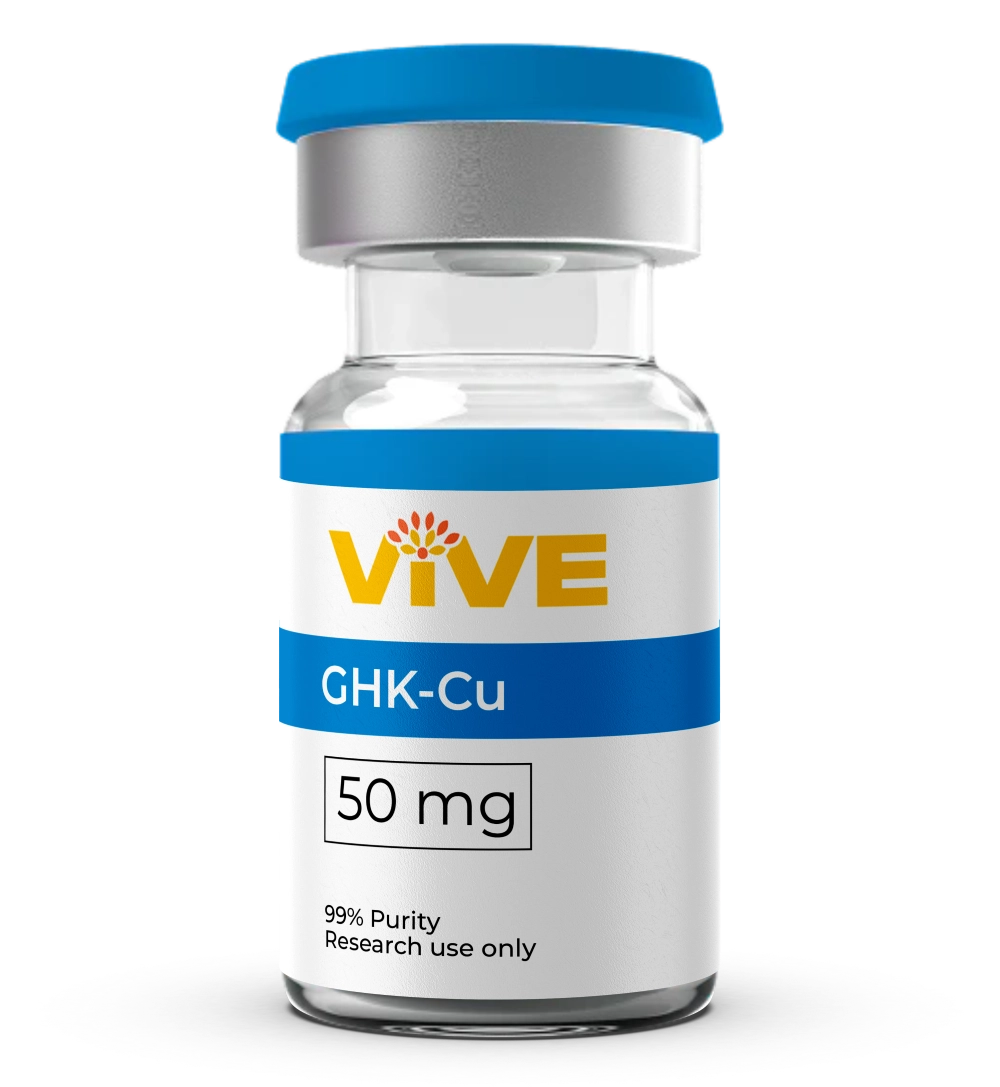
Together, BPC-157 and TB-500 target complementary phases of the repair process. BPC-157 addresses vascular repair and growth factor signaling; TB-500 supports cellular migration and extracellular matrix remodeling. The Glow Blend from VivePeptides combines BPC-157, TB-500, and GHK-Cu in a single formulation designed for research convenience.
GHK-Cu and Collagen Regeneration
GHK-Cu (Copper Peptide GHK-Cu) complements the BPC-157 and TB-500 stack through a distinct mechanism. Pickart and Margolina (2018, Biomedicines) described GHK-Cu as a biosignal that activates numerous repair and anti-inflammatory genes. It upregulates superoxide dismutase, reduces oxidative stress, and stimulates collagen and glycosaminoglycan synthesis. Adding GHK-Cu introduces antioxidant and collagen-regenerative signals that neither BPC-157 nor TB-500 address directly, making this three-compound combination one of the most mechanistically comprehensive healing stacks in current research literature.
Growth Hormone Secretagogue Stacks: CJC-1295 and Ipamorelin
For research targeting growth hormone axis modulation, CJC-1295 plus Ipamorelin is among the most studied combinations in both preclinical and early clinical literature.
How CJC-1295 No DAC and Ipamorelin Work Together
CJC-1295 (without DAC) is a GHRH (Growth Hormone Releasing Hormone) analog that extends the natural GHRH signal at the pituitary. Ipamorelin is a selective ghrelin receptor agonist (GHSR agonist) that triggers growth hormone release independently of the GHRH pathway. Combining them activates two distinct receptor populations simultaneously, producing a more robust and physiologically patterned growth hormone pulse compared to either compound alone.
Raun et al. (1998, European Journal of Endocrinology) characterized ipamorelin as a potent and selective GH secretagogue with minimal effects on cortisol or prolactin, distinguishing it from earlier GHSR agonists. The addition of a GHRH analog amplifies the magnitude of the GH pulse without introducing hormonal noise at adjacent axes.
The CJC-1295 No DAC + Ipamorelin Blend provides both compounds for researchers studying GH pulsatility, IGF-1 production, and downstream anabolic signaling in human and animal models.
Sleep and Recovery Timing
Sleep quality is a critical endpoint in growth hormone secretagogue research. Natural GH pulsatility peaks during slow-wave sleep, and protocols aligning GHRH/ghrelin agonist dosing with sleep onset aim to amplify this naturally occurring pulse. Van Cauter et al. (1992, Sleep) described the circadian pattern of GH secretion and its strong coupling with sleep architecture. Several research groups studying CJC-1295 plus Ipamorelin protocols have noted that evening administration correlates with higher overnight GH outputs compared to morning protocols, consistent with this established circadian biology.

Body Composition Stacks: Fat Loss and Muscle Growth
Body composition research using peptides often combines a growth hormone secretagogue stack with compounds that target fat oxidation or muscle growth more directly.
Growth Hormone Axis and Fat Loss
The growth hormone-releasing peptide family has been studied for its role in lipolysis. Fragment 176-191, a synthetic analog of the C-terminal portion of human growth hormone, has been shown in rodent studies to stimulate fat oxidation without the glucose-raising effects associated with full-length GH. Ng et al. (2000, Molecular and Cellular Endocrinology) described Fragment 176-191 as a metabolically active region that retains the anti-obesity actions of GH.
Pairing this with a CJC-1295 plus Ipamorelin protocol creates a multi-level approach to fat loss: the secretagogue stack increases endogenous GH pulsatility while fragment-type compounds act more directly on adipocyte signaling. This layered design allows researchers to study both the central and peripheral components of GH-mediated lipolysis within a single protocol.
IGF-1 LR3 for Muscle Growth Endpoints
IGF-1 LR3 (Insulin-Like Growth Factor 1 Long R3) is a synthetic analog of IGF-1 with an extended half-life due to reduced binding protein affinity. IGF-1 mediates many of the anabolic effects of growth hormone at the cellular level, including activation of the PI3K/AKT/mTOR pathway for muscle protein synthesis. Tomas et al. (1993, Journal of Endocrinology) demonstrated that IGF-1 LR3 produced significantly greater lean mass gain in hypophysectomized rats than an equimolar dose of native IGF-1.
For body composition research, combining a growth hormone secretagogue stack with IGF-1 LR3 targets both the upstream signal (GH production) and the downstream effector (IGF-1 receptor activation). This dual-pathway design is among the most mechanistically rational approaches for studying simultaneous fat loss and muscle growth in medical research models.
Cognitive and Neuromodulatory Peptide Combinations
Peptide therapy research has expanded beyond metabolic and musculoskeletal endpoints into cognitive and neurological applications, with several best peptide combinations emerging for neuromodulatory stacking protocols.
Semax and Selank
Semax and Selank are both nootropic peptides developed in Russia and studied by the Institute of Molecular Genetics in Moscow. Semax is a synthetic derivative of ACTH 4-7 with neurotrophin-like activity. Dolotov et al. (2006, Journal of Neurochemistry) showed Semax significantly upregulated BDNF (brain-derived neurotrophic factor) expression in the rat limbic forebrain. Selank, an analog of tuftsin, has been studied for anxiolytic effects and immune modulation.
Stacking Semax and Selank covers complementary neuromodulatory endpoints: Semax to improve BDNF signaling and cognitive output, Selank for stress axis modulation and immune balance. Both are typically administered intranasally in preclinical and early human research models, which simplifies multi-compound administration compared to injectable combinations.
How to Structure a Peptide Stacking Protocol
Designing a rigorous research protocol around peptide stacks requires clarity on endpoints, compound interactions, and experimental controls.
Define the Research Endpoint First
No single combination of peptide stacks serves all research goals. A tissue repair protocol will differ substantially from a body composition stack or a cognitive research design. Before selecting compounds, define the primary endpoint: healing markers, IGF-1 levels, lean mass, sleep architecture, or inflammatory cytokines. The endpoint drives compound selection, not the reverse.
Account for Half-Life and Dosing Windows
Peptides vary substantially in their pharmacokinetic profiles. Ipamorelin has a reported half-life of approximately two hours; CJC-1295 No DAC operates in a similar short window. TB-500 is typically administered in weekly or biweekly intervals given its sustained activity in preclinical models. Stacking protocols must account for these differences to ensure compounds are active simultaneously across the study window.
Reference Dosing From Published Medical Literature
While dosing for any peptide research protocol must be tailored to the specific model and endpoint, published preclinical and medical studies provide useful reference ranges. CJC-1295 doses in rodent studies typically range from 1 to 2 mcg per kilogram. Ipamorelin has been studied at 100 to 300 mcg in human research subjects across protocols spanning several weeks. BPC-157 preclinical studies most commonly use 10 mcg per kilogram body weight. These figures are drawn from published literature and are not treatment recommendations.
Frequently Asked Questions
What is the best peptide stack for tissue repair research?
The most-studied combination for tissue repair is the BPC-157 and TB-500 pairing, with GHK-Cu often added for its collagen-synthesis and antioxidant properties. BPC-157 addresses vascular repair and growth factor signaling, TB-500 supports cellular migration and matrix remodeling, and GHK-Cu activates repair-related gene expression. Together they form a mechanistically comprehensive three-compound healing stack.
How does the CJC-1295 plus Ipamorelin combination work for growth hormone research?
CJC-1295 No DAC mimics the natural GHRH signal to the pituitary, while Ipamorelin activates the ghrelin receptor independently. Both mechanisms converge on somatotroph cells to stimulate growth hormone release. Combining them produces a stronger and more physiologically patterned GH pulse than either compound alone, making the pair a standard framework in growth hormone secretagogue research protocols.
What body composition endpoints are studied with peptide stacks?
The most common dual-endpoint body composition protocols combine a growth hormone secretagogue stack for GH-mediated fat loss with IGF-1 LR3 for direct mTOR-pathway muscle growth activation. This approach targets both upstream GH axis regulation and downstream cellular anabolism, addressing fat loss and muscle endpoints through complementary mechanisms in preclinical models.
Are there stacking combinations specifically for cognitive research?
Yes. Semax and Selank are frequently paired in neuromodulatory research. Semax targets BDNF upregulation and cognitive signaling; Selank addresses stress axis modulation and immune response. Both are intranasally administered in most research models, and their complementary mechanisms make them a logical combination for cognitive and neuropeptide stacking protocols.
What does research use only mean for peptide stacks?
Peptides sold for research use are not intended for human consumption, therapeutic application, or food use. They are provided for in vitro and preclinical in vivo research purposes. Researchers sourcing compounds for laboratory work should verify purity specifications and ensure all use complies with applicable institutional and regulatory guidelines.
VivePeptides provides research-grade peptides with third-party purity verification, covering the full range of compounds used in modern stacking protocols. Browse the complete research catalog at VivePeptides to find the compounds that match your research endpoints.
Research Use Only
All information in this article is intended for educational and research purposes only. VivePeptides products are not intended for human or veterinary use.