
Research Collection
Peptides for Fat Burning
Peptides investigated in the context of lipolysis, mitochondrial energy expenditure, and substrate utilization.
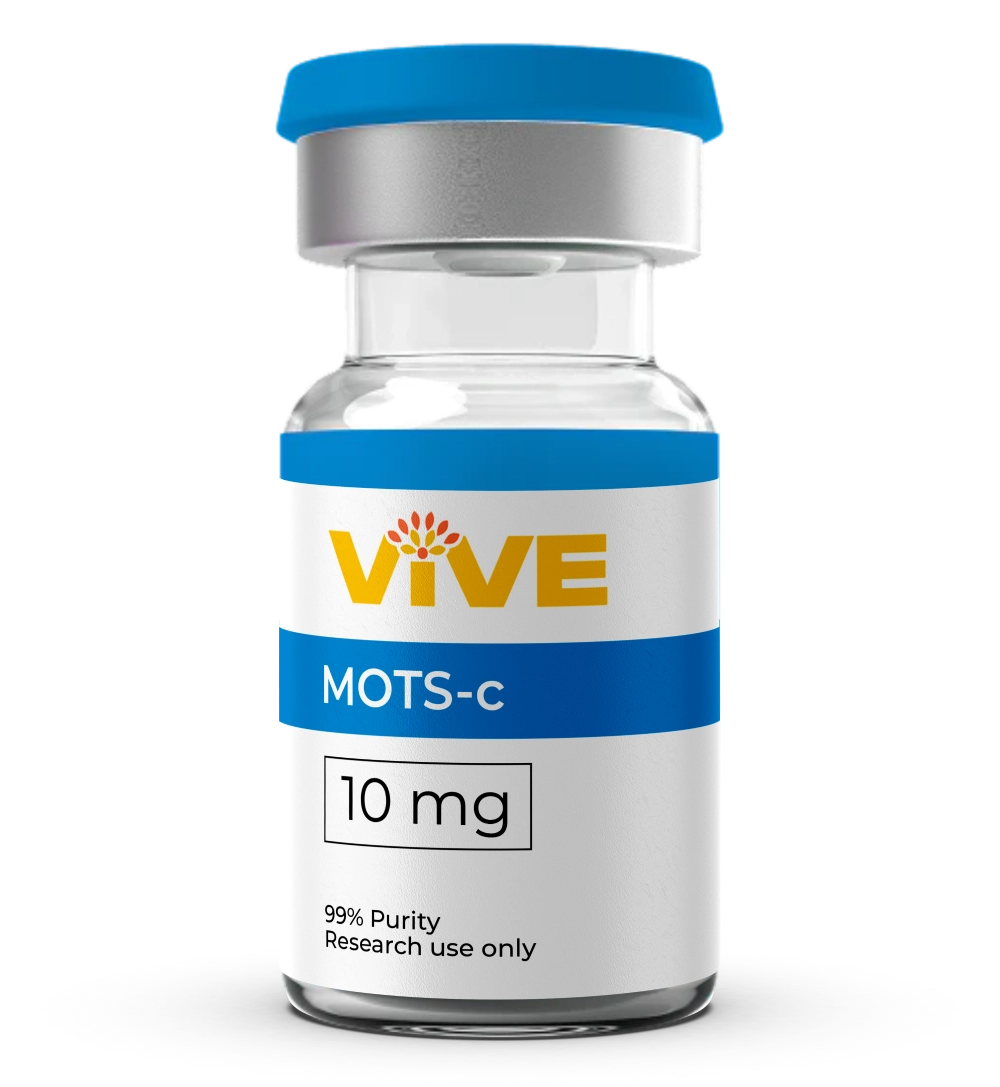
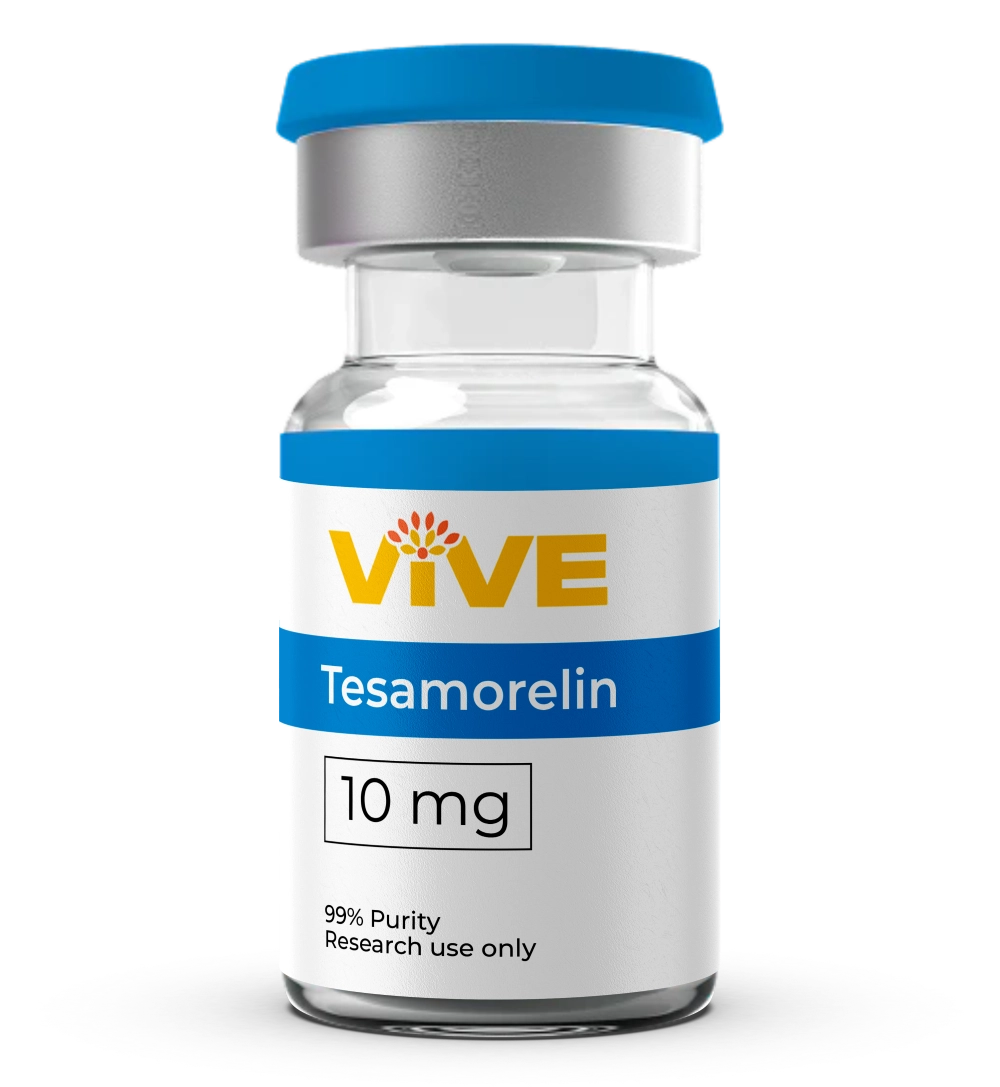
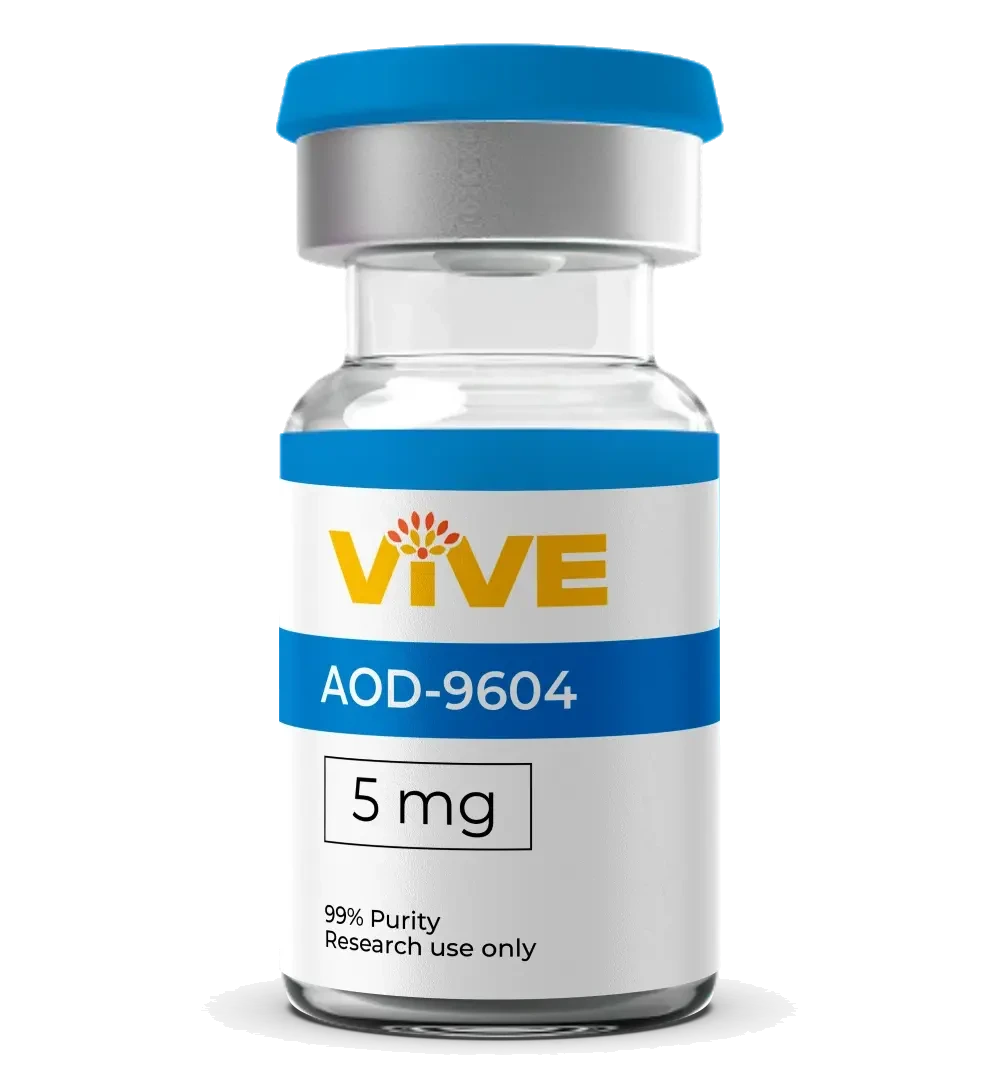
Peptides for Fat Burning are research compounds studied for their roles in metabolic regulation, lipid mobilization, and growth hormone axis signaling, spanning mitochondrial-derived peptides, growth hormone-releasing hormone analogs, and hGH fragment peptides such as MOTS-c, Tesamorelin, and AOD-9604, offered strictly for laboratory and in vitro research use.
Reviewed by the VivePeptides Research DeskLast reviewed
Research Overview
Fat Metabolism Research: A Multi-Mechanism Category
This collection encompasses peptides investigated for their involvement in energy metabolism, adipose tissue signaling, and growth hormone-mediated lipid mobilization. Fat metabolism research remains an active area of investigation because these pathways intersect mitochondrial bioenergetics, the somatotropic axis, and receptor-mediated lipolysis, each offering a distinct mechanistic entry point for preclinical study.
Three mechanism classes are represented here: MOTS-c, a mitochondrial-derived peptide studied for its role in metabolic homeostasis and cellular energy sensing; Tesamorelin, a growth hormone-releasing hormone (GHRH) analog studied for its stimulation of endogenous growth hormone secretion; and AOD-9604, a modified fragment of human growth hormone studied for its structure-specific relationship to lipid metabolism pathways without the full growth-promoting sequence. VivePeptides sources and documents each compound to research-grade purity standards, with batch-specific analytical data provided so investigators can verify identity and purity before designing experiments.
Three Distinct Mechanism Classes
This collection spans mitochondrial-derived peptide signaling, GHRH receptor agonism, and hGH fragment-based pathways, giving researchers mechanistically distinct tools for metabolic study designs.
Verified Purity and Documentation
Each compound ships with batch-specific analytical documentation so laboratories can confirm identity and purity prior to experimental use.
Choosing By Research Objective
Investigators typically select MOTS-c for mitochondrial and cellular energy models, Tesamorelin for growth hormone axis studies, and AOD-9604 for fragment-specific lipolysis research.
Compound Comparison
How these compounds compare
| Compound | Mechanism Class | Research Focus | Distinguishing Feature |
|---|---|---|---|
| MOTS-c | Mitochondrial-derived peptide | Cellular energy metabolism, mitochondrial signaling | Encoded within mitochondrial genome |
| Tesamorelin | GHRH analog | Growth hormone axis, pulsatile GH release | Stabilized GHRH receptor-binding structure |
| AOD-9604 | hGH fragment (176-191) | Lipolysis-associated fragment research | Lacks growth-promoting hGH domain |
Mechanism & Research Context
Mechanism Classes and What the Literature Shows
The mechanism classes represented in this collection are distinguished by where they intervene in metabolic signaling, ranging from intracellular mitochondrial pathways to receptor-mediated endocrine release. Preclinical literature has examined MOTS-c in models of mitochondrial dysfunction and metabolic stress, where it has been studied as a regulator of nuclear gene expression under energetic challenge.
Tesamorelin has been examined in the context of GHRH receptor binding and pulsatile growth hormone release, with research literature focused on downstream lipid mobilization associated with the growth hormone/IGF-1 axis. AOD-9604 research has centered on the C-terminal fragment of growth hormone, isolating lipolytic-associated structural regions from the growth-promoting domain.
Researchers selecting between these compounds typically weigh mechanism specificity, receptor targets, and whether a mitochondrial, endocrine, or fragment-based model best fits the experimental question. Study design considerations include vehicle selection, storage stability, and reconstitution protocols appropriate to each peptide's structure.
Research FAQ
Frequently asked questions
What is MOTS-c and how does it relate to fat metabolism research?
How does Tesamorelin differ mechanistically from AOD-9604?
What research models have examined peptides in this collection for fat metabolism?
Is AOD-9604 the same as human growth hormone?
How should researchers select between MOTS-c, Tesamorelin, and AOD-9604 for a study?
What purity and documentation standards apply to fat metabolism research peptides at VivePeptides?
Related Research Collections
Continue exploring
These products are sold strictly for laboratory and research use only and are not approved for human consumption, diagnosis, or therapeutic treatment. Not for human or veterinary use. These statements have not been evaluated by the Food and Drug Administration, and nothing on this page constitutes medical advice or a health claim.