
Research Collection
Peptides for Eczema
Peptides studied in preclinical models of skin inflammation, barrier integrity, and cutaneous immune signaling.
Peptides for Eczema are research compounds studied for skin barrier inflammation, dermatitis-relevant cutaneous immune signaling, and barrier integrity pathways in preclinical models. This category features a melanocortin-derived anti-inflammatory tripeptide, a copper-binding remodeling peptide, and a multi-compound tissue-repair blend. All compounds are supplied strictly for laboratory research use only.
Reviewed by the VivePeptides Research DeskLast reviewed
Research Catalog
Compounds in this collection
Research Overview
Peptides for Eczema and Skin Barrier Inflammation Research
This research category encompasses peptides investigated for their role in skin barrier dysfunction and dermatitis-associated inflammatory signaling, distinct from general skin-support or systemic inflammation research. Eczema and related dermatitis phenotypes involve disrupted barrier integrity, cytokine dysregulation, and immune cell infiltration into the epidermis and dermis, making this an active area of peptide-based mechanistic investigation. Three mechanism classes are represented on this page.
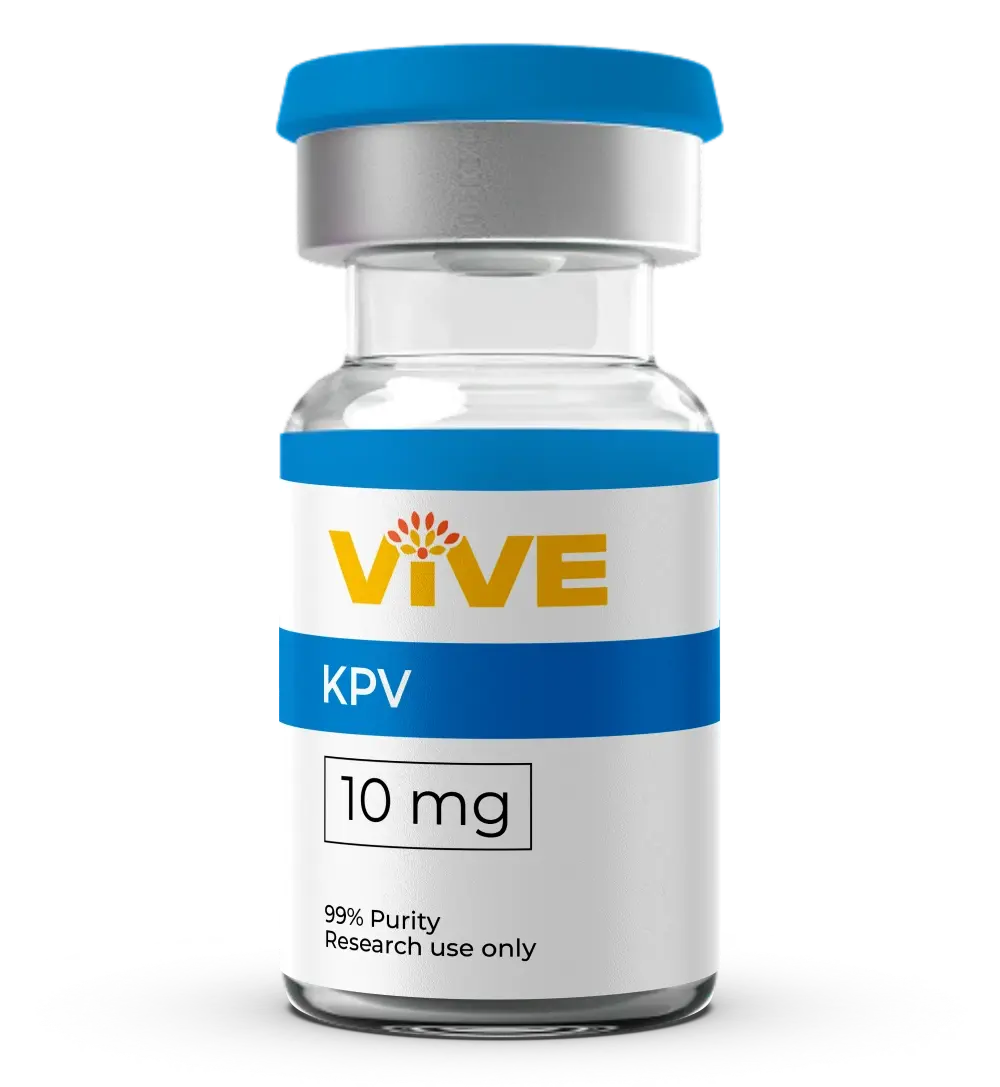
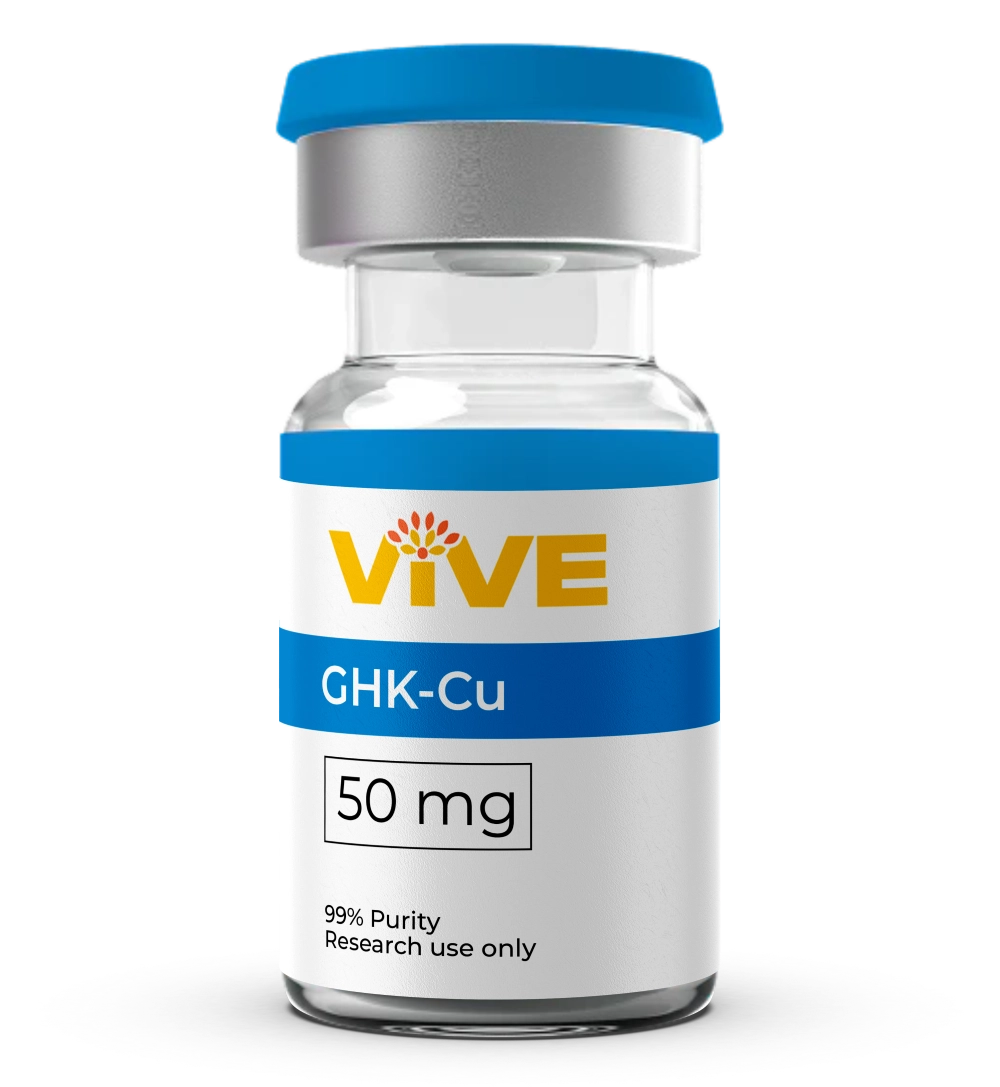
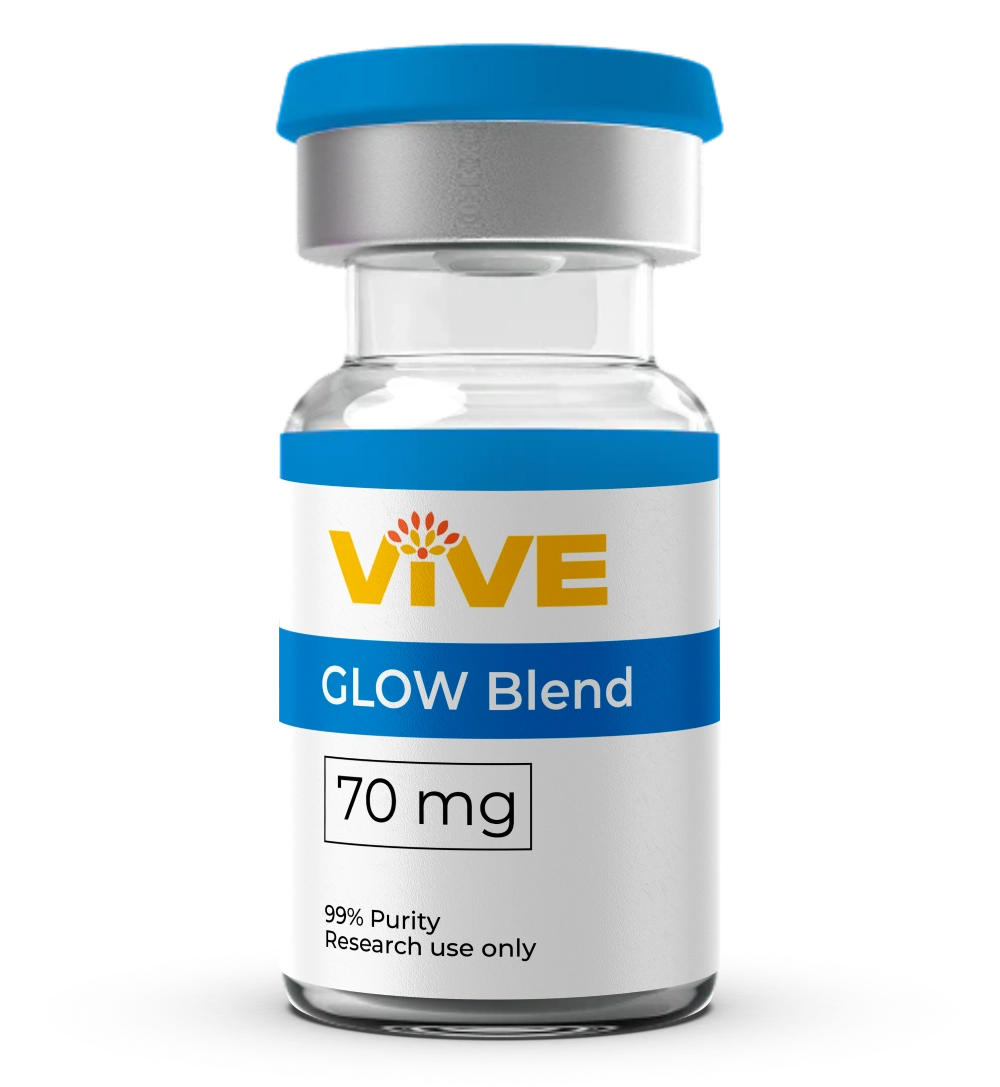
KPV, a tripeptide derived from the C-terminal sequence of alpha-melanocyte-stimulating hormone, is studied for anti-inflammatory signaling independent of classical melanocortin receptor activation, positioning it as the anchor compound for barrier-inflammation research. GHK-Cu, a copper-binding tripeptide, is examined for its role in dermal tissue remodeling relevant to barrier repair. Glow Blend combines BPC, TB, and GHK sequences to support multi-pathway tissue-repair research.
VivePeptides sources and documents each compound to standards intended to support reproducible, citation-ready laboratory research.
Two Distinct Mechanism Classes
KPV is studied for anti-inflammatory signaling independent of melanocortin receptor activation, while GHK-Cu and Glow Blend are examined for structural and reparative remodeling relevant to barrier recovery.
Verified Purity and Documentation
Each compound featured in this collection ships with third-party purity documentation, supporting reproducibility in dermatitis and barrier-integrity study designs.
Compound Selection by Study Endpoint
Researchers typically select KPV for inflammatory-signaling endpoints, GHK-Cu for remodeling endpoints, and Glow Blend when a protocol requires combined inflammatory and repair signaling.
Compound Comparison
How these compounds compare
| Compound | Mechanism Class | Research Focus | Distinguishing Feature |
|---|---|---|---|
| KPV | Melanocortin-derived anti-inflammatory tripeptide | Cutaneous immune signaling, dermatitis models | Acts independent of melanocortin receptor activation |
| GHK-Cu | Copper-binding remodeling tripeptide | Dermal matrix and collagen-related signaling | Copper-dependent structural repair activity |
| Glow Blend - BPC/TB/GHK | Combined tissue-repair and remodeling blend | Multi-pathway repair and migration signaling | Combines three sequences in one protocol |
Mechanism & Research Context
Mechanism Classes and Research Applications in Dermatitis Models
What distinguishes this collection is the separation between anti-inflammatory signaling mechanisms and structural or reparative remodeling mechanisms within skin barrier research. KPV has been examined in preclinical dermatitis models for its capacity to modulate NF-kB-linked inflammatory signaling in keratinocytes and immune cells, a pathway implicated in barrier-disrupting cytokine cascades.
GHK-Cu has been studied for copper-dependent effects on extracellular matrix signaling and collagen-related gene expression relevant to barrier structural recovery. Glow Blend research typically pairs BPC and TB sequences, examined for tissue-repair and cell-migration signaling, alongside GHK-Cu remodeling activity, allowing investigators to model combined inflammatory-and-repair endpoints in a single protocol.
Researchers selecting among these compounds generally weigh whether a study targets acute inflammatory signaling, structural barrier recovery, or a combined endpoint. Study design considerations include model selection (in vitro keratinocyte assays versus in vivo dermatitis induction), solvent and reconstitution protocols, and consistent handling to preserve peptide stability across the research timeline.
Research FAQ
Frequently asked questions
What are peptides for eczema research used for?
How does KPV differ from other anti-inflammatory research peptides?
What is the research focus of GHK-Cu in skin barrier studies?
What compounds make up Glow Blend and why are they combined?
How do researchers choose between KPV, GHK-Cu, and Glow Blend for a dermatitis study?
What quality standards apply to peptides in this collection?
Related Research Collections
Continue exploring
These products are sold strictly for laboratory and research use only and are not approved for human consumption, diagnosis, or therapeutic treatment. Not for human or veterinary use. These statements have not been evaluated by the Food and Drug Administration, and nothing on this page constitutes medical advice or a health claim.