
Research Collection
Peptides for Arthritis
Peptides investigated in preclinical models of inflammatory joint disease, synovial biology, and cartilage-preservation pathways.
Peptides for Arthritis are research compounds studied for their interactions with synovial inflammation and cytokine signaling pathways implicated in arthritic joint disease. This category spans anti-inflammatory pentadecapeptides, thymosin beta-4 derivatives, melanocortin-pathway tripeptides, and erythropoietin-derived innate repair receptor agonists. All compounds are supplied strictly for in vitro and in vivo laboratory research, not for human or animal use.
Reviewed by the VivePeptides Research DeskLast reviewed
Research Catalog
Compounds in this collection
Research Overview
Arthritis Peptide Research: Inflammation, Cytokines, and Cartilage Preservation
Peptides for Arthritis is a research category built around synovial inflammation, cytokine signaling, and cartilage-preservation models rather than structural connective tissue regeneration. It is an active area of preclinical investigation because arthritic joint disease involves overlapping inflammatory cascades, including NF-kB activation, pro-inflammatory cytokine release, and chondrocyte stress responses, that researchers can isolate using distinct peptide tool compounds.
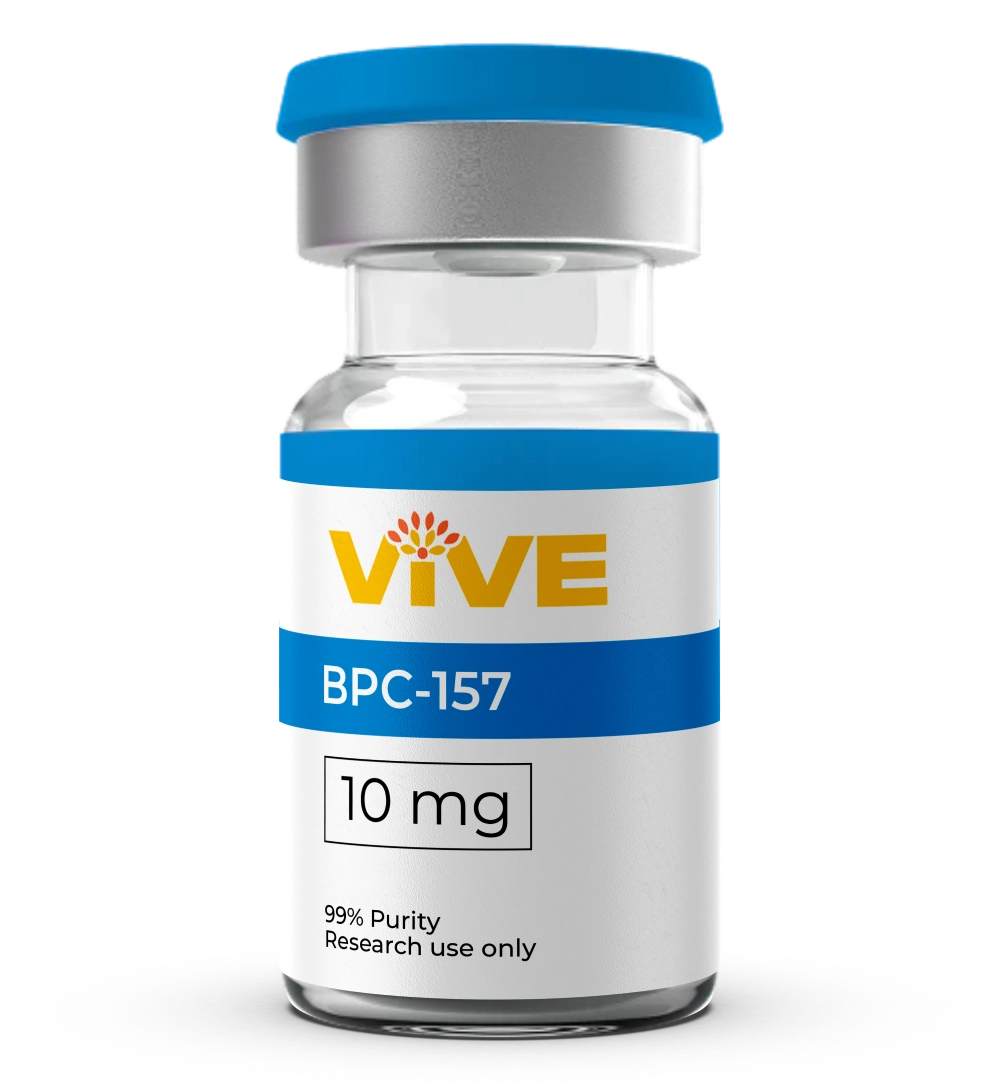
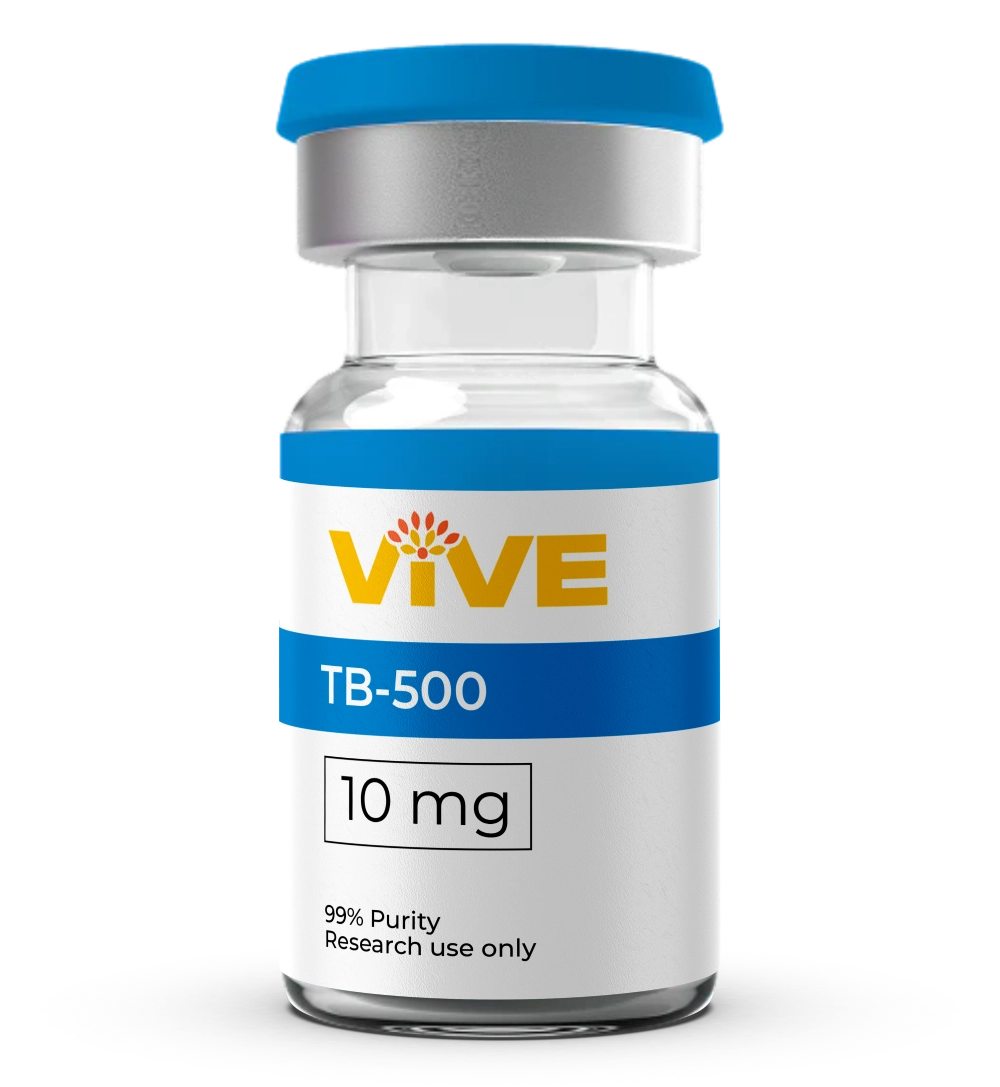
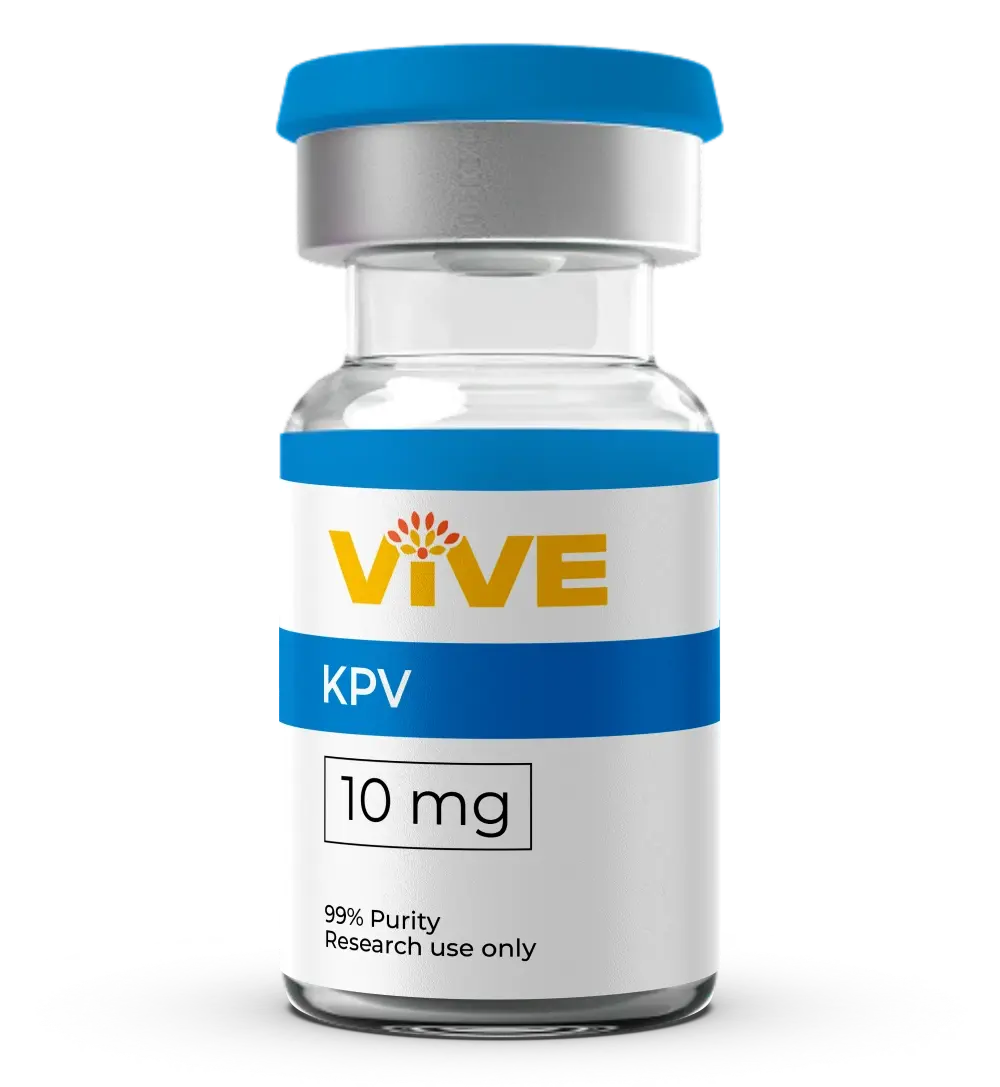
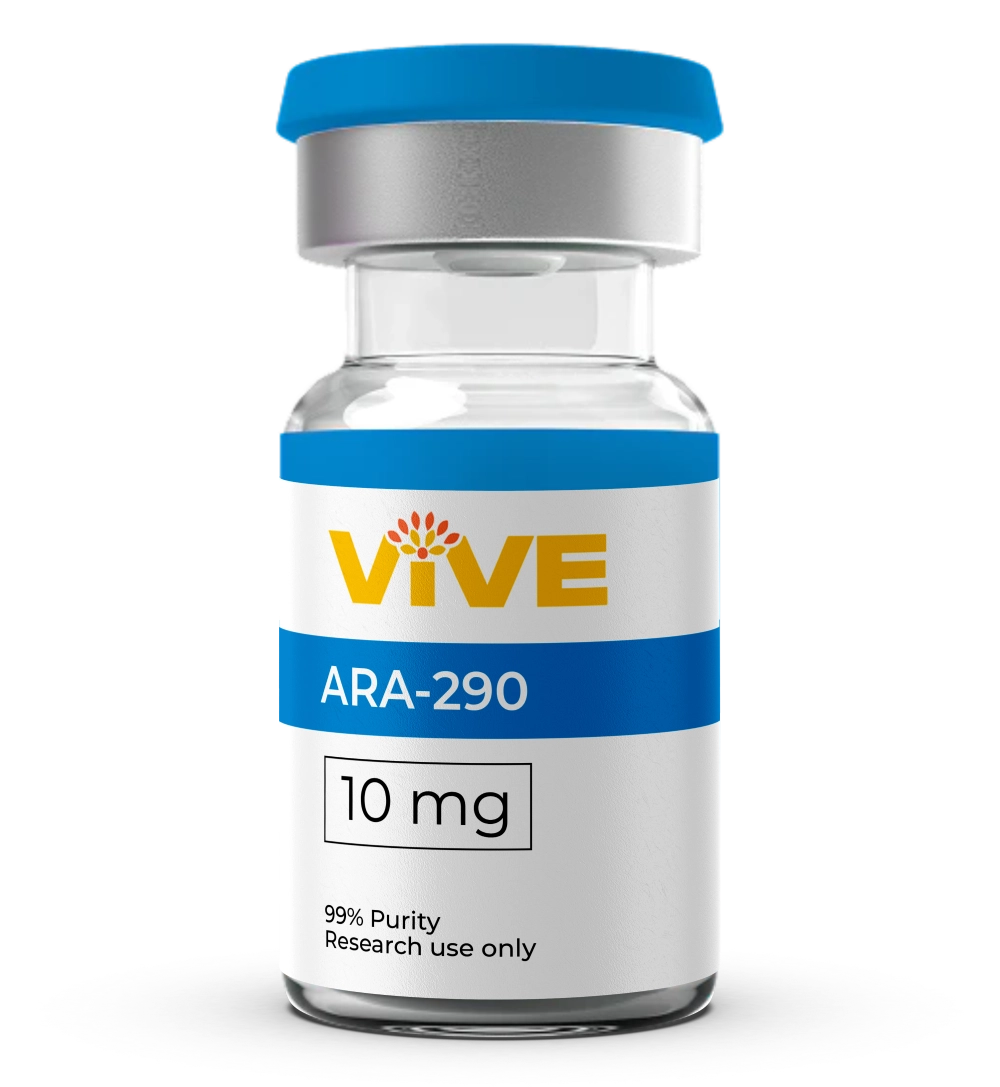
Four mechanism classes are represented here: BPC-157, a cytoprotective pentadecapeptide studied for anti-inflammatory and angiogenic signaling; TB-500, an actin-regulating thymosin beta-4 derivative studied for cell migration in inflamed tissue; KPV, a melanocortin-derived tripeptide studied for NF-kB pathway modulation; and ARA-290, an erythropoietin-derived peptide studied for innate repair receptor signaling and cytoprotection. VivePeptides sources each compound with third-party purity documentation and a certificate of analysis, positioning the catalog for researchers who require verifiable reagent quality in cytokine and inflammation studies.
Four Distinct Mechanism Classes
This collection spans a cytoprotective pentadecapeptide, a thymosin beta-4 derivative, a melanocortin-pathway tripeptide, and an erythropoietin-derived peptide. Each targets a different node in the inflammatory cascade underlying arthritis models.
Purity and Documentation Standards
Each compound ships with third-party purity testing and a certificate of analysis. Researchers can verify identity before designing cytokine or inflammation assays.
Selecting by Cytokine Pathway
Researchers typically choose among these compounds based on the inflammatory pathway under investigation, such as NF-kB signaling, actin-mediated cell migration, or innate repair receptor activity. Model design should match the compound to the specific pathway being studied.
Compound Comparison
How these compounds compare
| Compound | Mechanism Class | Research Focus | Distinguishing Feature |
|---|---|---|---|
| BPC-157 | Cytoprotective pentadecapeptide | Synovial inflammation, angiogenesis signaling | Stable in gastric fluid models |
| TB-500 | Thymosin beta-4 derivative (actin-binding) | Cell migration in inflamed tissue | Broad systemic distribution in vivo |
| KPV | Melanocortin-derived tripeptide | NF-kB cytokine pathway modulation | Smallest molecular weight in class |
| ARA-290 | Erythropoietin-derived innate repair receptor agonist | Cytoprotective signaling without hematopoiesis | Non-hematopoietic EPO structural analog |
Mechanism & Research Context
Mechanism Classes and Research Context in Joint Inflammation Models
What distinguishes this collection is the mechanistic diversity researchers can apply to a single disease process, arthritic inflammation. BPC-157 has been examined in models of gastric and soft-tissue injury for its influence on nitric oxide signaling and angiogenesis, properties researchers extend to synovial inflammation research.
TB-500 has been investigated for actin-binding activity that supports cell migration, a process relevant to inflamed synovium and periarticular tissue turnover. KPV, derived from the C-terminal tripeptide sequence of alpha-melanocyte-stimulating hormone, has been studied for suppressing NF-kB-mediated cytokine transcription in inflammatory cell models.
ARA-290 has been examined for activity at the innate repair receptor, a tissue-protective pathway distinct from the classical erythropoietin receptor, without hematopoietic effects. Researchers typically select among these compounds based on which cytokine pathway or cell type their model targets, and study design should account for each peptide's distinct half-life and solubility profile.
Research FAQ
Frequently asked questions
What are peptides for arthritis in the context of laboratory research?
How does this collection differ from peptides studied for structural joint tissue regeneration?
What mechanism distinguishes KPV from the other compounds in this category?
Why is ARA-290 included in an arthritis-focused peptide collection?
How do researchers decide between BPC-157 and TB-500 for arthritis-related models?
What quality documentation should researchers expect when sourcing these peptides?
Related Research Collections
Continue exploring
These products are sold strictly for laboratory and research use only and are not approved for human consumption, diagnosis, or therapeutic treatment. Not for human or veterinary use. These statements have not been evaluated by the Food and Drug Administration, and nothing on this page constitutes medical advice or a health claim.