Research Article
Buy Research Peptides: Payment Methods Explained

Card, crypto, or bank transfer: knowing your buy research peptides payment methods options before checkout prevents a declined charge or a stalled order. Most vendors route around traditional processors because of how card networks classify research chemicals, so you can browse the VivePeptides catalog and expect crypto and bank transfer to sit alongside any card option offered.
By Vive Team
Why Don't Most Research Peptide Companies Accept Credit Cards or PayPal?
Visa, Mastercard, and PayPal each maintain merchant category rules that restrict certain products, and research compounds sold for laboratory use often fall into a higher-risk bracket because of chargeback history across the broader industry, not because of anything specific to a given vendor. PayPal's acceptable use policy also lists chemicals as a restricted category in many regions, which is why a peptide vendor's PayPal account can be frozen even after months of normal activity. Banks that issue the underlying cards follow similar risk models, so a processor may approve a transaction one week and decline a nearly identical one the next.
This isn't unique to any single seller. Nearly every research peptide supplier in the United States deals with the same processor restrictions, which is why crypto and bank transfer have become the default rather than the exception for this product category. A vendor that only offers one payment rail is usually one processor relationship away from being unable to take orders at all, so most build in at least two independent payment paths.
Payment restrictions aren't a reflection of product quality. Every vial VivePeptides ships is intended for laboratory research use only, backed by third-party testing that includes HPLC and mass spectrometry analysis confirming purity for each compound in the catalog. Card networks apply the same risk category to every vendor selling peptides research materials regardless of testing rigor, which is exactly why researchers see the same processor restrictions industry-wide.
What Payment Methods Can You Use for a Research Peptide Order?
Understanding your buy research peptides payment methods options in advance saves a trip back to checkout. Depending on the vendor, the payment methods available for your order may include:
- Credit or debit card, through a specialty high-risk gateway
- Cryptocurrency, most commonly Bitcoin or a stablecoin like USDT
- Bank transfer, either ACH for domestic orders or wire for larger or international ones
- Afterpay or a similar buy-now-pay-later option, offered by a smaller number of vendors
Not every vendor offers every method, and availability can change without much notice if a processor relationship ends. Checking the payment options listed at checkout before you finalize a cart, rather than assuming a method from a past order, avoids a failed submission.
How Does Paying With a Credit or Debit Card Work When a Peptide Site Accepts It?
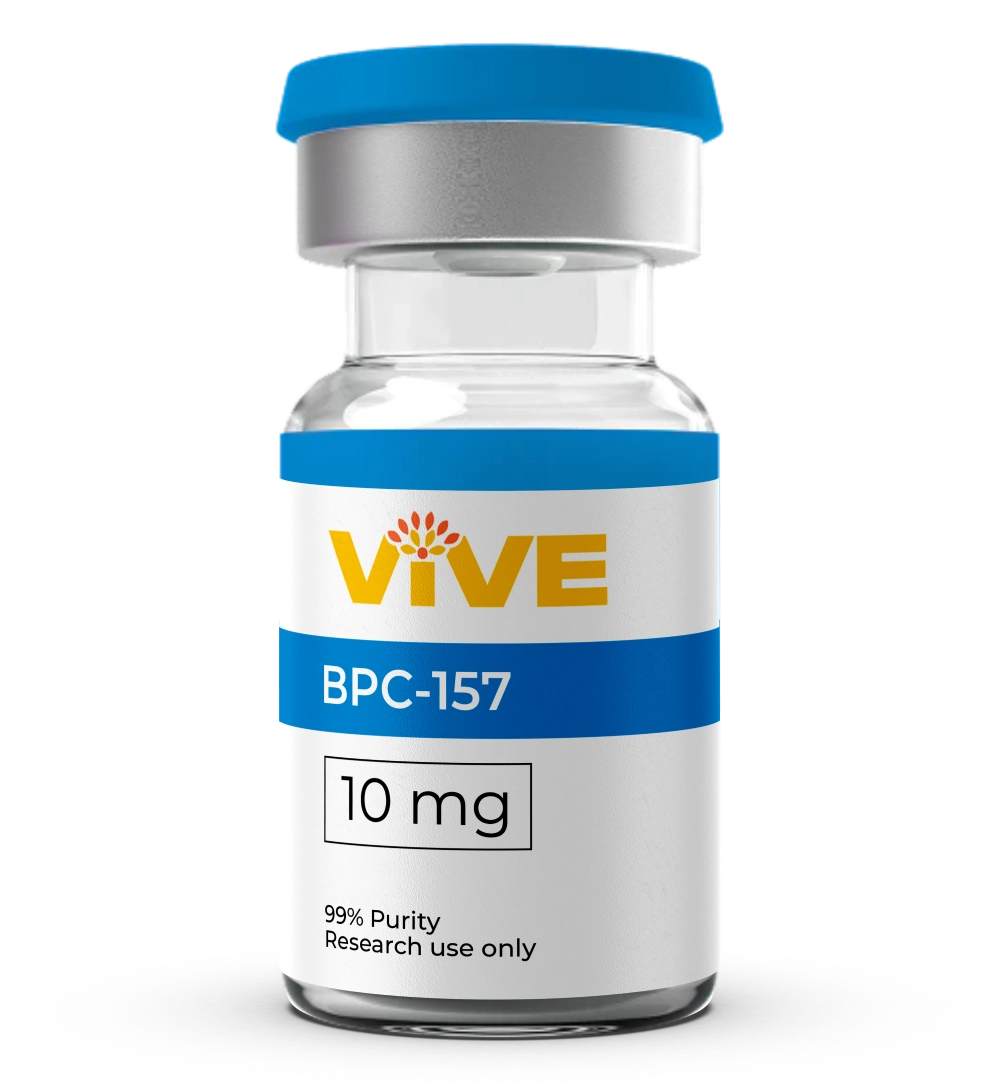
When a site does accept cards, the charge usually routes through a specialty payment gateway built for higher-risk merchant categories rather than a mainstream processor. Your card statement may show a generic descriptor instead of the vendor's name, which is standard practice for this processor type and not a sign of anything wrong with the order. A card issuer reviewing a cart that includes a BPC-157 peptide alongside other listed compounds may apply extra scrutiny, especially on a first-time order. Card payments also carry the highest decline rate of the group: an issuer can reject the charge based on its own risk scoring even when the vendor's gateway approves it, and a resubmission with a different card sometimes clears when the first does not.
How Do You Pay for Research Peptides With Cryptocurrency Like Bitcoin or USDT?
The vendor generates a wallet address for your order and displays the exact amount owed, usually with a short countdown tied to the current exchange rate. You send the payment from your own wallet or exchange account, and the order typically confirms once the transaction reaches a set number of network confirmations, which can take anywhere from a few minutes to over an hour depending on network congestion. Sending the precise amount to the exact address matters: crypto transactions cannot be reversed or corrected after they're broadcast, so double-checking the address before confirming is the one step worth slowing down for.
How Does a Bank Transfer (ACH or Wire) Work for Paying a Peptide Vendor?
ACH transfers move funds between US bank accounts for orders shipping within the United States and typically settle within one to three business days, while wire transfers move faster, often same-day, but usually carry a flat fee charged by your own bank rather than the vendor. Most vendors ask you to include an order number or reference code in the transfer memo, since bank transfers don't carry the same automatic order-matching that a card or crypto payment does. Skipping that reference is the single most common reason a bank transfer order takes longer to confirm than expected.

Buy Research Peptides Payment Methods: What Changes the Total Cost
Cryptocurrency generally carries the lowest built-in cost: the only fee is the network fee your wallet or exchange charges to broadcast the transaction, which is usually a small, fixed amount regardless of order size. ACH bank transfers sit close behind, since most banks process domestic ACH transfers for free or a small flat fee. Wire transfers cost more in most cases because banks charge a flat fee per wire that doesn't scale down for smaller orders, so a wire makes more sense for a larger cart, say one over $200.00, than a small one.
Card payments tend to sit at the higher end. Because specialty high-risk gateways charge the vendor a larger percentage per transaction than a standard retail processor would, some vendors add a card surcharge at checkout rather than folding that cost into every product's price. That surcharge is why the same cart can show a different total depending on which payment method you select, and it's worth comparing the final total across your available options before you submit an order, not just the subtotal.
Is It Safe to Pay for Research Peptides With Crypto or a Bank Transfer?
Both methods are standard, established ways to pay and are not inherently riskier than a card when used correctly. The safety questions are different for each. With crypto, the transaction itself is secured by the blockchain network, but the payment is irreversible, so the real risk sits in sending to the wrong address or using an unfamiliar exchange with weak account security. With a bank transfer, the transfer runs through the same encrypted rails as any other bank payment, so the risk sits in confirming you have the correct account details for a legitimate vendor before you send funds.
Crypto is also not anonymous, even though it can feel that way. Bitcoin and most other public blockchains record every transaction on a permanent, publicly viewable ledger; what crypto offers is pseudonymity, not anonymity, since a wallet address isn't tied to your name by the network itself. Exchanges that convert cash to crypto are generally required to verify identity before a purchase, which creates a traceable link between you and your wallet regardless of what happens on-chain afterward.
Frequently Asked Questions
Can you use PayPal or Venmo to buy research peptides? Generally, no. Both PayPal and Venmo restrict research chemicals and related products under their acceptable use policies, and a vendor found using either platform for peptide sales risks having the account frozen. Most research peptide sites list card, crypto, and bank transfer instead, since none of those three route through PayPal's network.
Do research peptide sites accept Apple Pay or Google Pay? Rarely, because both wallets sit on top of the same card networks and processors that already restrict this product category. A vendor whose card gateway blocks the underlying transaction can't offer Apple Pay or Google Pay as a workaround, since both still need an approved card processor behind them to function at checkout.
Is Afterpay available for research peptide orders? Some vendors offer Afterpay or a similar installment option, but availability varies more for this product category than for most retail goods, for the same processor restrictions that affect cards. Check the payment options shown at checkout for a specific order, since an installment offer available on one order isn't guaranteed to appear on the next.
What happens if a bank transfer for a peptide order fails or gets delayed? Most delays come down to a missing or incorrect reference number, an ACH transfer that hasn't cleared the standard one-to-three-day window yet, or a bank flagging the transfer for manual review. Contacting the vendor with your transfer confirmation and reference number is the fastest way to resolve it. A transfer that fails outright is typically returned to your account within a few business days.
How do I know which payment method to choose for my order? It depends on what you're ordering and what you already have set up. Crypto usually offers the lowest fee if you already hold Bitcoin or a stablecoin; ACH is a low-cost option for a US-based order with no setup; a card is fastest if the vendor accepts one and you don't mind a possible surcharge. Larger or international orders often favor wire transfer despite the higher flat fee.
Get Your Payment Questions Answered Before You Order
If you're unsure which payment method fits your specific order, VivePeptides support can confirm what's currently available before you check out. Explore the research-grade peptide catalog and confirm accepted payment options for your cart before submitting it.
Research Use Only
All information in this article is intended for educational and research purposes only. VivePeptides products are not intended for human or veterinary use.