
Research Collection
Peptides for Women
A research selection of peptides studied across dermal, metabolic, and cellular-energy pathways often of interest in female-focused research.
Peptides for Women are research compounds studied for dermal remodeling, tissue repair signaling, and cellular metabolism pathways relevant to female-specific preclinical research models. The category spans copper peptide complexes, regenerative blends, neuromodulatory octapeptides, and coenzyme molecules such as NAD+. VivePeptides supplies these compounds strictly for laboratory research use, not for human or animal administration.
Reviewed by the VivePeptides Research DeskLast reviewed
Research Catalog
Compounds in this collection
Research Overview
What the Peptides for Women Research Category Covers
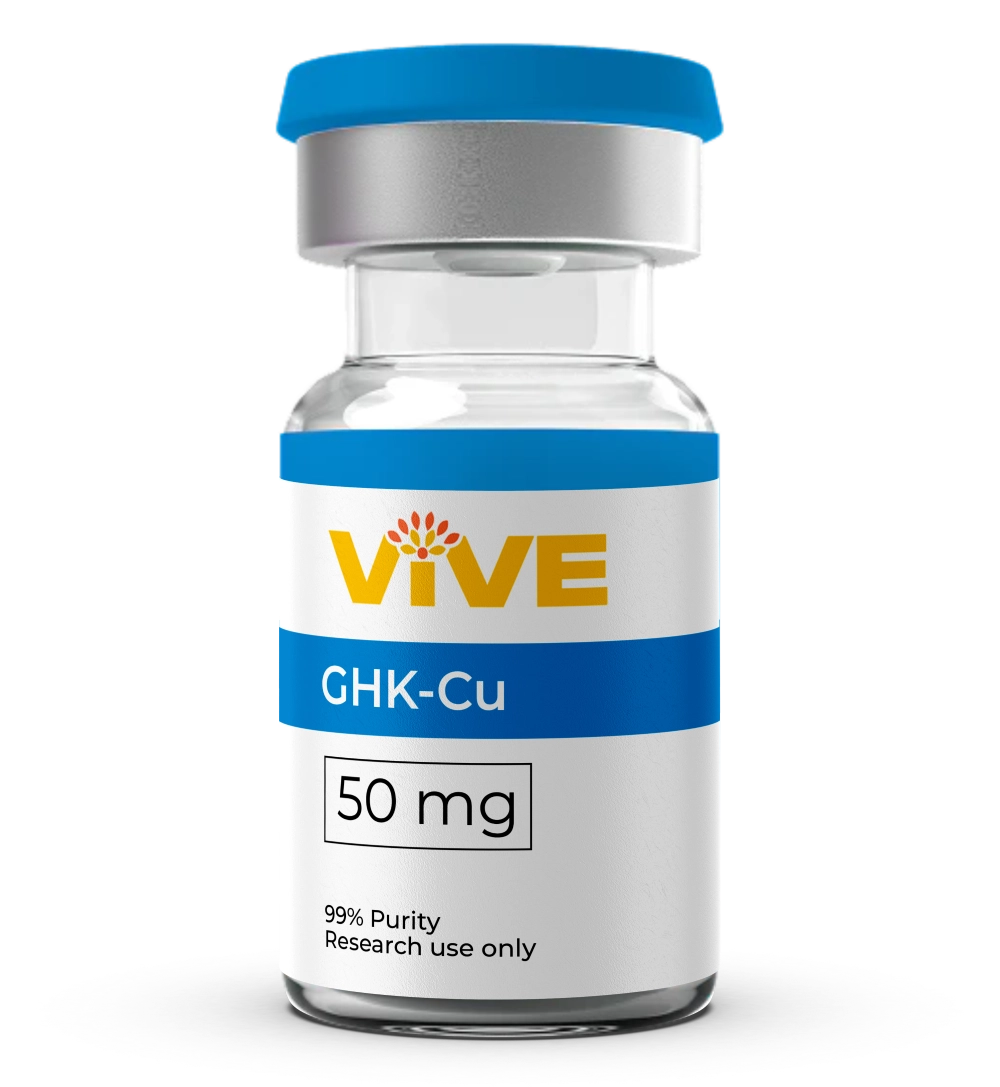
This collection groups four compounds frequently referenced in research literature addressing dermal aging, tissue remodeling, and cellular energy metabolism, a focus of ongoing investigation in research employing female-specific model systems. Investigators studying skin matrix turnover, connective tissue signaling, and mitochondrial function often examine these mechanism classes in parallel because they intersect at the level of cellular repair capacity. GHK-Cu, a copper-binding tripeptide complex, is examined for its role in collagen and matrix metalloproteinase signaling.
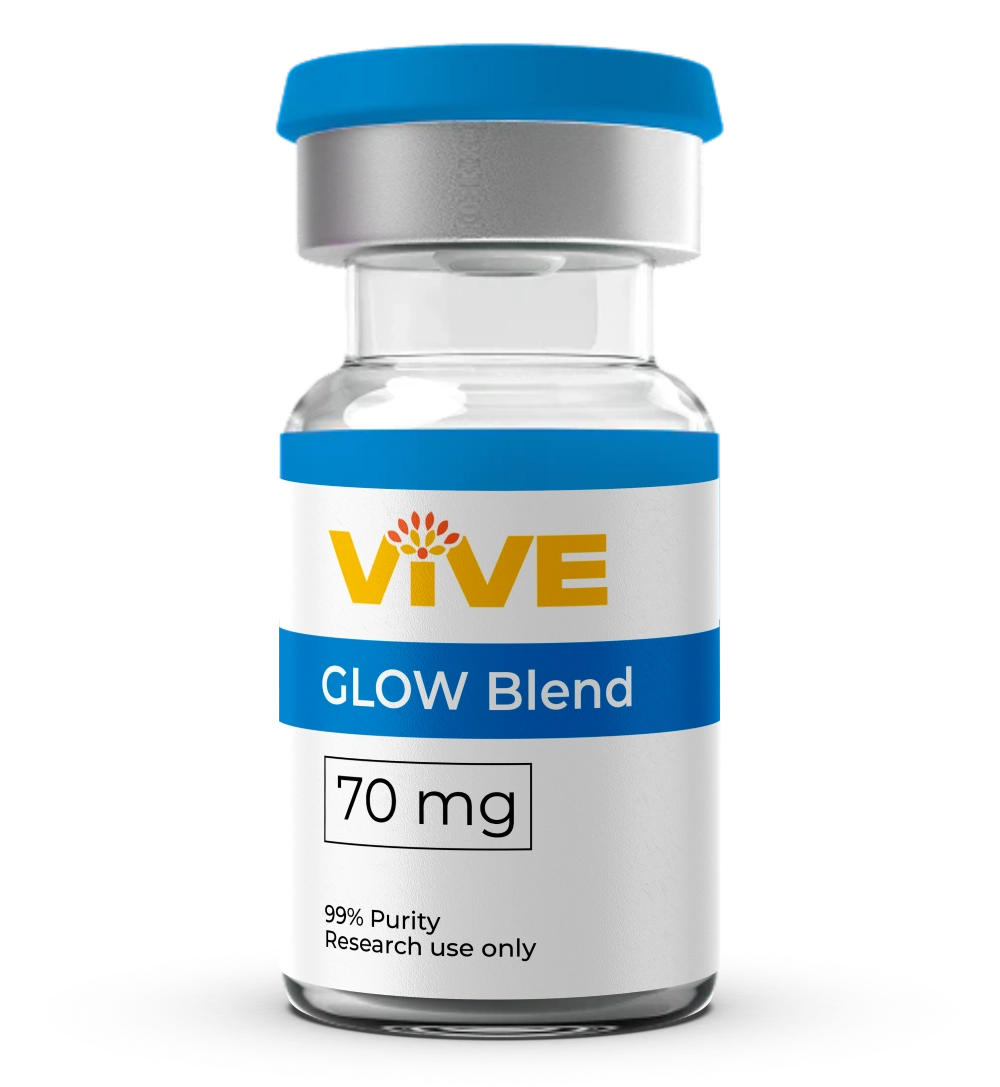
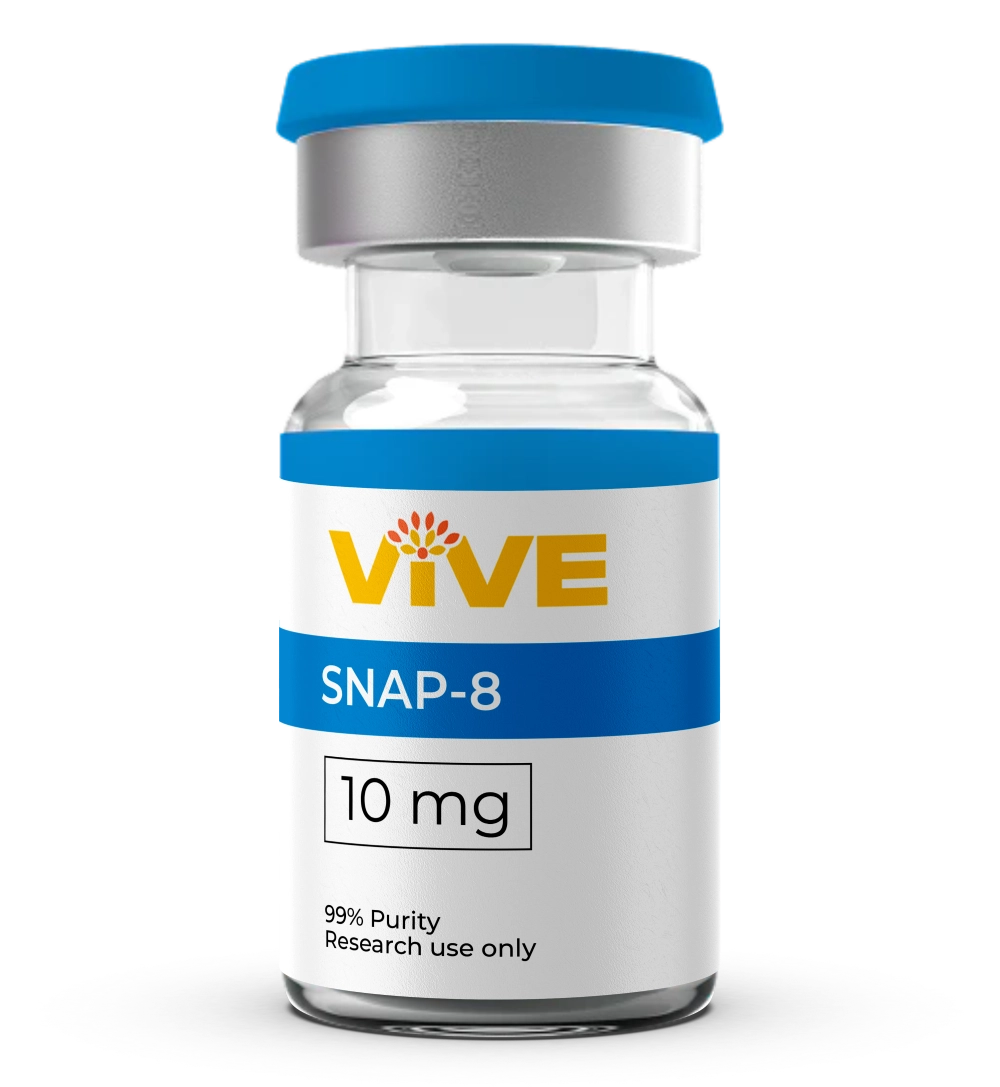
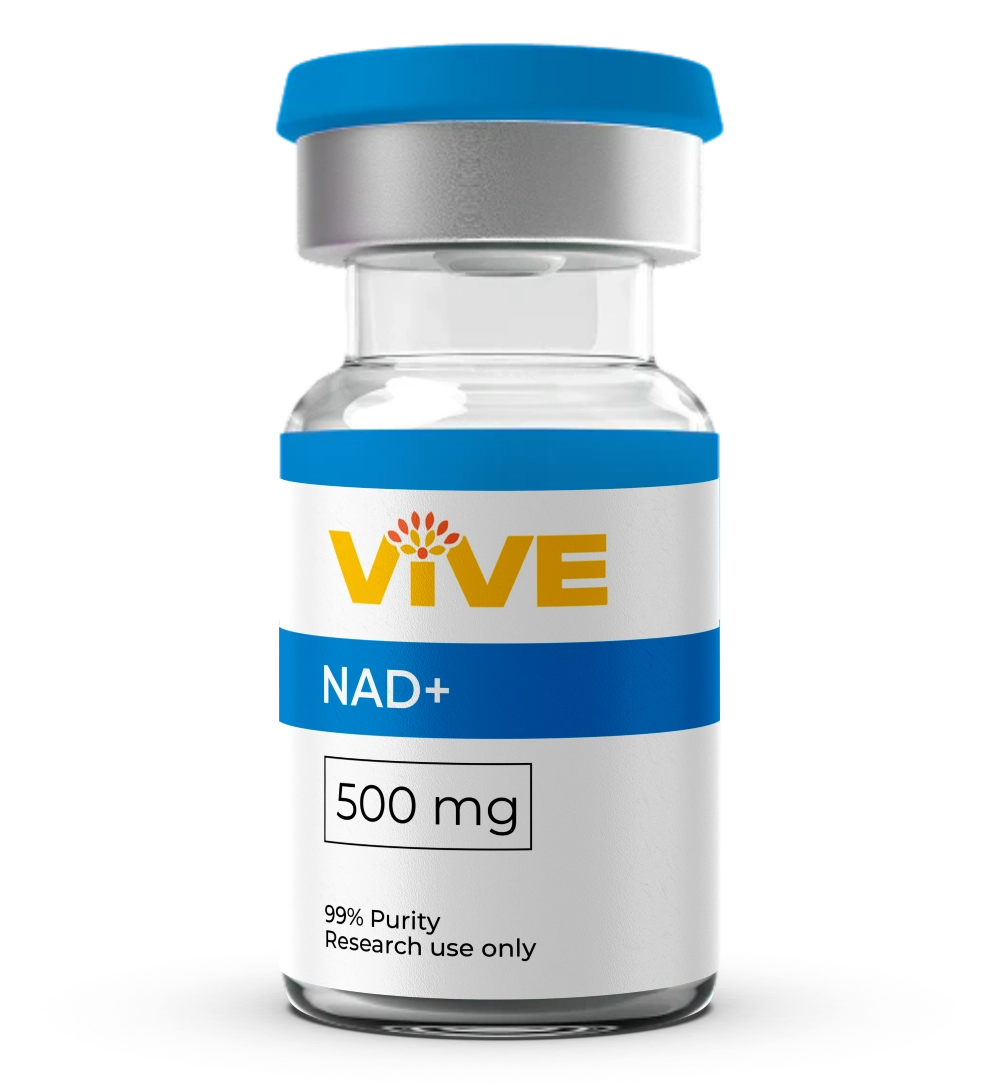
The Glow Blend combines BPC/TB/GHK mechanism pathways, pairing tissue-repair peptide fragments with copper-peptide complex activity for comparative research designs. SNAP-8, a synthetic octapeptide, is studied for its interference with SNARE-mediated neurotransmitter release relevant to muscle-contraction models. NAD+ is examined as a coenzyme substrate central to sirtuin activation and mitochondrial bioenergetics research.
VivePeptides sources each compound with third-party purity documentation to support reproducible laboratory research.
Four Distinct Mechanism Classes
The collection spans a copper-peptide complex, a multi-fragment blend, a synthetic octapeptide, and a coenzyme substrate, giving researchers a mechanistically diverse comparison set. Each compound is documented separately so investigators can isolate variables across study designs.
Verified Purity and Documentation
Each compound ships with third-party certificate of analysis documentation confirming identity and purity for laboratory use. VivePeptides maintains batch-level records to support reproducibility in published and unpublished research.
Reconstitution and Storage Stability
GHK-Cu, SNAP-8, and NAD+ each present distinct solubility and stability profiles that affect reconstitution procedure design and cold-chain storage requirements. Researchers account for these variables when structuring multi-compound comparative studies.
Compound Comparison
How these compounds compare
| Compound | Mechanism Class | Research Focus | Distinguishing Feature |
|---|---|---|---|
| GHK-Cu | Copper-peptide complex | Collagen and matrix remodeling signaling | Binds copper ions, dermal focus |
| Glow Blend - BPC/TB/GHK | Multi-fragment repair blend | Tissue repair and angiogenesis signaling | Combines three mechanism pathways |
| SNAP-8 | Synthetic neuromodulatory octapeptide | SNARE-mediated neurotransmitter release inhibition | Non-toxin mechanism, dermal contraction models |
| NAD+ | Coenzyme substrate | Mitochondrial bioenergetics and sirtuin activation | Electron carrier in oxidative phosphorylation |
Mechanism & Research Context
Mechanism Classes and Research Selection Criteria
What distinguishes this collection is the range of mechanism classes represented, from metal-peptide complexes to coenzyme substrates, rather than a single shared pathway. Preclinical literature has examined GHK-Cu for its affinity to copper ions and downstream effects on fibroblast gene expression and extracellular matrix turnover in dermal tissue models.
BPC and TB fragments within the Glow Blend have been investigated separately for angiogenesis-related signaling and actin cytoskeleton regulation in wound-healing and gastric tissue models, giving researchers a basis for comparative study design. SNAP-8 research has focused on its inhibition of SNARE complex assembly, a mechanism distinct from botulinum-derived approaches, in models of neuromuscular signaling.
NAD+ investigations concentrate on its role as an electron carrier in oxidative phosphorylation and as a substrate for sirtuin and PARP enzyme activity. Researchers selecting among these compounds typically weigh mechanism class, solubility, and reconstitution stability when planning experimental design and storage conditions.
Research FAQ
Frequently asked questions
What does "Peptides for Women" mean as a research category?
How does GHK-Cu differ mechanistically from the Glow Blend?
What has preclinical literature examined regarding SNAP-8?
Why is NAD+ included in a peptide research collection?
How should researchers select between these four compounds for a study?
What purity and handling standards apply to these compounds?
Related Research Collections
Continue exploring
These products are sold strictly for laboratory and research use only and are not approved for human consumption, diagnosis, or therapeutic treatment. Not for human or veterinary use. These statements have not been evaluated by the Food and Drug Administration, and nothing on this page constitutes medical advice or a health claim.