
Research Collection
Peptides for Weight Loss
A research collection of peptides investigated for their roles in appetite signaling, energy balance, and adipose metabolism.
Peptides for Weight Loss are research compounds studied for their roles in metabolic regulation, energy expenditure, and lipid mobilization in preclinical models. This category spans GLP-1 receptor agonist class compounds, mitochondrial-derived signaling peptides, growth hormone releasing hormone analogs, and lipolytic fragment peptides. All compounds are supplied strictly for laboratory research use, not for human or animal administration.
Reviewed by the VivePeptides Research DeskLast reviewed
Research Catalog
Compounds in this collection
Research Overview
Weight Loss Peptides: A Multi-Pathway Research Category
This research category encompasses peptide compounds investigated for mechanisms tied to appetite signaling, energy metabolism, and adipose tissue regulation. It remains an active area of investigation because energy balance and metabolic regulation are studied across multiple independent pathways, from incretin receptor signaling to mitochondrial bioenergetics to growth hormone axis modulation. Four mechanism classes are represented on this page.
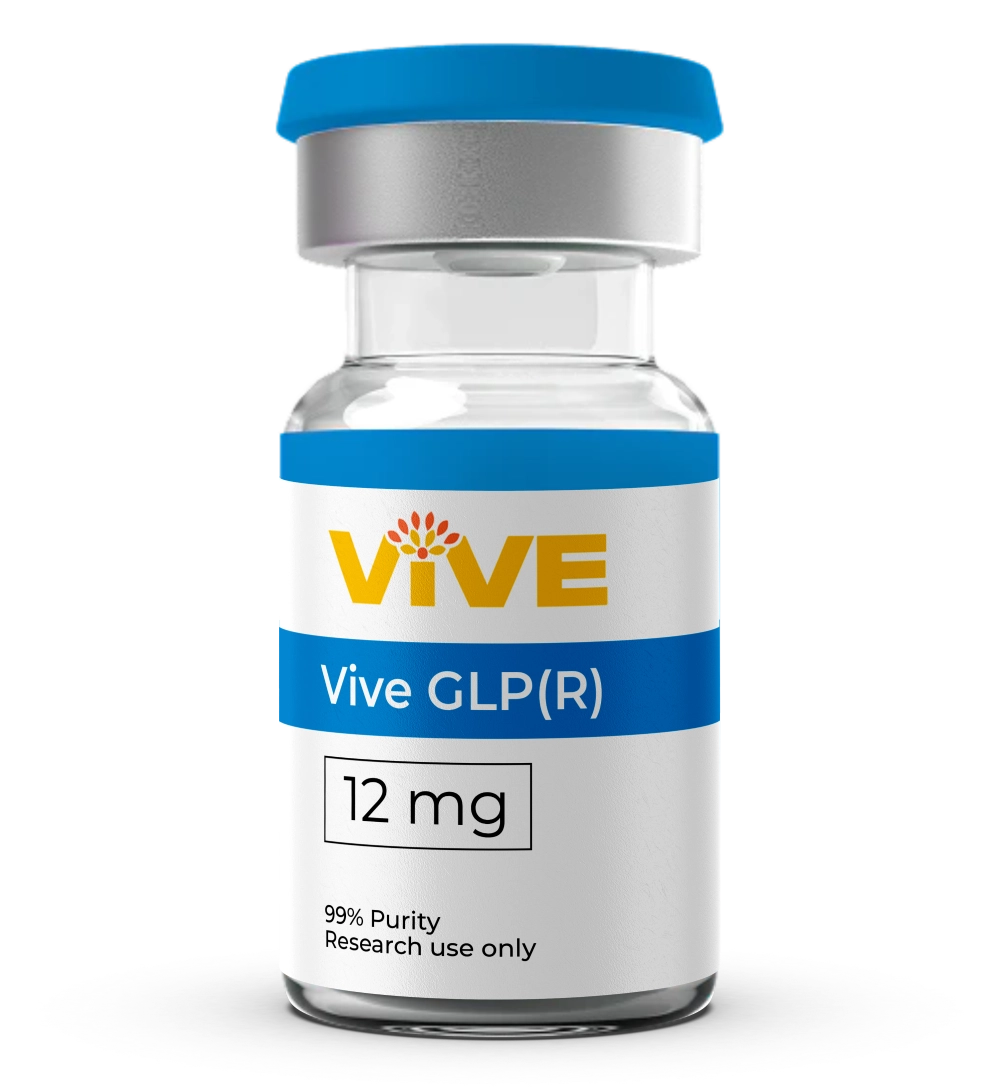
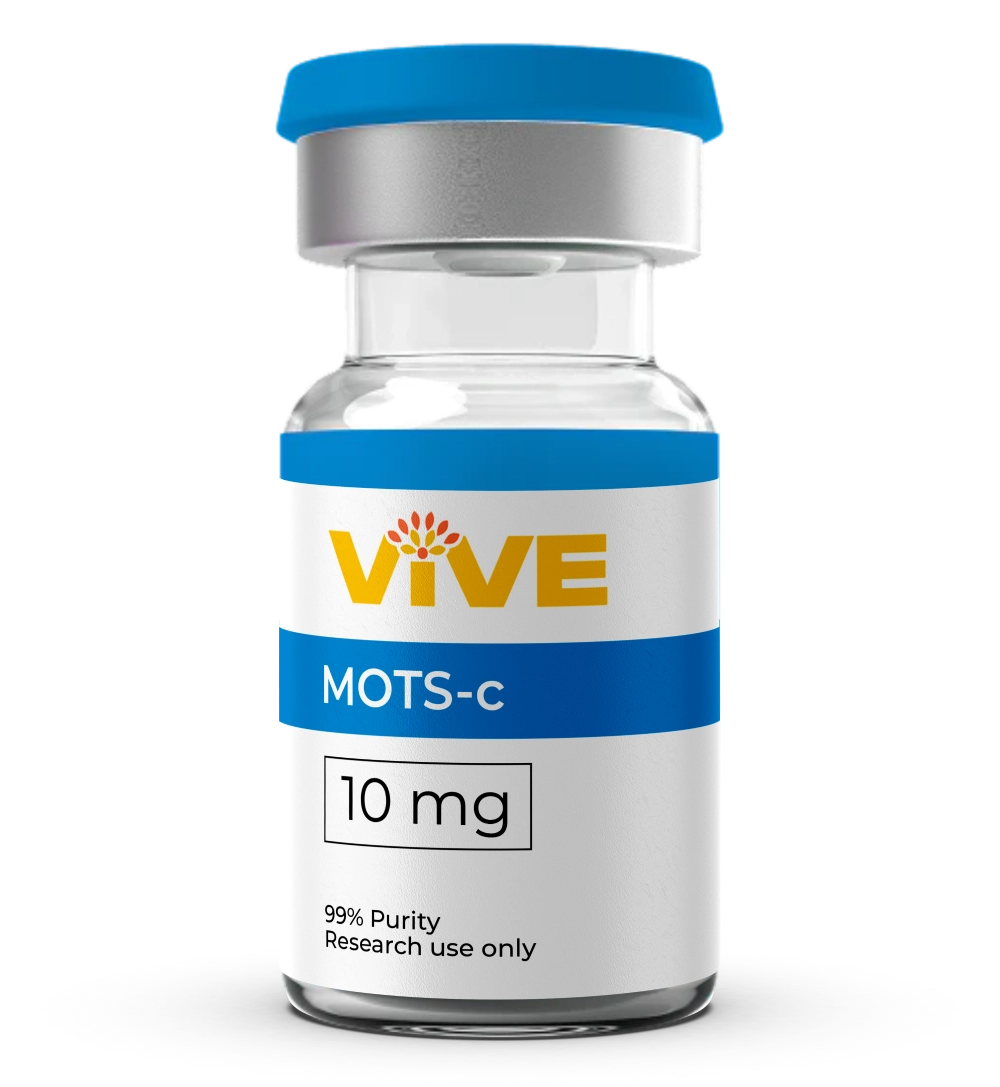
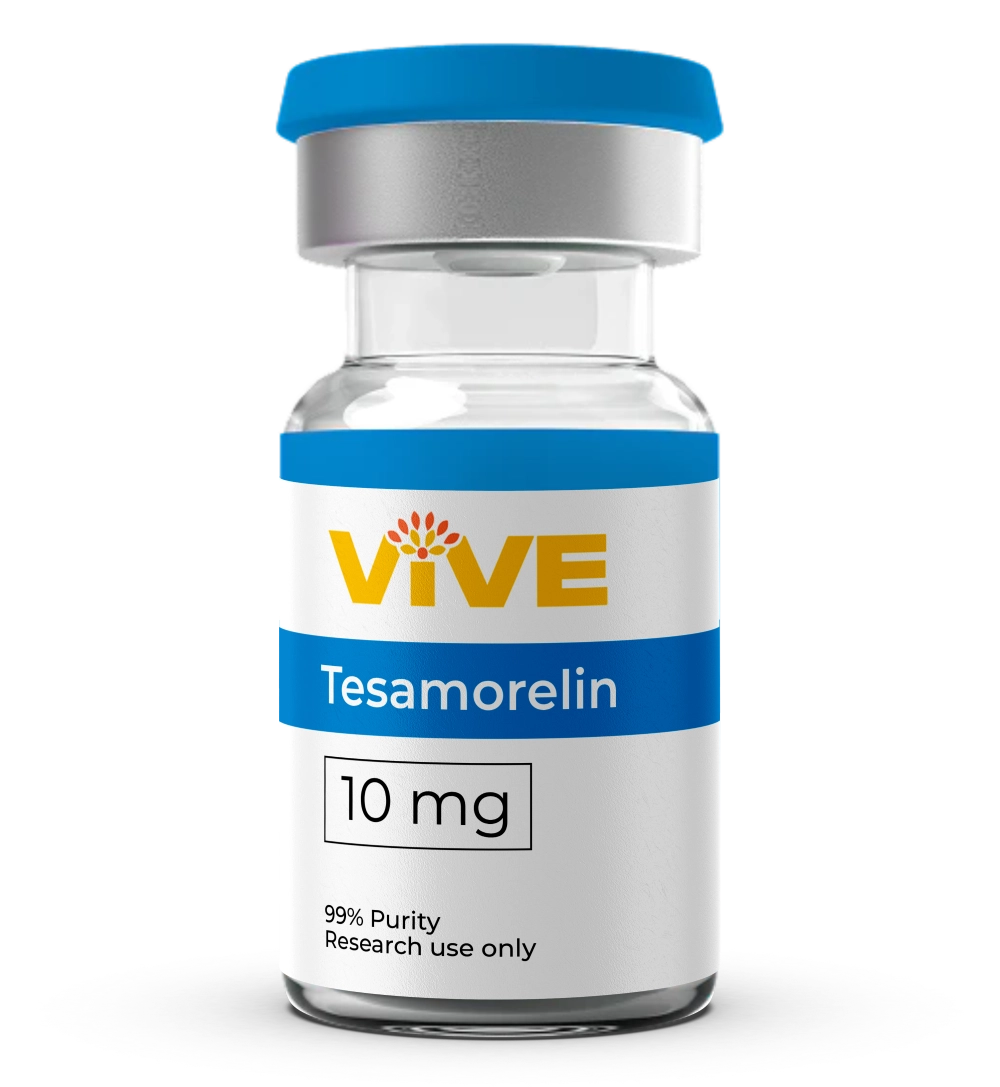
Vive GLP(R) falls within the GLP-1 receptor agonist class, examined for receptor-mediated signaling relevant to glucose and appetite regulation models. MOTS-c is a mitochondrial-derived peptide studied for its role in cellular energy sensing and metabolic homeostasis. Tesamorelin belongs to the growth hormone releasing hormone analog class, investigated in models of visceral fat accumulation.
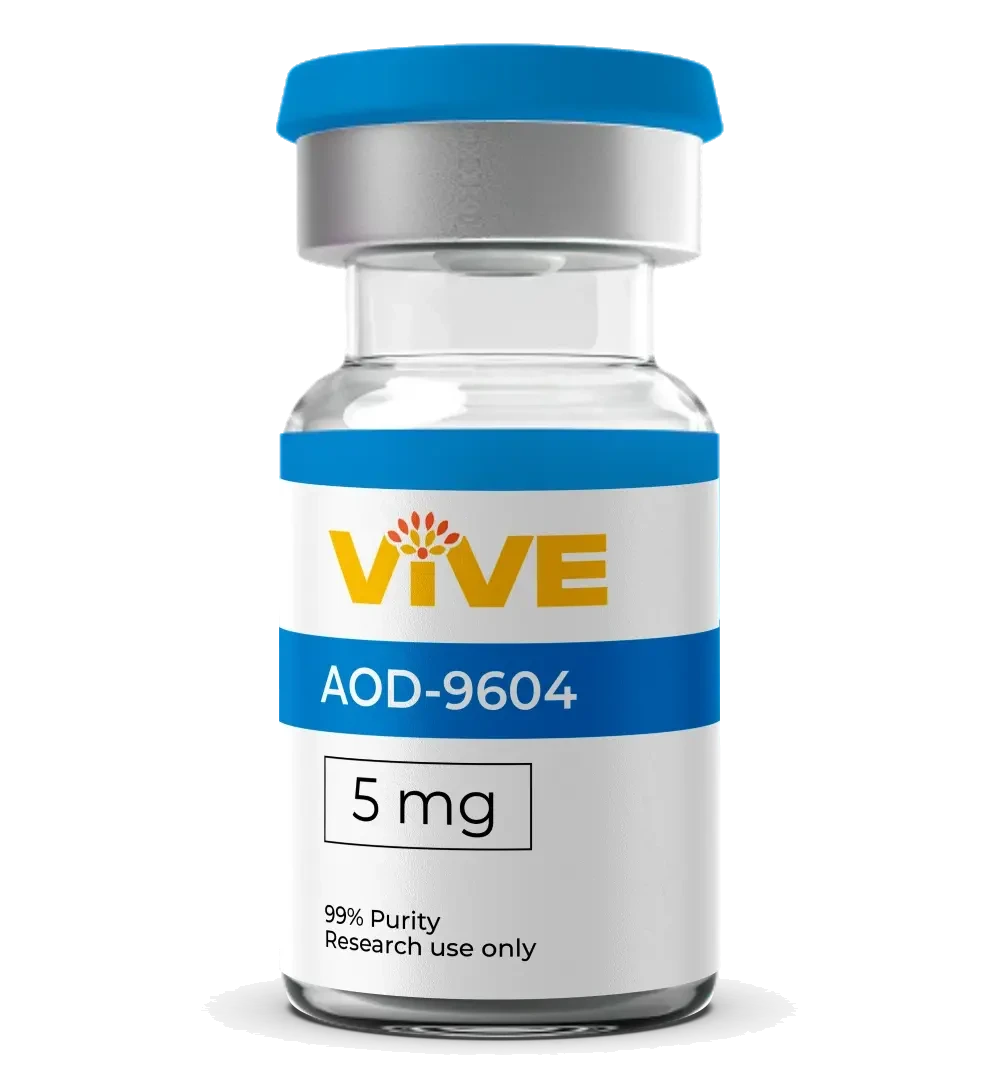
AOD-9604 is a lipolytic fragment peptide derived from a specific region of the growth hormone sequence, studied for isolated effects on fat metabolism pathways. VivePeptides sources each compound with third-party purity verification and documentation for laboratory accountability.
Four Distinct Mechanism Classes
This collection spans receptor agonism, mitochondrial signaling, hormonal axis modulation, and lipolytic fragment activity. Each class offers researchers a different point of entry into energy metabolism study designs.
Verified Purity and Documentation
Each compound ships with third-party certificate of analysis documentation confirming identity and purity. This supports reproducibility requirements across laboratory research protocols.
Selecting a Compound by Mechanism
Researchers typically choose between compounds based on the specific pathway under investigation, such as receptor signaling versus mitochondrial bioenergetics. Model system and study endpoint often determine which mechanism class is most appropriate.
Compound Comparison
How these compounds compare
| Compound | Mechanism Class | Research Focus | Distinguishing Feature |
|---|---|---|---|
| Vive GLP(R) | GLP-1 receptor agonist class | Receptor-mediated appetite and glucose signaling | Incretin receptor pathway specificity |
| MOTS-c | Mitochondrial-derived signaling peptide | AMPK activation and cellular energy sensing | Encoded within mitochondrial genome |
| Tesamorelin | GHRH analog class | Growth hormone axis stimulation in visceral fat models | Acts upstream of growth hormone release |
| AOD-9604 | Lipolytic growth hormone fragment | Isolated fat metabolism pathway effects | Fragment lacks growth-promoting hGH regions |
Mechanism & Research Context
Mechanism Class Comparison and Research Design Considerations
What distinguishes the mechanism classes in this collection is the point of intervention within energy metabolism, ranging from receptor-level signaling to intracellular bioenergetic pathways to hormonal axis modulation. Preclinical literature has examined GLP-1 receptor agonist class compounds for downstream effects on glucose handling and appetite-related signaling in rodent models. MOTS-c research has focused on AMPK pathway activation and mitochondrial function under metabolic stress conditions.
Tesamorelin studies within the GHRH analog class have concentrated on growth hormone axis stimulation and its downstream relationship to visceral adipose tissue in preclinical models. AOD-9604 research has isolated the lipolytic region of the growth hormone molecule to examine fat metabolism effects independent of growth-promoting activity. Researchers selecting between these weight loss peptides typically consider mechanism specificity, receptor versus enzymatic pathway involvement, and the model system under study.
Study design considerations include reconstitution stability, storage temperature, and consistent handling protocols across replicate experiments.
Research FAQ
Frequently asked questions
What are peptides for weight loss used for in research?
What is the difference between Vive GLP(R) and Tesamorelin?
How does MOTS-c differ mechanistically from AOD-9604?
What purity standards apply to peptides in this collection?
How are these peptides stored for research use?
What are considered the best peptides for weight loss research within this collection?
Related Research Collections
Continue exploring
These products are sold strictly for laboratory and research use only and are not approved for human consumption, diagnosis, or therapeutic treatment. Not for human or veterinary use. These statements have not been evaluated by the Food and Drug Administration, and nothing on this page constitutes medical advice or a health claim.