Research Article
Peptide Research Lab Setup: Equipment Guide
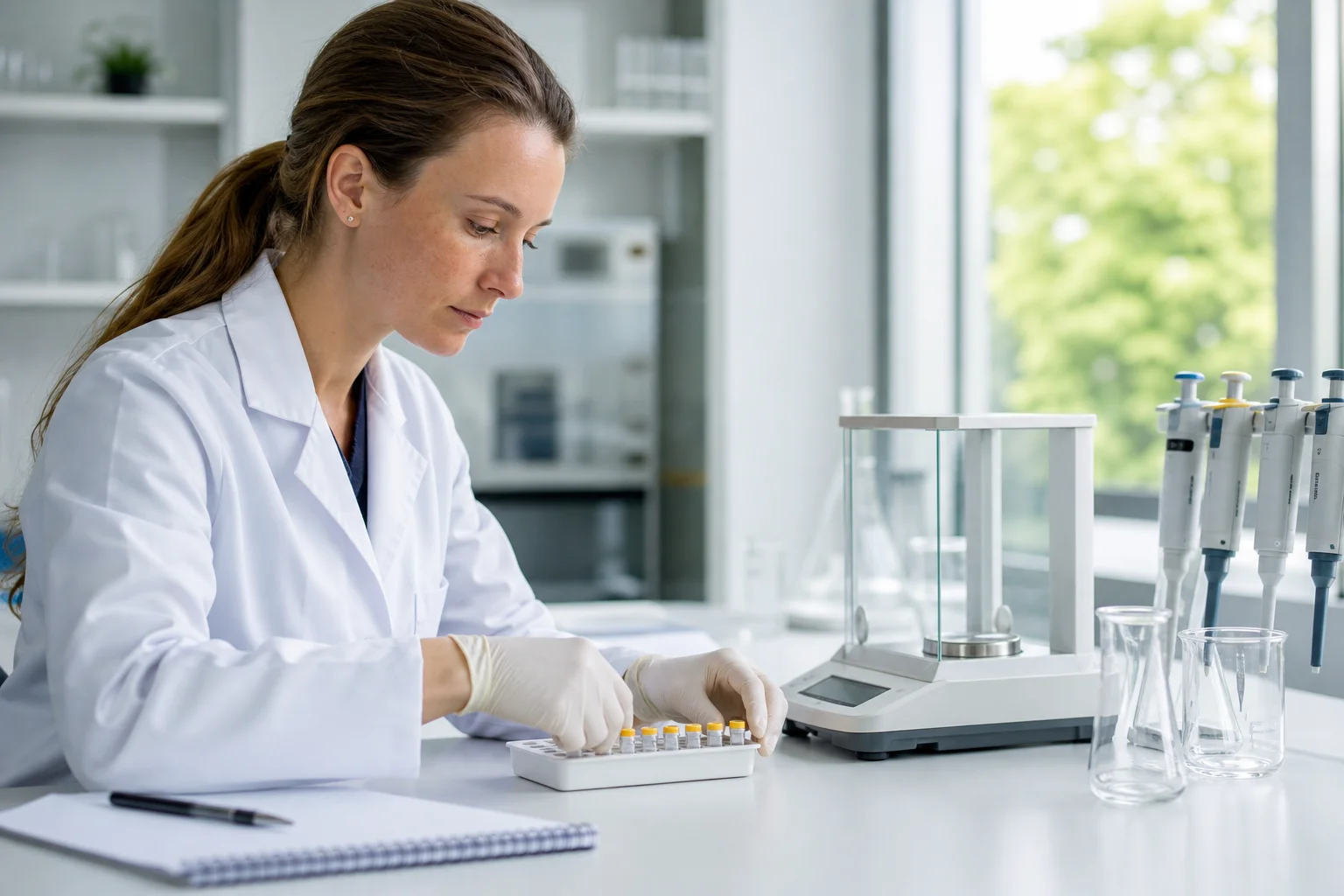
A peptide research lab setup does not require a full pharmaceutical facility, but it does require the right combination of storage, reconstitution, and measurement equipment before any protocol can begin. Researchers sourcing compounds from the full peptide library need a workspace built around precision, sterility, and consistent temperature control from the first day. Getting these fundamentals right early saves time later, since retrofitting a workspace mid-study almost always introduces a variable that complicates comparisons between early and late results.
By Vive Team
What Equipment Do You Need for a Peptide Research Lab Setup?
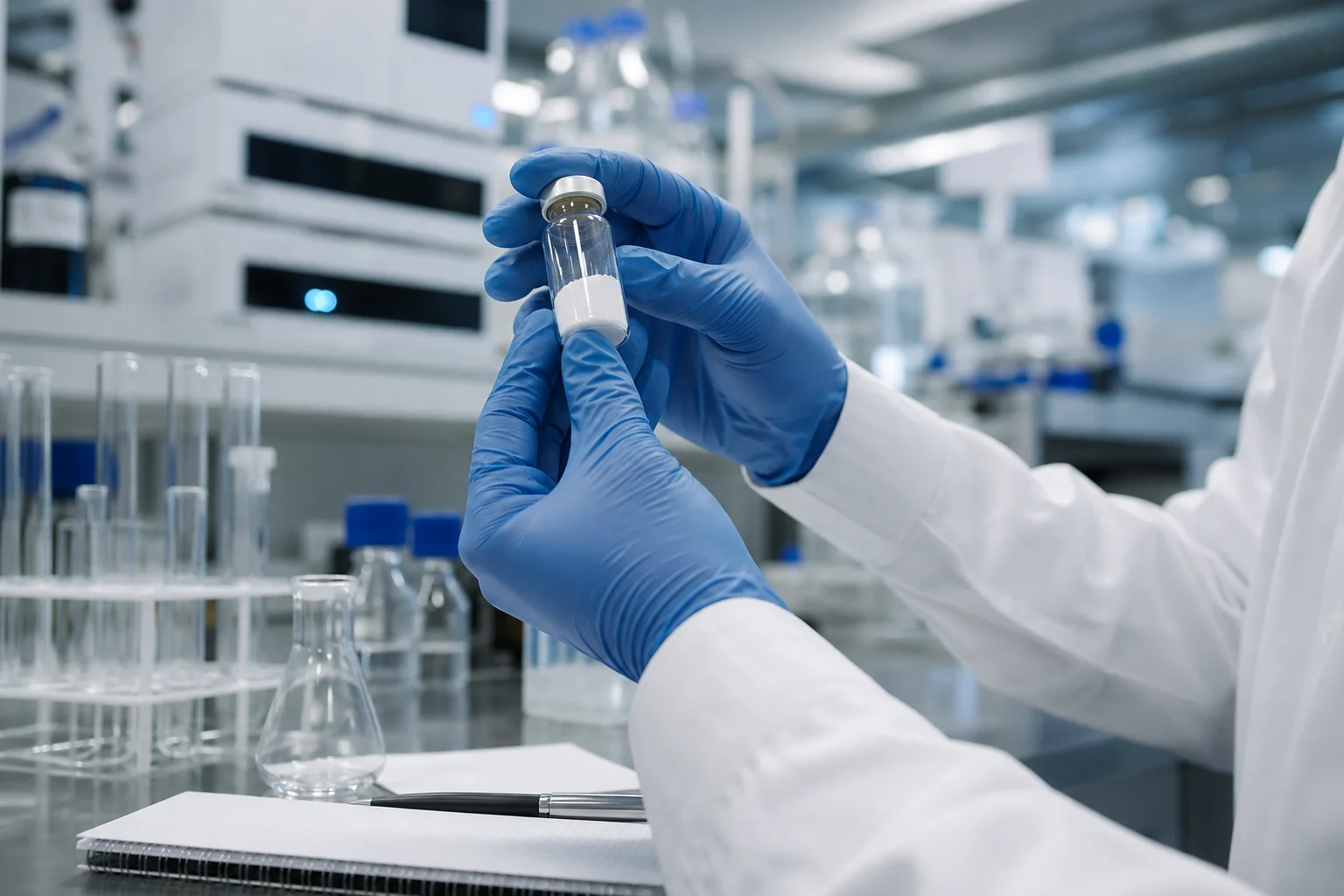
A functional peptide lab starts with a short list of core equipment rather than an exhaustive inventory; use this guide as a starting checklist before your first order. Most research peptides arrive as a lyophilized (freeze-dried) powder, so the baseline equipment list centers on reconstitution, measurement, and cold storage rather than large-scale synthesis hardware. Thinking in terms of these three functional categories, rather than a long unstructured shopping list, makes it easier to prioritize purchases when budget or bench space is limited.
Core Lab Setup Checklist
Keep a lab setup checklist on hand when ordering equipment for a new or expanding research space:
- A digital analytical balance capable of milligram or microgram precision
- Adjustable micropipettes with a matched set of sterile tips
- A dedicated refrigerator and, ideally, a freezer rated for consistent sub-zero storage
- A clean, low-traffic bench area away from direct sunlight and airflow disruption
- Sterile glassware or single-use vials for mixing and short-term storage
- A basic logbook or digital system for recording lot numbers, reconstitution dates, and protocols
This equipment list scales to fit almost any peptide lab setup, from a compact single-researcher bench to a shared laboratory supporting multiple protocols, where redundant cold storage and a dedicated analytical corner become worthwhile. As a research program grows, revisiting this checklist every few months helps confirm that equipment capacity is keeping pace with the number of active protocols rather than becoming a bottleneck.
What Supplies Are Required for Handling and Reconstituting Research Peptides?
Reconstitution supplies are consumable, so they need reordering more often than the core equipment above. A peptide lab typically keeps the following on a recurring supply list: sterile bacteriostatic water for dissolving lyophilized peptides, insulin syringes for precise liquid transfer, alcohol swabs for vial tops and injection sites, and sharps containers for used syringes. Keeping a running inventory of these consumables prevents a mid-protocol supply gap, which is one of the more avoidable interruptions in an otherwise well-planned study.
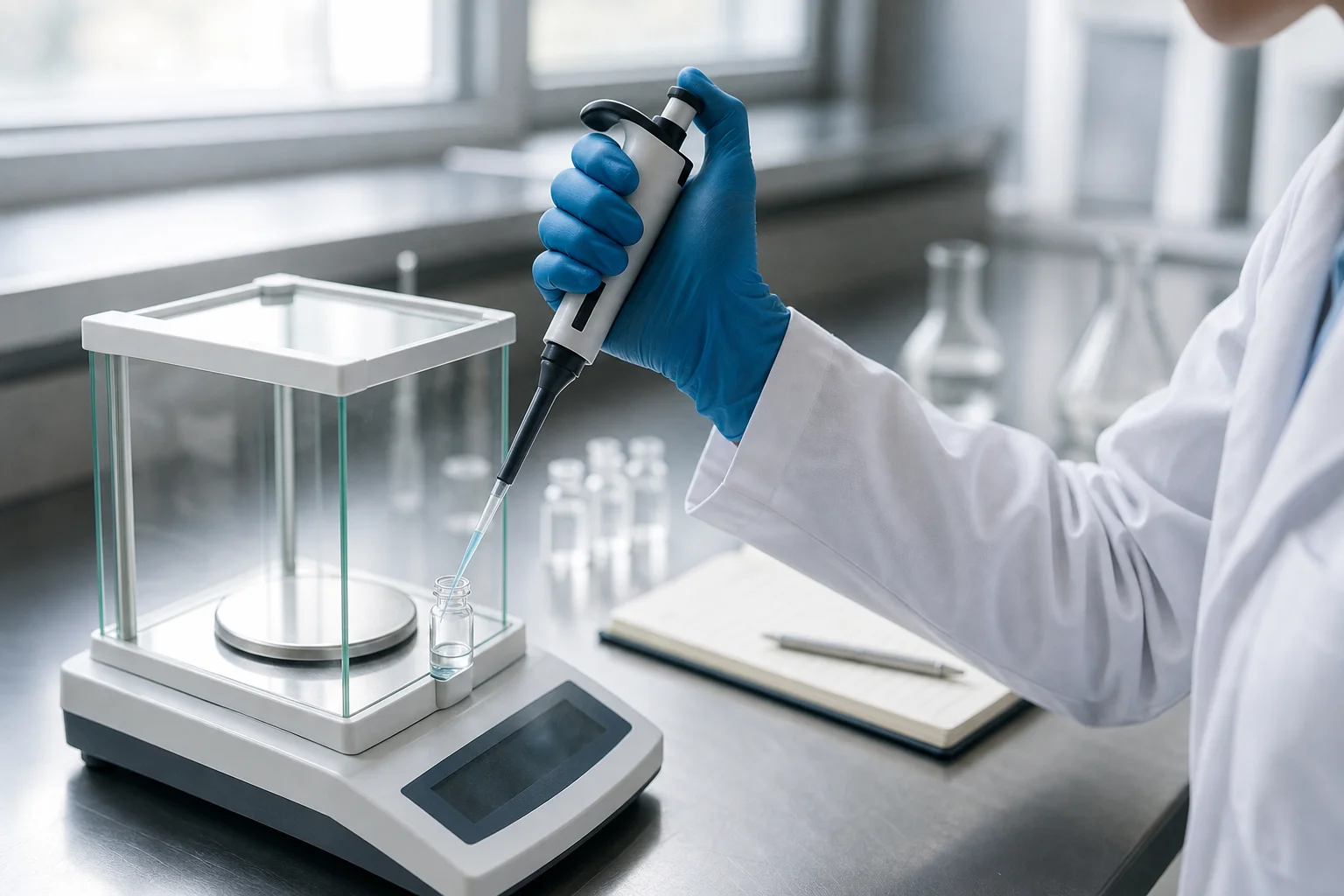
Bacteriostatic water is preferred over plain sterile water for research use because it contains a small amount of benzyl alcohol that helps inhibit bacterial growth across multiple reconstitution events from the same vial. Reconstitution ratios should follow the specific protocol for each compound rather than a single fixed formula, since concentration needs vary by peptide and by study design. Recording the exact ratio used alongside the reconstitution date makes it far easier to reproduce a result or troubleshoot an outlier later on.
How Should Research Peptides Be Stored?
Storage conditions are one of the most common sources of degraded research data, so they deserve their own protocol rather than a general assumption. Most lyophilized research peptides remain stable at refrigerated or frozen temperatures for extended periods when kept dark, dry, and sealed. Once reconstituted, peptides are considerably less stable and should generally be used within the timeframe specified by the compound's own documentation, stored refrigerated rather than at room temperature.
Label every vial with the reconstitution date and concentration. A lab that skips this step loses the ability to trace unexpected results back to a storage or handling variable, which undermines data integrity across the whole study. A simple color-coded label system, or a shared spreadsheet tied to the logbook, keeps this practice consistent even when multiple researchers share the same refrigerator or freezer space.
What Safety Equipment and PPE Are Needed for Handling Peptides?
Standard laboratory PPE applies to peptide handling: nitrile gloves, safety glasses or goggles, and a lab coat or similar barrier layer. A sharps container is essential wherever syringes are in use, and a small first-aid kit should stay within reach of the bench. Reviewing PPE stock alongside the consumable supply list keeps both from running low at the same inconvenient moment.
Ventilation matters more than many new researchers expect. A fume hood is not always necessary for reconstitution work alone, but any lab handling powder transfer or larger-scale weighing benefits from working over a designated surface with good airflow to limit airborne particulate exposure. Hand hygiene before and after handling, along with a policy against eating or drinking at the bench, rounds out a baseline safety protocol. Posting these baseline rules somewhere visible in a shared lab space helps keep the standard consistent across every researcher who uses the bench.
What Precision Instruments Are Needed for Accurate Peptide Measurement?
Precision instruments are what separate a casual setup from a defensible peptide research lab. A milligram-or-better analytical balance is the minimum standard for weighing powder accurately, since even small measurement errors compound significantly at peptide dosing scales.
High-performance liquid chromatography (HPLC) is the analytical method most labs rely on to confirm that a peptide synthesis run produced the correct sequence of amino acids at the expected purity. Many researchers do not own an in-house HPLC system and instead rely on a supplier's third-party certificate of analysis; when that is the case, confirm the certificate corresponds to the specific batch and lot number received, not a generic product page. Micropipettes, a pH meter for buffer work, and a basic vortex mixer round out the instrument list for most bench-scale research protocols. Calibrating the balance and pipettes on a regular schedule, rather than only at initial setup, keeps measurement error from creeping in unnoticed over months of use.
How Much Does a Basic Peptide Research Lab Setup Cost?
Cost depends heavily on scope. A minimal setup, an analytical balance, a set of micropipettes, basic glassware, and refrigerated storage, represents a modest starting investment compared to a fully equipped analytical lab that adds an in-house HPLC system, a fume hood, and validated cold-chain storage.
Most researchers build up incrementally: start with the essential equipment above, rely on supplier-provided quality documentation for compound purity, and add instrumentation like in-house HPLC only once study volume or protocol complexity justifies the investment. This staged approach keeps the initial cost of a peptide research lab setup proportional to the actual research being conducted, and it gives a new lab room to reassess priorities as its protocols and sample volume become clearer.
Frequently Asked Questions
What is the minimum equipment needed to start peptide research? A minimum peptide research lab setup includes an analytical balance, adjustable micropipettes, sterile bacteriostatic water, refrigerated storage, and basic PPE, gloves and eye protection. This covers reconstitution and short-term storage for most bench-scale protocols. More advanced instrumentation, like HPLC, can be added later as research needs grow, so there is no need to buy everything on day one.
Can peptide research be conducted in a home lab setup? A home-based research space can work for basic reconstitution and storage protocols in many cases, provided it includes dedicated refrigerated storage, a clean low-traffic workspace, and proper PPE and sharps disposal. Researchers handling larger quantities or requiring analytical verification generally benefit from a shared or institutional laboratory with dedicated ventilation and equipment, particularly once powder handling or weighing volume increases.
What temperature should research peptides be stored at? Lyophilized, unreconstituted, research peptides are generally stable under refrigeration, with some compounds tolerating frozen storage for longer shelf life; always defer to the specific compound's documentation. Once reconstituted, peptides typically require refrigerated storage and should not be left at room temperature for extended periods, since stability drops considerably after mixing, which is why labeling the reconstitution date on the vial matters so much.
Where can researchers buy reliable peptide research equipment and supplies? General lab equipment, balances, micropipettes, glassware, and PPE, is widely available through established laboratory and scientific supply distributors. For the research peptides themselves, sourcing from a supplier that provides batch-specific certificates of analysis and consistent quality documentation helps maintain integrity across a study, and it removes one of the more common sources of unexplained variability in bench-scale results.
Build Your Research Space With Confidence
A well-planned peptide research lab setup protects both your data and your research budget by preventing degraded compounds and inconsistent results. Working through the equipment, supplies, storage, and safety steps above before placing a first order gives any new or expanding lab a solid foundation to build on. Shop research peptides from VivePeptides to source research-grade compounds backed by clear quality documentation.
Research Use Only
All information in this article is intended for educational and research purposes only. VivePeptides products are not intended for human or veterinary use.