Research Article
GHK-Cu for Skin Research: 40+ Years of Data | VivePeptides
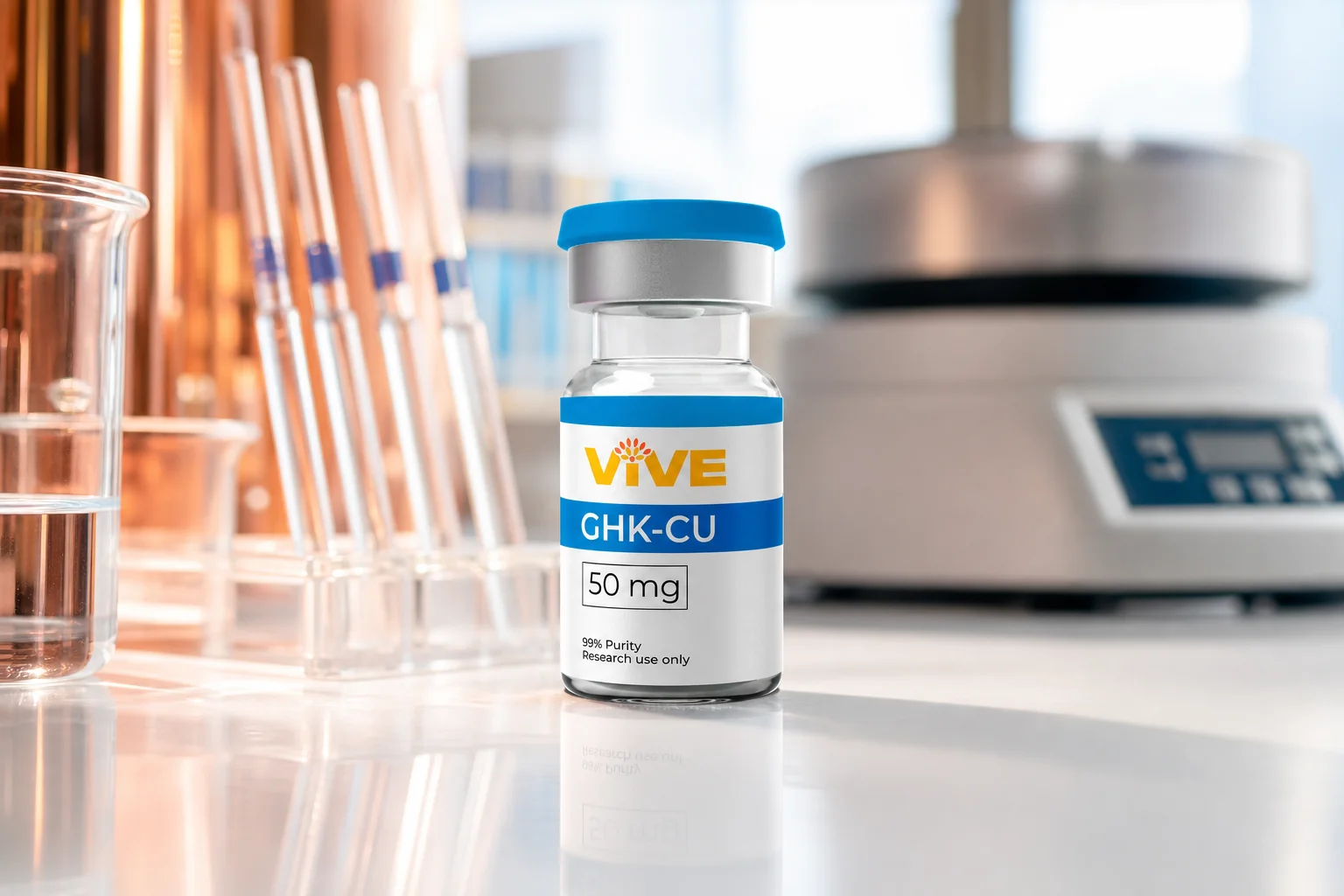
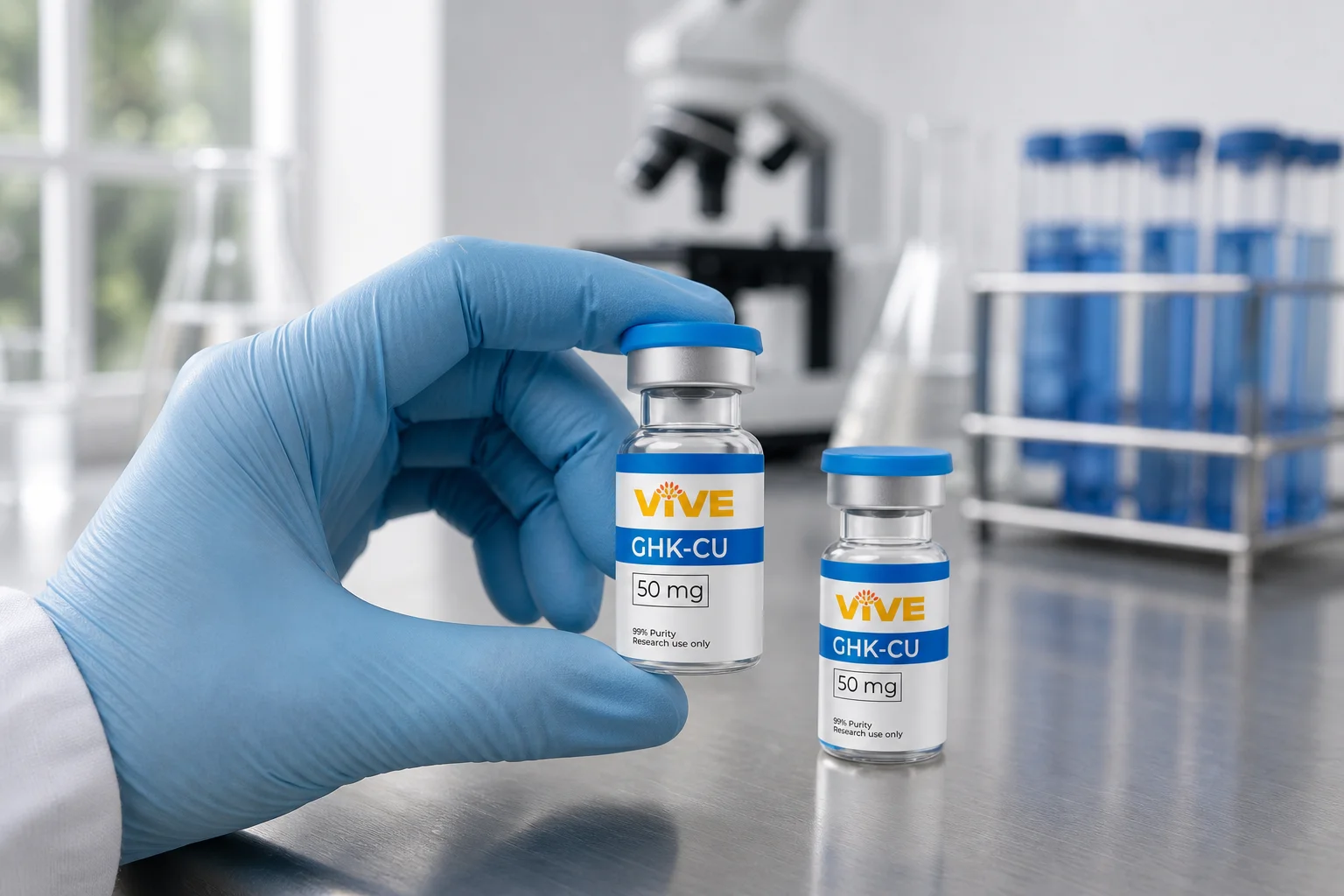
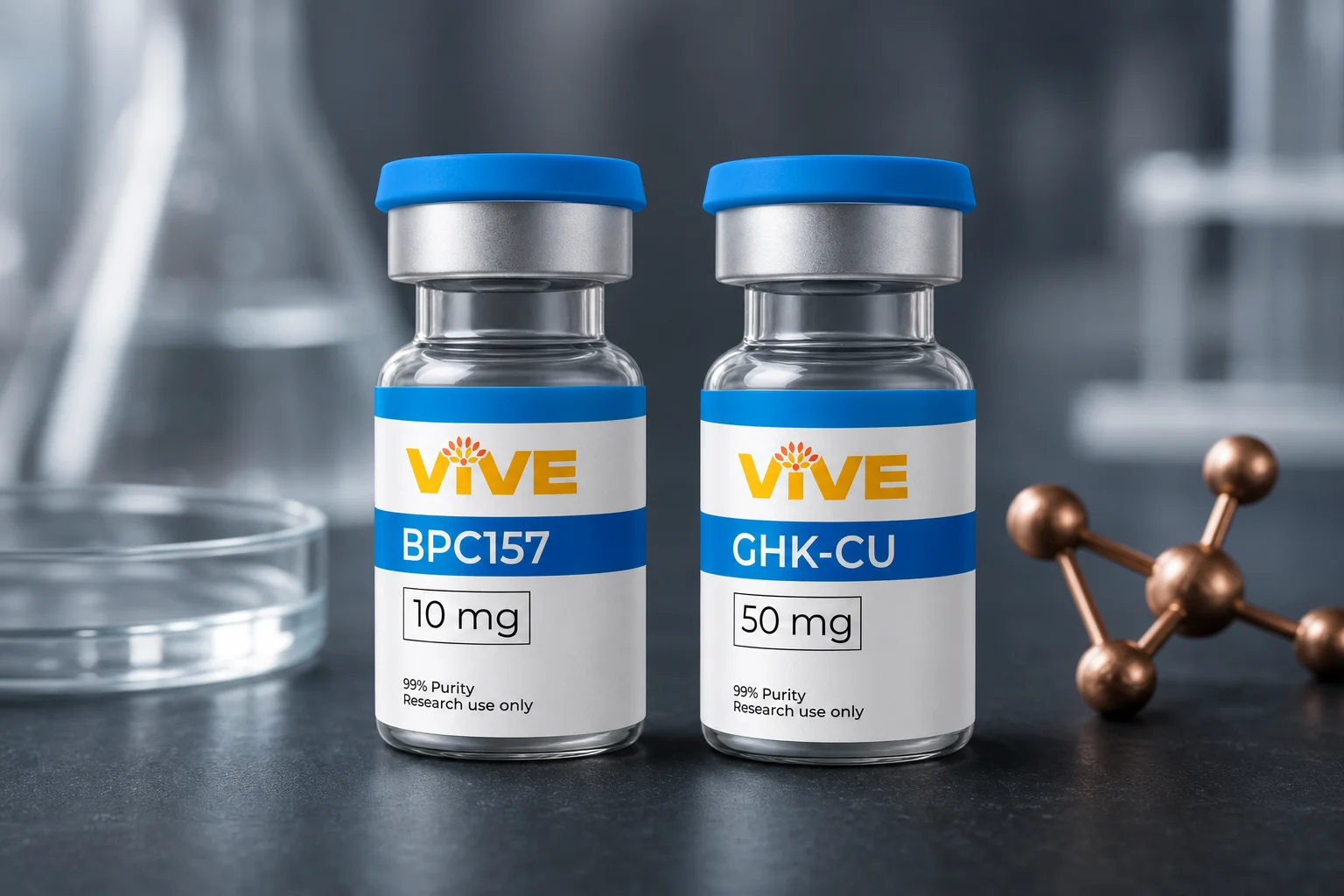
GHK-Cu for skin research has accumulated more than four decades of peer-reviewed evidence since Loren Pickart first isolated this copper peptide from human plasma in 1973. Studies across wound healing, collagen synthesis, and skin regeneration position GHK-Cu as one of the most characterized peptides in dermatological research. Explore research-grade GHK-Cu at VivePeptides.
By Vive Team
What Is GHK-Cu and Where Does It Come From?
GHK-Cu is a naturally occurring tripeptide composed of glycine, histidine, and lysine, complexed with a copper(II) ion. It was first characterized by biochemist Loren Pickart in a 1973 study published in Nature, where Pickart identified it in human plasma as a molecule capable of stimulating liver tissue regeneration in older donors.
The peptide exists at measurable concentrations in human plasma, saliva, and urine during youth, with plasma concentrations near 200 ng/mL at age 20 declining substantially by age 60. This age-related decline has driven sustained research interest in its role as a biological signaling molecule for tissue maintenance and renewal.
As a copper peptide, GHK-Cu has a high binding affinity for copper(II) ions. Copper serves as an essential cofactor for enzymes including lysyl oxidase, which crosslinks collagen and elastin fibers, and superoxide dismutase, which governs antioxidant defense. This positions GHK-Cu as both a peptide signaling molecule and a copper delivery vehicle within biological systems.
Collagen Synthesis, Fibroblast Activity, and the Extracellular Matrix
A central mechanism under investigation is GHK-Cu's influence on collagen synthesis. Research published by Maquart et al. in the Journal of Clinical Investigation (1993) demonstrated that GHK-Cu stimulated collagen production in fibroblast cultures, with increased expression of collagen types I and III alongside fibronectin, decorin, and biglycan.
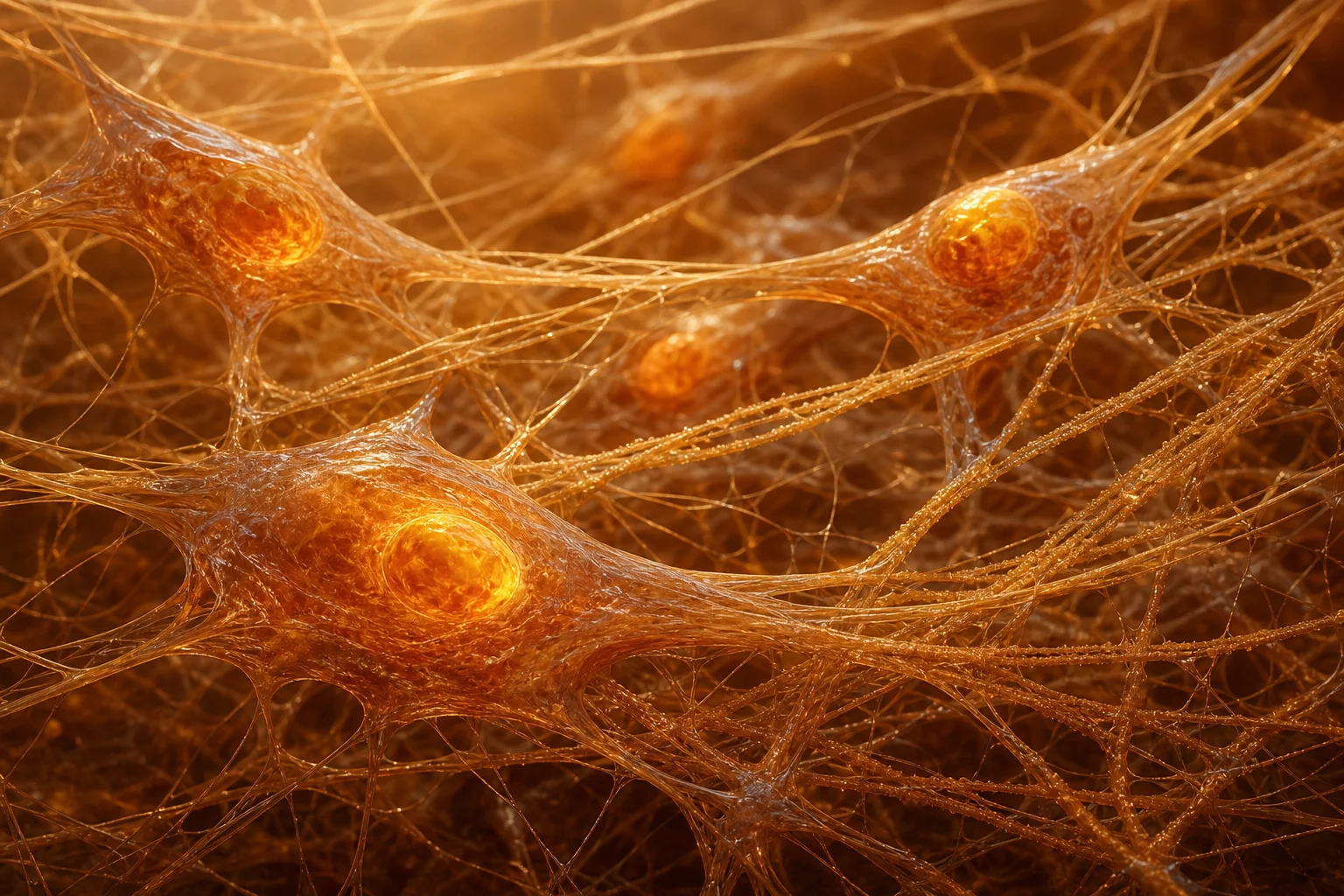
These molecules are structural components of the extracellular matrix, the scaffold of proteins and polysaccharides surrounding cells that governs tissue integrity, cell migration, and wound response. By promoting expression of multiple extracellular matrix components simultaneously, GHK-Cu appears to coordinate a broad remodeling response rather than acting through a single isolated pathway.
Pickart and Margolina published a comprehensive 2018 review in Biomolecules cataloging over 4,000 genes whose expression is modulated by GHK-Cu, including groups related to collagen production, anti-inflammatory signaling, and antioxidant defense. Researchers studying multi-modal regenerative peptides may find 6 Best Peptides for Anti-Aging Research: From GHK-Cu to NAD+ a useful companion reference.
Wound Healing, Tissue Repair, and Tissue Remodeling
Perhaps the most consistent body of data on GHK-Cu centers on wound healing. Studies in animal models have shown GHK-Cu accelerates wound closure, increases tensile strength of healing tissue, and reduces scar formation compared to controls.
A 1985 study by Pickart published in Proceedings of the Society for Experimental Biology and Medicine demonstrated that topical GHK-Cu application significantly accelerated wound healing in pigs, a mammalian model regarded as a reliable proxy for human skin biology due to comparable dermal thickness and hair follicle density.
The mechanisms underlying this wound healing activity involve tissue repair through upregulation of matrix metalloproteinases (MMPs), which clear damaged extracellular matrix, alongside concurrent stimulation of matrix synthesis. This dual-phase response defines tissue remodeling: degradation of damaged matrix and construction of new matrix, both required for scar resolution and restoration of normal skin architecture.
GHK-Cu also appears to influence angiogenesis, the formation of new blood vessels supplying oxygen and nutrients during the repair regeneration process. This vascular component may explain accelerated wound closure rates observed in animal studies. Researchers examining complementary peptides for repair-focused protocols may reference the BPC-157 vs GHK-Cu research breakdown for comparative mechanistic data.
GHK-Cu for Skin Research: Fine Lines and Regeneration Evidence
Beyond acute wound healing, GHK-Cu skin research has extended into aging-related applications. As plasma GHK-Cu concentrations decline with age, researchers have explored topical and subcutaneous delivery as methods to restore GHK signaling in aged tissue.
Clinical studies on topical formulations have reported measurable reductions in fine lines and improvements in skin density and elasticity. A 2005 study by Leyden et al., published in the Journal of the American Academy of Dermatology, examined topical copper peptide formulations and reported improvements in skin texture and fine lines after several weeks of application.
Research on subcutaneous delivery for skin regeneration is less extensive than topical literature but has attracted growing interest in aesthetic medicine research. The gene expression data from Pickart and Margolina (2018) suggests GHK-Cu may modulate pathways involved in epidermal renewal, including keratinocyte differentiation and basement membrane reconstruction, extending its biological relevance beyond the dermis.
For researchers designing multi-peptide skin protocols, the Glow Blend (BPC-157 / TB-500 / GHK-Cu) combines GHK-Cu with two additional peptides studied for tissue repair and regeneration. A broader overview of peptide combination rationales is available in the research data on Best Peptide Stacks for Research.
Antioxidant and Anti-inflammatory Properties in Skin Biology
GHK-Cu exhibits antioxidant activity through mechanisms linked to its copper-binding function. Copper is a cofactor for superoxide dismutase (SOD), an enzyme that neutralizes reactive oxygen species. Pickart and colleagues proposed that GHK-Cu acts as a copper chaperone, delivering copper to SOD and other cuproenzymes while preventing free copper from catalyzing oxidative damage to surrounding tissue.
Anti-inflammatory effects have been documented in cell culture models, including downregulation of NF-kB-mediated inflammatory signaling pathways. Pickart and Margolina (2018) noted that GHK-Cu's gene modulation profile includes shifts in cytokine expression consistent with reduced inflammatory tone, which may account for the reduced scarring observed across wound healing models.
The combined antioxidant and anti-inflammatory profile positions GHK-Cu as a subject of continued interest for researchers studying oxidative stress-related skin aging, where cumulative reactive oxygen species damage to the extracellular matrix accelerates visible aging and impairs the natural repair capacity of skin tissue.
Frequently Asked Questions
What makes GHK-Cu a naturally occurring peptide?
GHK-Cu is described as naturally occurring because the tripeptide glycyl-L-histidyl-L-lysine is produced endogenously in the human body and found in human plasma, saliva, and urine. It was identified and isolated from biological sources before being replicated via chemical synthesis for research use. Its endogenous origin distinguishes it from fully synthetic peptide analogs with no native biological counterpart.
Does GHK-Cu stimulate collagen synthesis in published studies?
Yes. Maquart et al. (1993, Journal of Clinical Investigation) demonstrated that GHK-Cu stimulates collagen synthesis in fibroblast cultures, increasing production of collagen types I and III along with other extracellular matrix proteins. These findings have been replicated in multiple laboratory models, and the 2018 Pickart and Margolina review in Biomolecules extended the picture to thousands of regulated gene targets.
How does GHK-Cu relate to wound healing research?
GHK-Cu has been studied for wound healing since the 1980s. Animal models have shown it accelerates wound closure and improves tissue tensile strength. Mechanistically, it promotes tissue repair by coordinating matrix metalloproteinase activity and matrix synthesis, enabling effective tissue remodeling through a dual-phase degradation and rebuilding process.
Is GHK-Cu approved for therapeutic use in humans?
GHK-Cu is not FDA-approved as a therapeutic drug. It is available for research use only. Any applications involving GHK-Cu should conform to applicable regulatory and institutional guidelines governing research peptide use in laboratory or preclinical settings.
What distinguishes GHK-Cu from other copper peptides studied for skin research?
GHK-Cu is the most extensively characterized copper peptide in published dermatological literature, with over 40 years of accumulated data. Its distinguishing breadth spans collagen synthesis, wound healing, antioxidant activity, anti-inflammatory signaling, and modulation of more than 4,000 identified genes, producing a more complete mechanistic picture than comparable copper peptides currently under investigation.
Explore GHK-Cu and Related Research Peptides at VivePeptides
With more than four decades of published data spanning collagen synthesis, wound healing, skin regeneration, fine lines research, and broad-spectrum gene expression modulation, GHK-Cu for skin research represents one of the most thoroughly documented entries in the copper peptide literature. Browse the research-grade peptide catalog at VivePeptides for purity-verified, lab-ready GHK-Cu and companion peptides available for tissue research applications.
Research Use Only
All information in this article is intended for educational and research purposes only. VivePeptides products are not intended for human or veterinary use.