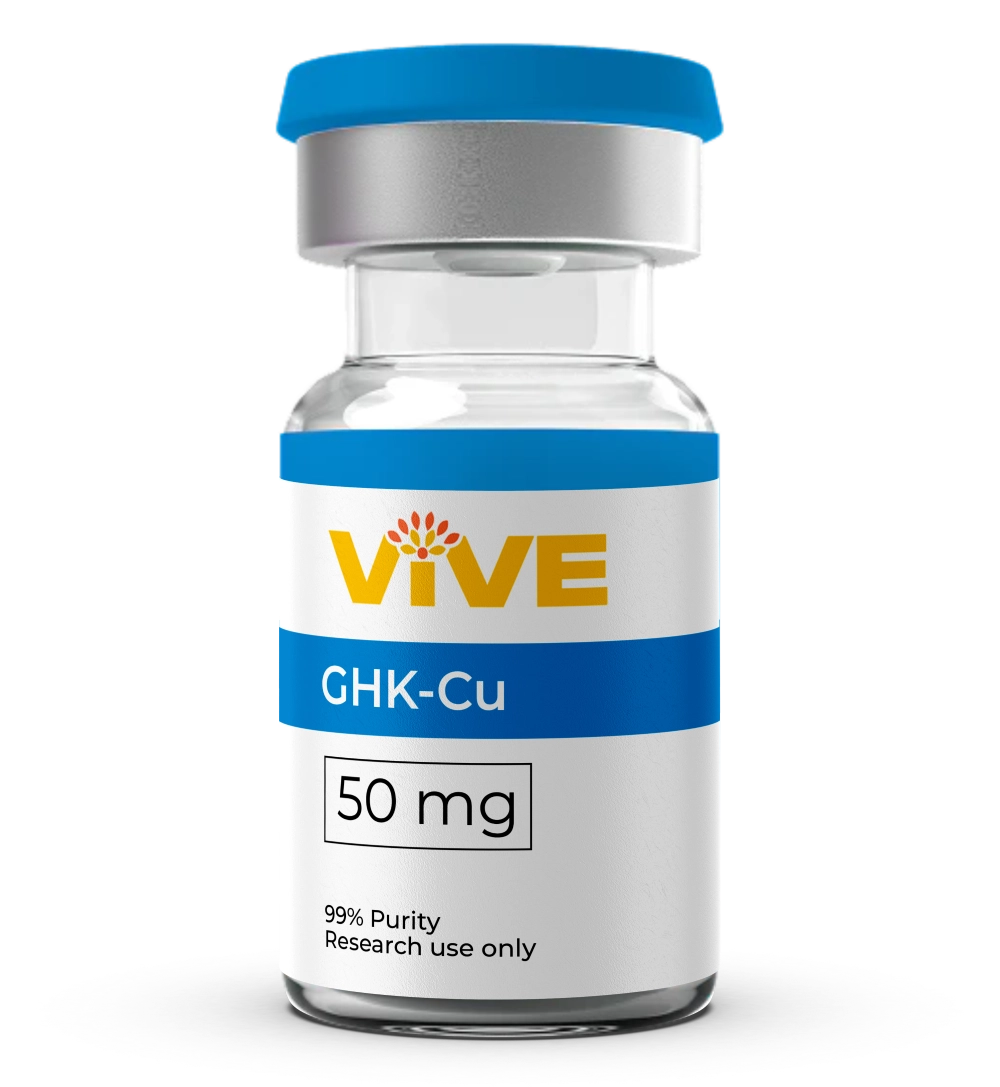
Research Article
BPC-157 vs GHK-Cu: Recovery vs Regeneration Peptides
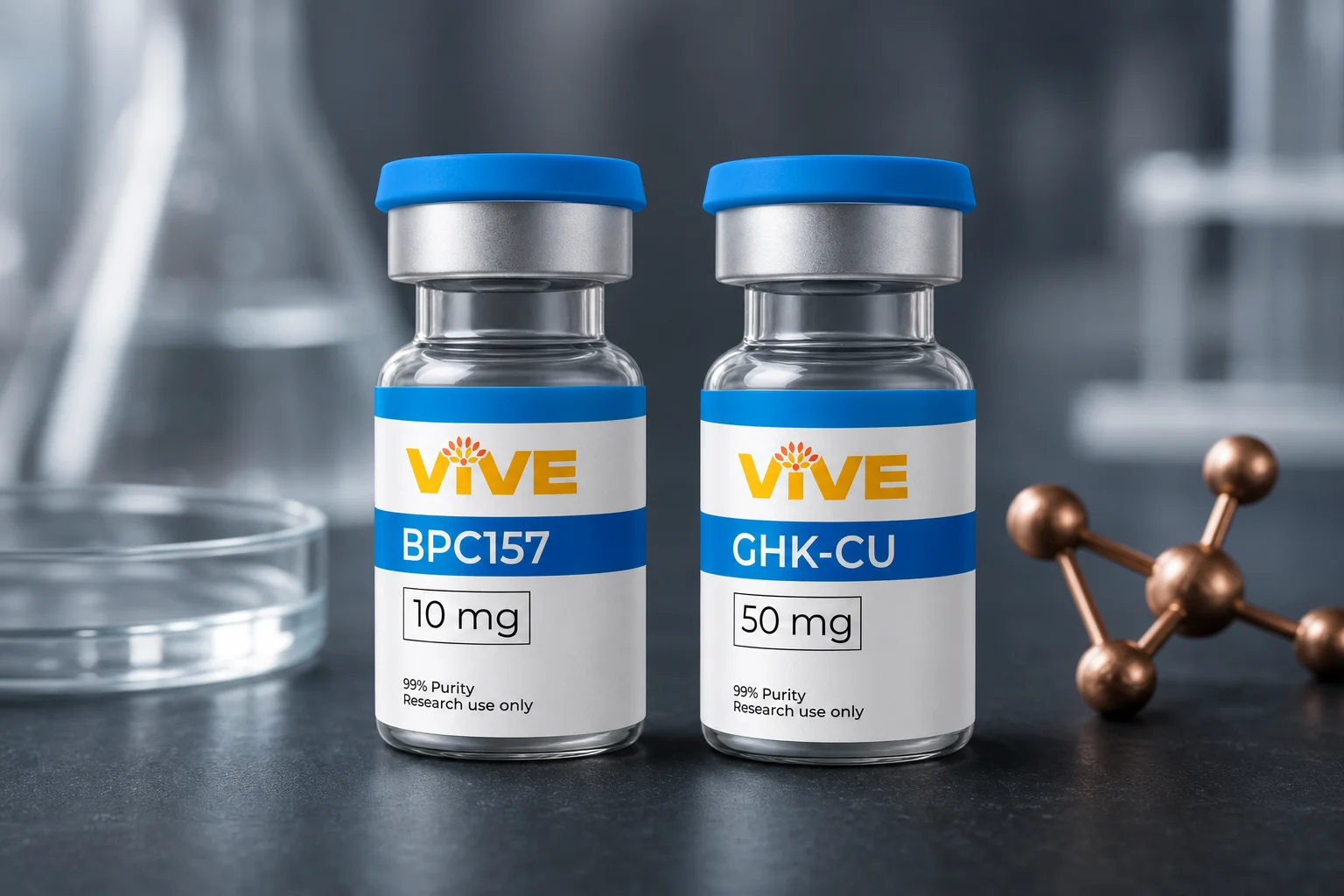
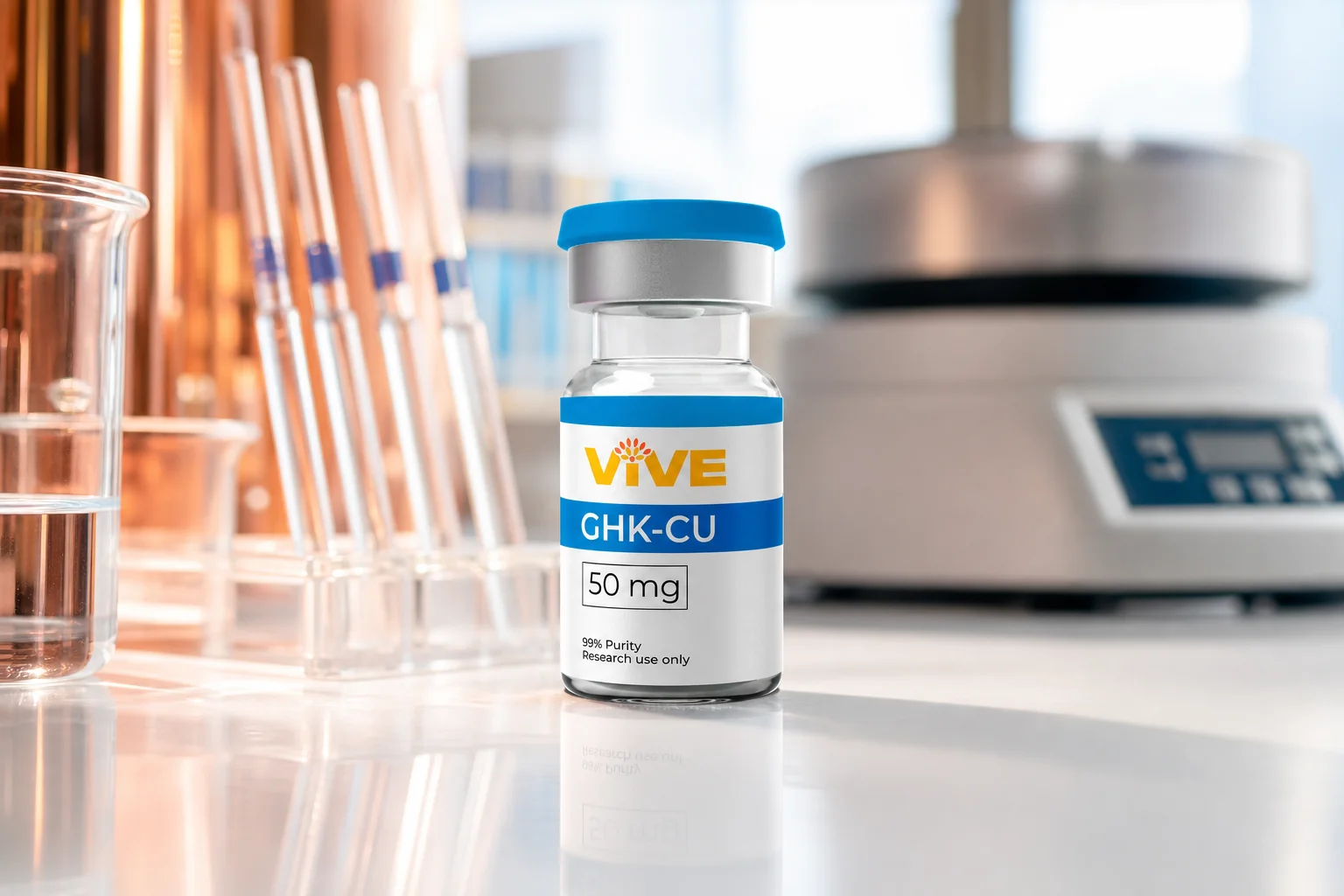
BPC-157 vs GHK-Cu is one of the most studied comparisons in peptide therapy research. Both are short chains of amino acids with well-documented preclinical profiles, yet their mechanisms are distinct enough that researchers rarely treat them as interchangeable. BPC-157 targets acute tissue repair and body protection; GHK-Cu drives collagen production and long-term regenerative signaling.
Origins and Background: Two Different Research Lineages
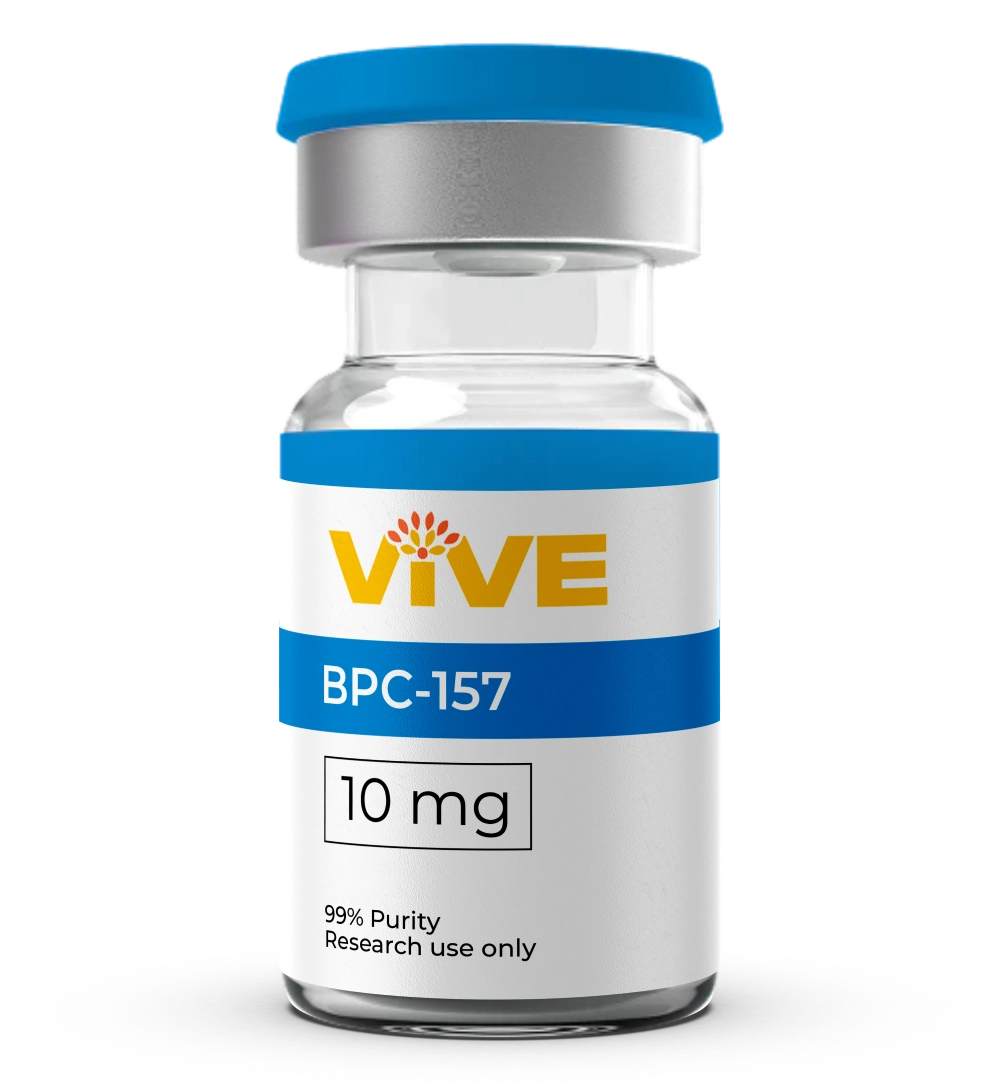
BPC-157 (Body Protection Compound 157) is a synthetic pentadecapeptide derived from a naturally occurring sequence isolated from human gastric juice. The compound consists of 15 amino acids and demonstrates notable stability in gastric environments, a property that has made it an active subject in both gastrointestinal and musculoskeletal research models. Its designation reflects the broad cytoprotective activity observed across decades of animal studies conducted primarily at the University of Zagreb.
GHK-Cu (glycyl-L-histidyl-L-lysine copper complex) is a naturally occurring tripeptide found in human plasma, saliva, and urine. First isolated and characterized by Loren Pickart (Journal of Biological Chemistry, 1973), GHK-Cu forms one of the shorter short chains in regenerative peptide research. Its copper-binding affinity produces distinct downstream effects in wound healing, collagen synthesis, and anti-aging applications that have no direct parallel in BPC-157 research.
Both compounds attract sustained attention because they produce measurable biological responses at low concentrations without the receptor saturation concerns associated with larger peptide hormones.
Mechanisms: Distinct Cellular Pathways
How BPC-157 Acts
BPC-157 operates primarily through modulation of growth factor signaling. Preclinical data published by Sikiric et al. (Journal of Physiology, 2018) demonstrated that BPC-157 upregulates VEGF receptor expression and activates the FAK-paxillin pathway, both critical for angiogenesis and tissue repair. The compound also interacts with the nitric oxide system, influencing vascular tone and cytoprotective responses in the gastric mucosa and connective tissue.
In tendon and ligament injury models, BPC-157 consistently accelerated functional recovery timelines. Its stability in gastric juice enabled researchers to evaluate oral and injection routes with comparable results across certain tissue targets, broadening the range of viable administration protocols.
How GHK-Cu Acts
GHK-Cu operates through a broader gene-regulatory mechanism. Research by Pickart and Margolina (Biomolecules, 2018) identified that GHK-Cu modulates expression of more than 4,000 human genes, including those governing collagen production, inflammation resolution, and antioxidant enzyme synthesis. The copper component facilitates superoxide dismutase activity, reducing oxidative stress in damaged tissue.
GHK-Cu collagen synthesis effects are among the best-characterized in the tripeptide literature. It stimulates fibroblast proliferation and upregulates collagen type I and III gene expression, establishing it as a primary subject in dermal wound healing and anti-aging research. Unlike BPC-157, GHK-Cu does not rely on gastric juice stability as a formulation property, and its applications span topical, subcutaneous injection, and systemic research routes.
Research Comparison: Acute Recovery vs Chronic Regeneration
The distinction between recovery and regeneration clarifies the bpc-157 vs ghk-cu debate considerably. Recovery models focus on restoring function following acute injury or surgical intervention. Regeneration models focus on rebuilding tissue architecture and reversing cumulative damage over time.
BPC-157 research has clustered around recovery. Animal studies from the University of Zagreb (Sikiric, 2006 onward) demonstrated accelerated healing across tendon, ligament, muscle, bone, and gastric mucosal tissue. In one frequently cited protocol, rats receiving BPC-157 following Achilles tendon transection showed measurably faster tensile strength restoration versus controls. These findings position BPC-157 within acute tissue repair and body protection research paradigms.
GHK-Cu research has clustered around regeneration and remodeling. Topical wound healing trials in the 1980s (Pickart, Wound Repair and Regeneration) established GHK-Cu as a driver of collagen production, and subsequent gene expression studies expanded its research profile to include hair growth, skin elasticity, and neuroprotection. Its anti-aging applications derive from an ability to reset cellular signaling toward a more anabolic, repair-oriented state rather than simply accelerating recovery from a defined injury event.
For researchers evaluating bpc-157 vs ghk-cu across study designs, the clearest differentiator is timeline and target: BPC-157 is studied for acute and subacute injury models; GHK-Cu is studied for chronic remodeling and regenerative applications where better long-term structural outcomes are the endpoint.
Administration and Research Protocols
BPC-157 Administration
BPC-157 is studied most commonly via subcutaneous or intramuscular injection, though intraperitoneal routes are standard in rodent models. Oral administration has been investigated given the peptide's resistance to gastric juice degradation. Typical research dosages in animal studies range from 1 to 10 mcg per kg per day depending on target tissue and injury severity. Reconstitution with bacteriostatic water is standard practice for injectable research preparations.
BPC-157 protocols in injury models are typically short-duration: 7 to 28 days, aligned with acute tissue repair timelines.
GHK-Cu Administration
GHK-Cu is studied via subcutaneous injection, topical application, and intradermal injection depending on the research target. Concentrations in topical research preparations vary widely (0.1% to 2%), while injectable research protocols typically use microgram to low-milligram per kilogram dosages. Copper chelation properties make formulation stability an important consideration, and GHK-Cu preparations are typically stored protected from light and heat.
GHK-Cu protocols in regenerative models often extend longer than BPC-157 protocols, reflecting its role in cumulative tissue remodeling rather than acute repair.
Stacking Considerations: Complementary, Not Competing
Researchers and formulators have noted that BPC-157 and GHK-Cu address non-overlapping phases of the healing cycle. BPC-157 initiates and accelerates the early repair cascade through angiogenesis and growth factor signaling. GHK-Cu supports remodeling and extracellular matrix quality during the resolution phase through collagen synthesis and gene regulation. This non-overlap has led to investigation of combination protocols where BPC-157 is introduced early post-injury and GHK-Cu is introduced during or after the repair phase.
The Glow Blend (BPC/TB/GHK) reflects this research interest in multi-peptide approaches, pairing BPC-157 with GHK-Cu and TB-500 for researchers studying combined tissue repair and regeneration protocols.
Frequently Asked Questions
What is the primary difference between BPC-157 and GHK-Cu in research models? BPC-157 is studied primarily for acute tissue repair and body protection, targeting injury recovery through VEGF modulation and angiogenesis. GHK-Cu is studied for regenerative and anti-aging applications, driving collagen production, gene expression changes, and extracellular matrix remodeling. Both are short chains of amino acids but operate through distinct signaling pathways with different optimal research timelines.
Are BPC-157 and GHK-Cu naturally occurring peptides? BPC-157 is a synthetic peptide derived from a sequence isolated from human gastric juice, making it naturally occurring in origin but synthetically produced for research. GHK-Cu is a naturally occurring tripeptide found in human plasma that declines with age, which has driven interest in its exogenous application for regenerative and anti-aging peptide therapy research.
Can BPC-157 and GHK-Cu be used together in research protocols? Preclinical literature and formulation research suggest these compounds have complementary mechanisms. BPC-157 supports early-phase tissue repair while GHK-Cu supports later-phase collagen synthesis and remodeling. Combination protocols are an active area of investigation. All administration decisions should follow established research ethics and institutional review protocols.
What administration routes are studied in peptide therapy research for these compounds? Both BPC-157 and GHK-Cu are studied via subcutaneous injection in most research models. BPC-157 is also evaluated orally due to its gastric juice stability. GHK-Cu is frequently studied topically in wound healing and dermatological research. Route selection depends on target tissue, injury model, and study design.
What evidence supports GHK-Cu for collagen production research? Loren Pickart's foundational research (Journal of Biological Chemistry, 1973; Wound Repair and Regeneration, multiple publications) established GHK-Cu as a stimulator of fibroblast activity and collagen production. Subsequent genomic studies by Pickart and Margolina (Biomolecules, 2018) confirmed broad gene regulation affecting collagen type I and III synthesis, antioxidant pathways, and tissue remodeling across human cell models.
Researchers studying tissue repair, body protection, collagen production, and regenerative peptide therapy can source verified compounds through VivePeptides. Browse the full peptide catalog to find research-grade BPC-157, GHK-Cu, and combination blends for your protocols.
Research Use Only
All information in this article is intended for educational and research purposes only. VivePeptides products are not intended for human or veterinary use.