Research Article
Where Purity Is Hardest to Hit in Peptide Batches
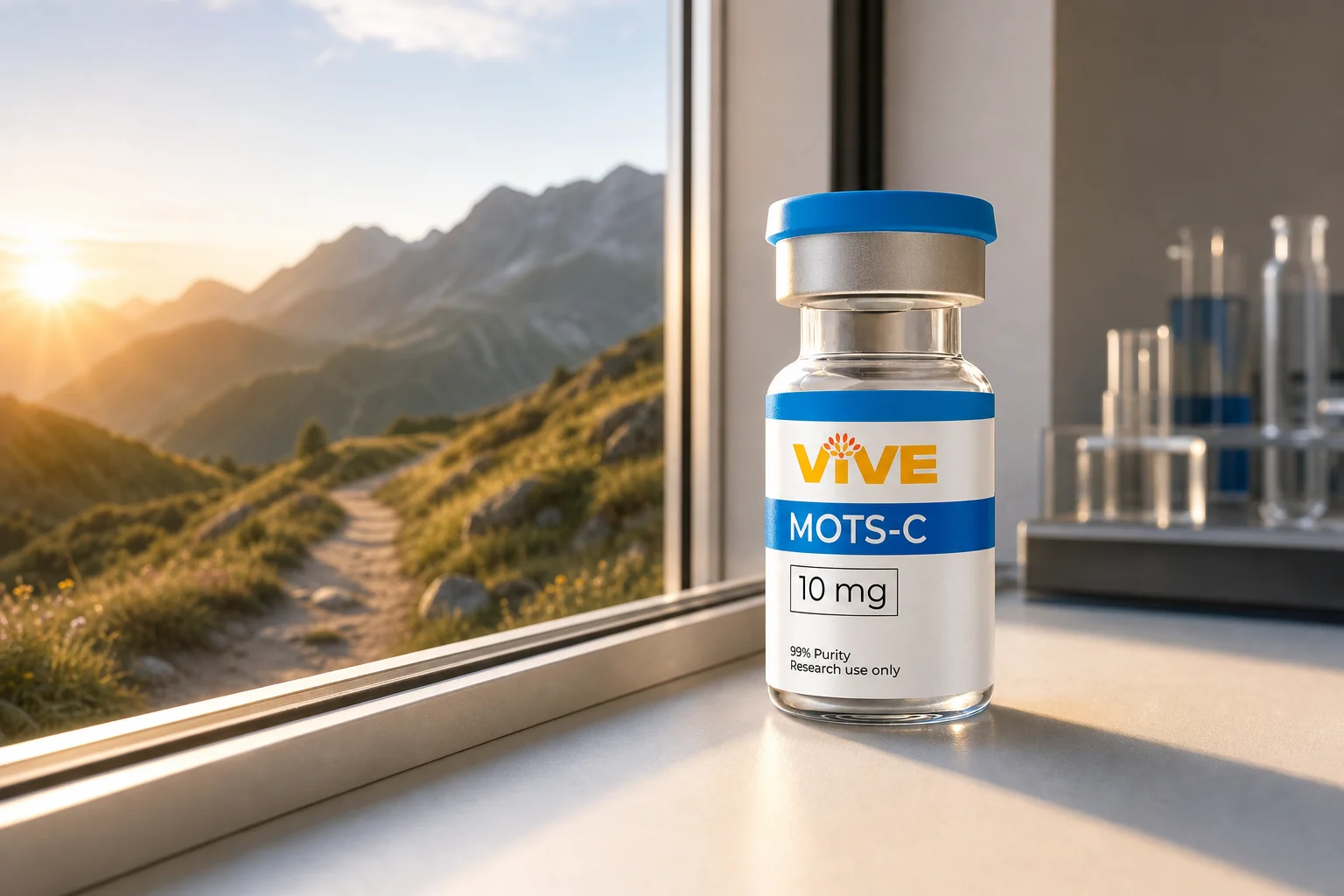
Purity data across VivePeptides' own catalog shows the gap is not random: multi-peptide blends and longer chains test hardest, while single-chain peptides under fifty amino acids clear 99% reconstruction most consistently. This post walks through where purity is hardest to hit, and how to read the numbers before you browse the VivePeptides catalog.
By Vive Team
What Does Purity Percentage Actually Mean for Peptides?
Understanding a peptide purity percentage starts with knowing what the number actually measures. On a certificate of analysis, purity is the share of total peak area on a high-performance liquid chromatography (HPLC) run that matches the correct target peptide, versus impurities such as truncated sequences (chains that stopped assembling early), deletion peptides (missing an amino acid), oxidized variants, or residual solvent from synthesis, most commonly trifluoroacetic acid (TFA). A batch reading 98% purity means 98% of the measured material is the intended peptide, with the remaining 2% split across those byproducts.
What Purity Percentage Is Considered Acceptable for Research Peptides?
Across contract testing labs, 98% or higher via HPLC is the benchmark most research suppliers reference for single-chain peptides. That figure is not a regulatory floor, since research peptides are not approved pharmaceuticals, but it reflects what a well-controlled solid-phase synthesis run can reliably produce. Multi-peptide blends often test a point or two lower, and that gap usually reflects the added complexity of combining actives rather than a lower-quality batch.
Which Peptides Are Hardest to Purify to 99%? Where Purity Is Hardest to Hit
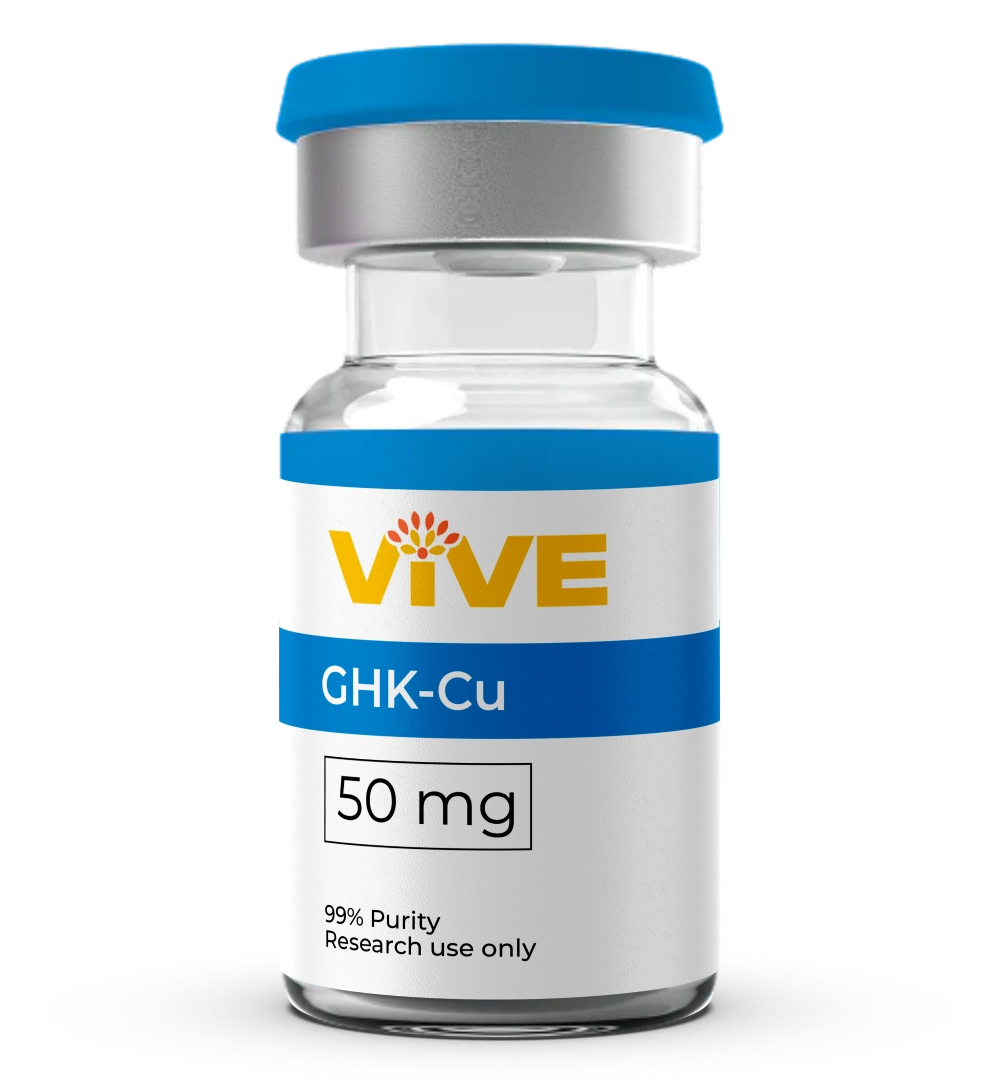
Longer amino acid chains are harder to purify than short ones, because every additional coupling step in solid-phase synthesis introduces another chance for a truncated or deleted sequence to end up in the final mix. Peptides with multiple disulfide bonds or highly hydrophobic regions are also more prone to aggregation during purification, which can trap impurities alongside the target molecule. Multi-peptide blends compound the problem further: combining several actives into a single vial, like the Glow Blend (BPC-157 / TB-500 / GHK-Cu), means the chromatography step has to isolate each component cleanly rather than just one, and that is genuinely where purity is hardest to hit across a catalog that includes both single peptides and blends.
Why Do Some Peptide Batches Test Lower for Purity Than Others?
Even the same peptide from the same manufacturer can test differently batch to batch. Raw amino acid and resin lot quality varies supplier to supplier, and a slightly degraded reagent can lower yield before purification even starts. The purification run itself matters too: a shorter or lower-resolution HPLC column pass separates the target peptide from impurities less completely than a longer, more selective one, and rushing that step to keep production moving is a common reason a batch tests a point or two under its usual range. Batch-to-batch drift is where purity is hardest to hit for suppliers manufacturing at scale, since conditions that produced a clean run one month can slip the next if a raw material lot or a column's resolving power changes. Handling before testing (freeze-thaw cycles, prolonged room-temperature storage) can also degrade a peptide enough to shift its measured purity, which is one reason lyophilized peptides and bacteriostatic water for peptide reconstitution should both be stored and handled exactly as labeled.
How Is Peptide Purity Tested and Verified?
Purity is measured with HPLC, which separates a sample's components by how they interact with a column and reports each as a percentage of total peak area. Identity, meaning confirmation that the peptide is actually the molecule it claims to be rather than something else that happens to elute similarly, is verified separately with mass spectrometry, which measures molecular weight against the expected value. A COA that reports purity without an identity confirmation is only telling half the story. Independent third-party lab testing carries more weight than in-house results alone, since an outside lab has no incentive to round a number up.
Comparing published COA data across supplier alternatives before you order costs nothing and takes less time than dealing with a batch that fails independent testing after it arrives, and it is exactly what turns a purity percentage from a marketing number into something you can actually verify.

How Does Our Catalog's Purity Data Compare Across Products?
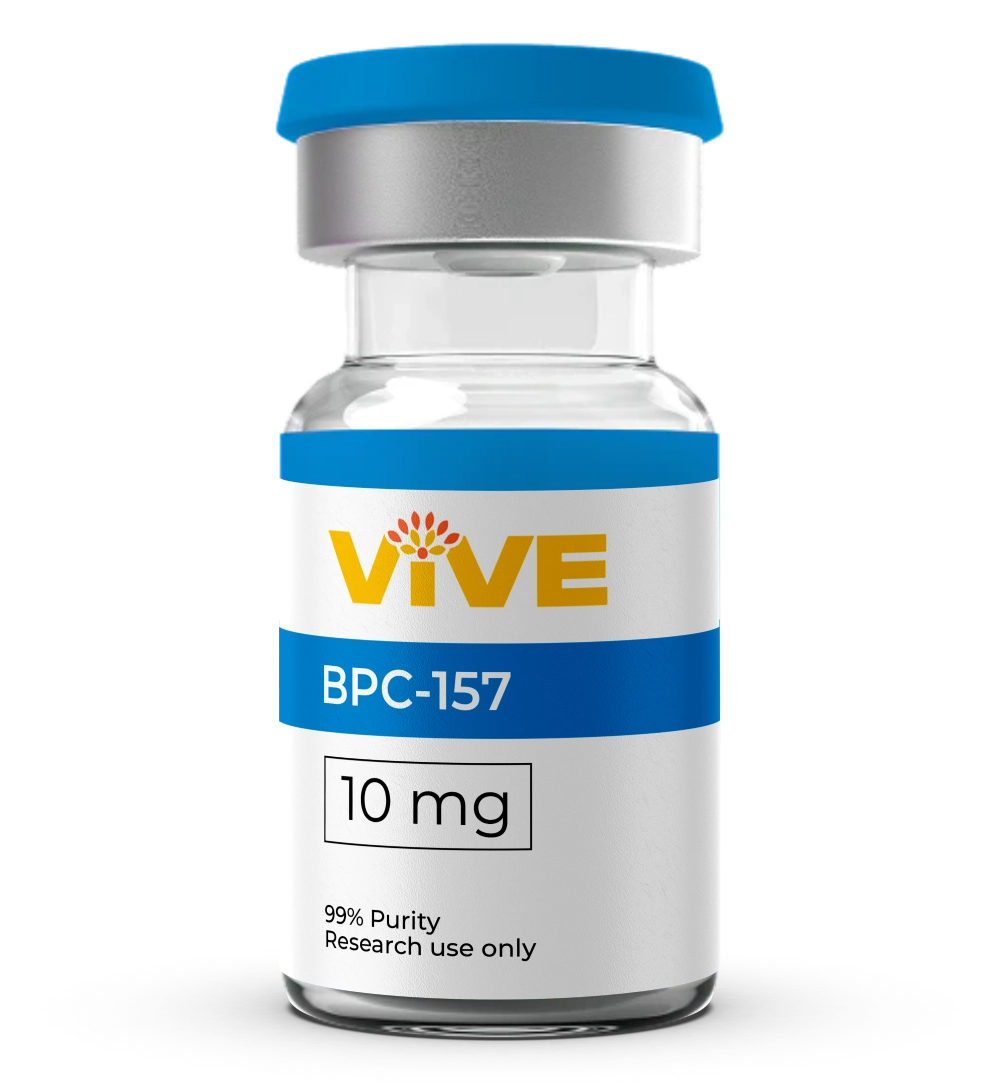
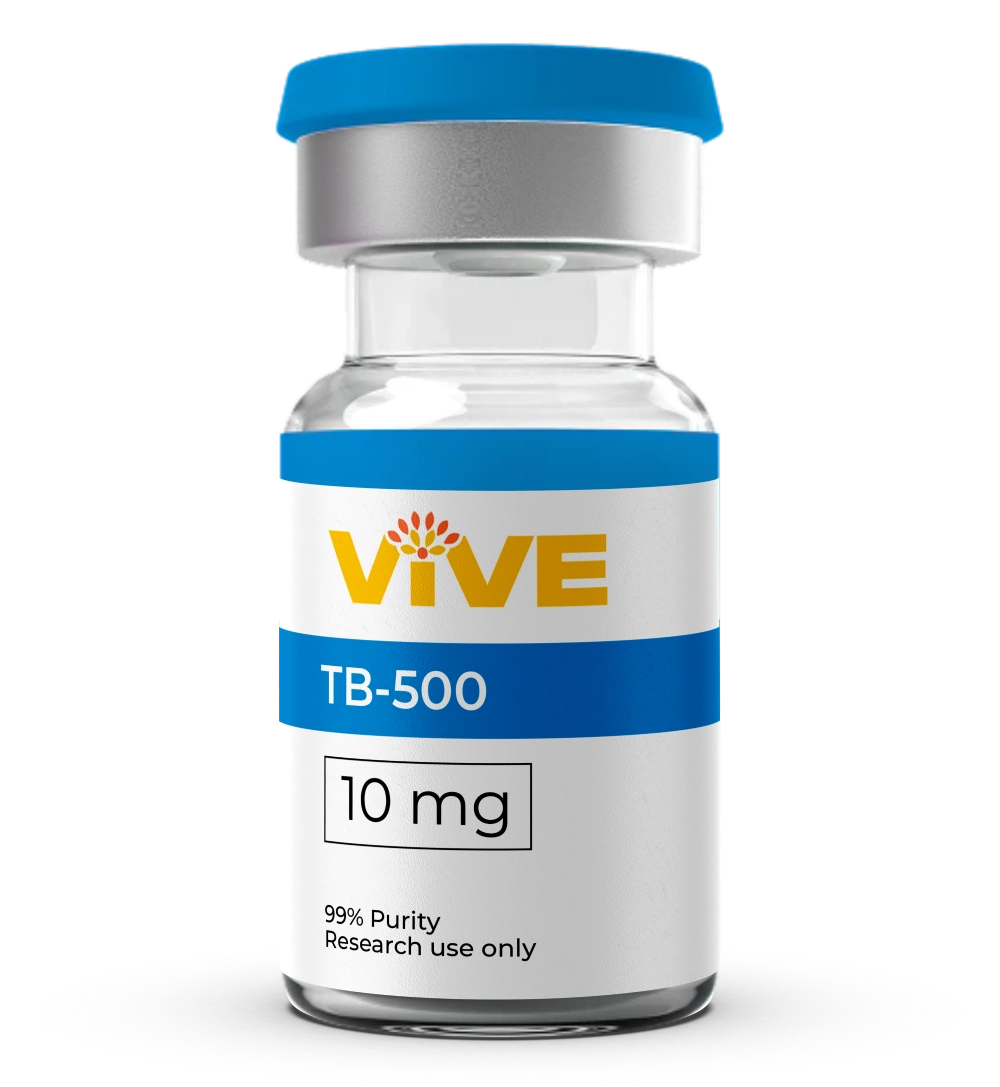
Across VivePeptides' own listings, single-chain peptides in the research-grade BPC-157 and TB-500 (thymosin beta-4) family typically post the highest and most consistent purity readings, usually in the high 90s. Growth-hormone secretagogues such as the CJC-1295 No-DAC + Ipamorelin research blend test slightly more variably batch to batch simply because two actives are being reconstituted and verified together rather than one. Multi-peptide blends remain where purity is hardest to hit across our own catalog, because combining three actives into one vial multiplies the chromatography work needed to isolate each cleanly, even when every individual component would test cleanly on its own.
How Do You Read a Peptide Certificate of Analysis (COA) for Purity?
A usable COA lists the batch or lot number, the HPLC purity percentage, a mass spectrometry identity match against the expected molecular weight, the testing lab's name, and the test date. The lot number matters most: it is what ties the document to the specific vial in front of you rather than to the product line in general. A higher purity number is not automatically better if the identity confirmation is missing or the lot number does not match what shipped, since purity and identity answer different questions. Purity and potency are related but distinct too: purity describes how much of the tested material is the correct peptide, while potency describes whether the actual concentration in the vial matches what the label claims, and a batch can test high on one while falling short on the other.
Frequently Asked Questions
What is a good purity percentage for peptides? Most research suppliers treat 98% or higher via HPLC as the benchmark for single-chain peptides, reflecting a well-controlled synthesis and purification run. Multi-peptide blends often test a point or two lower simply because combining actives adds complexity, not because the batch is lower quality. Always check the specific lot's COA rather than relying on a general number.
Why does peptide purity vary between batches from the same supplier? Raw material lot quality, synthesis conditions, and how long a purification column run is allowed to go all shift slightly from batch to batch. Storage and handling before testing can also degrade a peptide enough to lower its measured purity. This is normal variance within a quality range, not necessarily a sign of a problem, provided each batch still clears its stated threshold.
How can you verify a peptide's purity before buying it? Request or review the batch-specific COA, and confirm it includes both an HPLC purity percentage and a mass spectrometry identity match, not just one or the other. Check that the lot number on the document matches what is printed on the vial you receive. Independent third-party lab results carry more weight than purity claims with no testing documentation behind them.
Does higher purity always mean better quality? Not on its own. A high purity number with no identity confirmation, no lot number, or no named testing lab tells you less than a slightly lower number backed by a complete, verifiable COA. Purity is one input into quality, alongside identity confirmation, potency, and proper storage and handling.
What's the difference between purity and potency in a peptide COA? Purity measures what percentage of the tested material is the correct peptide versus impurities. Potency measures whether the actual concentration in the vial matches the labeled amount. A batch can post a high purity percentage while still testing under or over its labeled potency, which is why a complete COA reports both rather than purity alone.
Check the Batch COA Before You Order
Purity data is only useful when you can compare it against a specific lot before you buy, not a general claim about a product line. Review batch-specific COAs across the full peptide library before placing your next order.
Research Use Only
All information in this article is intended for educational and research purposes only. VivePeptides products are not intended for human or veterinary use.