Research Article
Why Third-Party Testing Matters | VivePeptides 99%+ Purity

The answer to why third-party testing matters is straightforward: a peptide's stated purity cannot be confirmed by the organization that synthesized it. Researchers sourcing compounds from a research-grade peptide catalog need documentation produced by an independent, accredited laboratory. Without it, purity claims are unverified assertions, not analytical data. VivePeptides publishes batch-specific certificates for every compound it ships.
By Vive Team
What Third-Party Testing Actually Confirms
When an independent lab runs third-party testing on a research peptide, it produces a certificate of analysis documenting three categories: identity, purity, and contaminants.
Identity confirmation establishes that the compound's molecular structure matches the stated amino acid sequence. Purity percentage is the proportion of the target compound relative to total mass. For research compounds, a purity percentage at or above 99% is the threshold most scientists and biohackers require before sourcing material for laboratory use. Contaminant screening detects residual solvents, heavy metals, and microbial load, none of which can be accurately assessed by the synthesizing facility using its own instruments and personnel.
The word "verified" carries specific weight in this context. Verification requires analysis by a party with no financial stake in the outcome. Without that separation, results represent self-reporting rather than independent verification.
The Analytical Methods Behind Reliable Purity Data
The primary lab method for peptide purity analysis is high-performance liquid chromatography (HPLC). The technique separates the target compound from related impurities based on differential interaction with a stationary phase. The detector integrates each peak area, and the ratio between target and total area produces the purity percentage reported on the certificate.
Mass spectrometry adds a second, orthogonal analytical layer. Where HPLC confirms purity, mass spectrometry confirms identity by measuring molecular mass and fragmentation pattern. The International Council for Harmonisation analytical validation guidelines (ICH Q2(R1), 2005) identify selectivity as a required validation parameter, defining it as the ability to distinguish the target compound from structurally similar species. Mass spectrometry addresses that requirement directly. When both data sets appear on a single certificate of analysis, researchers have two independent results confirming both what is present and how much.
Accuracy in peptide purity research depends on both methods together. A high HPLC purity reading means little if compound identity is not separately confirmed.

Reading a Certificate of Analysis: The Data Points That Matter
A certificate of analysis that passes quality control review includes, at minimum:
- Compound name and molecular formula, confirming stated identity
- HPLC purity percentage with chromatogram data available on request
- Mass spectrometry results, showing observed versus theoretical molecular mass
- Batch number, providing traceability to the specific production lot
- Testing laboratory name and accreditation number
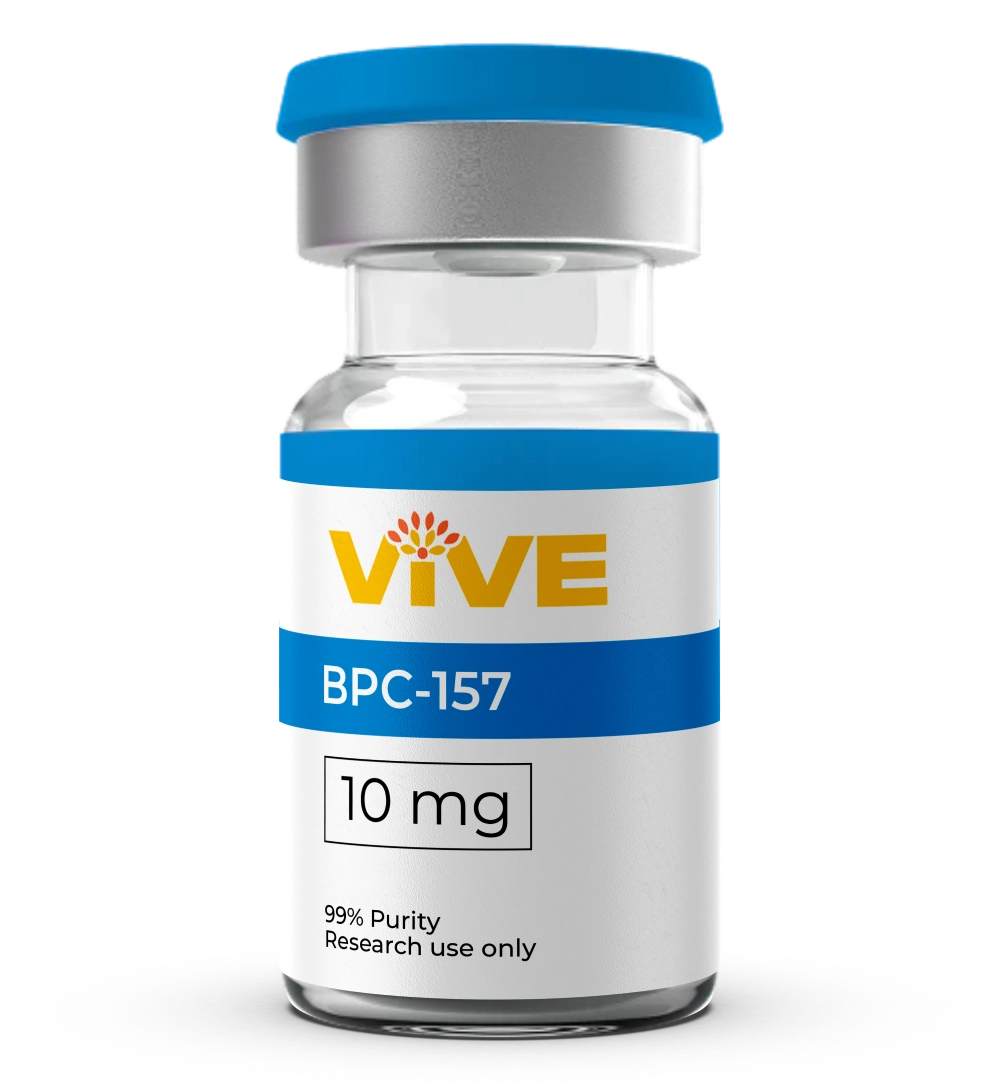
The batch number is the most frequently overlooked field. A COA without a batch number may reflect material synthesized months earlier and says nothing about the current lot in stock. Researchers reviewing a product like BPC-157 peptide should confirm the certificate corresponds to the batch currently available before finalizing an order.
Supplier claims about compound purity carry no analytical weight without a COA linked to a specific batch. The certificate of analysis is what converts claims into data a researcher can audit, reproduce, and cite.
Why Third-Party Testing Matters More Than Supplier Self-Reporting
A manufacturer testing its own compound faces a structural conflict. The same organization that profits from selling the compound also reports whether it meets specification. This does not imply dishonesty, but it does mean the results are not independently verified data.
Independent verification eliminates that conflict. The testing laboratory has no financial interest in the outcome. Its ISO 17025 accreditation, the international standard governing analytical testing laboratory competence, depends on producing accurate, auditable results. An ISO 17025-accredited lab submits to external audits of its methods, equipment, and personnel. Its reports are documented analytical results produced under verified conditions, not internal assurances.
This is why third-party testing matters beyond any individual supplier relationship. The research community depends on reproducible results. When a compound's purity is self-reported or unknown, it introduces an uncontrolled variable into every downstream protocol. Independent verification converts that variable into a confirmed data point.
How VivePeptides Applies Batch-Level Quality Control
VivePeptides applies quality control at two distinct checkpoints in the production chain. First, incoming raw material from the active pharmaceutical ingredient supplier is cross-referenced against the expected mass spectrometry profile before synthesis proceeds. Second, every finished batch is submitted to an external, accredited laboratory for full analytical testing.
The external lab runs both HPLC and mass spectrometry. The resulting certificate is compared against specification for each compound. Batches falling below 99% purity are rejected and do not advance to the catalog. No batch ships without a current, passing certificate of analysis on file.
This approach treats quality control as a gate function rather than a retrospective review. The batch does not proceed until the data confirms it meets specification. That structure reflects standard practice in pharmaceutical-grade analytical chemistry, applied here to research-grade compounds.
Frequently Asked Questions
Why does third-party testing matter for research peptides?
Third-party testing matters because it removes the conflict of interest present when a manufacturer tests its own compound. An independent, accredited laboratory has no financial stake in the outcome, so its certificate of analysis reflects what the compound actually contains rather than what the supplier claims. Without independent verification, purity data cannot support reproducible research protocols.
What purity percentage is considered research grade?
Most published protocols specify a minimum of 95% purity. Researchers and biohackers working with precision models typically source compounds at 99% or higher. VivePeptides sets 99% as its minimum release threshold, and every batch is verified against that standard by an external laboratory before shipping.
What does mass spectrometry confirm that HPLC alone cannot?
HPLC confirms purity by measuring relative peak areas of separated compounds. Mass spectrometry confirms identity by measuring the molecular mass and fragmentation pattern of the target compound. A peptide can register high purity on HPLC while being a structurally similar but incorrect compound. Together, the two techniques provide a complete analytical profile of both purity and identity.
Where are VivePeptides certificates of analysis available?
Batch-specific certificates are linked on each product page. Each certificate includes HPLC purity data, mass spectrometry results, the batch number, and the testing laboratory's accreditation information. Researchers can review the current batch certificate before placing an order to confirm the data applies to material currently in stock.
Does NSF certification apply to research peptides?
NSF certification applies primarily to dietary supplements and food contact materials. For research peptides, ISO 17025 laboratory accreditation is the relevant standard. It governs analytical laboratory competence and accuracy in test reporting, which is the category that applies to compound verification rather than consumer product safety classification.
Confirm Purity Before You Research
Every protocol a researcher builds around a compound assumes that compound matches its label. VivePeptides provides batch-specific third-party testing certificates so that assumption becomes verified data rather than a supplier claim. Browse the VivePeptides shop to review current batch certificates and place your next research order.
Research Use Only
All information in this article is intended for educational and research purposes only. VivePeptides products are not intended for human or veterinary use.