Research Article
TB-500 Dosing Protocols in Research: Concentrations Guide
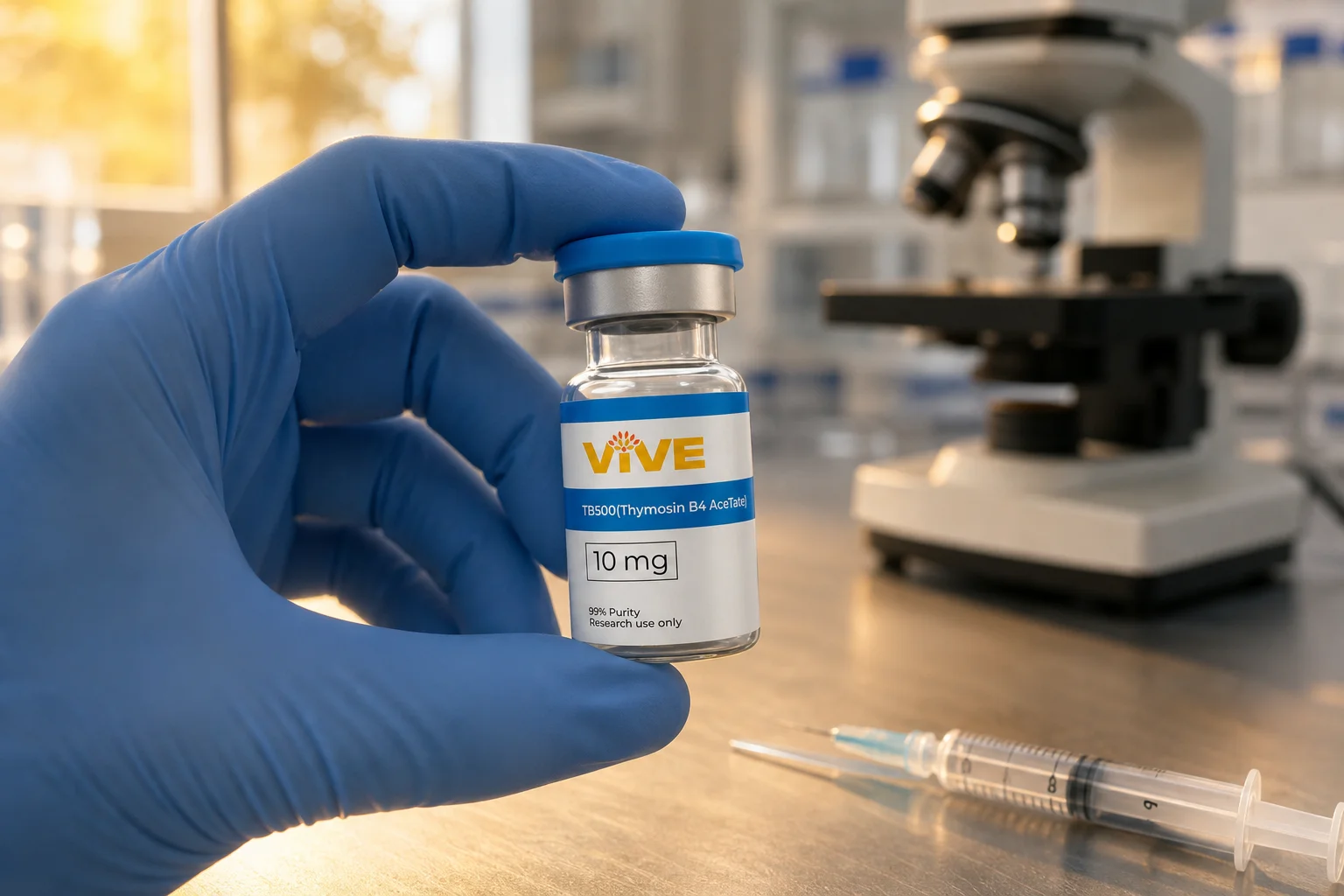
TB-500 dosing protocols in research typically follow a loading phase of small, frequent doses for several weeks before shifting to a lower maintenance schedule. Investigators reconstitute lyophilized research-grade TB-500 with bacteriostatic water, then adjust concentration, injection frequency, and total weekly dose based on the specific tissue repair model under study.
By Vive Team
Understanding TB-500 Dosing Protocols in Research Contexts
TB-500 is the research name most often applied to a synthetic peptide fragment derived from thymosin beta-4, a small protein studied for its role in cell migration, angiogenesis, and tissue repair signaling in laboratory models. When researchers reference TB-500 dosing protocols in research, they typically mean the structured relationship between reconstituted concentration, injection frequency, and total cycle length that a given study applies to an animal or in vitro model. Because TB-500 is manufactured and sold strictly for laboratory and research use, not for human administration, protocols published in academic literature vary considerably depending on the injury model, the tissue type under investigation, and whether the study is examining acute wound closure or a longer degenerative process. Reviewing how prior studies structured their TB-500 dosing protocols in research settings also helps new investigators avoid common pitfalls, such as under dosing during the critical early window of an injury model or extending a maintenance phase well past the point where additional exposure produces measurable benefit.
Most published peptide therapy research on thymosin beta-4 analogs follows a two phase structure: an initial loading period with more frequent, lower volume doses, followed by a maintenance phase with fewer weekly administrations. This guide summarizes the standard concentration ranges, reconstitution steps, and stability data reported across research settings, along with the study design variables that most affect outcomes in tissue repair models.
Standard Concentrations and Reconstitution for Research Use
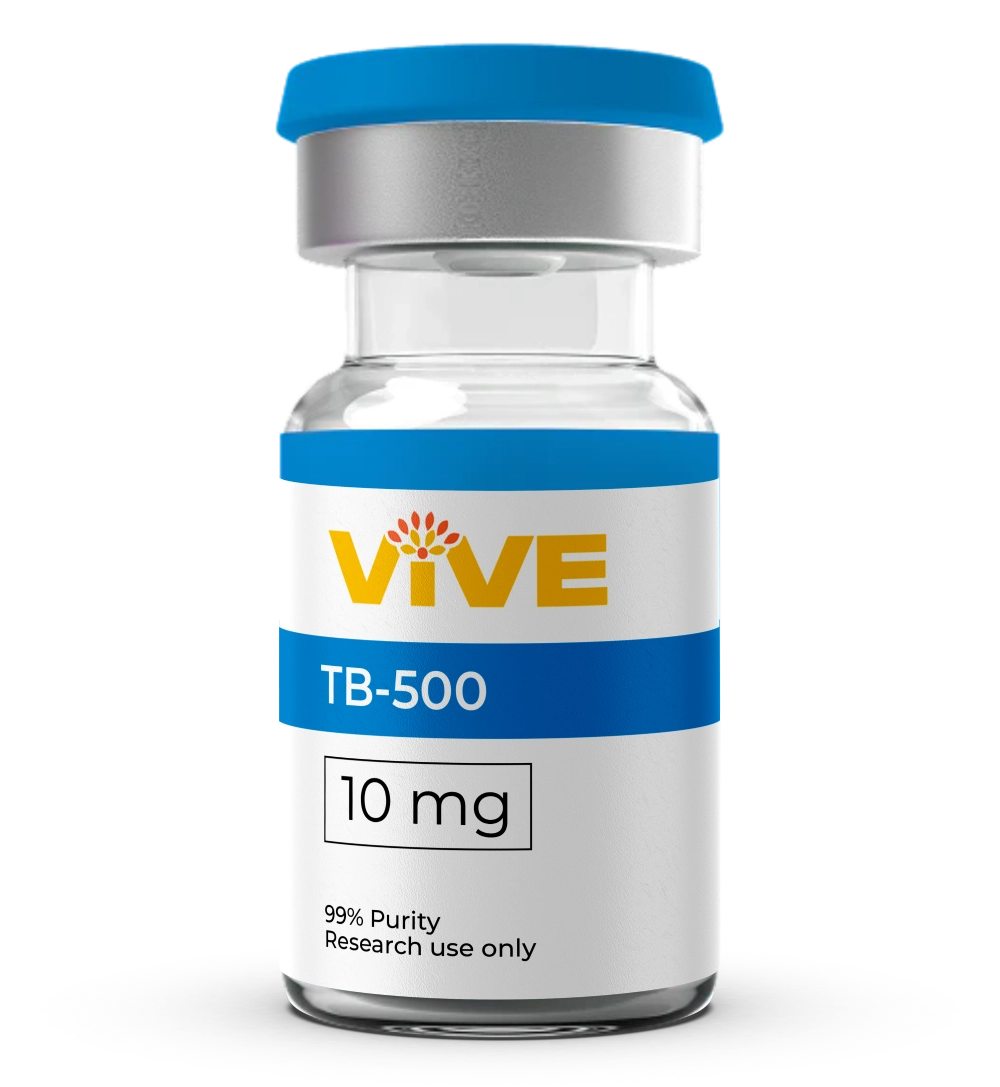
TB-500 is typically supplied as a lyophilized, freeze dried powder in vials containing 2 mg, 5 mg, or 10 mg of peptide, and it must be reconstituted before any research administration. Investigators commonly use bacteriostatic water for peptide reconstitution rather than plain sterile water, since the added preservative allows the reconstituted solution to remain stable for multiple uses from the same vial across a several week research cycle. Selecting the right vial size largely depends on the scale of the research protocol: smaller 2 mg vials suit short pilot studies or single animal models, while 10 mg vials are more practical for longer studies involving multiple subjects or repeated weekly administration across an extended maintenance phase.
A common reconstitution approach adds 2 mL of bacteriostatic water to a 5 mg vial, producing a solution concentration of 2.5 mg per mL, though some protocols use a more concentrated 1 mL dilution for smaller research models. The resulting solution should appear clear and colorless. Any cloudiness or visible particulate after reconstitution is a signal to discard that vial rather than proceed with dosing.
Loading Phase and Maintenance Dosing Frameworks
Loading phase protocols reported in TB-500 research generally call for daily or every other day doses for the first one to two weeks, allowing researchers to establish tissue level exposure quickly in the model being studied. Total weekly dosage during this phase is often higher than in later stages, reflecting the goal of saturating the injury site during the earliest window of the repair process.
Once the loading period ends, many published designs shift to a maintenance schedule of two doses per week, sometimes tapering to a single weekly dose as the study progresses. The total number of days a protocol runs depends heavily on the injury model. Acute wound models may conclude within three to four weeks, while chronic tissue repair models can extend the maintenance phase considerably longer to observe whether early gains are sustained.
Stability, Storage, and Handling in the Research Lab
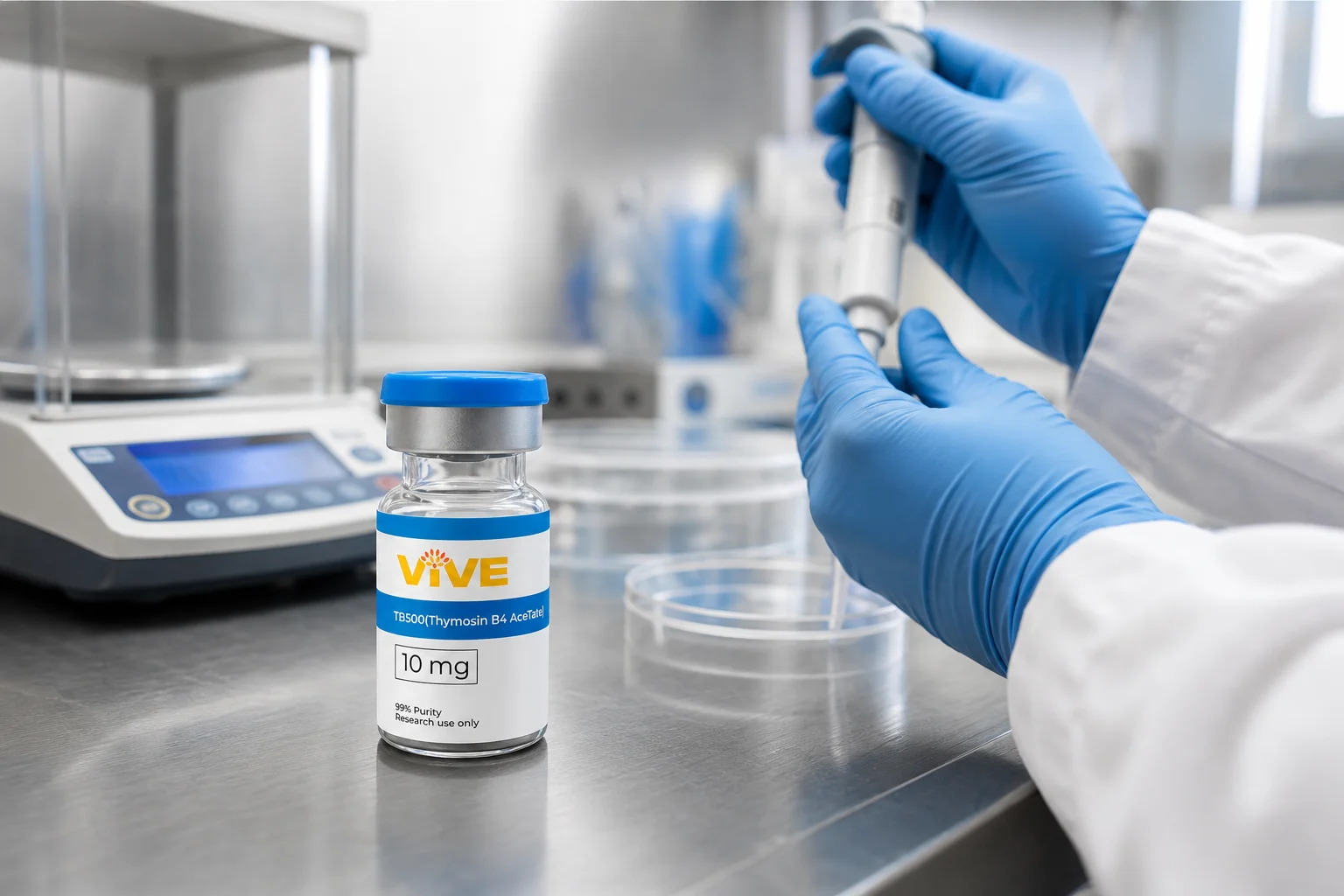
Unreconstituted TB-500 powder is comparatively stable and is generally stored frozen or refrigerated, protected from light, until the vial is opened for a study. Once reconstituted, the solution is considerably less stable and should be kept refrigerated between uses, with most research protocols recommending the prepared solution be used within a defined number of days to weeks rather than stored indefinitely. Many published handling guidelines recommend storing reconstituted TB-500 at standard refrigerator temperatures, generally between 2 and 8 degrees Celsius, and avoiding any storage above room temperature even for brief periods, since heat exposure is one of the fastest ways to compromise peptide integrity before a scheduled dose.
Repeated freeze thaw cycles, room temperature storage, and exposure to light are the most commonly cited factors that degrade peptide stability in a research setting. Labeling each vial with the reconstitution date and tracking how many days have elapsed since mixing is a simple safety practice that keeps dosing records accurate across a multi week protocol.
Study Design Considerations for Tissue Repair and Recovery Models
Because TB-500 dosing protocols in research are so closely tied to the tissue repair model being tested, study designs typically specify the injury type such as tendon, muscle, corneal, or dermal wound, the administration route, most often subcutaneous or intramuscular injection in animal models, and the specific endpoints used to measure recovery, such as wound closure rate, collagen deposition, or vascular density. Sample size, control group design, and blinding procedures also factor heavily into how reliable a given set of dosing outcomes turns out to be, which is why researchers replicating a published protocol should review the full methods section rather than relying on a summarized dosage alone.
Early laboratory work by Malinda et al., published in the Journal of Investigative Dermatology in 1999, examined how thymosin beta-4 influenced wound healing and cell migration in animal models, and that body of research helped establish the rationale for many of today's TB-500 study designs. Because thymosin beta-4 and its synthetic analogs act on similar repair pathways throughout the body, researchers frequently compare TB-500 head to head against other regenerative peptides to see which produces stronger outcomes in a given tissue repair model.
Many published designs also test TB-500 in combination with other peptides. BPC-157 in published studies frequently appears alongside TB-500 in combined injury models, since both peptides are studied for overlapping applications in soft tissue recovery. Any protocol combining multiple peptides should document each compound's concentration and dosing schedule separately to preserve the safety and traceability of the overall research record.
Frequently Asked Questions
What is a typical TB-500 dosing protocol in research studies? Published research most often describes a loading phase of daily or every other day doses for one to two weeks, followed by a maintenance phase of one to two doses per week. Exact concentration and total weekly dose vary by injury model, so researchers should reference the specific study design they are replicating rather than a single universal protocol.
How is TB-500 reconstituted for research use? TB-500 is supplied as a lyophilized powder and reconstituted with bacteriostatic water rather than plain sterile water, since the preservative content extends solution stability across a multi dose vial. A common approach mixes 2 mL of bacteriostatic water into a 5 mg vial for a 2.5 mg per mL working solution, though ratios vary by protocol.
How long does reconstituted TB-500 remain stable? Once reconstituted, TB-500 solution is generally kept refrigerated and used within the timeframe specified by the protocol being followed, typically a matter of weeks rather than months. Repeated freeze thaw cycles, warm storage, and light exposure are the main factors reported to reduce peptide stability in a laboratory setting.
Is TB-500 approved for human use? No. TB-500 is manufactured and sold strictly for laboratory and research purposes, not for human use. It has not been approved by any regulatory body for medical application, and the dosing protocols discussed in academic literature describe controlled research settings involving animal or in vitro models, not self administration or clinical treatment.
Why do some TB-500 protocols combine it with BPC-157? Researchers studying tissue repair sometimes design combined injury models that test TB-500 alongside BPC-157, since both peptides are examined for overlapping roles in soft tissue recovery pathways. Combining compounds requires tracking each peptide's concentration and schedule separately so the contribution of each can still be evaluated within the study design.
Continue Your TB-500 Research Reading
For a closer look at how TB-500 compares to another widely studied recovery peptide, read our guide to bpc-157 vs tb-500 before finalizing your next study design.
Research Use Only
All information in this article is intended for educational and research purposes only. VivePeptides products are not intended for human or veterinary use.