Research Article
BPC-157 vs TB-500: Which Peptide Is Better for Recovery Research?
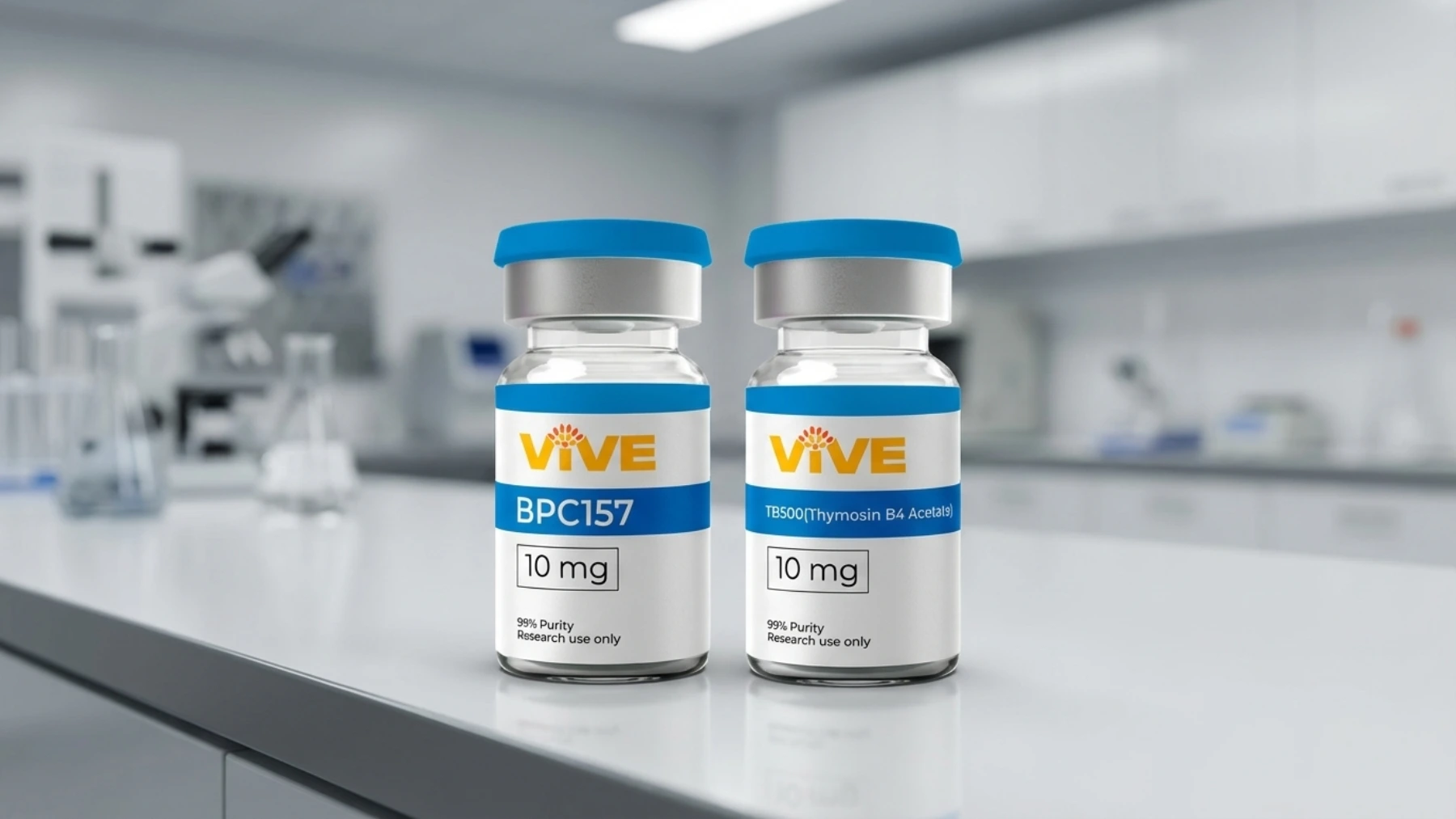
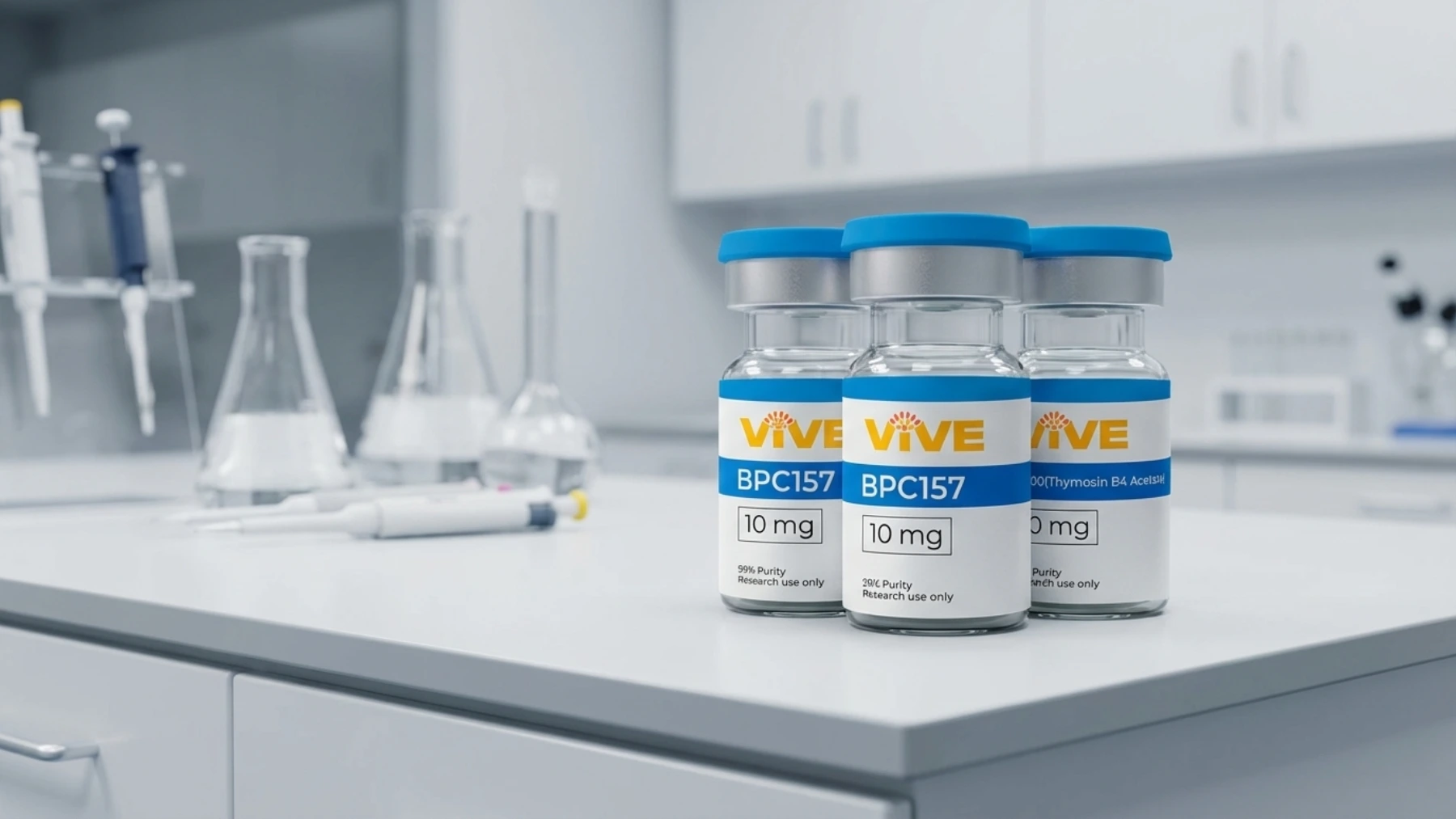
Both BPC-157 and TB-500 are among the most extensively studied peptides in preclinical tissue-repair research. BPC-157 operates through localized pro-angiogenic signaling, while TB-500 works systemically via G-actin sequestration and cytoskeletal remodeling. Neither is superior across all research contexts. The more precise question is which compound, or which combination, best fits the specific tissue type and injury model being investigated.
Research Use Only: All content on this page is intended for educational and informational purposes related to peptide research. BPC-157 and TB-500 are not approved by the FDA for human therapeutic use. These compounds are sold strictly for laboratory and research applications.
Understanding the Two Compounds
BPC-157, formally known as Body Protection Compound-157, is a synthetic 15-amino-acid peptide derived from a naturally occurring sequence found in gastric juice. Its discovery in the context of mucosal protection research led investigators to observe broader systemic effects on tissue homeostasis, including connective tissue and vascular repair.
TB-500 is a synthetic analogue of thymosin beta-4 (TB4), a 43-amino-acid peptide expressed in virtually every mammalian cell. Thymosin beta-4 was first isolated in the early 1980s and has since been studied extensively for its role in regulating actin dynamics, cell migration, and differentiation across a wide range of tissue types.
BPC-157
Body Protection Compound-157
15-amino-acid synthetic peptide. Derived from a gastric protein sequence. Primary research focus: localized tissue signaling, connective tissue support, and angiogenesis at injury sites.
TB-500
Thymosin Beta-4 Analogue
Synthetic analogue of the 43-amino-acid thymosin beta-4. Primary research focus: G-actin sequestration, systemic cell migration, skeletal muscle regeneration, and multi-tissue remodeling.
Mechanism of Action: How Each Peptide Works in Research Models
BPC-157: Localized Repair Through VEGFR2 and Nitric Oxide Pathways
The most studied mechanism of BPC-157 involves activation of the VEGFR2-Akt-eNOS signaling cascade. Research published in Current Pharmaceutical Design (Sikiric et al., 2018) documents how BPC-157 upregulates vascular endothelial growth factor receptor 2 (VEGFR2), initiating a downstream phosphoinositide 3-kinase (PI3K) response that promotes endothelial nitric oxide synthase (eNOS) activity.
This dual-pathway activation, encompassing both VEGF-dependent (via VEGFR2-PI3K-Akt-eNOS) and VEGF-independent (via Src-caveolin-1-eNOS) pathways, supports angiogenesis, vasodilation, and vascular stability in preclinical wound models. Elevated nitric oxide production is associated with improved blood flow to sites of mechanical injury.
A second well-documented mechanism involves the FAK-paxillin pathway. Studies by Sikiric and colleagues (Journal of Physiology and Pharmacology, 2009) demonstrate that BPC-157 promotes tendon fibroblast migration through this focal adhesion kinase pathway, which also potentiates growth hormone receptor expression, upregulating JAK2 signaling and amplifying the proliferative effects of circulating growth hormone on healing tissue.
TB-500: Systemic Remodeling Through G-Actin Sequestration
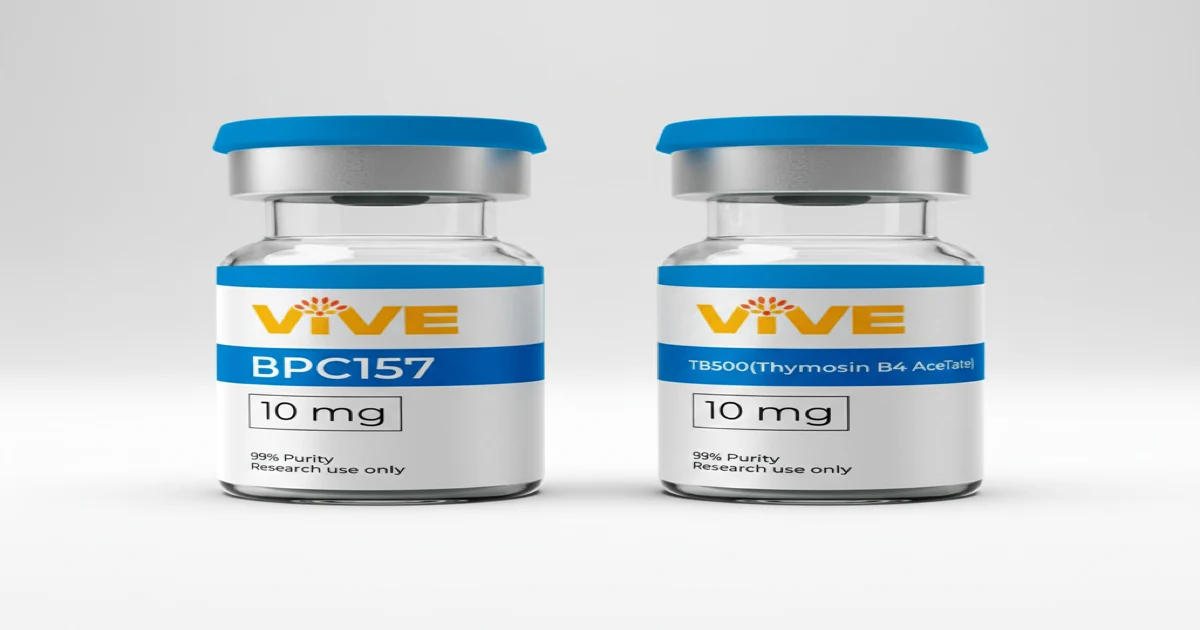
TB-500's primary mechanism centers on its ability to bind G-actin (globular actin) in a 1:1 ratio. By sequestering actin monomers, thymosin beta-4 (and by extension TB-500) regulates cytoskeletal dynamics at the cellular level. This regulation is foundational to cell motility: cells with higher TB4 expression demonstrate enhanced capacity to migrate toward injury sites.
The downstream effects of this mechanism are wide-ranging. Research documented in Annals of the New York Academy of Sciences (Goldstein et al., 2012) shows that thymosin beta-4 promotes the activation of muscle-resident satellite cells, encouraging their proliferation and differentiation into mature muscle fibers. The same actin-regulatory function supports endothelial cell migration for new vessel formation, which positions TB-500 as a systemic pro-angiogenic agent by a pathway entirely distinct from BPC-157.
Unlike BPC-157, which tends to exert its effects concentrated at or near the injury site, TB-500's systemic distribution means its influence on cell migration and tissue remodeling is not anatomically constrained. This distinction has meaningful implications for which compound is selected in different experimental models.
Head-to-Head Research Comparison
Research Variable | BPC-157 | TB-500
---|---|---
Peptide length | 15 amino acids | 43 amino acids (analogue)
Primary mechanism | VEGFR2-Akt-eNOS activation | G-actin sequestration, cytoskeletal remodeling
Angiogenesis pathway | VEGF-dependent + VEGF-independent NO signaling | Endothelial cell migration via actin dynamics
Localized vs. systemic | Primarily localized to injury site | Systemically distributed
Tendon research evidence | Strong (Achilles tendon rat models, collagen studies) | Moderate (tendon + ligament models)
Skeletal muscle research | Moderate | Strong (satellite cell activation, fibrosis reduction)
Cardiac tissue research | Limited preclinical data | Documented in post-ischemic models
Neurological research | Emerging, limited | Spinal cord injury models documented
GI tract research | Extensive (origin compound) | Minimal
Human clinical data | 3 pilot studies only | Phase I-III trials (cardiac indications)
WADA status | Prohibited | Prohibited
Tissue-Specific Research Applications
Tendons and Ligaments
BPC-157 has a notably strong preclinical record in tendon research. A study in Journal of Orthopaedic Research (Chang et al., 2011) demonstrated that BPC-157 accelerated healing of transected rat Achilles tendons, with histological analysis confirming improved collagen organization and enhanced tensile strength compared to controls. A 2025 systematic review published in Orthopaedic Journal of Sports Medicine (Vasireddi, Hahamyan, Salata et al.) examined the emerging literature and found consistent preclinical support for BPC-157 in musculoskeletal injury models, while noting the absence of randomized controlled trials in humans.
TB-500 also demonstrates efficacy in tendon and ligament models, though the research base here is somewhat narrower. Its systemic mechanism makes it relevant in models where cell migration across a broader anatomical range is a key variable. For isolated, site-specific tendon injury models, BPC-157 has the deeper body of supporting research.
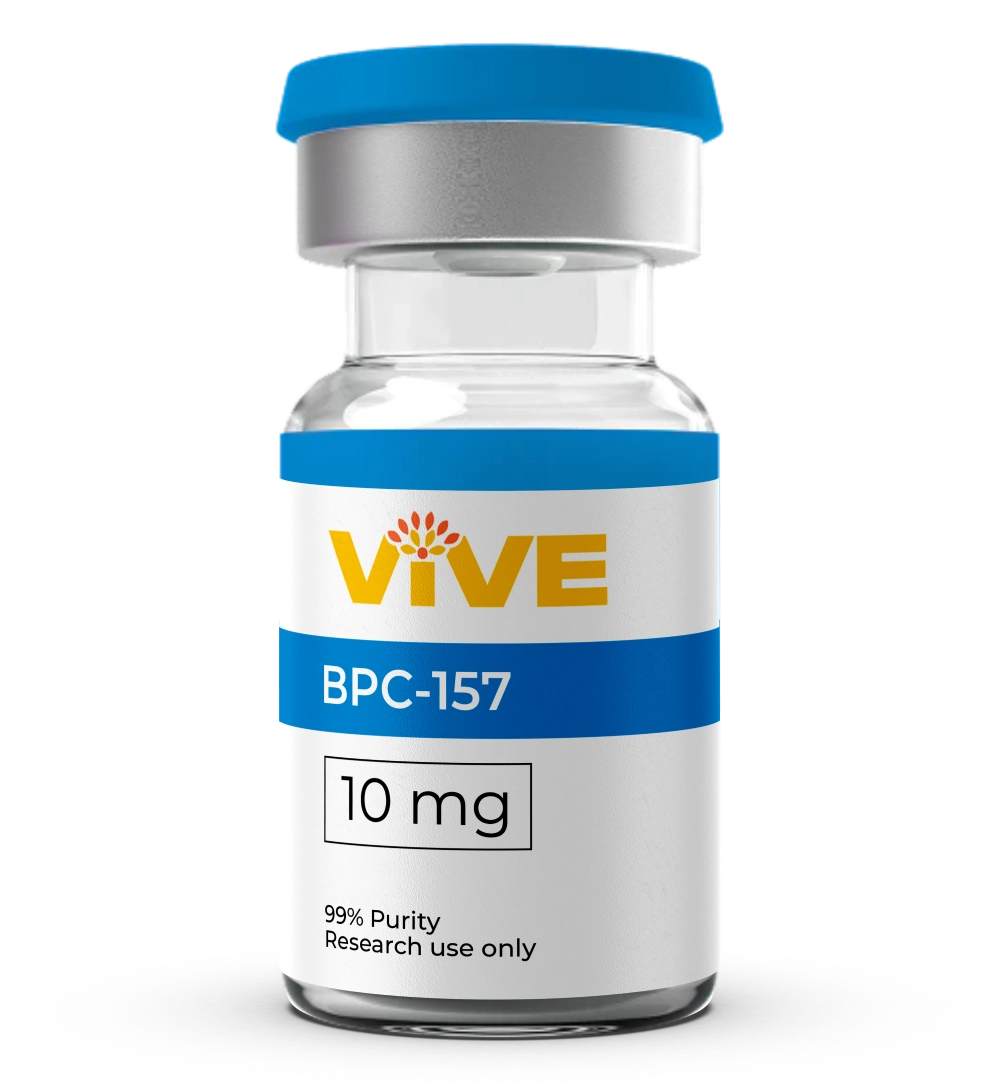
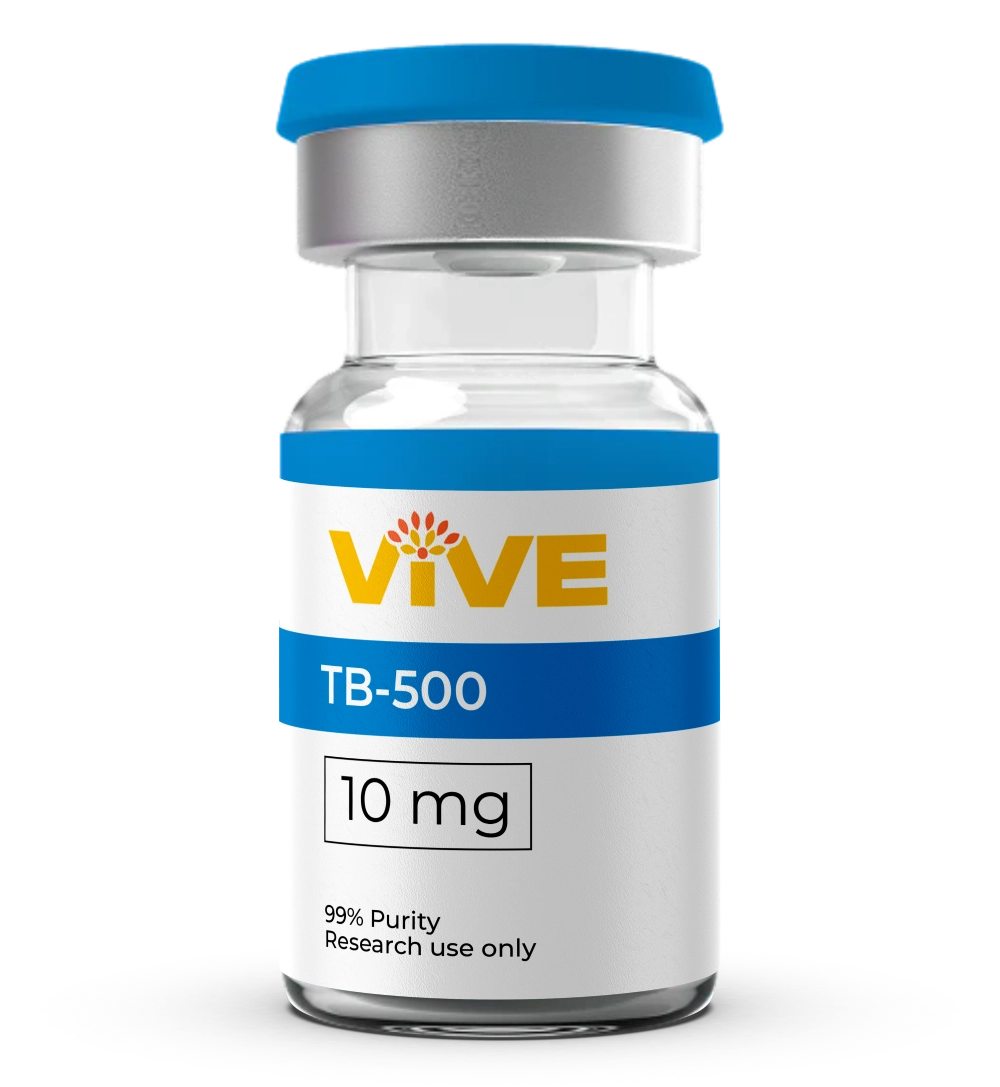
Researchers interested in tendon and connective tissue repair can explore BPC-157 and TB-500 available through VivePeptides for laboratory use.
Skeletal Muscle
TB-500 edges ahead for skeletal muscle repair research. The satellite cell activation pathway, a direct consequence of thymosin beta-4 expression, is central to muscle fiber regeneration following mechanical damage. Studies in rodent laceration models show accelerated healing, reduced fibrotic tissue formation, and improved functional recovery with TB-500 administration. The anti-fibrotic component is particularly notable in models of chronic or repeated injury, where collagen deposition and scar formation reduce long-term tissue quality.
Systemic and Multi-Tissue Models
For research designs that require broad systemic coverage (multiple injury sites, complex wound environments, or models studying the interaction between tissue types), TB-500 presents advantages by virtue of its systemic distribution. BPC-157, despite its gastric origin, has demonstrated notable versatility and appears in preclinical literature covering muscle, tendon, bone, liver, and gastrointestinal tissue. However, its localized mechanism is most consistently observed and reported in connective tissue models.
Combining BPC-157 and TB-500 in Research: The Dual-Pathway Approach
Research Note: The combination of BPC-157 and TB-500 (sometimes referenced in literature as a "dual-pathway" or "Wolverine Stack" protocol) has drawn interest precisely because the two compounds engage non-overlapping mechanisms. VEGFR2-driven angiogenesis (BPC-157) combined with actin-mediated cell migration (TB-500) theoretically addresses both vascular support and progenitor cell recruitment at injury sites.
The rationale for co-administration in research models is mechanistic. BPC-157 works to establish and stabilize the vascular framework at a wound site, promoting new blood vessel formation and nitric oxide-mediated vasodilation. TB-500 simultaneously drives progenitor and endothelial cell migration toward that site while regulating cytoskeletal dynamics that support tissue matrix remodeling. The two pathways are not redundant; they are complementary.
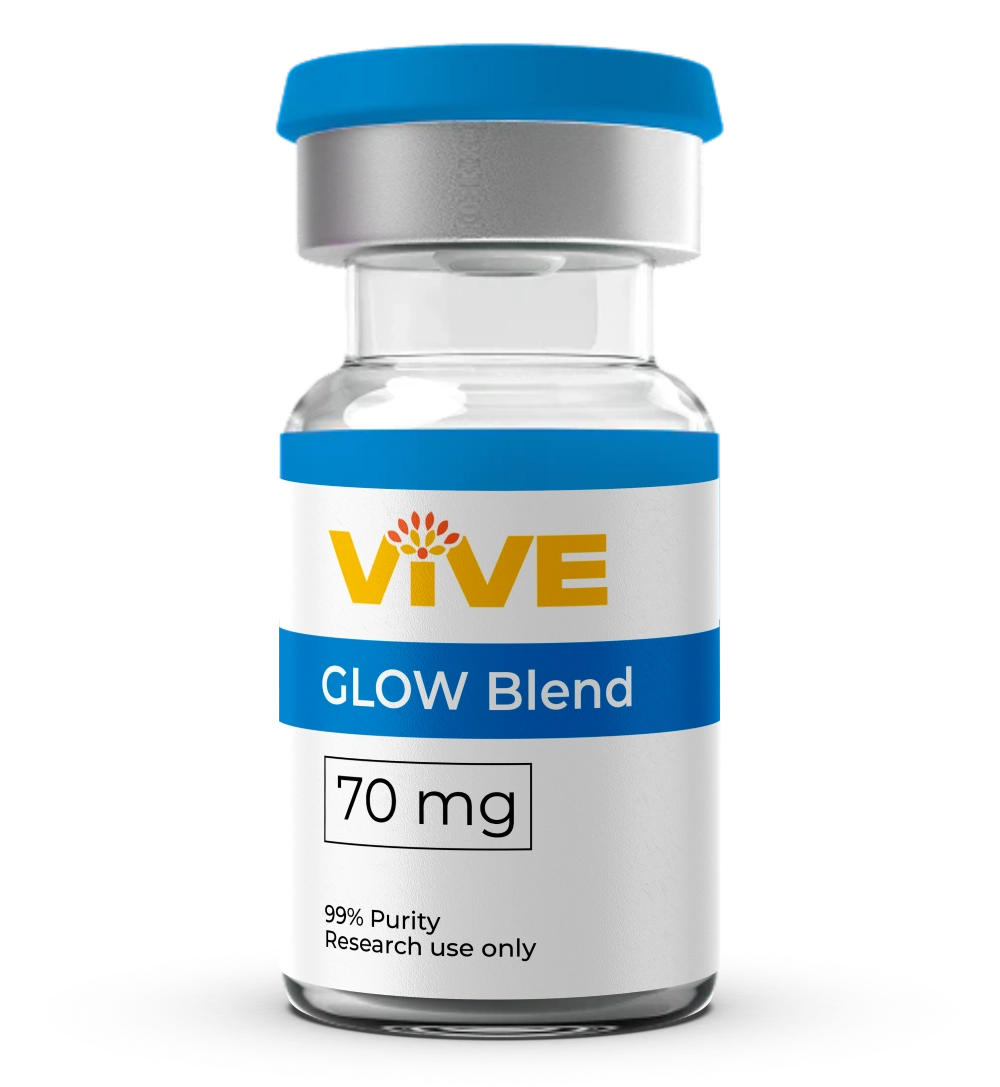
For researchers interested in studying both pathways simultaneously, VivePeptides offers the Glow Blend (BPC-157, TB-500, GHK-Cu), which combines these two compounds with a third research peptide for multi-pathway investigation.
BPC-157 Research Strengths
- Deep preclinical tendon and ligament dataset
- Well-characterized VEGFR2-eNOS mechanism
- Extensive GI and mucosal tissue research
- Collagen synthesis and fibroblast data
- FAK-paxillin pathway for cell migration models
BPC-157 Research Limitations
- Only 3 published human pilot studies
- Limited cardiac and neurological tissue data
- No published RCTs in human subjects
- Pharmacokinetics in humans not fully established
TB-500 Research Strengths
- Broader human clinical trial history (Phase I-III)
- Strong skeletal muscle and cardiac tissue data
- Well-documented G-actin sequestration mechanism
- Systemic distribution covers multi-tissue models
- Anti-fibrotic properties in chronic injury models
TB-500 Research Limitations
- Less specific for isolated tendon injury models
- Systemic distribution complicates site-specific study designs
- GI tissue research minimal
- Banned by WADA; relevant for competitive sports research contexts
Evidence Quality: Where Does the Research Stand?
It is important for researchers to contextualize the evidence base for both compounds accurately. The overwhelming majority of BPC-157 data comes from rodent models. While the mechanistic consistency across these studies is notable (the VEGFR2, FAK-paxillin, and nitric oxide findings replicate reliably in animal models), the translational gap to human physiology remains uncharacterized at scale. The 2025 systematic review by Vasireddi and colleagues in Orthopaedic Journal of Sports Medicine summarizes this position precisely: preclinical support is robust, but human RCT data is absent.
TB-500, by contrast, has a somewhat stronger human evidence trail. Thymosin beta-4 has completed Phase II and Phase III clinical investigation in cardiac indications, generating pharmacokinetic and safety data that provides a more developed human profile, even though those trials do not directly address the musculoskeletal recovery applications most commonly studied in preclinical models.
43
Amino acids in thymosin beta-4 (TB-500 source peptide), one of the most studied regulatory peptides in mammalian cell biology
Selecting the Right Peptide for Your Research Model
The "which is better" framing often obscures a more useful question: which compound best matches the specific tissue type, injury mechanism, and experimental design under investigation?
For researchers working with tendon, ligament, and connective tissue models, the BPC-157 literature is the more developed starting point. The localized VEGFR2-driven mechanism, combined with direct fibroblast data, makes it well-suited to site-specific injury paradigms.
For researchers studying skeletal muscle repair, chronic injury, or multi-tissue recovery models, TB-500's systemic G-actin mechanism and satellite cell activation data provide a stronger mechanistic basis. Its broader human clinical trial history also makes it more tractable for protocol development where human translation is an eventual objective.
For research designs where both local vascular support and systemic cell migration are relevant variables, combining both compounds allows investigation of non-overlapping pathways simultaneously, a design approach that has generated interest in the peptide research literature precisely because the two mechanisms do not compete or duplicate.
Browse the full range of research-grade peptides available at VivePeptides Shop, including individual compounds and combination formulations for advanced preclinical research protocols.
Frequently Asked Questions
Is BPC-157 or TB-500 better for tendon repair research?
BPC-157 has the more developed preclinical dataset specifically for tendon research. Studies in rodent Achilles tendon models document improved collagen organization, tensile strength, and healing kinetics. TB-500 is also studied in tendon models but with a narrower body of supporting literature. For isolated tendon injury models, BPC-157 is the more thoroughly characterized compound.
Can BPC-157 and TB-500 be used together in research protocols?
Yes, co-administration is studied in preclinical models, and the mechanistic rationale is well-supported. BPC-157 activates VEGFR2 and nitric oxide pathways locally, while TB-500 drives G-actin-mediated cell migration systemically. The two mechanisms are complementary rather than redundant, making dual-peptide protocols relevant for research designs covering both vascular and cellular repair dynamics.
What is the difference between TB-500 and thymosin beta-4?
Thymosin beta-4 (TB4) is the naturally occurring 43-amino-acid peptide found in mammalian cells. TB-500 is a synthetic analogue; specifically, the active fragment of TB4 that retains the actin-binding and cell-migratory properties of the full sequence. In most research applications, TB-500 is used as a practical substitute for the full thymosin beta-4 molecule.
What is the evidence level for BPC-157 in humans?
As of 2025, only three published pilot studies have examined BPC-157 in human subjects, covering intra-articular knee applications, interstitial cystitis, and intravenous pharmacokinetics. No randomized controlled trials in humans have been published. The preclinical evidence base is extensive but consists primarily of rodent models. This gap between animal and human data is a consistent caveat in current literature reviews of the compound.
Are BPC-157 and TB-500 approved for human use?
Neither compound is approved by the FDA for human therapeutic use. Both are prohibited by the World Anti-Doping Agency (WADA). They are available for research purposes and are sold strictly for laboratory and in-vitro study. Any other use falls outside the scope of current regulatory approvals.
All peptides referenced in this article are available for research use only throughVivePeptides. This content is intended for researchers and educational audiences and does not constitute medical advice, diagnosis, or treatment recommendations.
Research Use Only
All information in this article is intended for educational and research purposes only. VivePeptides products are not intended for human or veterinary use.