Research Article
PT-141 Research Protocols: Melanocortin Receptor Guide
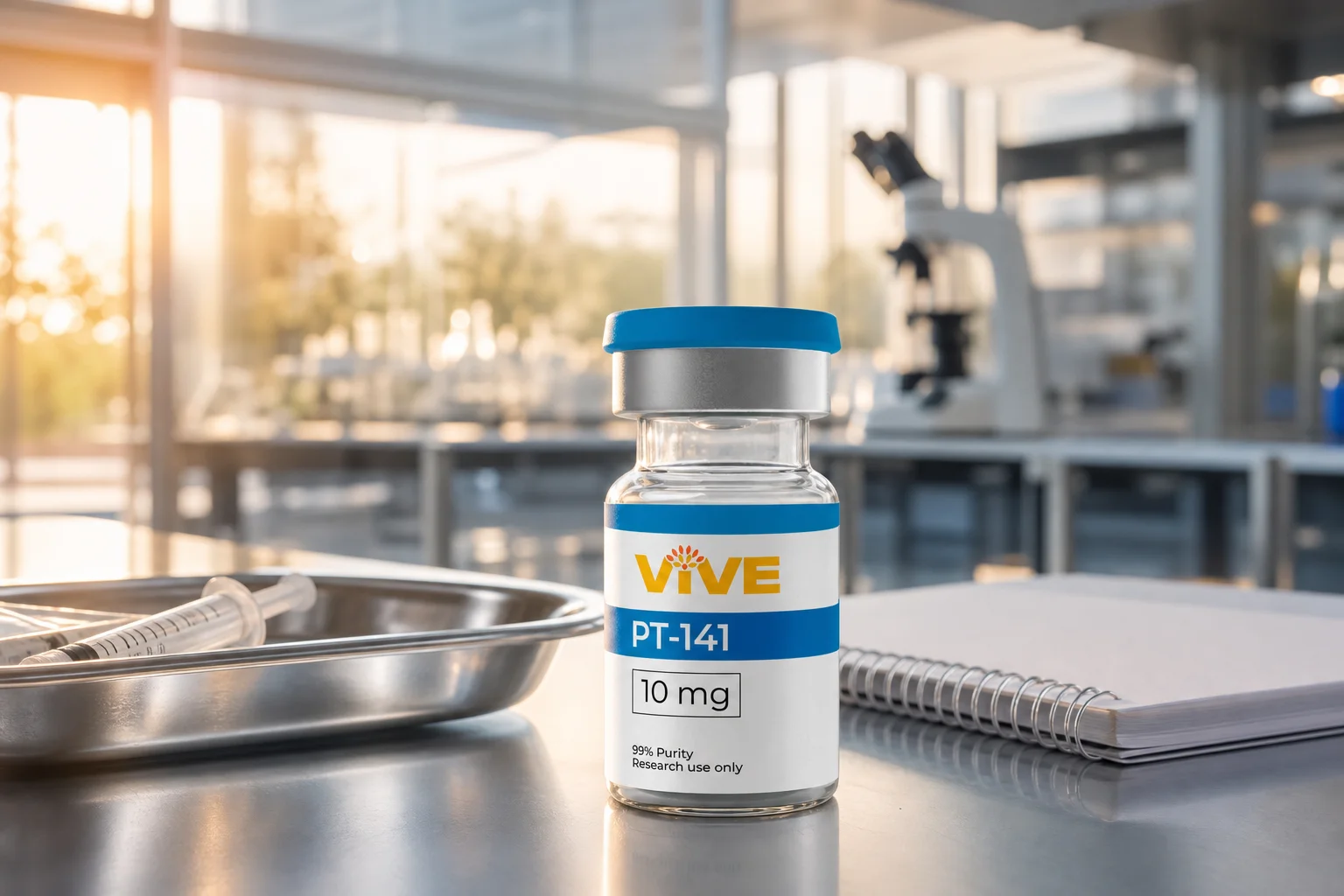
PT-141 research protocols center on how this melanocortin receptor agonist activates central nervous system pathways rather than acting on vascular tissue directly. Researchers studying research-grade PT-141 examine dose ranges, subcutaneous injection timing, and receptor activation windows to characterize its distinct mechanism in published literature.
By Vive Team
How Melanocortin Receptor Activation Differs From Vascular-Acting Compounds
Most compounds historically studied for sexual response research act peripherally, targeting blood flow and vascular tissue directly. PT-141, known in the literature as bremelanotide, works through an entirely different route. As a melanocortin receptor agonist, it binds to MC3R and MC4R receptor subtypes concentrated in the hypothalamus, a brain region tied to arousal signaling rather than local blood pressure regulation.
This distinction matters for researchers designing PT-141 research protocols, because study endpoints, timing windows, and control variables differ substantially from those used for peripherally acting agents. A compound that crosses into central nervous system pathways requires different pharmacokinetic tracking than one that stays in peripheral circulation. Blood sampling schedules, for instance, are often structured around the compound's central onset curve rather than a simple vascular clearance model.
Early interest in melanocortin receptor agonists grew out of Melanotan II research, since PT-141 is a structural fragment derived from that earlier compound. Researchers comparing Melanotan II dosing data against bremelanotide often note that isolating the fragment reduced some off-target activity associated with the parent compound, a detail documented across multiple research summaries. Because the hypothalamic receptor population is shared across several melanocortin ligands, protocol design often includes a washout period between compounds when the same subject pool is studied across more than one agent.
Central Nervous System Pathways Studied in PT-141 Research Protocols
The bulk of published clinical trials on bremelanotide have focused on two overlapping areas: hypoactive sexual desire disorder in premenopausal women and broader sexual dysfunction outcomes tied to arousal signaling. Separate research streams have also examined erectile dysfunction endpoints and general sexual activity measures following melanocortin receptor agonist administration, though the regulatory pathway and study population differ from the desire-disorder trials.
Researchers designing protocols around these pathways typically track a combination of subjective questionnaire data and objective physiological measures. Because the mechanism is central rather than vascular, cardiovascular monitoring, including blood pressure checks before and after dosing, remains part of most published trial designs, even though the receptor target itself sits in the brain rather than the vasculature.
Ongoing PT- bremelanotide research protocols continue to refine dose-timing standards across the field, and data retrieved from published trial summaries shows considerable variability across study populations. PT-141's origin as a Melanotan II fragment shapes how researchers classify its receptor activity relative to the parent compound, a relationship covered in the PT-141 research guide.
Endpoints and Measurement Tools Used in Trial Design
Because bremelanotide's primary activity happens in the brain rather than local tissue, researchers cannot rely on the same objective endpoints used for peripherally acting compounds. Validated questionnaire instruments, self-reported arousal logs, and structured interview protocols make up a large share of the data collected in published trials. Some study designs pair these subjective tools with continuous blood pressure monitoring to separate central nervous system effects from any secondary cardiovascular response.
Timing of measurement matters as much as the tool itself. Because melanocortin receptor activation follows a distinct onset and decay curve compared to peripherally acting agents, researchers typically schedule follow-up assessments at multiple intervals after subcutaneous injection rather than a single endpoint measurement. This layered approach helps separate the compound's central activity window from any lingering placebo effect in the study population, a variable that has complicated interpretation of some earlier trial data in the literature.
Dose Variables in Subcutaneous Injection Study Designs
Dose selection is one of the more variable elements across published PT-141 research protocols. Human trials have used a range of doses delivered by subcutaneous injection, with researchers adjusting timing relative to the study's defined activity window rather than a fixed daily schedule. Because the compound's central activation curve differs from peripherally acting agents, many protocols stagger dosing sessions to avoid compounding tachyphylaxis, a reduced-response pattern noted in some literature reviews.
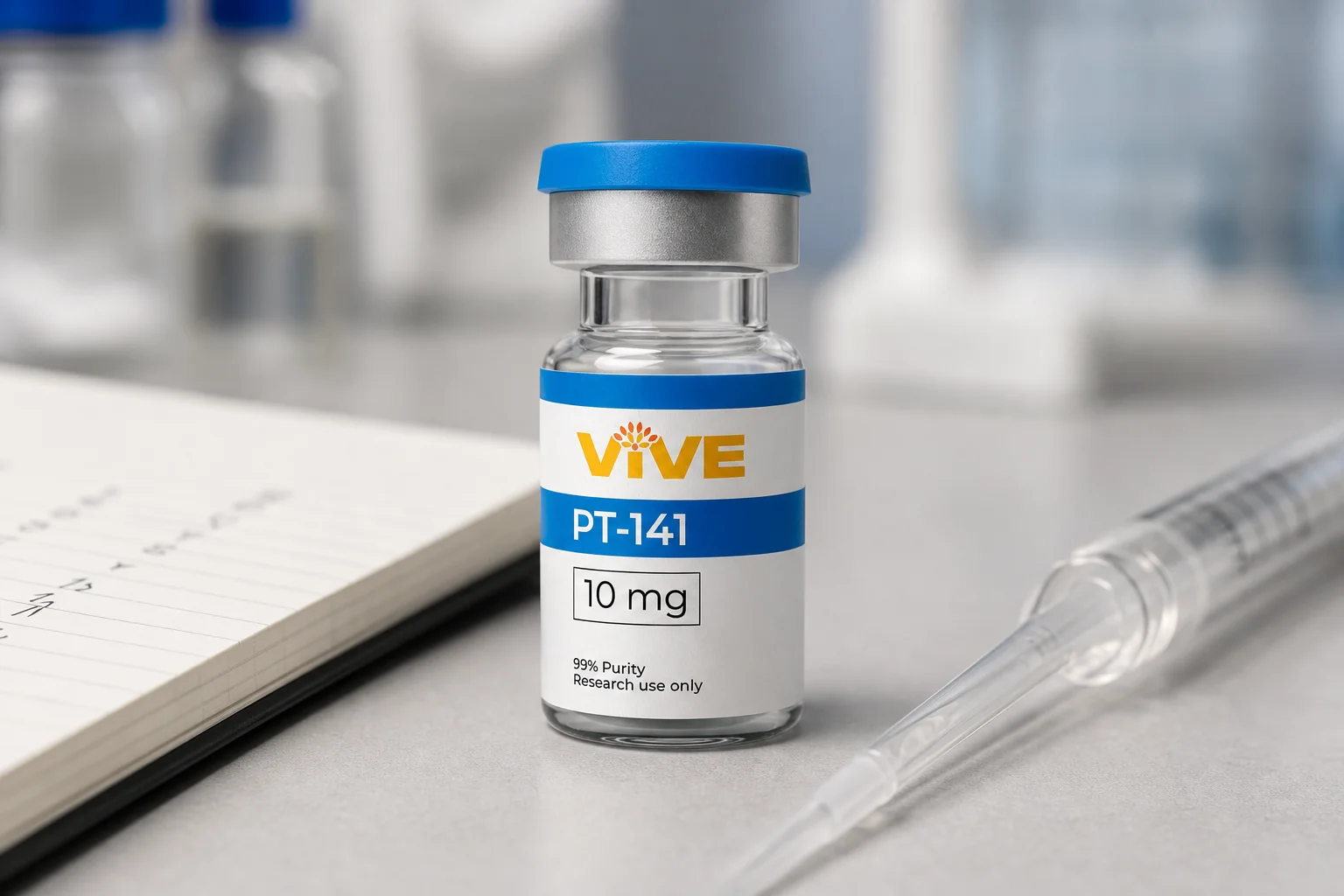
Route of administration also shapes how researchers interpret blood concentration data. Subcutaneous injection produces a distinct absorption profile compared to intranasal or oral delivery routes explored in earlier compound iterations, and most current research protocols standardize on the subcutaneous route specifically to keep pharmacokinetic comparisons consistent across trial arms. These variables collectively define how researchers structure PT-141 research protocols for reproducibility, and small deviations in injection site or depth have been noted as a source of variability between labs attempting to replicate the same dose curve.
Reconstitution and Administration Considerations for Research Use
Because PT-141 is typically supplied as a lyophilized powder, reconstitution protocol details matter as much as dose selection when researchers document their methods. Diluent choice, mixing technique, and storage temperature all affect compound stability between reconstitution and use. Many published research protocols specify bacteriostatic water for peptide reconstitution rather than sterile water alone, since the added benzyl alcohol content extends usable shelf life for multi-dose vials.
Researchers should document reconstitution volume alongside dose data, since concentration errors at this step are a common source of variability between labs replicating the same protocol. Storage at refrigerated temperatures after reconstitution, protected from light, is standard practice across the compound class. Some published protocols also note that gentle swirling rather than shaking during reconstitution helps preserve peptide structure, a small procedural detail that can otherwise introduce unwanted variance into dose-response data.
PT-141 Compared With Melanotan II in the Literature
Because PT-141 was derived from Melanotan II, researchers frequently study the two compounds side by side to isolate which effects trace back to the parent structure. Melanotan II research has documented broader receptor activity across additional melanocortin receptor subtypes tied to pigmentation pathways, while bremelanotide's fragment structure narrows that activity profile. Comparing Melanotan II data alongside bremelanotide findings helps researchers map which downstream effects are specific to which receptor subtype, insight that keeps research protocols efficient without redundant testing.
This comparative approach also informs how researchers think about dose equivalence when a study protocol references both compounds. Because the two share a receptor-binding core but differ in overall selectivity, direct milligram-for-milligram comparisons are generally avoided in favor of receptor-activity-normalized comparisons documented in the broader literature.
Frequently Asked Questions
What is the primary mechanism studied in PT-141 research protocols? Published literature describes bremelanotide as a melanocortin receptor agonist acting on MC3R and MC4R subtypes in the central nervous system. This central mechanism is the primary reason researchers structure protocols around brain-region-specific endpoints rather than vascular measures used for peripherally acting compounds.
Why do researchers monitor blood pressure during PT-141 studies? Even though the receptor target is central, published trials commonly include blood pressure and cardiovascular monitoring as standard safety tracking. This reflects broader clinical trial practice for melanocortin receptor agonists rather than a mechanism specific to vascular tissue.
How does bremelanotide relate to Melanotan II in the research literature? Bremelanotide is a structural fragment of Melanotan II. Researchers often study both compounds together to isolate which receptor activity and downstream effects are attributable to the shared parent structure versus the more targeted fragment.
What administration route do most PT-141 research protocols use? Subcutaneous injection is the administration route referenced in the majority of published research protocols, chosen for its consistent absorption profile compared to intranasal or oral delivery routes examined in earlier compound development stages.
What should researchers document when reconstituting PT-141? Diluent type, reconstitution volume, mixing method, and storage temperature should all be logged alongside dose data. These variables affect compound stability and are a common source of inconsistency when different labs attempt to replicate the same protocol.
Explore Research-Grade Peptides for Your Next Study
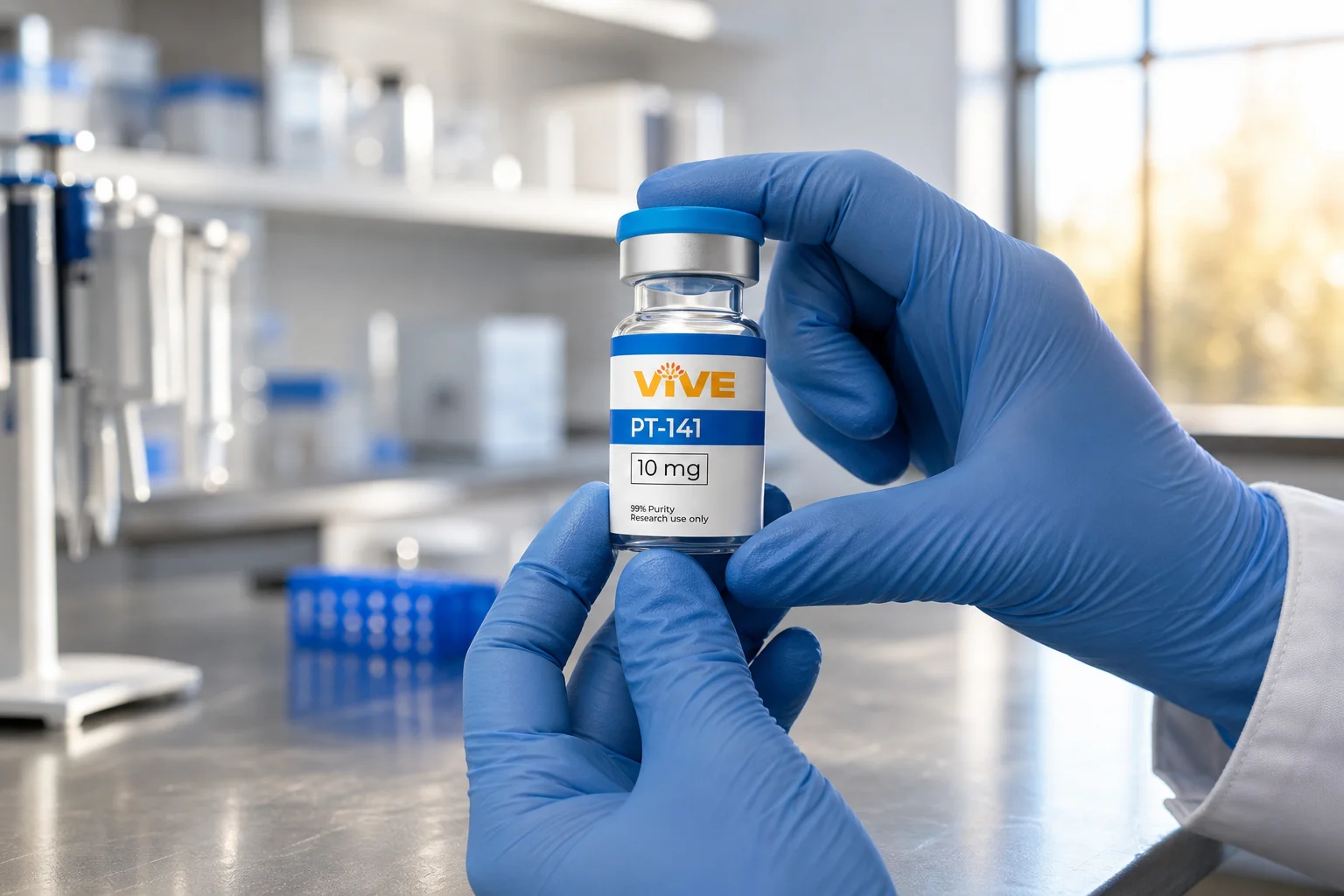
Researchers designing PT-141 research protocols need consistent, well-documented compounds to keep study variables controlled. Browse the VivePeptides catalog for research-grade peptides, including PT-141, sourced and stored to the same standard referenced throughout the published literature.
Research Use Only
All information in this article is intended for educational and research purposes only. VivePeptides products are not intended for human or veterinary use.