Research Article
Peptide Bond Chemistry: A Research Buyer's Guide
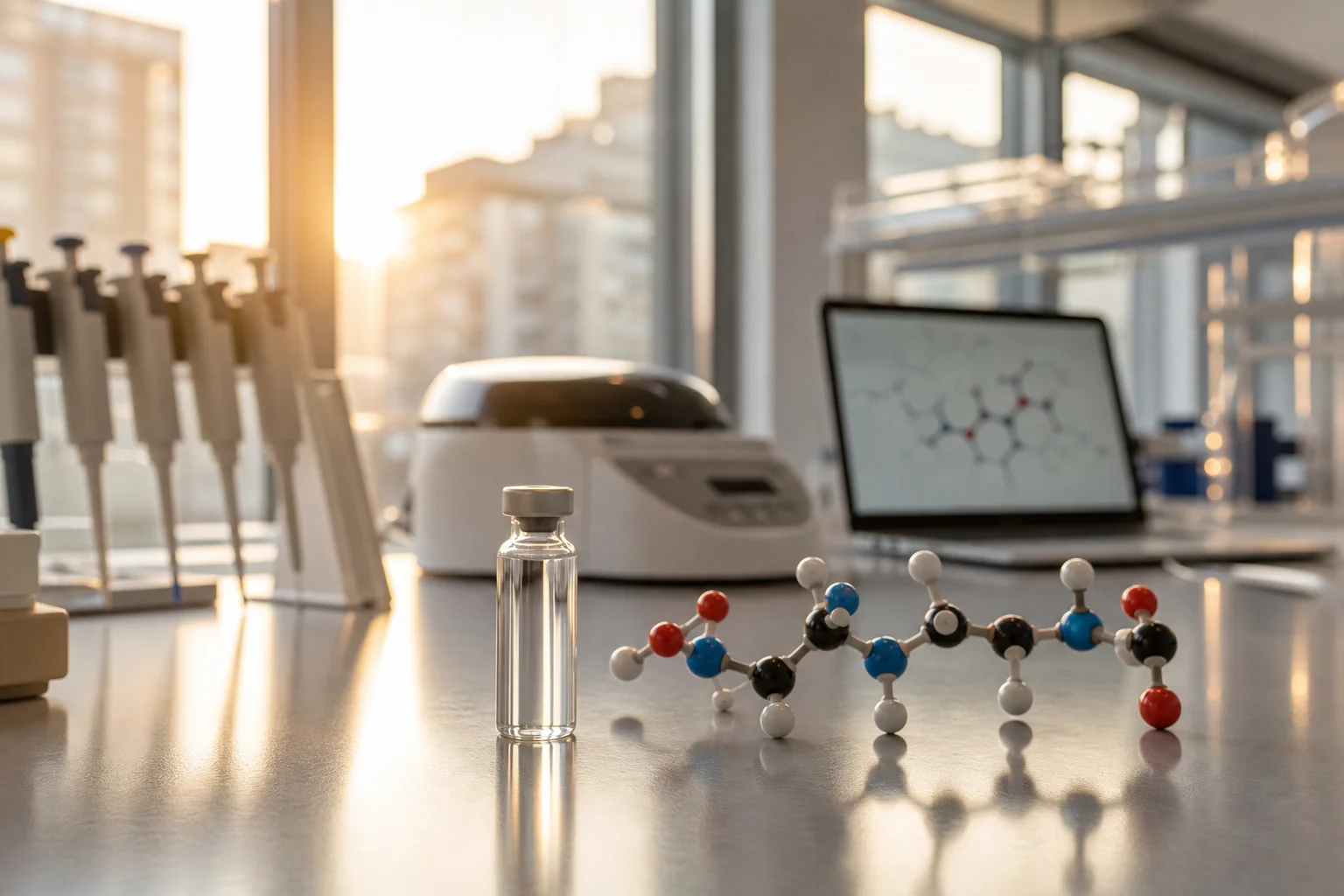
Peptide bond chemistry describes how amino acids join through a covalent bond to build the chains found in every compound across the research-grade peptide catalog. For research buyers, understanding this chemistry clarifies how purity, stability, and sourcing claims should be evaluated before a peptide is selected for laboratory use.
By Vive Team
What Is a Peptide Bond? The Chemistry Behind Amino Acid Chains
A peptide bond is the covalent bond that forms when the carboxylic acid group of one amino acid reacts with the amino group of a second amino acid. This reaction, known as a condensation reaction, releases a water molecule as a byproduct and creates a stable link between the two amino acids. Every peptide chain, from a short dipeptide made of two amino acids to a long polypeptide built from dozens of residues, depends on this same chemistry repeating in sequence. Because the peptide bond is a true covalent bond rather than a weaker interaction, it gives peptides the structural backbone that researchers rely on for reproducible, well-characterized compounds.
This same reaction underlies every protein found in biology, from enzymes to structural tissue, which is part of why peptide bond chemistry receives so much attention in analytical and pharmaceutical research. Textbooks sometimes describe the process as dehydration synthesis rather than condensation, but both terms describe the identical chemical event: the loss of a water molecule as two amino acids join. Researchers evaluating a new compound often start by confirming that this basic chemistry checks out before looking at more specialized structural features.
How Amino Acids Link Together to Form Peptide Chains
Each amino acid contributes a nitrogen-containing amino group on one end and a carboxylic acid group on the other. When one amino acid's carboxylic acid group bonds with the amino group of the next, peptide bond formation proceeds through loss of a water molecule, and the process repeats down the chain. The resulting sequence, sometimes called the primary structure, determines how the peptide folds and behaves once it is reconstituted for research use. Because the peptide bond is chemically classified as an amide bond, it carries partial double-bond character that restricts rotation and keeps the peptide backbone semi-rigid. This chemistry is directional, the chain always grows from an amino terminus toward a carboxyl terminus, so sequence order changes the final structure entirely even when the same amino acids are used. This is why sourcing accuracy matters as much as purity when evaluating a CJC-1295 No-DAC + Ipamorelin research blend or any other multi-peptide product.
A single amino acid substitution, or even a change in the order of the same amino acids, can shift how a peptide interacts with receptors, how quickly it degrades, and how it behaves during storage. This is one reason researchers pay close attention to sequence verification, not just overall purity percentage, when comparing suppliers.
The Role of Water Molecules in Peptide Bond Formation and Hydrolysis
Peptide bond formation is a condensation reaction: two amino acids combine and release a water molecule, resulting in a smaller net mass than the sum of the individual amino acids. The reverse chemical reaction, hydrolysis, adds a water molecule back across the peptide bond and breaks the chain apart. This reversibility matters for research applications because it explains why peptides are sensitive to heat, extreme pH, and prolonged exposure to moisture. Improper storage or reconstitution with the wrong diluent can trigger hydrolysis long before a compound reaches the laboratory bench, which is why reconstitution technique deserves the same scrutiny as the peptide itself.
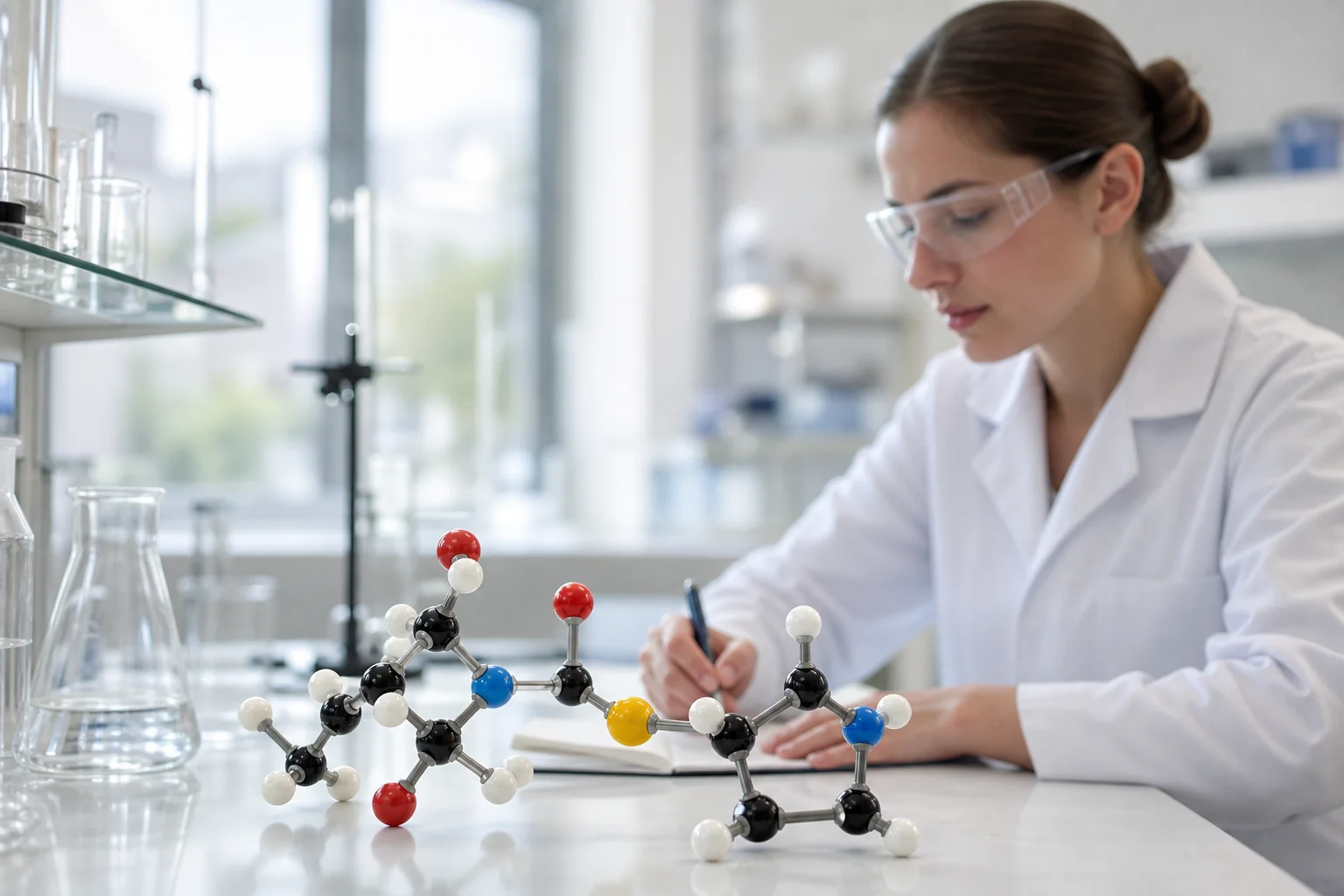
Enzymes called proteases exist specifically to catalyze hydrolysis of peptide bonds inside biological systems, breaking dietary and cellular proteins back down into individual amino acids. Outside a controlled biological environment, hydrolysis can still occur simply from ambient moisture, incorrect pH, or repeated freeze-thaw cycles, which is why documented storage guidance exists for nearly every research peptide.
Why Peptide Bond Chemistry Matters for Research-Grade Product Quality
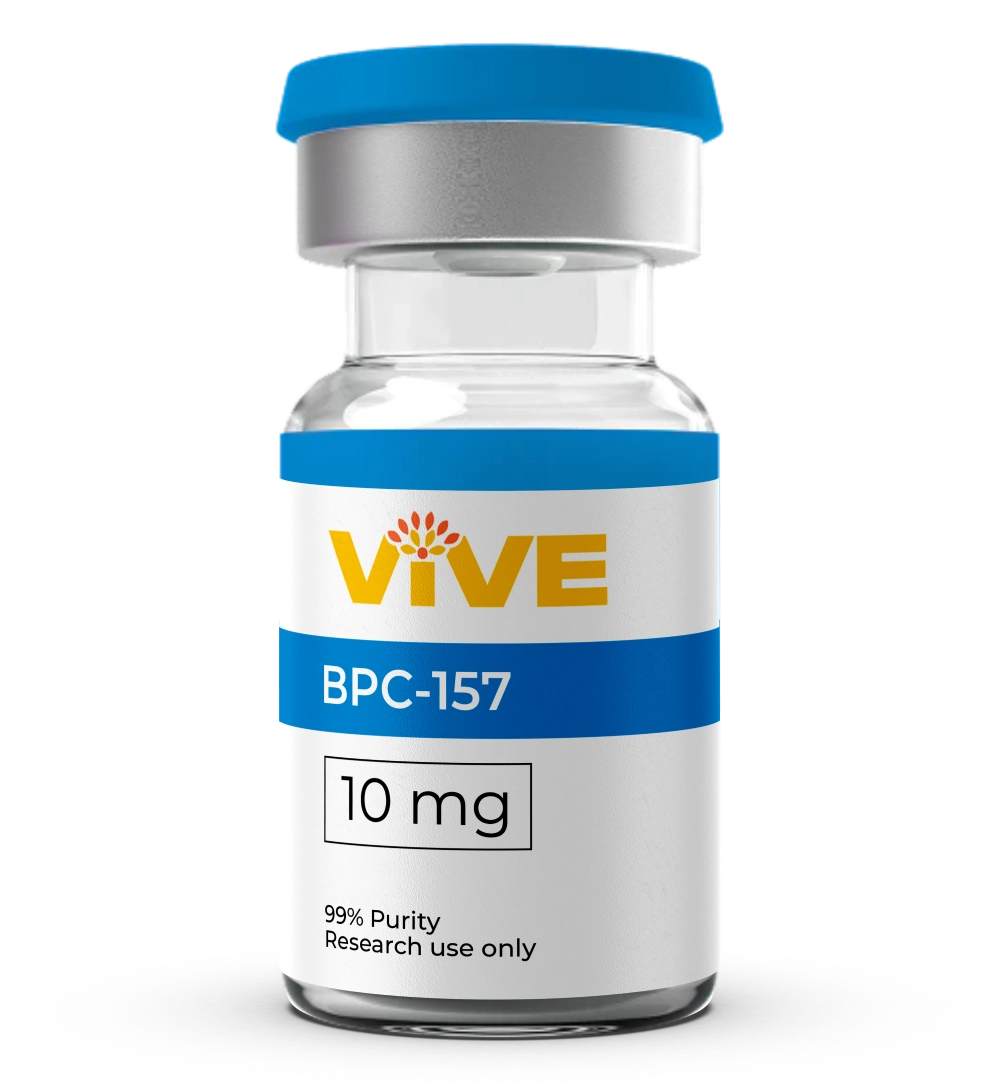
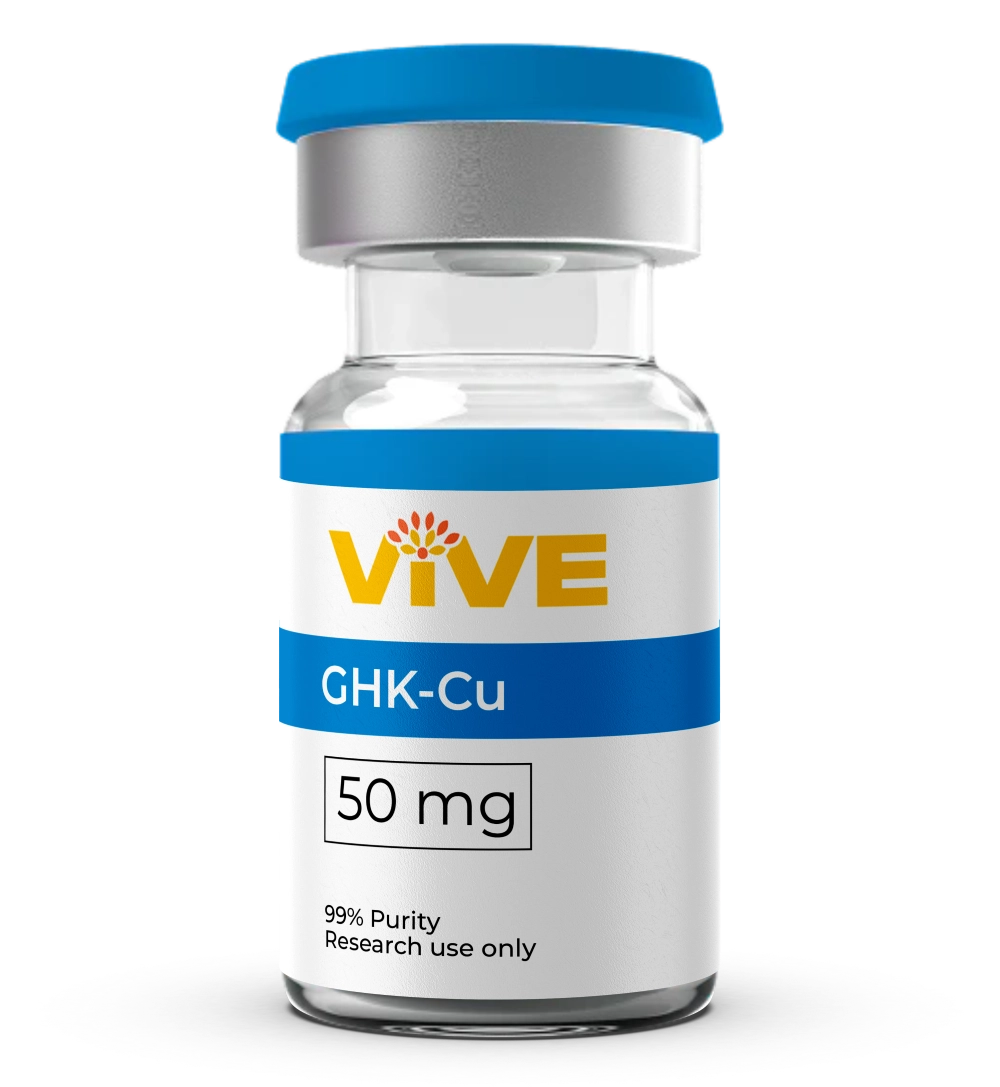
For a research buyer, peptide bond chemistry is not an abstract detail, it is the basis for every purity certificate and mass spectrometry readout attached to a product. A peptide with the correct amino acid sequence but a missing or malformed peptide bond will show an unexpected molecular weight, which is exactly what third-party testing is designed to catch. This is also why reconstitution technique matters as much as the peptide itself: introducing the wrong solvent, agitating the vial too aggressively, or storing a reconstituted peptide at room temperature can hydrolyze the very bonds that give the compound its structure. Compounds studied for tissue-repair and recovery research, such as BPC-157 and GHK-Cu, illustrate how sequence-level differences in peptide bond chemistry can correspond to distinct research profiles. This holds especially true the first time a new peptide is reconstituted, since reconstituting with bacteriostatic water correctly is what actually protects those bonds from premature hydrolysis.
A certificate of analysis that reports the expected molecular weight, along with high-performance liquid chromatography data confirming purity, is one of the clearest indirect confirmations that peptide bond chemistry proceeded correctly during synthesis. Buyers comparing suppliers can treat these documents as a practical proxy for verifying that the chemistry described in this guide was executed properly.
Peptide Bond Stability, Sequence, and Structural Considerations
The number of amino acids joined by peptide bonds also determines whether a molecule is classified as a peptide or a protein. Chains under roughly fifty residues are generally referred to as peptides, while longer chains folded into complex three-dimensional structures are classified as proteins. Both rely on the same underlying chemistry, a nitrogen-containing amino group bonding with a carboxylic acid group, one amino acid at a time. Because peptide bond chemistry is so consistent, researchers can compare structurally related compounds side by side. For example, a copper peptide such as GHK-Cu and a research peptide such as BPC-157 both rely on stable peptide bonds despite having very different amino acid sequences and research applications. Mitochondrial-targeted peptides such as SS-31 (elamipretide) illustrate this well: even with structural features built to help the peptide concentrate in mitochondrial membranes, the compound still depends on the same standard peptide bond formation as any other research peptide.
Secondary folding patterns, such as helices and sheets, form only after a chain's peptide bonds are already in place, since the backbone created by these bonds is what allows hydrogen bonding between neighboring segments of the chain. Any disruption to that backbone chemistry, whether from oxidation, incorrect pH, or degraded raw material, will show up downstream as reduced structural stability.
Frequently Asked Questions
What is a peptide bond in simple terms? A peptide bond is the covalent bond that links two amino acids together after a water molecule is released during a condensation reaction. This bond connects the carboxylic acid group of one amino acid to the amino group of the next, forming the backbone of every peptide chain used in research.
How many amino acids does it take to form a peptide bond? It takes just two amino acids to form a single peptide bond. One amino acid contributes its carboxylic acid group and the other contributes its amino group, the reaction releases a water molecule and creates the covalent bond that joins them.
What is the difference between a peptide bond and hydrolysis? Peptide bond formation is a condensation reaction that releases a water molecule and joins two amino acids. Hydrolysis is the reverse process, a water molecule is added back across the bond, breaking the chain apart. Understanding both reactions helps explain why proper storage and reconstitution protect peptide stability.
Does peptide bond chemistry differ between short peptides and larger proteins? No, the underlying peptide bond chemistry is identical. Both short peptides and large proteins are built from amino acids joined by the same covalent bond between an amino group and a carboxylic acid group. The difference lies in chain length and the resulting three-dimensional structure, not the bond itself.
Why does peptide bond chemistry matter when choosing a research peptide? Peptide bond chemistry determines molecular weight, stability, and how a compound behaves during reconstitution and storage. Buyers who understand this chemistry can better evaluate certificates of analysis and identify whether a peptide's sequence and structure match what a supplier claims.
Choose Peptides Backed by Verified Chemistry
Peptide bond chemistry is the foundation of every compound VivePeptides offers, and pairing a new peptide with the right diluent helps preserve that chemistry from the moment it is reconstituted. Prepare your next research peptide correctly with research-grade bacteriostatic water.
Research Use Only
All information in this article is intended for educational and research purposes only. VivePeptides products are not intended for human or veterinary use.