Research Article
Build a Stack Without Overlapping Compounds: Decision Tree

Overlap is the single most common mistake in do it yourself research stacking, pairing two compounds from the full peptide library that hit the same receptor while assuming they add separate benefits. This guide gives you a decision tree to build a stack without overlapping compounds, so every peptide earns its place on a distinct pathway.
By Vive Team
What Compound Overlap Actually Means in a Peptide Stack
Overlap happens when two or more peptides act on the same receptor, the same signaling pathway, or drive the same downstream outcome. Pairing two compounds that converge on one growth hormone pathway, for instance, does not double the effect the way adding a second, unrelated compound might. Instead the receptor gets saturated by the first compound and the second is largely redundant.
This matters because a research budget and an injection schedule are both finite. Every compound added to a stack should be chosen because it addresses a goal the existing compounds are not already covering. When two peptides overlap, you are not running a bigger protocol, you are running a smaller one with extra steps.
Overlap is not the same as risk. Many overlapping pairs are simply inefficient rather than unsafe. But an inefficient stack makes it much harder to read results, because if a change appears you cannot attribute it to the compound that produced it.
How to Check Two Peptides for Shared Mechanisms and Receptor Pathways
Before adding any second compound to a protocol, establish a baseline understanding of what each one actually targets. Look up the primary receptor family for each candidate, then ask whether the two compounds are competing for the same site or working through separate ones.
Growth hormone secretagogues are the clearest example. Sermorelin and CJC-1295 both act through the GHRH receptor, so combining them mostly duplicates a single signal rather than adding anything new. Pairing a GHRH receptor peptide with a ghrelin mimetic like Ipamorelin is a different case: the two act on distinct receptors that both feed into growth hormone release, which is why research-grade CJC-1295/Ipamorelin blends exist as a paired protocol rather than a duplication.
The same logic applies outside the growth hormone axis. Two melanocortin receptor peptides, or two peptides both marketed for tissue repair, deserve the same mechanism check before they land in the same stack.
The Step by Step Process to Build a Stack Without Overlapping Compounds
A repeatable process removes the guesswork. Here is how to build a stack without overlapping compounds from a blank page:
- Write down the goal. One primary research goal per stack keeps the compound list honest. A goal like "recovery support" points toward a different compound family than "growth hormone axis research."
- List every candidate compound and its mechanism. Note the receptor or pathway each one is documented to act through.
- Group candidates by pathway. Compounds sharing a pathway go in the same bucket; only one per bucket typically earns a spot unless you are deliberately testing a synergistic pairing.
- Eliminate redundant pairs. Drop the compound that adds the least distinct value from any bucket with more than one entry.
- Set the protocol. Define dosing, injection timing, and duration for what remains, and document the compounds and rationale before starting.
- Record a baseline before the first injection. Without a documented starting point, isolating which compound produced a later observation becomes guesswork.
Following this process is what separates a stack builder mindset from simply adding compounds because they were mentioned somewhere. The goal is coverage of distinct pathways, not a longer list.
Peptide Categories That Should Never Be Combined
Some category pairings are overlap by definition and rarely justify a spot together in the same protocol.
Two GHRH receptor analogs. Running Sermorelin alongside another GHRH-class peptide is close to pure duplication, since both are competing for the identical receptor.
Two GHRH variants with different pharmacokinetics. This is a subtler version of the same problem. CJC-1295 exists in a DAC and a non-DAC form specifically because the DAC modification extends its half-life, and stacking both versions together just layers two release profiles onto the same GHRH receptor pathway instead of adding a second mechanism, so the choice between a longer or shorter acting GHRH analog is generally an either-or decision, not both.
Two melanocortin receptor peptides. Compounds developed for pigmentation or appetite pathways through the melanocortin receptor family compete for the same binding sites when paired together.
Two compounds targeting the identical metabolic receptor pathway. Running multiple compounds from the same receptor class concurrently is a textbook overlap rather than an intentional multi-pathway stack.
How Many Peptides Is Too Many to Stack at Once
There is no fixed universal ceiling, the right number depends on the goal, the researcher's experience, and how many genuinely distinct pathways the goal actually requires. As a general starting point, a beginner stack usually works best at one to two compounds targeting a single, clearly defined goal. Adding a second or third compound before understanding how the first one behaves alone makes it difficult to isolate what each addition is doing.
More experienced protocols may run three to four compounds across multiple non-overlapping pathways, for example a recovery pair alongside a separate growth hormone axis pair. Beyond that range, the number of possible interactions grows quickly and most researchers find the added complexity outweighs any marginal benefit. Adding compounds should always be a deliberate response to a specific gap in the current protocol, not a default habit.

Sequencing and Timing Peptides So Effects Don't Overlap
Even non-overlapping compounds can behave like an overlapping stack if their timing is not planned. Two considerations matter most: dosing windows and injection frequency.
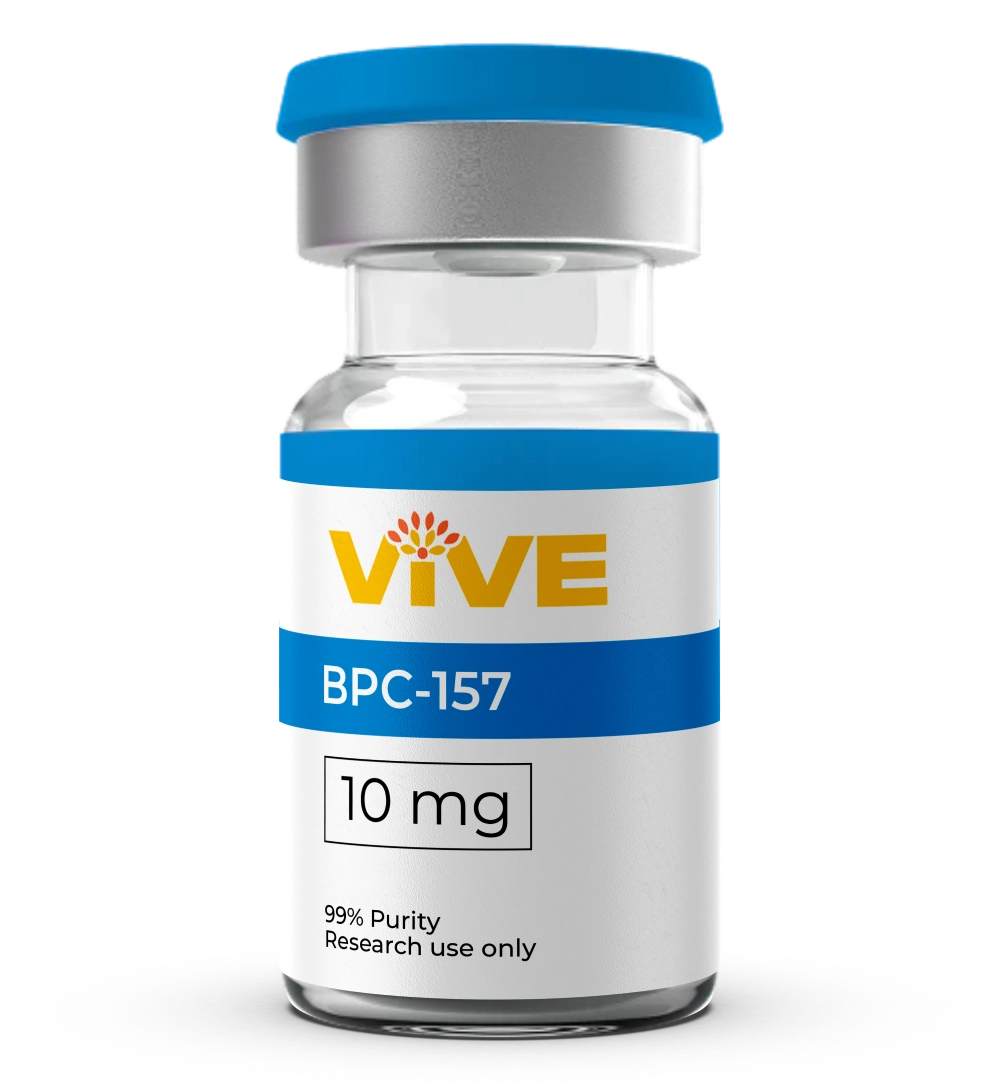
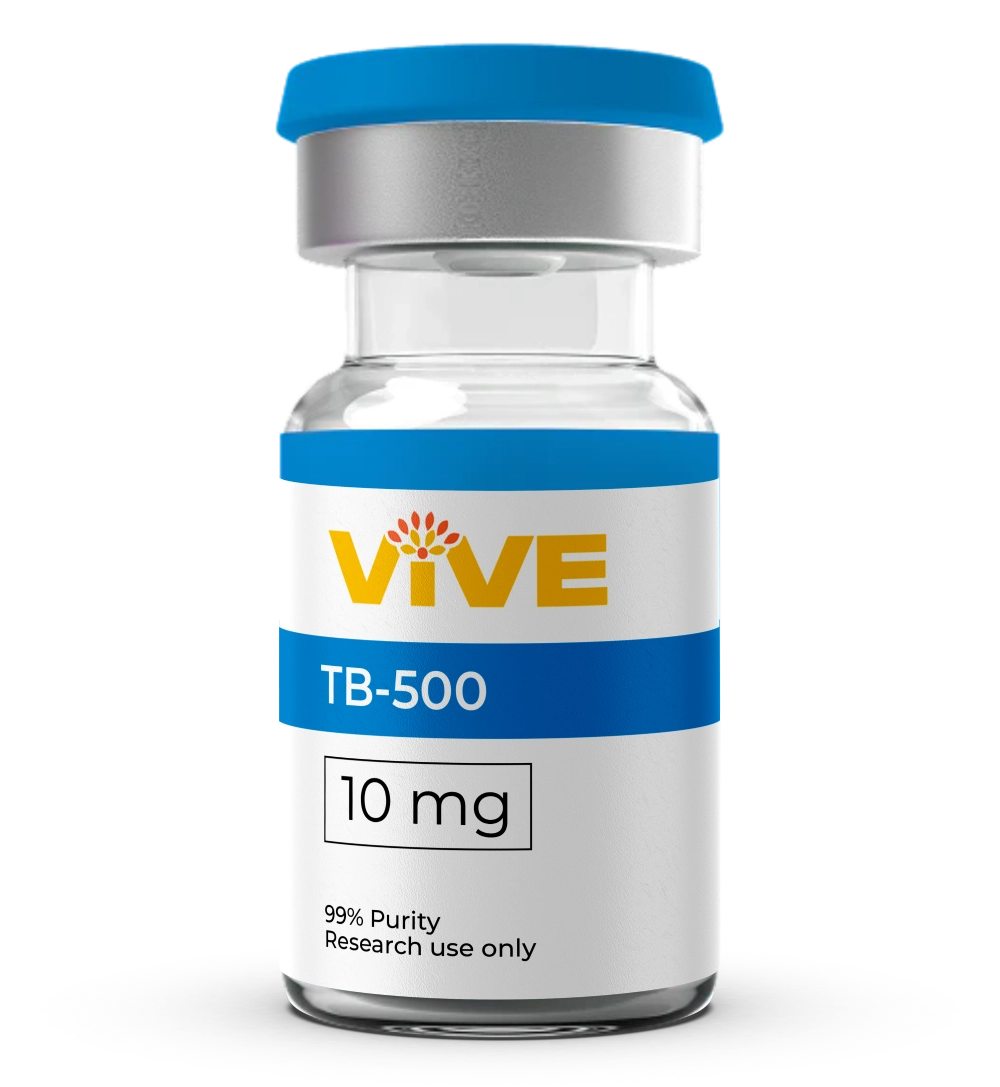
Growth hormone secretagogues are commonly dosed in the evening, timed around the body's natural nocturnal growth hormone pulse, while other compound classes may follow their own separate schedule entirely unrelated to that pulse. Recovery-oriented peptides such as BPC-157 and TB-500 are frequently run on a daytime schedule since they act on tissue repair pathways rather than the growth hormone axis, so pairing BPC-157 and TB-500 with an evening secretagogue protocol does not create pathway overlap, only a scheduling difference.
Read the documented half-life for each compound before setting an injection window. A short half-life compound dosed once daily behaves very differently from a longer acting one dosed less frequently, and mismatched timing can make two otherwise distinct compounds look like they are producing one blended, hard to separate effect. A simple stack builder habit is to log the exact injection time for every compound alongside any observation, so a timing overlap is visible in the notes rather than discovered after the fact.
Synergistic Stacks vs Overlapping Stacks: What's the Difference
A synergistic stack pairs compounds that act on distinct pathways that both support the same broader goal. A GHRH receptor peptide paired with a ghrelin mimetic is synergistic because each hits a separate receptor, and the two effects add together toward one growth hormone outcome. BPC-157 and TB-500 are another commonly cited synergistic pair, since each supports tissue repair through a different underlying mechanism rather than competing for the same one.
An overlapping stack, by contrast, pairs compounds that converge on the same pathway or receptor. The result is not addition, it is redundancy: one compound does most of the work and the second contributes very little beyond cost and an extra injection. The practical test is simple, ask whether removing one compound from the pair would meaningfully change the outcome. If the answer is no, the pairing is overlapping rather than synergistic.
Frequently Asked Questions
What happens if you accidentally stack overlapping compounds? Nothing acutely dramatic typically follows from redundant receptor engagement, but the stack becomes harder to interpret. You may see an amplified version of one shared effect rather than two separate benefits, and you will not know which compound is responsible for what you observe. The usual fix is to remove one compound, reestablish a baseline, and reintroduce it separately later.
Can you stack two GLP-1 peptides together? This is generally not recommended in a research context. Two compounds that both agonize the GLP-1 receptor pathway converge on the identical receptor family, which is a textbook overlap rather than an added benefit. Research protocols typically study one GLP-1 pathway compound at a time so any observed effect can be attributed to that compound alone.
Is it safe to combine BPC-157 and TB-500 in one stack? These two are frequently studied together because they support tissue repair through different, complementary mechanisms rather than duplicating one another, which is why the pairing is usually described as synergistic rather than overlapping. Any combination protocol should still be reviewed with a qualified professional overseeing the research.
How do you know if two compounds have overlapping effects? Compare their documented receptor targets and mechanism of action side by side. If both compounds are described as acting through the same receptor family or the same signaling pathway, they overlap. If their listed mechanisms are genuinely distinct even though the end goal looks similar, they are more likely complementary than overlapping.
How many compounds should be in a beginner stack? Most beginner protocols work best with one to two compounds addressing a single, well-defined goal. This keeps the baseline simple and makes it possible to attribute any observed change to a specific compound before adding complexity.
Start Mapping Your Next Research Protocol
A stack that avoids overlapping compounds starts with knowing exactly what each candidate targets before it goes in the protocol. When you are ready to source verified compounds for the pathway you have mapped out, browse the VivePeptides catalog for research-grade options.
Research Use Only
All information in this article is intended for educational and research purposes only. VivePeptides products are not intended for human or veterinary use.