Research Article
Modern Aminos Alternatives: Compare Cost per mg

Comparing Modern Aminos alternatives on cost per mg means looking past the sticker price to what's actually inside the vial: purity data, batch-specific testing, and how much active compound you get for what you spend. This guide breaks down the math and points you to the VivePeptides catalog for research-grade options that hold up to scrutiny.
By Vive Team
What Is Modern Aminos and What Does It Claim to Offer
Modern Aminos (modernaminos.com) is a direct-to-consumer vendor selling research peptides marketed under the "aminos" label, a nod to the fact that every peptide is fundamentally a short chain of amino acids linked together. The brand's pitch centers on a curated catalog, stated third-party testing, and standard shipping, the same three pillars most research-peptide buyers use to judge any vendor. Like every company in this space, its purity and batch-testing claims are only as good as the certificate of analysis (COA) backing them up, and those documents vary in how current and specific they are from batch to batch.
What Is the Difference Between Modern Aminos and Other Amino Blends
The functional difference usually comes down to three things: which peptides are in the catalog, how the vendor documents purity and identity testing, and how per-mg pricing is structured across vial sizes. Two vendors can sell the identical compound, say BPC-157, sourced from different manufacturers with different HPLC (high-performance liquid chromatography) purity results, and that difference matters more than the brand name on the label.
The Best Modern Aminos Alternatives for Research-Grade Peptides
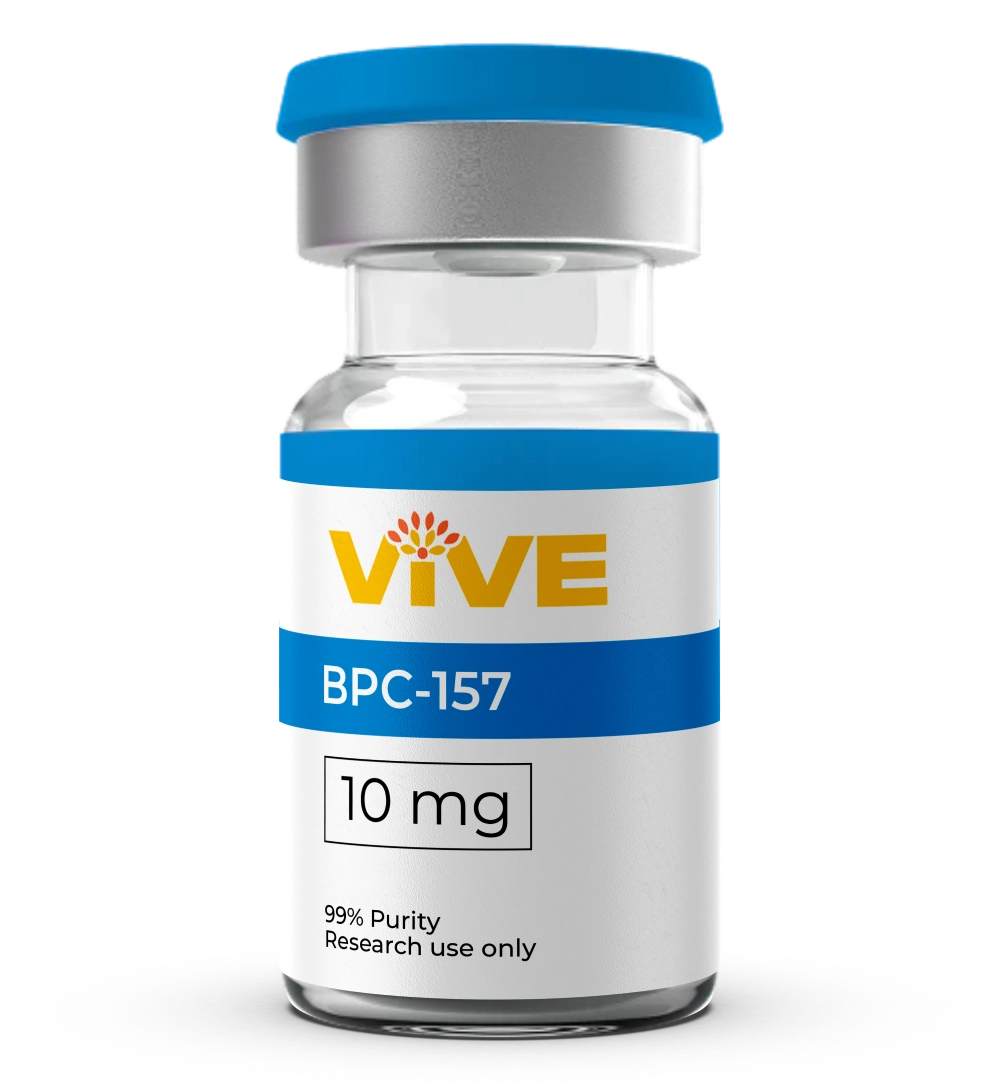
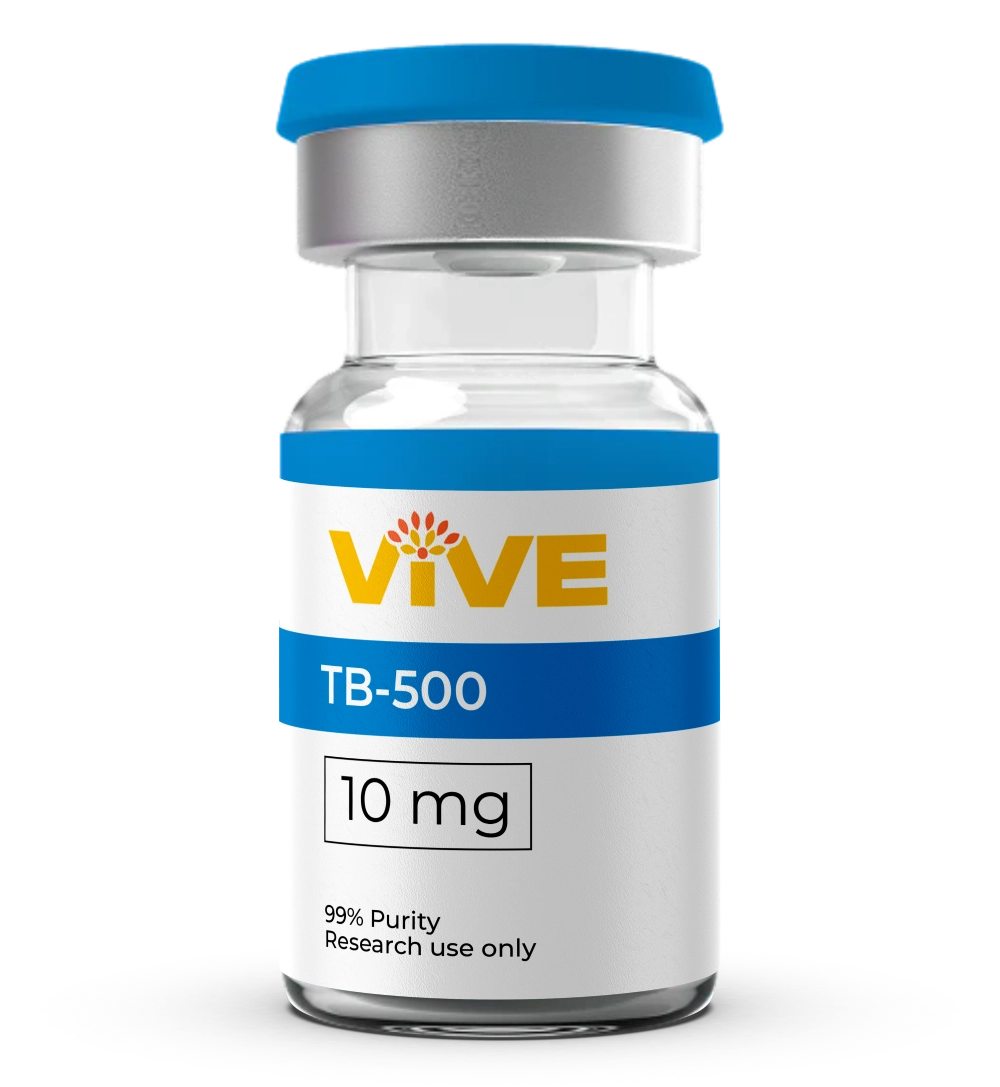
When researchers go looking for Modern Aminos alternatives, they're typically comparing established vendors on three criteria: catalog depth, testing transparency, and cost per mg after shipping. VivePeptides is one of the more direct comparisons, competing on the same compound list, BPC-157, TB-500, Semaglutide, and dozens more, with batch-specific COAs published per product rather than one generic testing page covering the whole catalog.
The same comparison plays out across the wider research-peptide market. Buyers weighing Peptide Sciences alternatives face an identical purity-versus-price tradeoff, checking batch-specific certificates of analysis and third-party HPLC testing rather than trusting a lower sticker price at face value.
Is There a Generic or Store-Brand Version of Modern Aminos
No single "generic" version of Modern Aminos exists the way a pharmacy stocks a generic drug, because research peptides aren't standardized under one manufacturer. What buyers usually mean is whether a lower-cost vendor sells the same compound at comparable purity, and the honest answer is yes: several vendors source from similar contract manufacturers and differ mainly in testing rigor, packaging, and order minimums rather than the underlying compound.
Which Alternative Offers the Best Value for the Money
"Best value" only means something once cost per mg, purity percentage, and testing frequency are compared side by side, because the lowest price per vial and the lowest price per mg of active compound are frequently two different products. A vendor charging more per vial but delivering a higher concentration, verified through testing, can work out to a better cost per mg than a cheaper vial that tests lower on identity or purity. The math is covered next.
How to Calculate Cost per mg for Amino Acid and Peptide Supplements
Cost per mg is the only apples-to-apples number for comparing amino acid and peptide products, since vial sizes, concentrations, and compound types vary so widely across brands. The formula is simple: divide the total price of the vial by the number of milligrams of active compound it contains, not the total liquid volume once reconstituted. A 5 mg vial and a 10 mg vial priced identically are not the same value, even though they look similar on a shelf.
What Drives Cost per mg Up or Down
Several line items move cost per mg independent of the peptide itself. Raw compound sourcing and minimum batch size set the floor. Third-party lab testing, HPLC purity analysis and identity confirmation, adds a per-batch cost spread across however many vials that batch produces, so a vendor testing every batch individually usually carries a higher base cost than one that tests less often. Packaging (glass vial quality, lyophilization versus liquid fill) and shipping, especially cold-chain shipping for temperature-sensitive compounds, are usually bundled into the vial price rather than billed separately. Order volume matters too: multi-vial or subscription pricing typically lowers cost per mg compared to single-vial orders.
How Much Should You Expect to Pay per mg for Quality Aminos
There's no single number that applies across every compound, since a short, easy-to-synthesize peptide and a long, complex chain requiring more purification steps land in very different cost brackets before testing is even added. More useful than a target number is the proportions: rigorous third-party batch testing, verified identity confirmation, and documented HPLC purity data typically add a meaningful premium over an untested product, and that premium usually shrinks as a percentage on larger or multi-vial orders. The most reliable way to know what a compound should cost is to request a quote that includes the COA, so price and purity data arrive together.

What Ingredients, Purity Data, and Dosages to Compare Between Brands
When comparing Modern Aminos against any alternative, the product page should answer four questions before price enters the conversation: what compound is actually in the vial, what percentage purity the batch tested at, whether the vendor publishes a batch-specific COA or a generic one, and whether identity testing, confirming the compound is what the label says, not just that something is present, was performed alongside purity testing. A listing that skips one of these isn't necessarily selling a bad product, but it is asking the buyer to trust the brand name instead of the data.
How Many mg of Aminos Do You Need per Day
Published research protocols reference milligram ranges specific to each peptide and study design, and there is no single per-day total that applies across every amino acid or peptide compound. Translating a research dosing schedule into a personal regimen falls outside the scope of a vendor comparison; researchers working from a specific protocol should consult the source study directly. Product pages typically document what's been reported for that compound in the literature, which describes research findings, not usage instructions.
Is a Cheaper Amino Acid Alternative Still Effective
Effectiveness, in a research context, depends on whether the compound in the vial matches the label and purity claimed, not on the price paid for it. A lower-cost product from a vendor with rigorous, published batch testing can be functionally identical to a pricier competitor's vial. A discount product from a vendor that skips testing altogether is the real risk, regardless of cost. Price is a weak proxy for quality; the COA is the actual evidence.
Are Cheaper Amino Acid Alternatives Safe to Use
Safety here is a manufacturing question, not a price question: a lower-cost product from a vendor that performs third-party identity and purity testing on every batch carries the same quality assurance as a more expensive one. The risk with discount vendors isn't the price itself, it's skipping testing to hit that price, raising the odds of contamination or a mislabeled compound. Reviewing the COA for each batch, not just the vendor's general testing policy, is the way to check before ordering.
Where to Buy Research Peptides at a Lower Cost per mg
Lower cost per mg without cutting corners usually comes down to three purchasing habits, not finding one single cheapest vendor: buying multi-vial or subscription volumes where the per-mg price drops, ordering directly from a vendor that publishes its own COAs rather than through a reseller marking up the price, and asking for a current batch-specific test result before paying rather than trusting a testing page that could describe an older lot. VivePeptides publishes batch testing data and reconstitution guidance directly on each compound's product page, so cost per mg and purity data sit in one place.
Frequently Asked Questions
Is Modern Aminos a legitimate research peptide vendor? Modern Aminos operates as a standard direct-to-consumer research-peptide seller, publishing a catalog, stated testing practices, and standard shipping like most vendors in this category. Legitimacy here is measured product by product, not brand by brand: request the current batch's COA for whichever compound you're ordering rather than judging the whole catalog on general claims.
How do I verify a peptide vendor's certificate of analysis? Check that the COA is batch-specific, not a generic template, and includes both purity percentage (HPLC results) and identity confirmation, not purity alone. A trustworthy COA names the third-party lab that ran it and is dated close to your order date. If a vendor can't produce a current, batch-matched COA on request, treat that as a bigger red flag than price.
What's the difference between an amino acid supplement and a research peptide? An amino acid supplement typically contains free-form or blended amino acids, the building blocks. A research peptide is a specific, ordered chain of those amino acids linked together to form one defined compound, which is why peptides are tested and priced per compound rather than as a blend.
Does a lower cost per mg always mean lower quality? No. Cost per mg reflects sourcing, testing rigor, and order volume, not quality alone. A vendor with efficient sourcing and multi-vial pricing can offer a lower cost per mg with the same testing standard as a pricier competitor; the COA, not the price tag, confirms quality either way.
What should I ask a vendor before ordering Modern Aminos alternatives? Ask for the current batch's COA, whether identity testing was performed alongside purity testing, what shipping looks like for temperature-sensitive compounds, and whether pricing changes at higher order volumes. Getting these answers before checkout, in writing, is a better signal of vendor quality than any catalog page.
Get a Cost-per-mg Quote From VivePeptides
Compound-specific pricing, current batch COAs, and cost-per-mg comparisons are available on request. The fastest way to see how a product stacks up against any Modern Aminos alternative is to check the research-grade peptide catalog and request a quote for those compounds directly.
Research Use Only
All information in this article is intended for educational and research purposes only. VivePeptides products are not intended for human or veterinary use.