Research Article
Peptide Research Trends 2026: Most-Studied Compounds

Peptide research trends 2026 reflect a convergence across four scientific frontiers: metabolic regulation, tissue regeneration, innate immune modulation, and mitochondrial longevity. Researchers browsing the research-grade peptide catalog will find that each of these domains has generated concentrated peer-reviewed output since 2024, with publication rates continuing upward as synthesis technologies improve.
By Vive Team
Peptide Research Trends 2026: The Scientific Context
The momentum behind peptide research trends 2026 traces to converging technical and clinical developments. Improvements in automated solid-phase peptide synthesis (SPPS), wider access to high-resolution mass spectrometry for purity verification, and a growing body of clinical data across GLP-1, antimicrobial, and tissue-repair categories have collectively lowered the barrier to studying novel peptide scaffolds.
Peptide therapeutics occupy a distinct chemical space between small-molecule drugs and protein biologics, with molecular weights typically between 500 and 5,000 daltons. This range enables receptor engagement with high specificity while keeping half-life and immunogenic risk lower than larger proteins. According to a 2023 review by Lau and Dunn in the Journal of Medicinal Chemistry, more than 80 peptide-based drugs have received regulatory approval globally, with the clinical pipeline expanding by an estimated 35 percent between 2022 and 2023 alone.
Drug discovery programs across pharmaceutical and academic research centers are increasingly structured around peptide scaffolds, particularly where small-molecule receptor selectivity is insufficient and full biologics are impractical for preclinical pharmacokinetic modeling.
Metabolic Peptides: GLP-1 Variants and Multi-Receptor Agonists
No compound class defines the current era of peptide therapeutics more than GLP-1 receptor agonists and their multi-receptor descendants. GLP-1 peptides regulate food intake, insulin secretion, and glucose-dependent pancreatic function through overlapping hypothalamic and entero-pancreatic signaling pathways. Semaglutide, a long-acting GLP-1 analogue, generated landmark Phase III data when Wilding et al. published in The New England Journal of Medicine (2021), reporting a mean weight reduction of 14.9 percent over 68 weeks in a 1,961-participant trial.
The field has since moved toward dual and triple receptor agonism. Tirzepatide, a dual GIP/GLP-1 agonist, produced mean weight reductions exceeding 20 percent in the SURMOUNT-1 trial, as reported by Jastreboff et al. in the New England Journal of Medicine (2022). Research in 2025 and 2026 has pivoted toward triple agonists such as Retatrutide, which engages GIP, GLP-1, and glucagon receptors simultaneously, addressing insulin resistance and lipid metabolism at multiple pathway nodes.
For researchers studying insulin signaling and metabolic pathways, the Semaglutide GLP-1 peptide page at VivePeptides includes purity documentation, molecular weight data, and reconstitution specifications for preclinical use only.
Researchers are also modeling how multi-receptor engagement alters circulating lipid profiles, hepatic fat accumulation, and body composition over extended observation windows, questions single-receptor agonist data cannot fully resolve.
Tissue Repair, Regeneration, and Structural Peptides
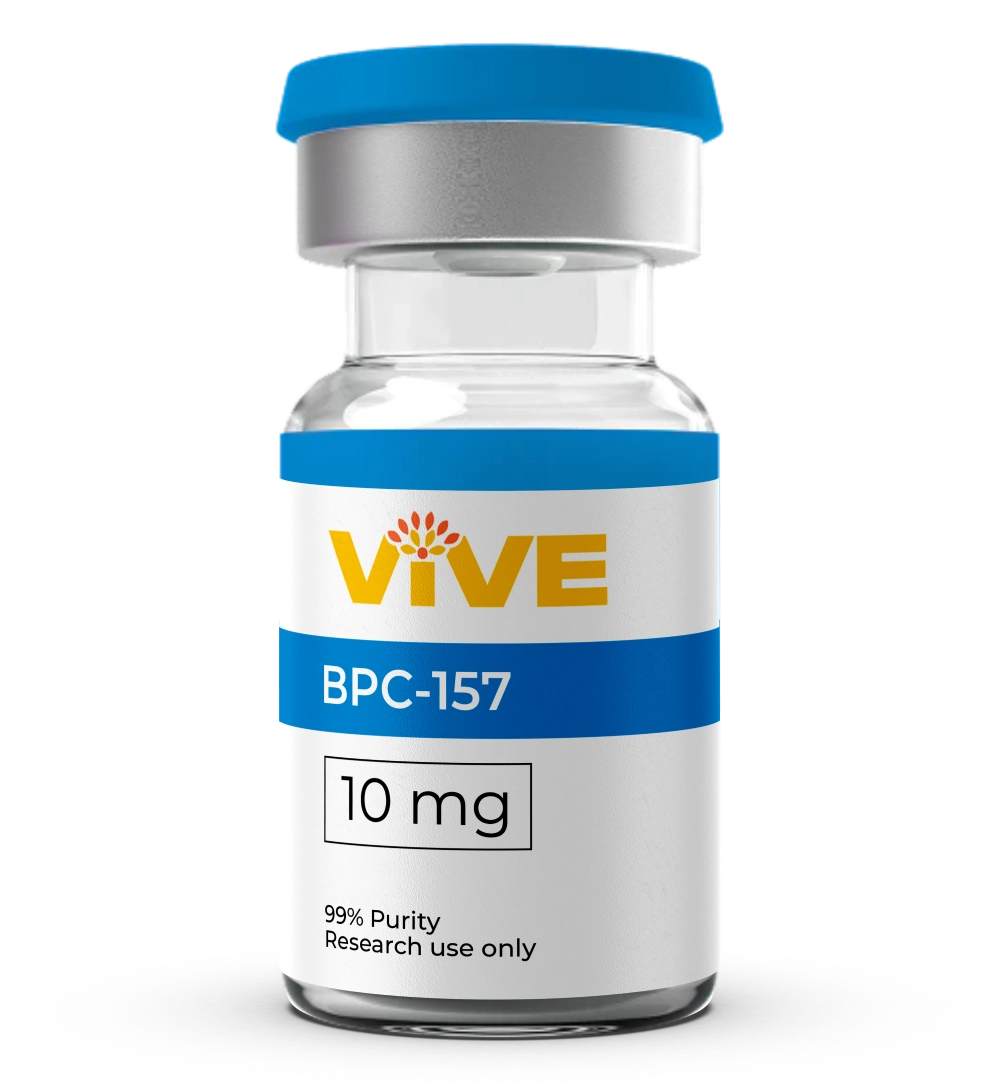
Regenerative peptide research has expanded substantially since 2022. BPC-157, a synthetic 15-amino-acid sequence derived from human gastric juice protein, continues to accumulate preclinical literature across wound healing, tendon repair, and vascular regeneration. Sikiric et al. have published extensively in Current Pharmaceutical Design, with studies examining BPC-157's interaction with growth factor pathways including VEGF, EGF receptor signaling, and nitric oxide synthesis in animal models.
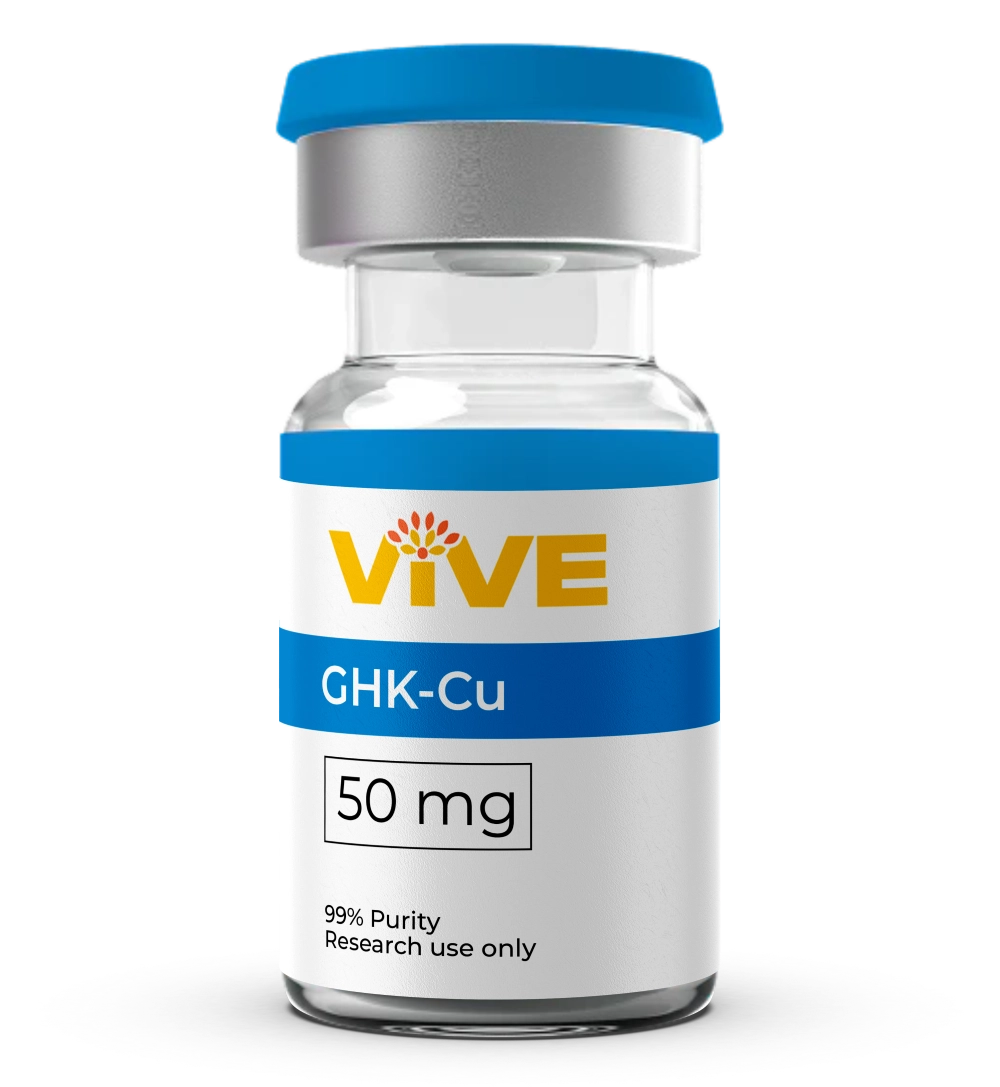
GHK-Cu, a copper-binding tripeptide, remains one of the most studied structural peptides in the regenerative category. Pickart and Margolina (2018, Biomedicines) documented its role in stimulating collagen and glycosaminoglycan synthesis, regulating matrix metalloproteinases, and promoting keratinocyte migration in wound repair models. As a minimal three-residue sequence (glycine-histidine-lysine) coordinated with copper(II), GHK-Cu provides a compact scaffold for studying trace metal biology and extracellular matrix remodeling. Additional published data on these compounds is reviewed in the Bpc 157 Ghk Recovery Regeneration Peptide Research guide.
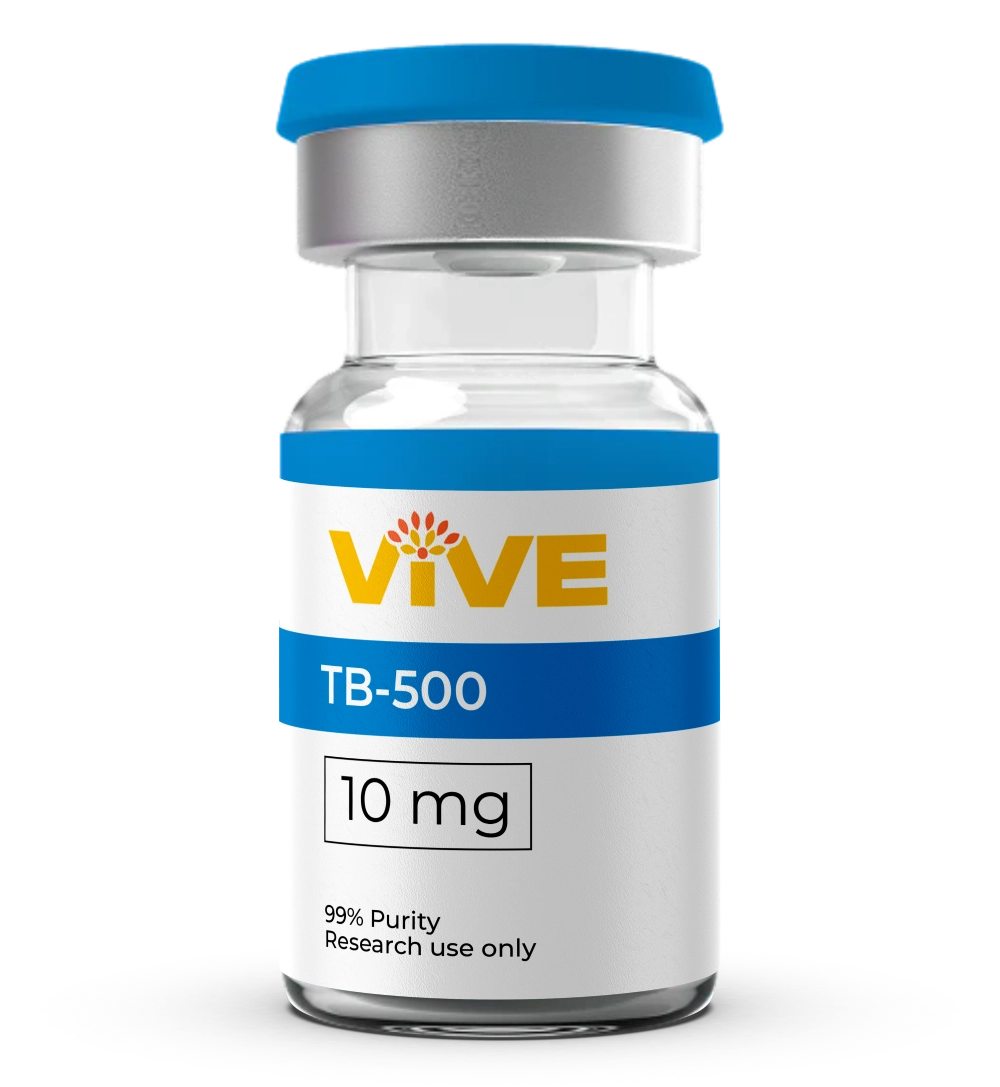
The TB-500 fragment (thymosin beta-4 residues 17-43) is under active study for its role in actin dynamics and cell migration. Ho et al. (2016) characterized the fragment's preferential interaction with G-actin monomers and its potential to support cardiomyocyte survival under ischemic conditions. Research groups studying cardiac repair, skeletal muscle adaptation, and wound closure continue to include TB-500 in comparative experimental designs.
Collagen synthesis modulation through short signaling peptides has also attracted increasing attention, as researchers investigate how minimal amino acid sequences can upregulate pro-collagen gene expression in fibroblasts without the off-target effects associated with broad growth factor infusions.

Antimicrobial Peptides and the Host Defense Response
Among the most consequential areas of 2026 peptide research, antimicrobial peptides have drawn concentrated attention as antibiotic resistance rates climb globally. Host-defense peptides (HDPs) are endogenous short sequences with amphipathic, cationic structures that enable preferential disruption of bacterial membranes while minimizing toxicity to eukaryotic cells.
LL-37, the single known human cathelicidin, is among the most studied antimicrobial peptides in the published literature. Zanetti (2004, Journal of Leukocyte Biology) described its dual function as a direct membrane-disrupting agent and a modulator of innate immune signaling. Later work by Doss et al. (2010, Current Pharmaceutical Biotechnology) characterized LL-37's engagement with Toll-like receptors and its regulation of cytokine secretion in macrophages and epithelial cells, establishing it as a compound of interest in both infection biology and inflammatory disease research.
Structural modification of antimicrobial peptide scaffolds is a primary focus of drug discovery efforts in this category. Researchers are studying how single amino acid substitutions in peptide chains of 12 to 37 residues alter bactericidal potency, cell selectivity, and proteolytic stability. The central challenge in translating these compounds into drug discovery leads is generating synthetic variants that retain the membrane-targeting specificity of natural HDPs while improving pharmacokinetic profiles for systemic or topical delivery.
Thymosin Alpha-1, studied for immune-modulatory properties distinct from direct antimicrobial function, is under renewed investigation. Tuthill et al. (2010, Annals of the New York Academy of Sciences) documented its effects on T-cell activation and dendritic cell maturation in immunosuppressed models, placing it within the broader category of peptides that modulate immune cell development and adaptive immune function.
Longevity, Mitochondrial, and Growth Hormone Axis Peptides
Mitochondrial biology has become one of the defining frontiers of longevity research in 2025 and 2026, with peptide-based tools offering new methods to study energy metabolism, reactive oxygen species regulation, and cellular aging at the organelle level.
SS-31 (elamipretide), a tetrapeptide that selectively accumulates in the inner mitochondrial membrane via electrostatic attraction to cardiolipin, has been studied for its capacity to reduce oxidative stress and restore mitochondrial membrane potential under conditions of metabolic injury. Szeto (2014, Antioxidants and Redox Signaling) provided foundational mechanistic data on SS-31's cardiolipin binding and its effect on reducing electron leak from Complex I. For a detailed review of the published data, see the What Is SS-31 (Elamipretide)? Mitochondrial Peptide Research Guide.
MOTS-c, a 16-amino-acid peptide encoded within mitochondrial DNA, represents one of the most significant recent discoveries in peptide biology. Lee et al. (2015, Cell Metabolism) characterized MOTS-c as a mitochondrial-derived peptide that translocates to the nucleus under metabolic stress, activating AMPK and regulating the folate cycle and methionine metabolism. Its mitochondrial genomic origin distinguishes it from all other known peptides and has opened a dedicated research subcategory studying the broader family of mitochondrial-derived peptides.
Growth hormone axis peptides continue to generate substantial research volume in the longevity space. Studies on GHRH analogues and secretagogues, including Sermorelin, Tesamorelin, and CJC-1295 No-DAC combined with Ipamorelin, examine how modulating endogenous growth hormone pulsatility affects body composition, insulin sensitivity, and downstream cellular repair signaling across multiple tissue types.
Synthesis Quality and Research Reproducibility
The capacity to conduct rigorous peptide research depends on the quality and reproducibility of the compounds used. Merrifield's original description of solid-phase peptide synthesis in the Journal of the American Chemical Society (1963) established the foundation for what has become a highly automated production method, capable today of generating multi-milligram quantities of peptides up to 50 residues in lyophilized form with purities confirmed above 95 percent by HPLC and mass spectrometry.
Proper reconstitution is a critical variable in research reproducibility. Incorrect solvent selection, concentration errors, or temperature mishandling during reconstitution can alter the structural integrity of peptide chains, producing aggregates or degradation products that confound experimental results. Researchers preparing compounds for preclinical study should follow established protocols for their specific peptide class. The Complete Guide to Reconstituting Peptides with Bacteriostatic Water covers the standard steps for preserving compound integrity from lyophilized powder to working solution.
Advances in cryo-electron microscopy and computational peptide modeling are accelerating 2026 research by enabling visualization of peptide-receptor complexes at near-atomic resolution. This structural clarity is informing rational design of new peptide scaffolds at a pace that compresses traditional drug discovery timelines by months to years compared to iterative medicinal chemistry approaches.
Frequently Asked Questions
What are the leading peptide research trends 2026?
The four categories generating the highest research output in 2026 are GLP-1-class metabolic peptides and multi-receptor agonists, tissue repair and regenerative signaling peptides including BPC-157 and GHK-Cu, antimicrobial peptides centered on LL-37 and defensin-class compounds, and mitochondrial longevity peptides including SS-31 and MOTS-c. Each category advances on distinct mechanistic questions supported by published clinical and preclinical data from 2021 to 2025.
What distinguishes peptide therapeutics from small-molecule drugs?
Peptide therapeutics interact with biological targets over an extended surface area, enabling receptor selectivity that small-molecule drugs typically cannot achieve. They are synthetically accessible, structurally predictable, and modifiable through backbone changes, PEGylation, or lipidation to improve pharmacokinetic profiles. This combination makes them increasingly central to modern drug discovery programs across metabolic, oncological, and infectious disease research.
Why are antimicrobial peptides a priority in drug discovery research?
Conventional antibiotics operate through a limited set of enzymatic targets, which are well-characterized routes to bacterial resistance. Antimicrobial peptides disrupt bacterial membranes through direct physical interaction with lipid bilayers, a mechanism with fewer classical resistance pathways. Drug discovery programs are studying how synthetic antimicrobial peptides can be stabilized against proteolysis while maintaining selectivity for prokaryotic over eukaryotic membranes.
What role do amino acids play in peptide research?
Peptides are polymers of amino acids linked by peptide bonds. The specific sequence of amino acids in a chain determines three-dimensional conformation, receptor binding affinity, and biological activity. Research into peptide structure-activity relationships involves systematic substitution of amino acids at defined positions to identify which residues drive function and how sequence changes alter pharmacological properties, the foundational chemistry underlying all drug discovery work in this compound class.
How does MOTS-c differ from other longevity peptides?
MOTS-c is encoded in mitochondrial DNA rather than nuclear DNA, making it one of the only known peptides with a purely mitochondrial genomic origin. Lee et al. (2015, Cell Metabolism) showed it activates AMPK and regulates methionine cycling, pathways directly involved in metabolic aging. This genomic distinction, combined with its role in mitochondria-to-nucleus signaling cross-talk, positions MOTS-c as a research tool with implications beyond single-pathway longevity models.
Explore the Compounds Shaping Peptide Research in 2026
The four frontiers driving peptide research trends 2026 span metabolic modulation, tissue regeneration, immune defense, and mitochondrial longevity. Researchers and science professionals can review purity documentation, reconstitution specifications, and compound formats across the full peptide library at VivePeptides, all produced for research use only.
Research Use Only
All information in this article is intended for educational and research purposes only. VivePeptides products are not intended for human or veterinary use.