Research Article
Amino Asylum Alternatives: What to Check Before Switching

Researchers weighing amino asylum alternatives are usually looking for the same three things: verified third-party lab testing, transparent batch documentation, and consistent pricing. VivePeptides publishes current certificates of analysis for every compound in its research-grade peptide catalog, giving researchers in the United States a documented option before switching vendors.
By Vive Team
Why Researchers Look for Amino Asylum Alternatives
Most researchers don't switch vendors on a whim. The usual triggers are practical: a price increase on a frequently ordered compound, a stretch where a product page shows out of stock for weeks, or a certificate of analysis that hasn't been updated in a while even though the listed batch number has changed. When product page content changes faster than the testing documentation behind it, that mismatch is worth noticing.
Reports about Amino Asylum's current stock and testing documentation vary depending on where a researcher looks, which is itself part of the problem. When a vendor's claims can't be quickly cross-checked against a current, independent lab report, many researchers treat that gap as reason enough to compare Amino Asylum alternatives rather than wait for clarity.
None of this means a compound is unsafe or that a company is acting in bad faith. It means the research use only framing that governs this category, since these compounds aren't approved by the FDA for human consumption, puts the verification burden on the buyer. A vendor that makes that verification easy tends to keep researchers longer than one that makes them ask twice.
What Should You Check Before Switching Peptide Vendors
Unlike a licensed compounding pharmacy, a research peptide vendor isn't required to test every batch under continuous regulatory oversight, which is exactly why a personal checklist matters. Before moving spend to a new vendor, confirm the following for each compound in question:
- A current certificate of analysis (COA) matched to the batch number on the product you'd actually receive, not a generic or archived one.
- The name of the independent laboratory that ran the testing, so it can be verified separately.
- Purity data reported as a percentage, with the testing method noted (HPLC or mass spectrometry are standard).
- Whether the vendor discloses a raw material source or manufacturing origin, when available.
- A real business address and responsive support, not just a contact form.
- Clear research use only language on the product page and packaging.
This checklist isn't specific to Amino Asylum. The same questions apply whether a researcher is comparing GLP-1 options, nootropic peptides, or weighing peptide sciences alternatives after running into similar documentation gaps elsewhere. Vendor evaluation is a repeatable process, not a one-time judgment call, and applying it consistently is what actually protects a research budget.
How Do You Verify a Peptide Vendor's Third-Party Lab Testing
Verifying lab testing takes about five minutes once a researcher knows what to look for. Start on the product page: a trustworthy listing links directly to a current COA, usually as a PDF, rather than a static image that can't be dated. Check that the batch number on the COA matches the batch number printed on the vial or listed at checkout; mismatches are a documentation problem even when the compound itself is fine.
Next, confirm the laboratory. An independent lab has its own website, its own accreditation, and no financial relationship with the vendor whose product it's testing. A quick search of the lab's name alongside "accreditation" or "certification" usually settles the question. Finally, check the date. A COA from a batch sold out months ago doesn't say anything about the compound currently shipping. Current documentation, not historical documentation, is the standard worth holding every vendor to, VivePeptides included.

What Is the Best Amino Asylum Alternative for Quality and Price
There isn't a single universal answer. The right alternative depends on which compounds a researcher orders most and how strictly documentation is weighted against price. That said, the vendors researchers land on most often share a pattern: published, current COAs for every active batch, a named independent lab, and pricing that doesn't shift dramatically between visits without explanation.
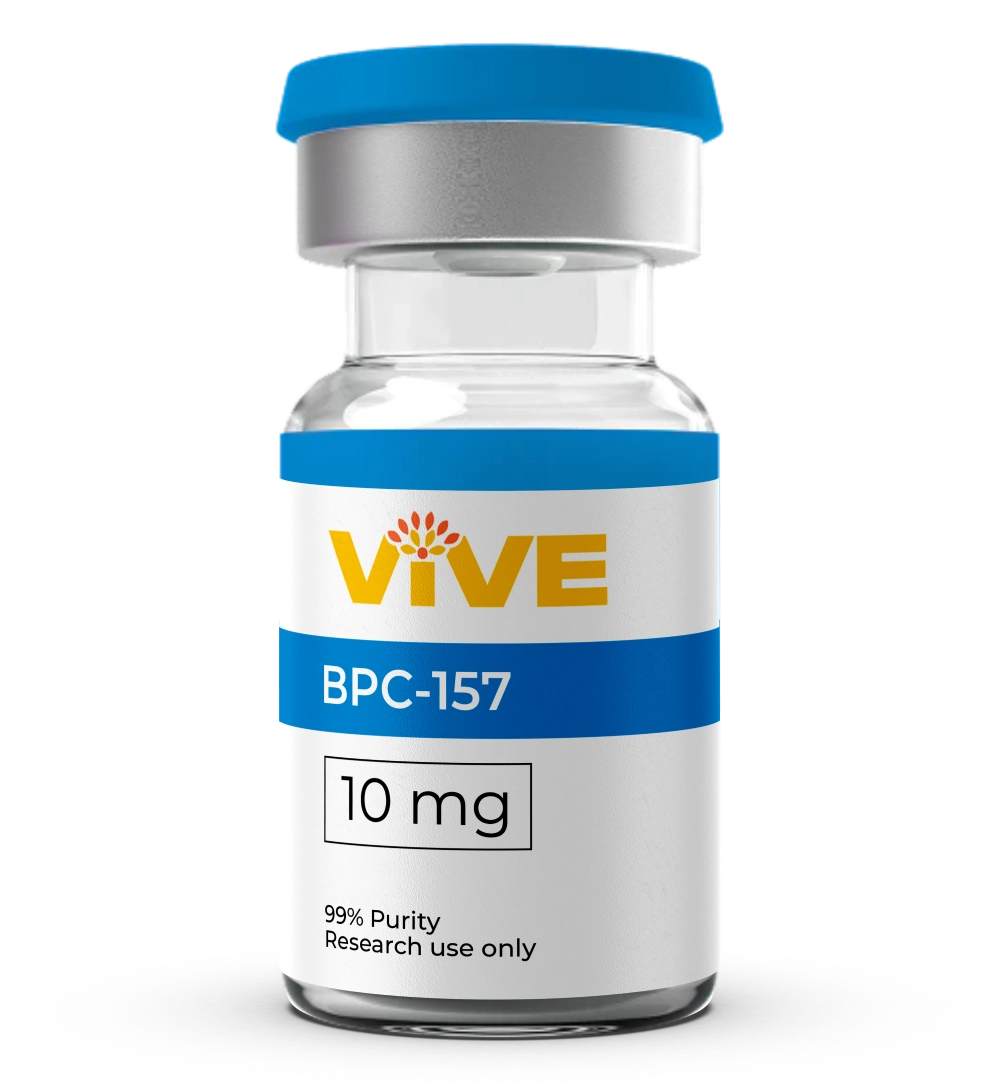
VivePeptides was built around that pattern specifically. Every listing carries batch-matched testing documentation, and the catalog spans commonly researched products from metabolic peptides to recovery and cognitive research lines. Researchers ready to compare a current batch COA side by side can start with the BPC-157 product overview, where purity data and testing method are published for the batch currently shipping rather than an older reference batch.
Price still matters, but it's most useful compared per verified milligram rather than as a sticker number, since two vendors listing the same nominal price can differ once purity and quantity are accounted for.
How Does VivePeptides Compare to Amino Asylum
A fair comparison focuses on what's verifiable rather than on reputation. On documentation, VivePeptides publishes a current certificate of analysis for every active batch and names the independent laboratory behind each result, so a researcher isn't taking a claim on faith. On catalog breadth, the peptide library covers metabolic, recovery, cognitive, and longevity research compounds under one account rather than requiring separate vendor relationships, with support hours that work for researchers based in the United States.
On support, response time and clarity matter more than marketing copy, since most questions researchers ask are documentation questions: which batch, which lab, which method. A vendor that answers those quickly and specifically is doing the part of the job that actually reduces research risk. Wherever a researcher lands, the standard to hold both vendors to is the same one outlined above: current, independent, and specific, not just a passing claim on a product page.
What Red Flags Mean a Peptide Company Isn't Trustworthy
A handful of patterns show up across most complaints about research peptide vendors and their products, regardless of brand:
- No COA available anywhere on the site, or one that's clearly a stock image rather than a real lab document.
- A listed laboratory that has no independent web presence or can't be found outside the vendor's own claims.
- Batch numbers that never change despite months of continuous sales, which usually means the testing wasn't repeated.
- Pressure tactics like countdown timers or "last batch ever" messaging on a product that restocks routinely.
- No research use only disclosure, or language that implies a health outcome for a compound that hasn't been evaluated for that use.
Any single item on this list is worth a follow up question. Two or more, especially missing documentation paired with vague sourcing claims, are enough reason to move spend to a vendor that makes verification easy instead of optional.
Frequently Asked Questions
Is Amino Asylum a legit peptide company? There's no single registry that certifies whether a research peptide vendor is legitimate. Researchers evaluating Amino Asylum, or any vendor, should independently confirm current certificates of analysis, verify the named laboratory is real and accredited, and check that batch numbers on the product page match the documentation provided. A company that can't produce recent, verifiable paperwork is a bigger concern than its reputation alone.
What happened to Amino Asylum? Reports about Amino Asylum's operations vary across forums and review sites, and specific claims about stock, staffing, or service changes should be verified directly with the vendor's current policies rather than assumed from posts that went unanswered. Researchers who can't get a clear, current answer from a vendor's support team often treat that difficulty itself as the signal to compare Amino Asylum alternatives.
Is VivePeptides cheaper than Amino Asylum? Pricing on individual peptides shifts with batch size and current promotions on both sides, so a blanket answer isn't reliable. The more useful comparison for researchers is price per verified milligram: divide the listed price by the purity-adjusted quantity on the current certificate of analysis, then compare that number across vendors rather than relying on sticker price alone.
Do research peptide companies need third-party lab testing? Research-use compounds aren't approved by the FDA for human consumption, so there's no regulatory testing mandate the way there is for a licensed pharmacy. That said, independent third-party lab testing is the main way a vendor can demonstrate purity and identity outside its own claims, which is why most researchers treat a published, current certificate of analysis as a baseline requirement, not an optional extra.
Is it safe to switch peptide suppliers? Switching is usually straightforward if the process is treated like any vendor change: confirm the new supplier's documentation before the first order, keep records of certificates of analysis for compounds already in use, and avoid mixing compounds from unverified sources into ongoing research without re-establishing a purity baseline. Most researchers switch without issue when this verification step isn't skipped.
Start Comparing Batches at VivePeptides
The verification steps in this guide take minutes when a vendor already publishes current batch documentation. Researchers ready to move past unanswered questions can browse the full peptide library and check a current certificate before placing their next order.
Research Use Only
All information in this article is intended for educational and research purposes only. VivePeptides products are not intended for human or veterinary use.