Research Article
Aqua Science Bacteriostatic Water Alternatives for Research
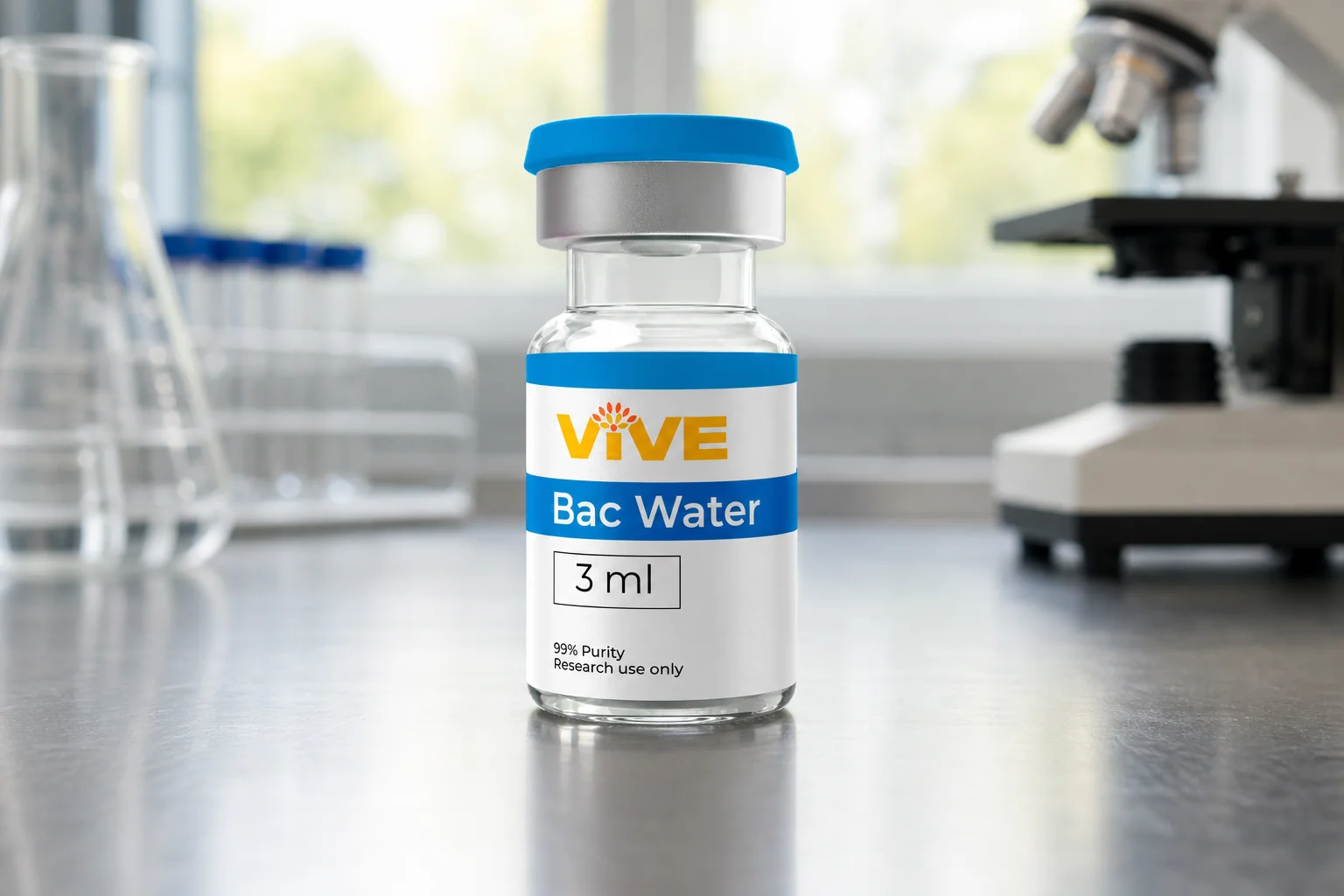
Researchers comparing aqua science bacteriostatic water alternatives for research are usually reacting to inconsistent stock, unclear labeling, or a preservative concentration that does not match their protocol. This guide explains what bacteriostatic water does, how to vet a new supplier, and where to source research-grade bacteriostatic water built for lab use.
By Vive Team
What Is Aqua Science Bacteriostatic Water Used for in Research?
Aqua Science is one of several manufacturers that produces bacteriostatic water, a diluent preserved with 0.9% benzyl alcohol so a single vial can be drawn from more than once without the solution breaking down. In a research setting, it is most often used as a solvent to reconstitute lyophilized (freeze-dried) peptides before they are measured out for further study. The benzyl alcohol preservative slows microbial growth between draws, which is what separates bacteriostatic water from plain sterile water for injection, and it is the reason bacteriostatic water is the default diluent choice whenever a vial needs to be entered on more than one occasion. These products are sold for research use only and are not intended to diagnose, treat, cure, or prevent any disease.
Why Researchers Are Exploring Aqua Science Bacteriostatic Water Alternatives for Research
Sourcing has become the main driver behind the shift. Aqua Science bacteriostatic water is not always in stock through the same distributors researchers used previously, and several labs report longer lead times or backorders when they try to reorder. That inconsistency is exactly why researchers keep comparing options: a lab cannot pause a study because one brand's inventory is unpredictable. Beyond availability, researchers are also weighing preservative concentration, batch documentation, and vial size across suppliers, since not every bacteriostatic water product ships the same way. A handful of labs have also mentioned inconsistent labeling between production runs, which makes it harder to confirm exactly what concentration of benzyl alcohol a given vial contains.
The Best Bacteriostatic Water Alternatives for Research Use
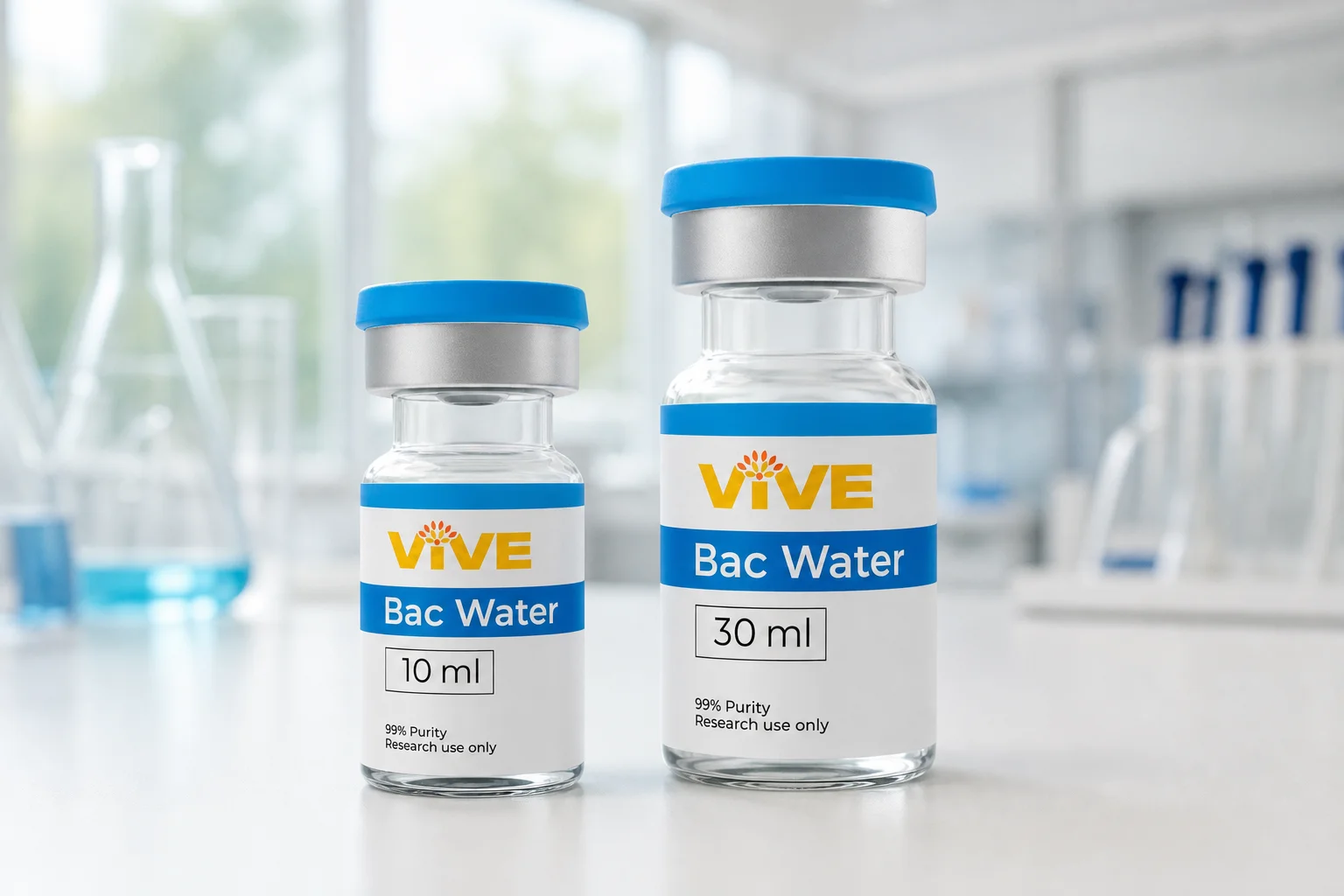
When you start narrowing down aqua science bacteriostatic water alternatives for research, the safest starting point is a supplier that manufactures its own bacteriostatic water rather than relabeling stock from an unknown source. A supplier that states its benzyl alcohol concentration, documents a shelf life for both unopened and opened vials, and ships in standard 10 mL or 30 mL sizes gives a lab a consistent baseline to reference against Aqua Science or any other brand. Consistency matters more than brand name here: a research team switching suppliers mid-project needs the replacement product to behave the same way in every protocol that assumes a specific preservative concentration.
What to Check Before Choosing a Bacteriostatic Water Supplier
Not all bacteriostatic water is the same across brands, even though the label often looks similar from one vial to the next. Before switching suppliers, compare the benzyl alcohol concentration (0.9% is the common standard), whether the product is manufactured to USP-grade specifications for water for injection, and whether the supplier publishes a lot number or certificate of analysis for each batch. Some manufacturers use acetic acid as a pH adjuster during production instead of relying on benzyl alcohol alone, which can change how the solution behaves with certain peptides in solution. A supplier that cannot answer basic questions about preservative concentration or manufacturing standards is a bigger risk to a research timeline than the brand switch itself.
Bacteriostatic Water vs Sterile Water in a Research Setting
Sterile water and bacteriostatic water start from the same base: water that has been purified and sterilized during manufacturing. The difference comes down to the preservative. Sterile water contains none, so once a vial is opened it is generally treated as single use, because there is nothing in the solution to slow microbial growth between draws. Bacteriostatic water, by contrast, stays bacteriostatic for repeated access because the benzyl alcohol preservative keeps bacterial growth in check across multiple entries with a needle. That is why bacteriostatic water for peptide reconstitution in a research setting is the more practical default: a researcher working with a peptide like BPC-157 typically needs to draw from the same vial several times over a period of days, which is only practical with a preserved diluent. Saline is a separate category entirely, a salt solution used for different laboratory purposes, and it is not a substitute for either sterile or bacteriostatic water when reconstituting a lyophilized peptide.
Storing and Handling Bacteriostatic Water Safely in a Lab
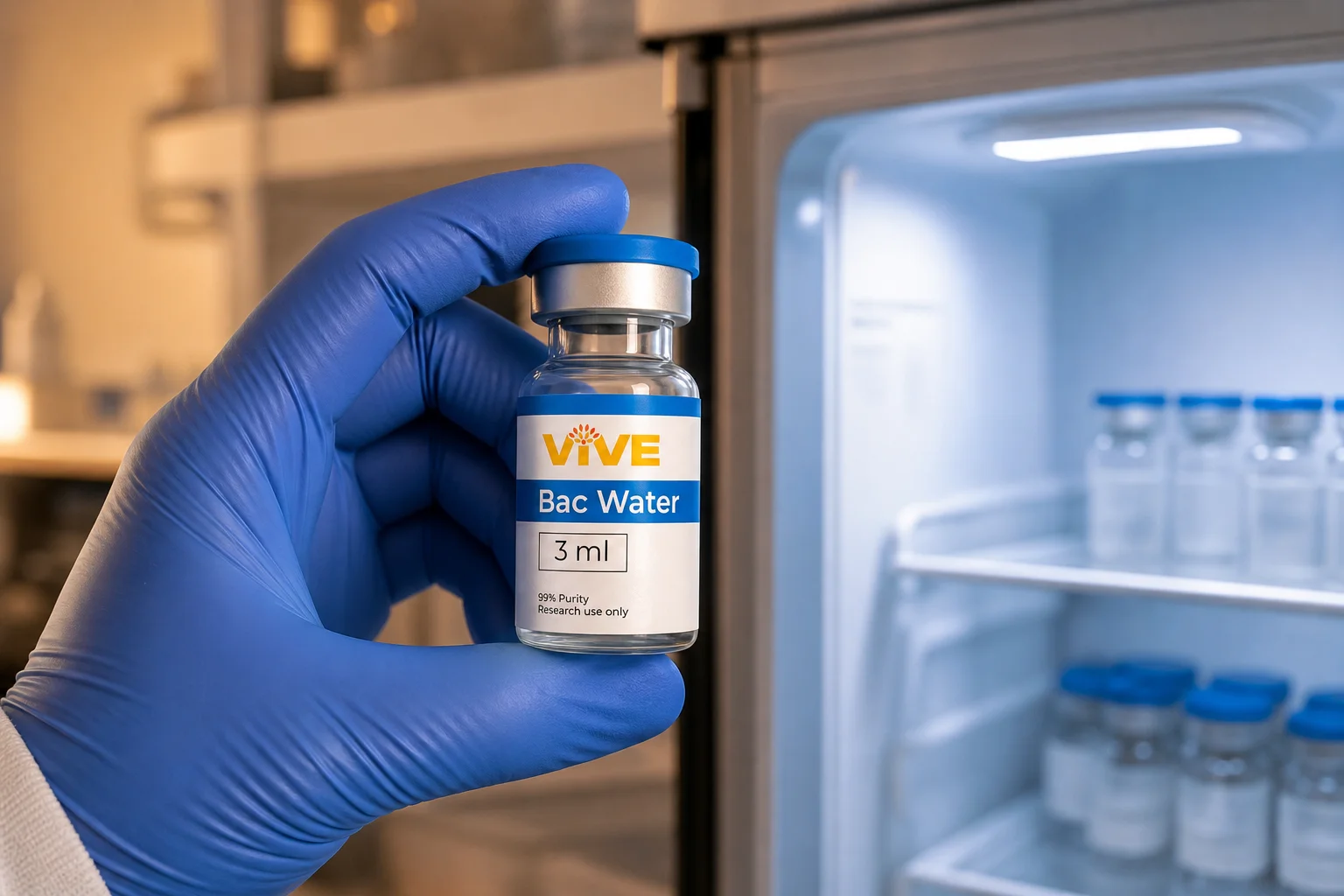
Unopened bacteriostatic water should be stored at room temperature or refrigerated, away from direct light, and used before the manufacturer's expiration date printed on the vial. Once a vial is opened, most manufacturers list a usable window of up to 28 days when it is kept refrigerated between draws, though that figure varies by brand and should be confirmed against the specific product's own documentation rather than assumed across the board. Refrigeration after first use helps preserve peptide stability in anything reconstituted with the water and reduces the chance of contamination from repeated punctures of the stopper. Standard aseptic technique, an alcohol wipe on the stopper before every draw and a fresh needle each time, matters as much as the product itself in peptide science, since even a well-made bacteriostatic solution cannot fully compensate for poor handling.
Where to Buy Bacteriostatic Water for Lab Use
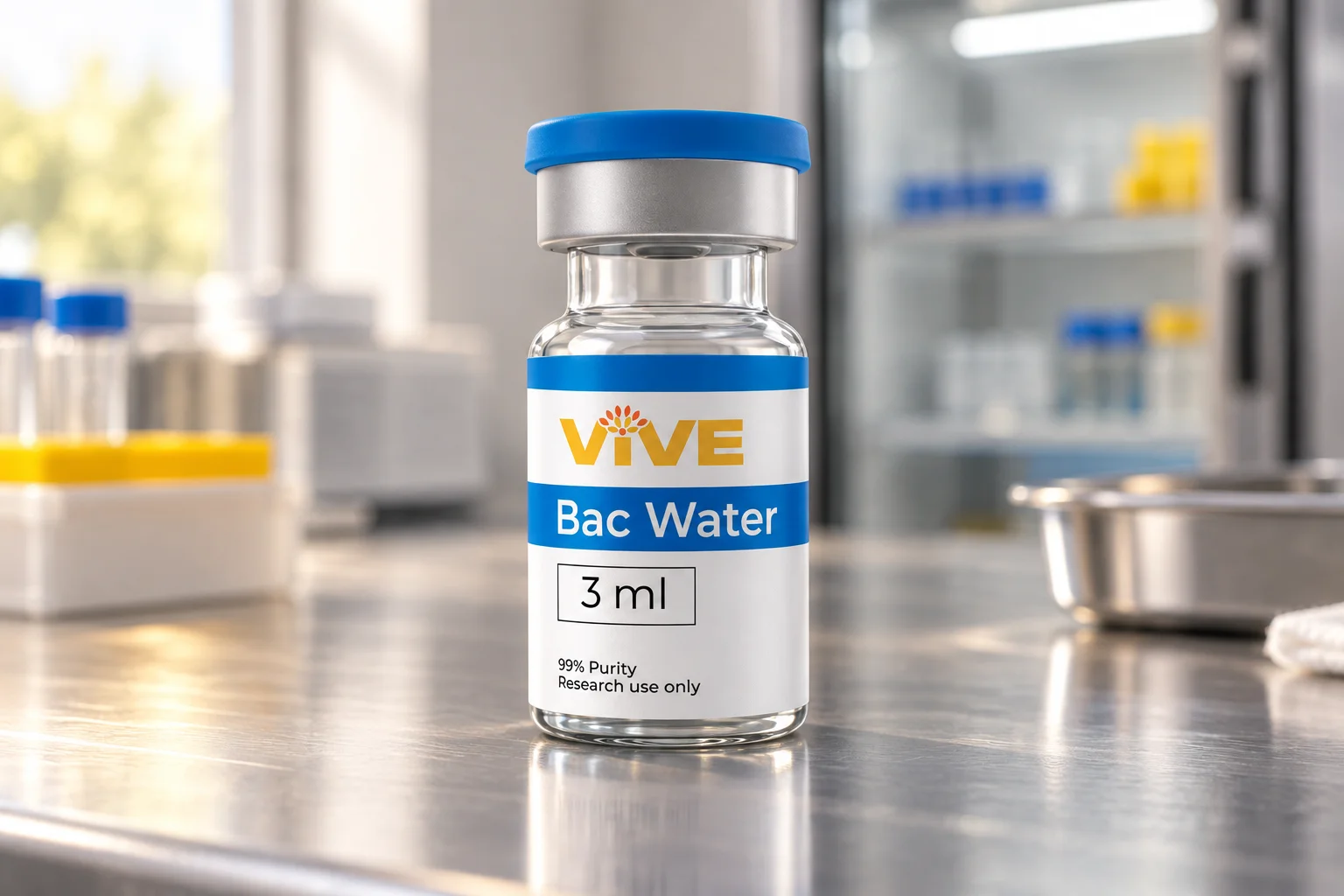
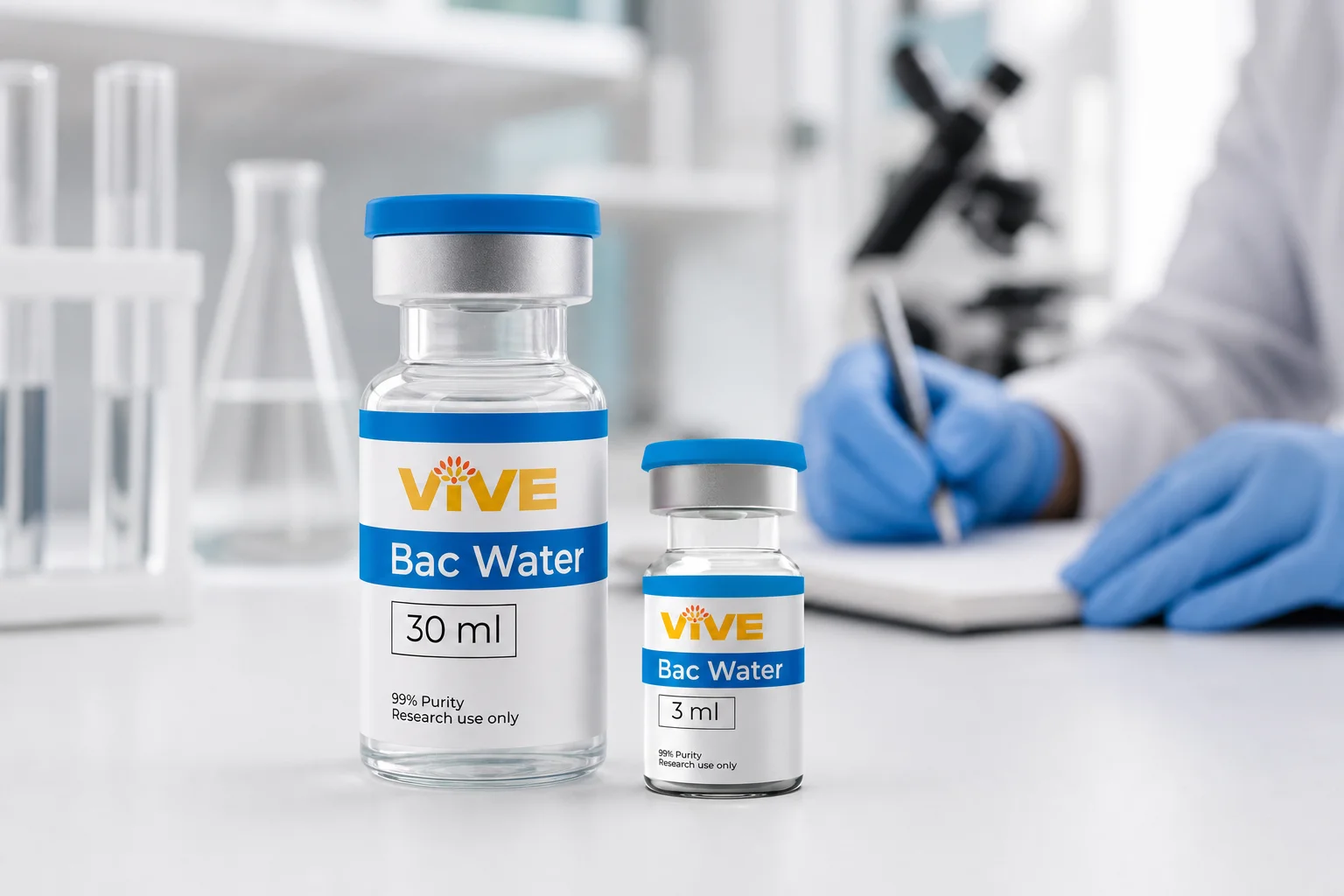
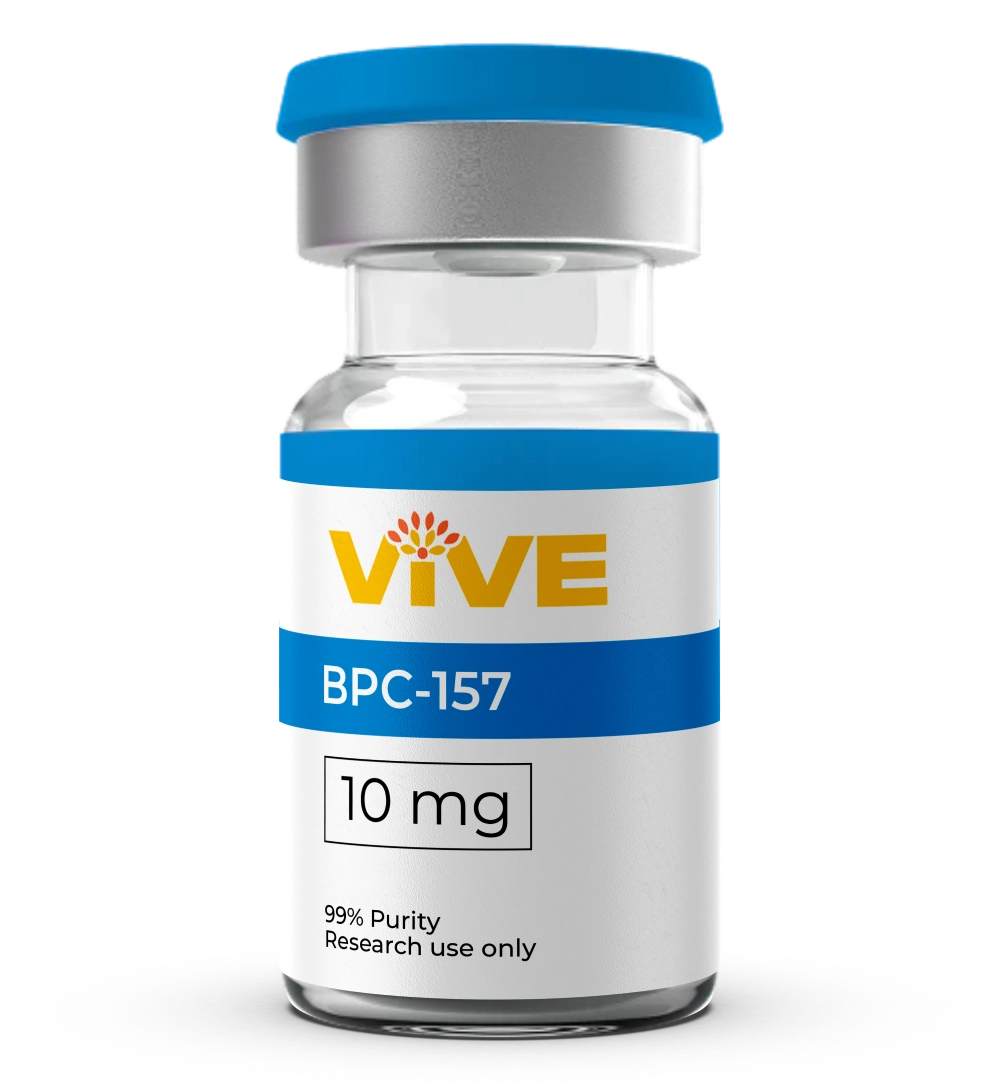
Once a researcher has weighed preservative concentration, documentation, and supplier reliability, buying decisions usually come down to consistency. VivePeptides sells bacteriostatic water manufactured specifically for laboratory and research applications, with the same benzyl alcohol concentration and packaging on every order, which removes the guesswork that comes with switching between unfamiliar brands mid-study. For labs that also order peptides for reconstitution, sourcing both from the full peptide library keeps preservative concentration and vial size consistent across a whole project instead of mixing components from different manufacturers.
Frequently Asked Questions
Is Aqua Science Bacteriostatic Water Discontinued? There is no single, confirmed nationwide discontinuation notice for Aqua Science bacteriostatic water, but availability through many of the retailers researchers previously used has become inconsistent, with longer lead times and periodic stockouts. Because of that unpredictability, many labs now default to a supplier with steady inventory and consistent batch documentation rather than waiting to see whether a particular listing restocks.
Is Bacteriostatic Water Sterile? Yes. Bacteriostatic water starts as sterile water for injection and stays sterile through manufacturing; the benzyl alcohol preservative is added afterward to stop microbial growth from taking hold once the vial is opened and re-entered multiple times. That is different from being sterile only until first use, which is how plain sterile water is typically treated in a research setting.
Can Bacteriostatic Water Be Used for Peptide Reconstitution in Research? Yes, bacteriostatic water is the standard diluent for reconstituting lyophilized peptides in research settings because its preservative allows a vial to be safely accessed more than once. Plain sterile water can also reconstitute a peptide for immediate use, but it does not carry the same protection against microbial growth across repeated draws from the same vial.
How Long Does Bacteriostatic Water Stay Usable Once Opened? Most manufacturers list an opened vial as usable for up to 28 days when refrigerated between draws, though the exact window depends on the brand and its benzyl alcohol concentration. Always confirm the figure printed on the product's own label or documentation rather than assuming every supplier uses the same shelf life once a vial has been punctured.
What Should I Look for in an Alternative to Aqua Science Bacteriostatic Water? Compare benzyl alcohol concentration, manufacturing standards, batch documentation, and supplier reliability before switching. A 0.9% benzyl alcohol concentration is the common standard, and a supplier that can produce a certificate of analysis or lot number for its bacteriostatic water is generally a safer choice than one that cannot answer basic sourcing questions.
Get Research-Grade Bacteriostatic Water From VivePeptides
For labs ready to move past inconsistent sourcing, VivePeptides ships bacteriostatic water manufactured to a consistent benzyl alcohol standard on every batch. Stock a diluent built for research from the start with BAC water for peptide research.
Research Use Only
All information in this article is intended for educational and research purposes only. VivePeptides products are not intended for human or veterinary use.