Research Article
Single Vials vs Pre Mixed Blends: Which to Order First

Choosing between single vials vs pre mixed blends comes down to dosing control, storage needs, and whether you plan to combine compounds later. A single vial holds one research peptide on its own, while a pre-mixed blend combines several compounds into one vial for convenience. This guide compares cost and flexibility before you Shop research peptides for your first order.
By Vive Team
Single Vials vs Pre Mixed Blends: What Actually Separates Them
A single vial is the simplest format in research peptide sourcing: one compound, freeze-dried, in its own container, labeled at a specific concentration. A pre-mixed blend combines two or more compounds into a single vial before it ships, at a fixed ratio the supplier sets during manufacturing rather than one you set yourself.
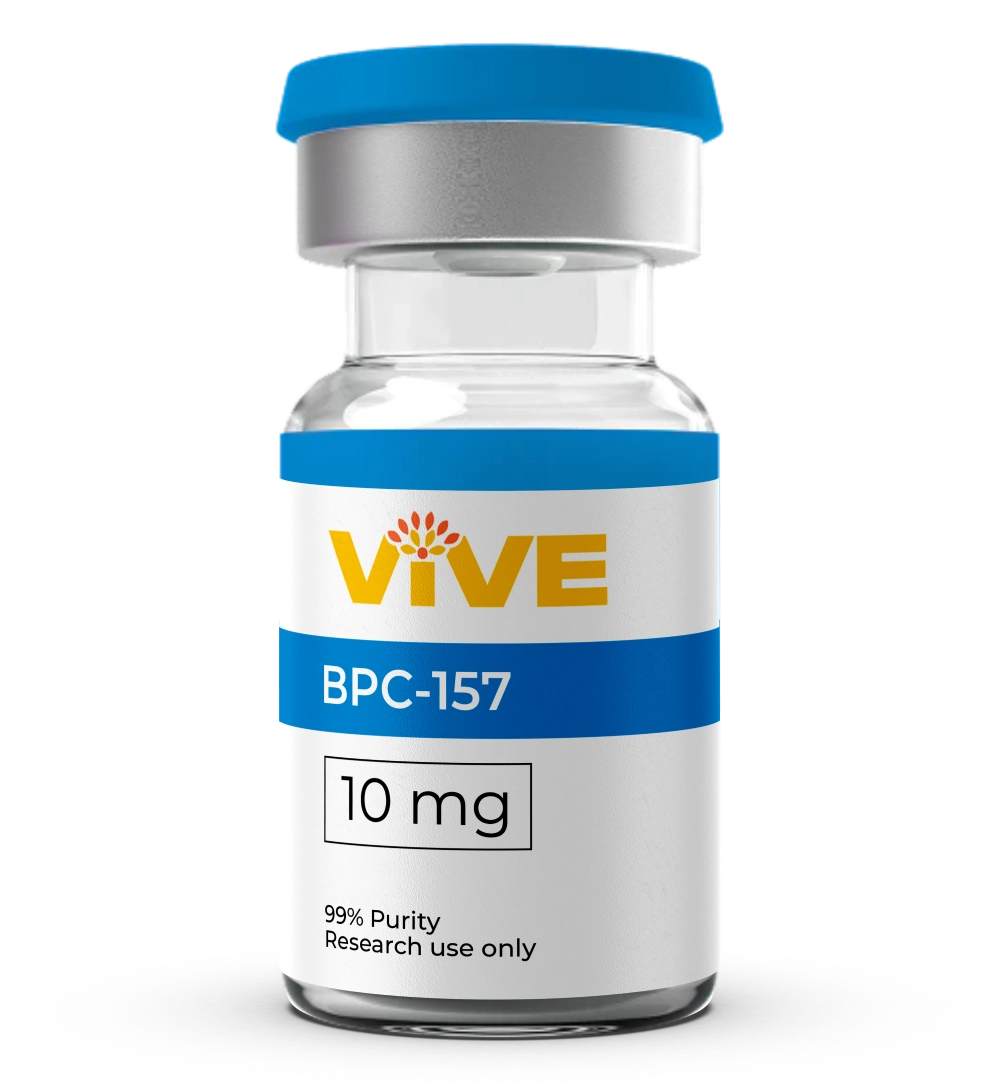
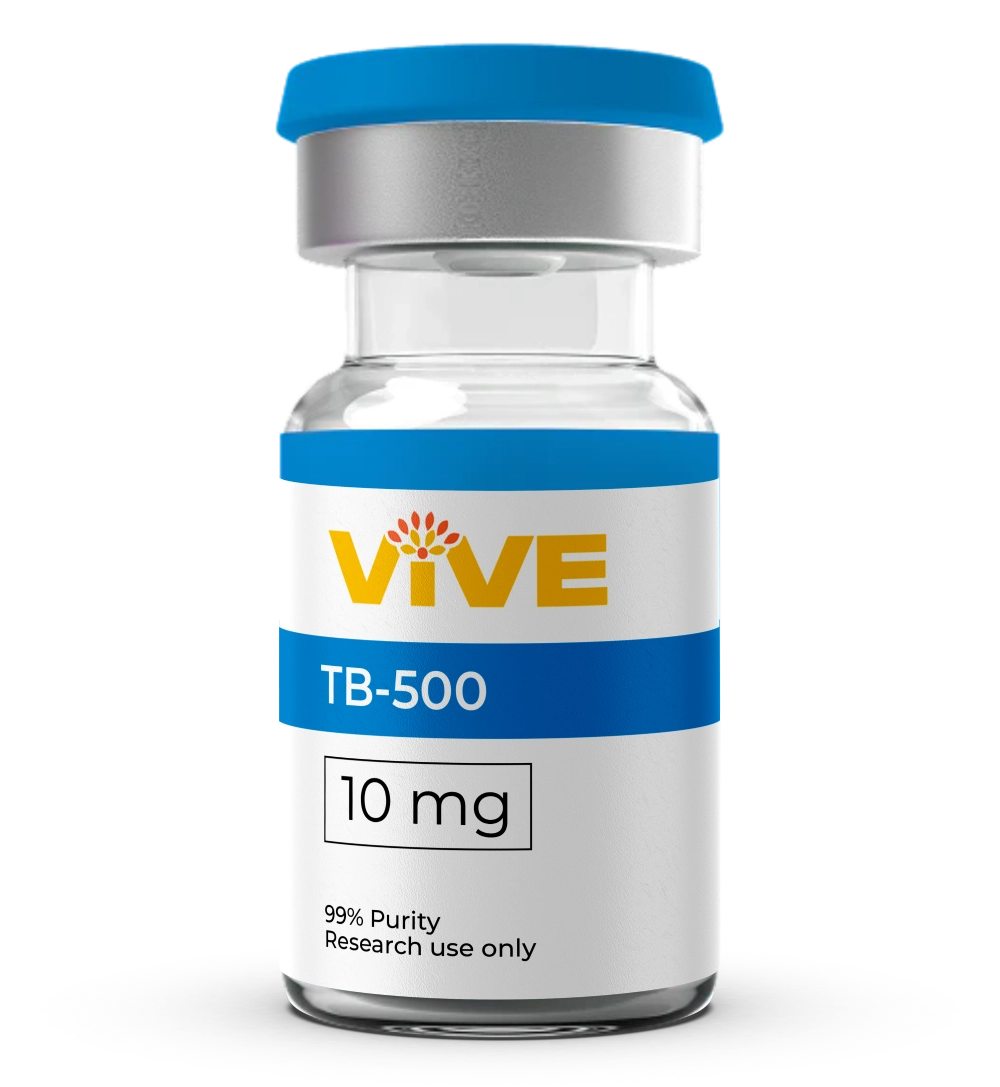
Read the label carefully before ordering either format. A single-compound product states exactly what the vial contains and at what concentration. A blend's label lists every compound in the mix along with the combined total, since the powder is already a mixture once lyophilized. Common blend formats pair compounds frequently studied together, such as BPC-157 and TB-500 for tissue-recovery research or several NAD+ precursors for cellular studies. Neither format is inherently better; they simply serve different starting points depending on how narrow or broad your research question already is.
Which Format Should a First-Time Buyer Order First
For most first-time buyers, ordering single vials first is the more practical starting point. A single vial isolates one compound, one concentration, and one reconstitution volume, making it far easier to track how a protocol is going before adding a second variable. Beginners still learning reconstitution and storage basics benefit from working with one compound until the process feels routine.
When a Pre-Mixed Blend Makes Sense First
A pre-mixed blend can still be the right first order when the goal from the outset is a specific combination, such as a recovery-focused pairing where each compound plays a defined role in the manufacturer's stated ratio. Buying the blend then avoids doing the math to combine individual vials yourself. Either way, early questions about handling and storage come down to the same basics: cold storage after reconstitution, gentle mixing, and consistent labeling.
Cost Comparison: Do Pre-Mixed Blends Cost More Than Single Vials
On cost specifically, single vials vs pre mixed blends is less about which format is cheaper in the abstract and more about what you actually plan to use. Pricing depends on which specific compounds you're comparing, so there's no single answer that holds across every product. A pre-mixed blend's price reflects the total combined amount rather than each compound priced on its own, while buying the same compounds as single vials means paying for each product separately, plus reconstitution water for each container.
For researchers who already want every compound in a blend at the ratio the manufacturer offers, the blend is often the more straightforward purchase since it consolidates that decision into one listing. For researchers who only want one or two of those compounds, buying single vials separately is usually the better value, since you're not paying for a component you have no plan to use. Comparing the per-compound price of a blend against buying those compounds individually is the most reliable way to answer the cost question.

How Reconstitution and Storage Differ Between the Two Formats
Standard reconstitution steps are nearly identical for both formats: draw sterile bacteriostatic water into the vial, add it slowly down the side of the glass rather than onto the lyophilized powder, and swirl gently rather than shaking. The difference is what you're dissolving. A single vial contains one compound, so the resulting solution has one concentration to track. A pre-mixed blend carries all of its compounds at once, at whatever ratio the manufacturer set before lyophilizing.
Storage and stability follow the same general guide for both formats once reconstituted: refrigerate promptly, keep the vial away from light, and use it within the manufacturer's stated stability window. Blends aren't automatically less stable than single-compound vials, but because a blend combines multiple compounds, its stability window is set by whichever compound in the mix is least stable, not by an average, worth checking before comparing shelf life between a blend and its individual components stored separately.
Dosing Precision and Combining Compounds Later
Single vials give you more precise control over dose because you control the math for one compound at a time: you decide the reconstitution volume, and every unit you draw corresponds to a known amount of that one peptide. With a pre-mixed blend, each draw delivers a fixed ratio of every compound in the vial, so you cannot isolate or adjust one compound's dose without changing all of them proportionally.
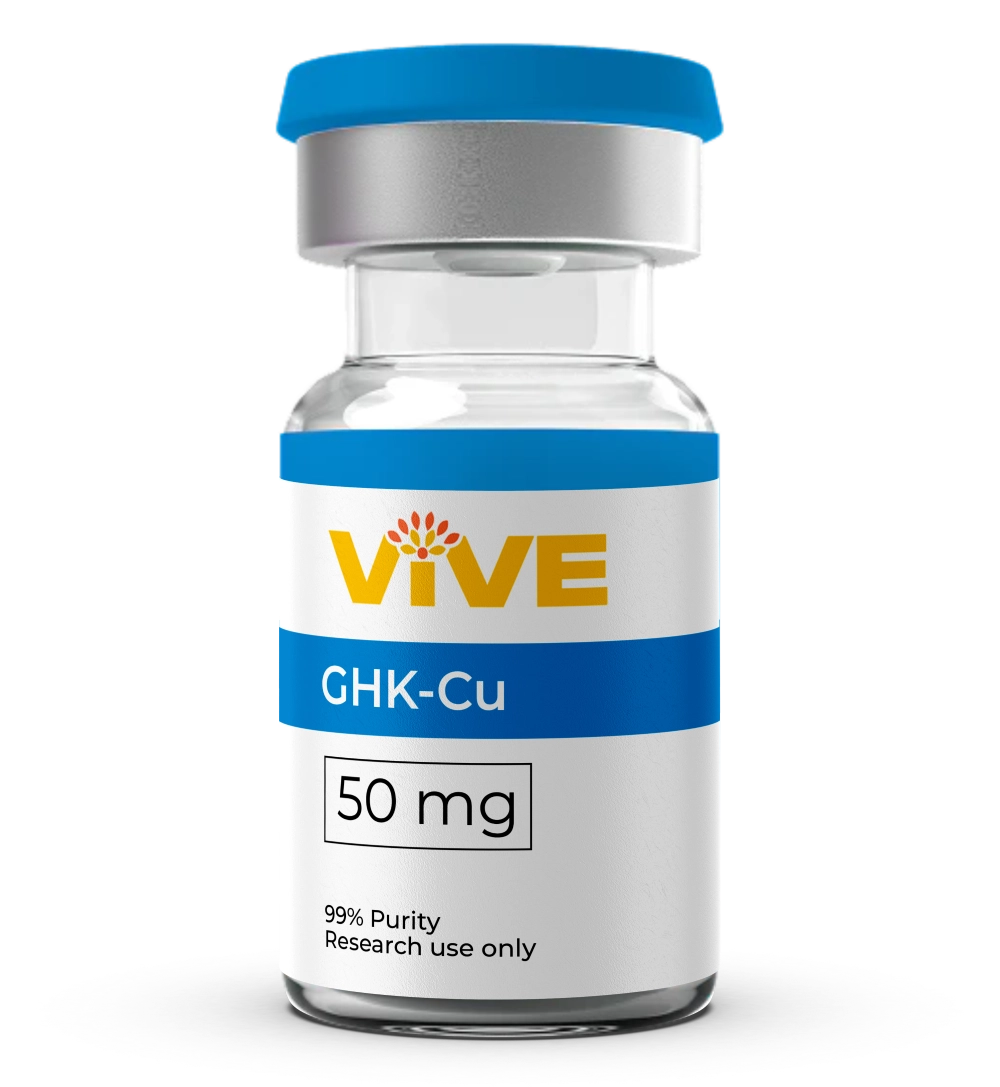
This is also where flexibility for later research comes in. Starting with single vials keeps the door open to add compounds to a protocol without being locked into a blend's preset ratio. If your research question changes, or you want to explore a compound the original blend doesn't include, single vials let you build a new combination from scratch rather than replacing an entire pre-mixed product. If you're weighing a fixed combination against building your own, the Glow Blend (BPC-157, TB-500, and GHK-Cu) states its exact combined concentrations and reconstitution volume on the product page, making it straightforward to compare against ordering those three compounds as single vials and combining them yourself.
Yes, single vials can be combined into a custom blend at home: reconstitute each compound separately, then draw them together in whatever ratio your research calls for. This is the same basic process a supplier uses to create a pre-mixed blend, just done at the researcher's bench instead of during manufacturing. Whether you use a standard syringe or a pen-style delivery device, the underlying math, matching total volume to your intended per-compound dose, stays the same regardless of format.
Single Vials vs Pre Mixed Blends: Weighing the Pros and Cons
Every comparison between the two formats comes down to the same handful of tradeoffs.
Single vials: more precise dosing control, easier troubleshooting since only one compound is in play, and full flexibility to build your own combination later. The tradeoff is more reconstitution steps if your protocol uses several compounds, since each vial needs its own water and its own draw.
Pre-mixed blends: one reconstitution step instead of several, a ratio already worked out for you, and one product to track instead of many. The tradeoff is less control over each individual compound's dose and less flexibility to swap one component out without replacing the whole blend.
There's no single right answer to whether it's better to buy single vials or a pre-mixed blend. The right first order matches your specific research question: a narrow, single-compound question points toward a single vial, while a broader question that already matches an existing blend's ratio points toward ordering the blend.
Frequently Asked Questions
Is it better to buy single vials or a pre-mixed blend? Neither format is universally better. Single vials suit a narrow research question focused on one compound, since you control dosing and reconstitution independently. A pre-mixed blend suits a question that already matches the blend's stated ratio, since it consolidates several compounds into one reconstitution step. The better first order depends on how specific your research question already is.
Can single vials be combined into a custom blend at home? Yes. Reconstitute each compound according to its own instructions, then combine them in the ratio your research protocol calls for, the same basic process a supplier uses to formulate a pre-mixed blend. The difference is that you control every ratio yourself instead of relying on a manufacturer's preset combination, so accurate measurement at each step matters.
How long do pre-mixed blends last compared to single vials once reconstituted? Once reconstituted, both formats should be refrigerated and used within the stability window stated on that product's listing. A blend's stability is generally set by whichever compound in the mix degrades fastest, so it won't necessarily match the stability window of any one compound stored as a single vial. Always check the listing for the exact product you ordered.
Do pre-mixed blends cost more than buying single vials separately? It depends on how many of the blend's compounds you actually plan to use. If you want every compound at its stated ratio, the blend usually consolidates that purchase into one product. If you only want one or two of those compounds, buying single vials separately is typically the better value since you're not paying for components you won't use.
Which is easier for a first-time buyer, single vials or pre-mixed blends? Single vials are generally easier for a first-time buyer because dosing math and reconstitution apply to one compound at a time, which makes early questions about handling easier to isolate. A pre-mixed blend can still be a reasonable first order when the goal from the start is a specific combination rather than a single compound.
Find the Right Starting Format for Your Research
Whether your next step is a single compound or a ready-made combination, every option here ships with the same lot-specific documentation and reconstitution guidance. Compare formats and specific compounds across the full peptide library before placing your first order.
Research Use Only
All information in this article is intended for educational and research purposes only. VivePeptides products are not intended for human or veterinary use.