Research Article
Which Compound to Start With: A Research Decision Tree

Choosing which compound to start with depends on your research objective, not on which peptide is trending this month. Researchers who browse the VivePeptides catalog and match one well-documented compound (fat loss, recovery, longevity, or cognition) to a single goal get cleaner data than those who stack several unknowns at once.
By Vive Team
How Do You Choose Which Compound to Start With Based on Your Research Objective
Every research peptide has a documented mechanism, and matching that mechanism to a clear research objective is the fastest way to get usable data. Before opening a new vial, define the objective in one sentence: metabolic (fat loss), structural (muscle growth or recovery), cellular (anti-aging or longevity), or neurological (sleep, cognition, or mood). Across the different types of compounds available, that objective, not popularity or price, should decide which compound to start with.
It helps to understand what you are actually working with at a molecular level. Peptides are organic compounds: short chains of amino acids built from carbon, hydrogen, oxygen, and nitrogen atoms, similar in principle to how hydrogen and oxygen atoms combine to form water. That is a different category of chemistry than simple inorganic compounds such as sodium chloride (NaCl) or acetic acid (CH3COOH), which are single small molecules rather than folded chains. This distinction is part of why peptide compounds behave differently in storage, reconstitution, and stability than a simple salt or acid, and why the properties of one compound rarely predict the properties of another.
Fat Loss Research Objectives
For a fat loss research objective, GLP-1 and dual or triple agonist compounds dominate the published literature. Semaglutide and Tirzepatide are the two most extensively studied options, each targeting appetite and energy regulation through different receptor combinations. Retatrutide is newer to the literature and worth tracking as more data publishes, but a first fat-loss protocol usually starts with one of the two better-established compounds.
Muscle Growth and Recovery Research Objectives
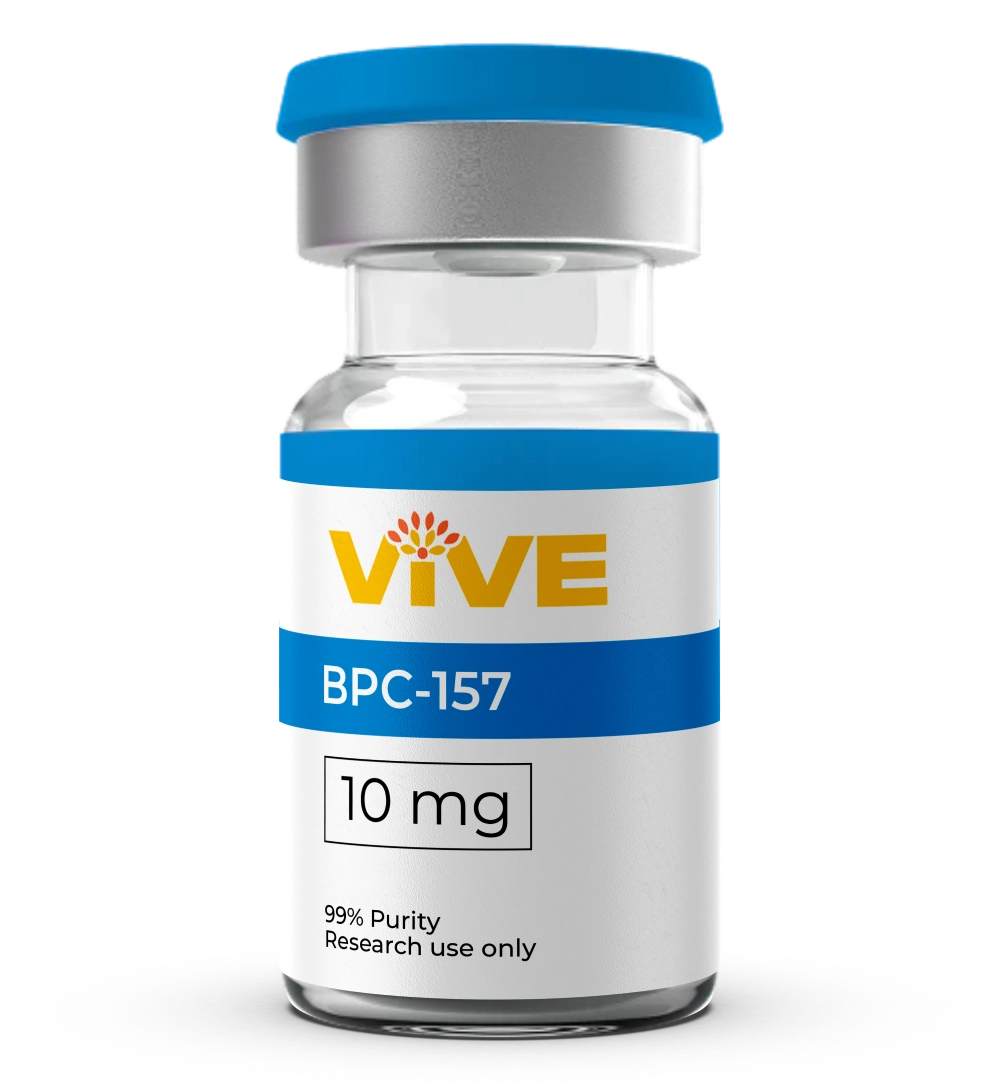
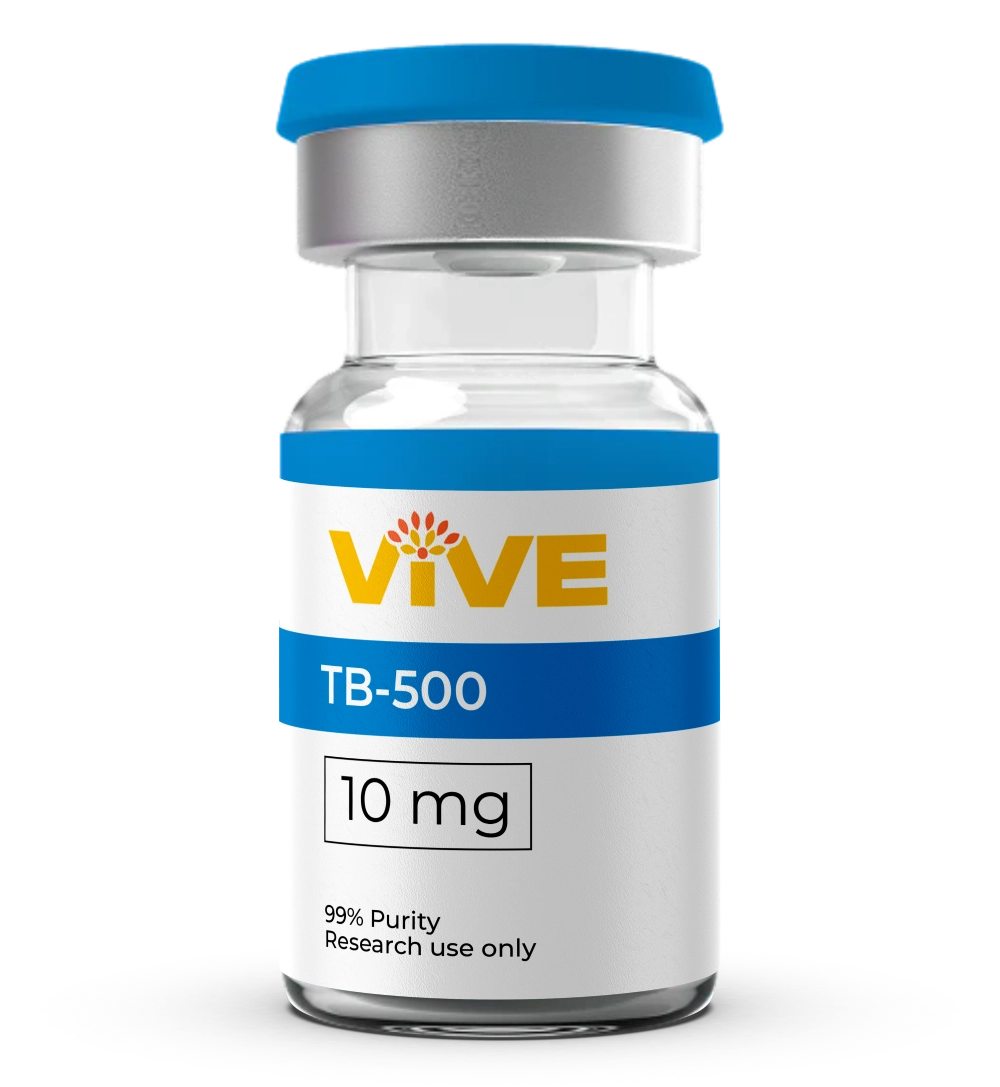
For a muscle growth or recovery research objective, growth-hormone secretagogues and healing peptides are the two common starting categories. Sermorelin and the CJC-1295/Ipamorelin blend support endogenous growth hormone pulses, while BPC-157 and TB-500 are studied for tissue repair and recovery timelines. IGF-1 LR3 is a more advanced compound generally reserved for researchers who already have baseline data from a secretagogue or repair peptide.
Anti-Aging and Longevity Research Objectives
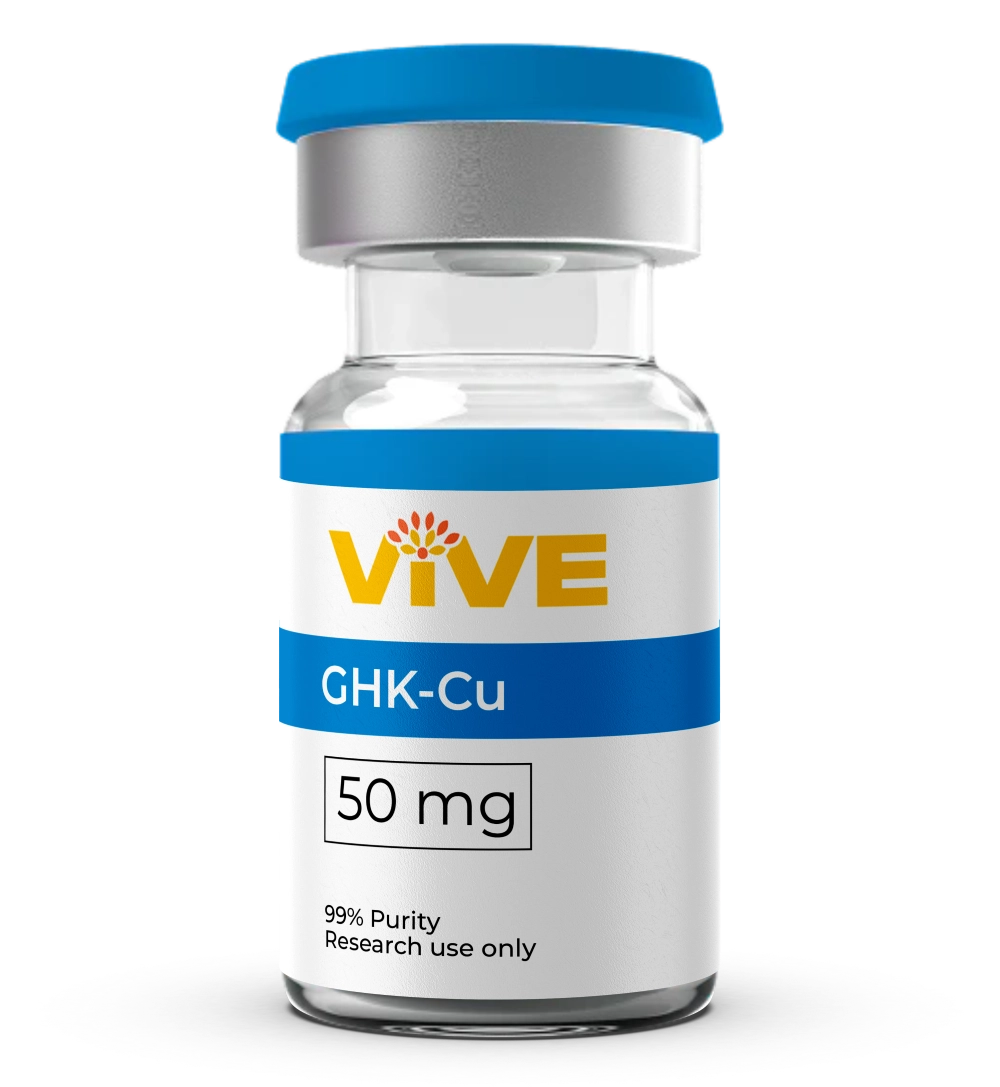
For anti-aging or longevity research objectives, the literature clusters around three mechanisms: mitochondrial support, collagen signaling, and cellular repair. MOTS-c is studied for mitochondrial and metabolic signaling, GHK-Cu is one of the most documented peptides for skin and collagen research, and NAD+ supports cellular energy pathways tied to aging biology. Longevity research often intersects with quality of daily living, not just biomarkers, which is why combining a mitochondrial compound with a collagen-signaling compound is common in longevity-focused protocols. Even so, each should be evaluated on its own before adding a second.
Sleep, Cognitive, or Mood Research Objectives
For sleep, cognitive, or mood-related research objectives, nootropic and stress-modulating peptides are the typical starting point. Selank and Semax are both studied for cognitive and mood-related signaling, while ARA-290 has a smaller but growing body of research tied to nerve and inflammatory pathways. None of these compounds are sedatives; the mechanism is regulatory rather than immediate, so effects in the literature build over a research cycle rather than a single dose.

What Is the Safest Peptide to Start With for a First-Time Researcher
For a first-time researcher, the safest starting compound is usually the one with the deepest and most consistent body of published research, not the one with the most dramatic marketing claims. BPC-157 fits that description for most beginner research protocols: it has one of the largest bodies of published animal-model literature among research peptides, a straightforward reconstitution process, and a wide margin between studied dosing ranges. Reviewing the BPC-157 product overview alongside its published dosing data before your first reconstitution is a reasonable starting habit for any new researcher, and a smaller investment of time and vials than testing three compounds at once.
Two other factors matter as much as the compound itself. First, reconstitution consistency: using bacteriostatic water and a fixed measuring routine reduces variability between vials far more than switching compounds does. Second, storage: a stable, regular refrigeration routine at home, away from light and temperature swings, keeps a compound's properties, and its shelf life, consistent across a full research cycle. Keep in mind that a compound's published safety profile assumes correct reconstitution and storage; skipping either step changes the actual substance you are studying, not just the results.
How Do You Compare Compounds When Two Peptides Target the Same Research Objective
When two compounds target the same research objective, for example BPC-157 and TB-500 for recovery, or Semaglutide and Tirzepatide for fat loss, the comparison usually comes down to four factors: mechanism, published dosing range, reconstitution complexity, and depth of existing literature. A side-by-side table makes the differences easier to figure out than reading two product pages separately.
| Factor | BPC-157 | TB-500 | |---|---|---| | Primary mechanism | Localized tissue and gut-lining repair signaling | Systemic actin-regulation and cell migration | | Published literature | Large body of animal-model data | Smaller, growing body of data | | Reconstitution | Standard bacteriostatic water ratio | Standard bacteriostatic water ratio | | Common pairing | Often studied alongside TB-500 | Often studied alongside BPC-157 |
Reading a comparison like this side by side, rather than jumping between two separate product pages, is usually a better way to decide between comparable compounds. The same method works for any pair: list mechanism, dosing range, reconstitution, and available literature, then figure out which factor matters most for your specific research objective.
Combining Compounds and Knowing When to Switch Your Research Focus
Research protocols that combine two or more compounds are common once each individual compound has been evaluated on its own, but combining from day one makes it difficult to know which compound produced which result. The Glow Blend (BPC-157/TB-500/GHK-Cu) and the KLOW Blend are examples of pre-combined research blends built around a single objective, skin and connective-tissue research, rather than combining compounds across unrelated objectives like fat loss and cognition.
How long to research one compound before switching depends on the objective. Metabolic compounds like Semaglutide or Tirzepatide typically need a full research cycle, often eight to twelve weeks, before meaningful data emerges, while recovery-focused compounds may show measurable signal in as little as two to four weeks depending on the injury model. Leave enough time within each cycle for the compound's full effect window before drawing conclusions, and log results at regular intervals rather than only at the start and end. Switching compounds before completing a full cycle is one of the most common reasons researchers report inconsistent results across their own notes.
Frequently Asked Questions
What is the best peptide to start with for beginners? For most beginners, BPC-157 is the most commonly recommended starting compound because of its large body of published research, straightforward reconstitution, and clearly documented dosing ranges. That said, the best choice depends on objective: a beginner researching cognition may reasonably start with Semax or Selank instead. The right starting compound is the best-documented one for your specific research question, not a universal default.
How do I know which peptide is right for my research goals? Write your research goal down in one sentence before selecting a compound. If the goal is metabolic, look at GLP-1 and dual-agonist compounds. If it is structural repair, look at growth-hormone secretagogues or healing peptides. If it is cellular or cognitive, look at mitochondrial or nootropic peptides. Matching the compound's documented mechanism to that one-sentence goal is the most reliable filter.
What questions should I ask before choosing a research compound? Ask what mechanism the compound targets, how large and recent the published literature is, how complex reconstitution and storage are, and what a realistic research cycle length looks like. Those four questions cover the key elements of most first-compound decisions, whether you are comparing two GLP-1 compounds or two recovery peptides.
How many compounds should a first-time researcher run at once? One. Running a single compound against a single, clearly defined objective is the only way to attribute a result to that compound with any confidence. Combining compounds becomes more useful once each one has an established individual baseline in your own research notes, typically after at least one full cycle.
How long should I stick with one compound before switching? This depends on the objective. Metabolic compounds usually need eight to twelve weeks for meaningful data, while recovery-focused compounds can show signal in two to four weeks. Switching earlier than that usually reflects impatience rather than a real data-driven reason to change compounds.
Start Your Research With a Compound That Matches Your Objective
Once your research objective is clear, matching it to a single, well-documented compound is straightforward. Shop research peptides at VivePeptides to find the compound, blend, or reconstitution accessory that fits your first protocol.
Research Use Only
All information in this article is intended for educational and research purposes only. VivePeptides products are not intended for human or veterinary use.