Research Article
7 Documents a Serious Peptide Vendor Can Produce on Request

Here are the 7 documents a serious peptide vendor can produce on request: a Certificate of Analysis, independent lab results, a Safety Data Sheet, proof of business registration, import paperwork, a batch or lot record, and a clear process for requesting all of it before you buy from the research-grade peptide catalog.
By Vive Team
What Are the 7 Documents a Serious Peptide Vendor Can Produce on Request?
A serious supplier does not treat paperwork as optional: it produces seven specific items without hesitation. A Certificate of Analysis (COA) for the exact batch, independent third-party lab results, a Safety Data Sheet (SDS), proof of business registration, import or customs documentation, a batch or lot record, and a clear process for requesting all of it before checkout make up the full set. Asking for this list up front saves time, since a vendor's purity claims mean little without paperwork behind them, and a vendor that keeps records organized for one product usually keeps them organized across the catalog. A supplier with years of experience shipping research peptides treats this as routine paperwork, not a special request.
A vendor's catalog exists because of upstream research peptides, and whichever peptide a listing features, its paperwork traces the same chain: synthesis facilities produce the raw material, run purification, and ship finished vials to the manufacturer or reseller. The COA reflects synthesis and purification, the SDS reflects the raw compound's hazard profile, and the batch record reflects the specific production run. None of it is paperwork for paperwork's sake.
The Certificate of Analysis: What It Is and Why Every Vial Needs One
A Certificate of Analysis is a lab document tied to one specific batch or lot, not the product in general. It should list the compound's identity, its purity by mass spectrometry, sequence confirmation for the peptide, appearance, and a batch number matching what's printed on the vial label. Without a batch-matched COA, a buyer has no way to confirm the vial in hand corresponds to the data on the page, which is why the label and the paperwork must agree before either one means anything.
Is a Certificate of Analysis the Same as Third-Party Lab Testing?
No. A COA can come from the manufacturer's own lab, an independent lab, or both, and the two are not interchangeable. A manufacturer-issued COA reflects internal quality control, useful but self-reported. Independent, third-party testing repeats the identity and purity work at a lab with no financial stake in the result, and that separation is what gives the data credibility with buyers who cannot inspect a facility themselves.
What Independent Testing Shows That a Vendor's Own COA Doesn't
A vendor's own COA proves the manufacturer tested the batch. It does not prove the specific vial that reached a buyer's door matches that paperwork, or that manufacturing is consistent from batch to batch, and consistency matters more than one clean result. A published third-party test on the same lot number closes that gap: it confirms identity and purity independent of the seller's incentive to report a clean result, giving buyers a data point they didn't have to generate themselves.
How to Tell If a Peptide Vendor's COA Is Fake or Reused
A few patterns give away a reused or fabricated COA: a batch number that doesn't match the vial or label, a testing date months or years old relative to a freshly listed product, or a lab that can't be found, with no letterhead, contact information, or method listed (mass spectrometry, HPLC, or otherwise). A vendor that can't produce a COA with a current, matching batch number for the specific listing being purchased isn't meeting the standard buyers should expect, and the same standard applies across every listing in a catalog, not just the flagship products.

Safety Data Sheets, Business Registration, and Import Paperwork
A Safety Data Sheet (SDS) covers the raw compound's handling, storage, and hazard profile, the same kind of sheet required for lab chemicals generally. A vendor selling for research use, not any other purpose, should be able to produce an SDS for any compound in its catalog on request, separate from the COA. A listing with no SDS available, and no lab willing to answer questions about one, is a documentation gap worth noting before ordering.
Verifying a Peptide Vendor's Business Registration and Import Paperwork
A legitimate seller of research compounds operates as a registered business, usually a matter of public record. Buyers can check a business name against a secretary of state or companies-house registry, confirm the address isn't a residential drop, and, for imported material, ask for the customs documentation tied to a specific shipment, since procurement paperwork is where sourcing claims get tested against reality. None of this replaces a COA, but it answers a different question: whether the entity behind the catalog is a real, accountable business and not an anonymous storefront.
What a Batch or Lot Record Should Include for Research Peptides
A batch or lot record ties a single production run to a specific set of vials. It should include the batch or lot number, the manufacturing date, the quantity produced, the raw material source, and references to the testing performed on that run (COA number, third-party lab report number, or both). Serious manufacturers keep this record on file for every batch they release, tested and logged before it ever reaches a listing. When a buyer's vial number matches a lot on record, the rest of the documentation chain has something concrete to point back to.
How to Request These Documents Before You Buy, and What a Refusal Means
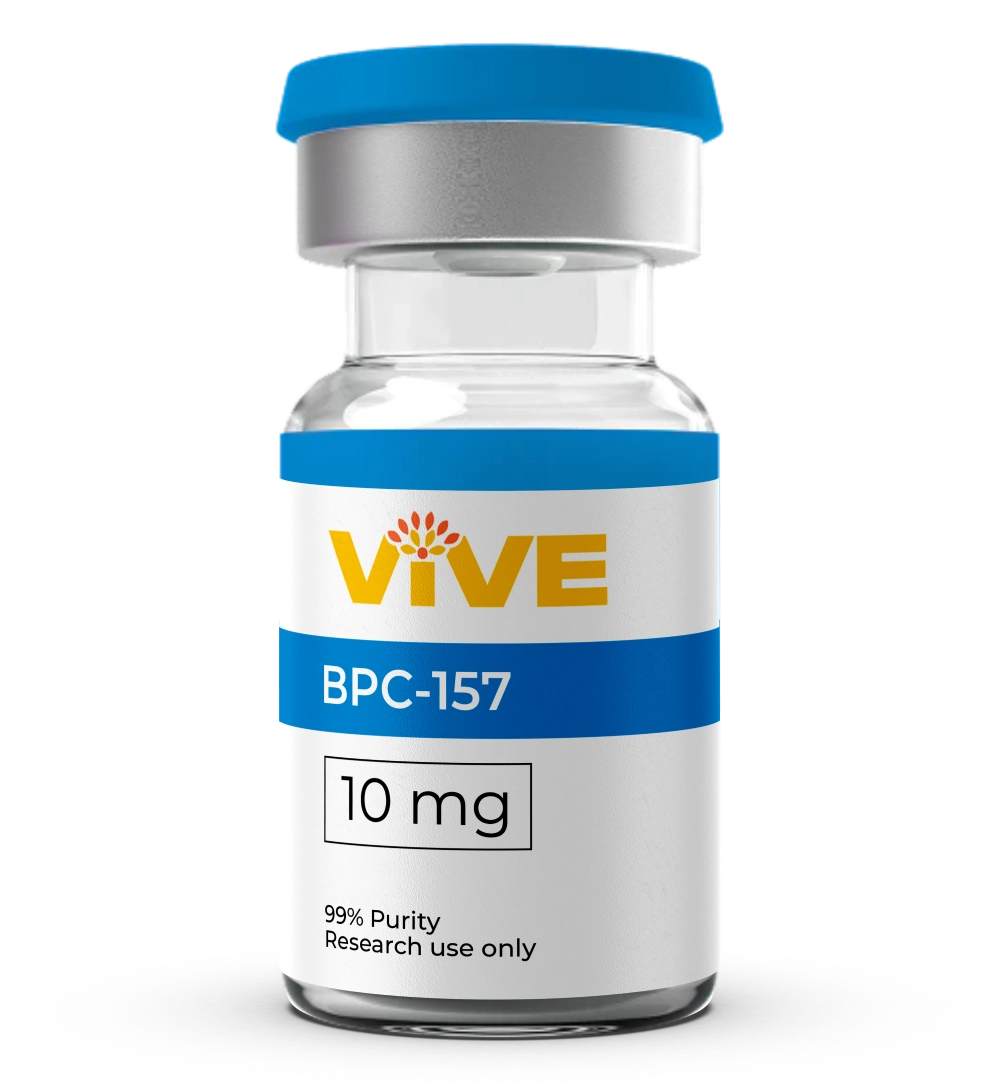
The most direct approach follows the same list this article opened with: ask, before adding anything to cart, for the 7 documents a serious peptide vendor can produce on request, in a single message rather than five separate follow-ups. Name the specific product and, if a lot number is visible, include it. A vendor that fields this question daily usually has the documents ready as PDFs and sends them within a day or two. Before choosing a specific compound, a listing that pairs its BPC-157 product overview with a lot-specific COA number, not a generic PDF reused across every batch, is the standard buyers should expect from any single-peptide listing on a research catalog.
What It Means When a Vendor Refuses to Provide a Certificate of Analysis
A refusal, a generic answer that never arrives, or a document that won't name a batch number are all the same signal: the vendor either lacks current testing on file or doesn't want to share it. Neither reason supports a purchase. Reputable suppliers treat a documentation request as routine, not an intrusion, because it's exactly what regulators, researchers, and careful buyers are supposed to make before relying on a compound's stated identity and purity.
Do All Peptide Vendors Offer the Same Set of Documents on Request?
No, and that gap is the easiest way to separate vendors. Some suppliers publish COAs directly on each product page, maintain a library of independent lab reports, and answer document requests within hours. Others provide a COA only after purchase, cannot produce an SDS at all, or have no verifiable business registration behind the storefront. The set of documents a vendor keeps on hand tends to track directly with how seriously that vendor treats manufacturing and quality control overall.
Frequently Asked Questions
What is a Certificate of Analysis for peptides? A Certificate of Analysis for peptides is a lab document tied to one manufacturing batch, listing the compound's identity, purity by mass spectrometry, sequence confirmation, appearance, and a batch number that should match the vial label. It confirms what a specific lot contained at testing, not what every future batch of the same product will contain.
How do I request a COA from a peptide vendor before I buy? Message the vendor with the exact product name and, if visible, the batch or lot number, and ask for the Certificate of Analysis, any independent lab report, and the Safety Data Sheet in one reply. A vendor with organized documentation for its research peptides can usually produce all three within a day or two, since the files already exist.
What does independent lab testing confirm that a vendor's own COA doesn't? A vendor's own COA shows the manufacturer's internal testing, useful but self-reported. Independent, third-party lab testing repeats the identity and purity work at a lab with no stake in the outcome, which is what gives the result credibility to a buyer who cannot inspect the manufacturing facility directly.
Is a Safety Data Sheet required for research peptides? An SDS covers the chemical handling, storage, and hazard profile of the raw compound, separate from the COA. A vendor selling compounds for research use, not general consumption, should be able to produce an SDS for any catalog item on request, and its absence is worth asking about before ordering.
What should I do if a peptide vendor won't share a Certificate of Analysis? Treat it as a disqualifying answer. A vendor that cannot produce a current, batch-matched COA either lacks testing on file or is unwilling to share it, and neither supports a purchase. Reputable suppliers treat this documentation request as routine, so a refusal is reason enough to look at a different catalog listing instead.
Check the Documentation Before You Check Out
Before adding a vial to your cart, request the 7 documents a serious peptide vendor can produce on request and confirm the batch number matches the label. Shop research peptides with COA and batch documentation available on every listing.
Research Use Only
All information in this article is intended for educational and research purposes only. VivePeptides products are not intended for human or veterinary use.