Research Article
Amazon vs a Dedicated Research Peptide Vendor
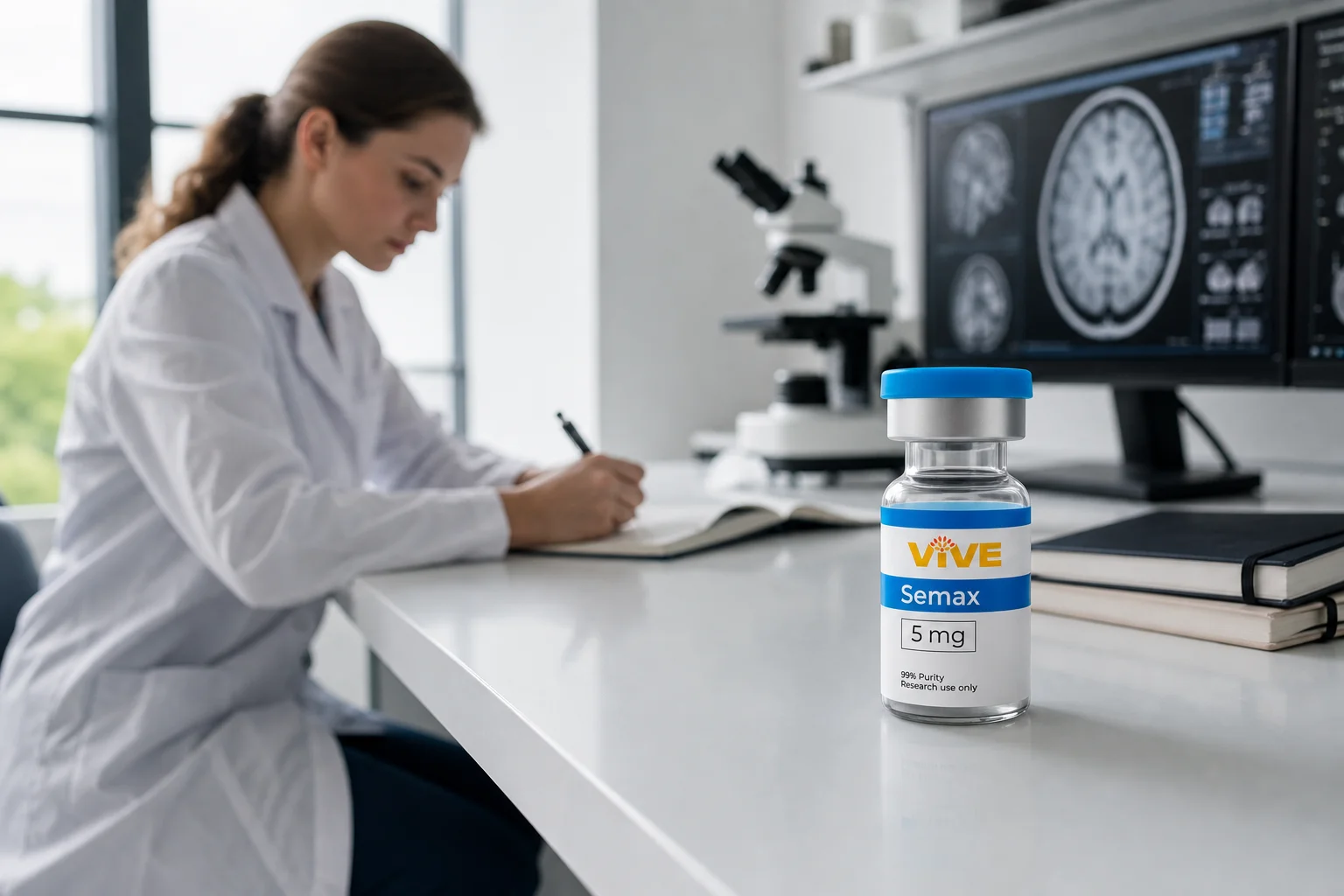
Amazon technically hosts some peptide-adjacent listings, but a search for research peptides today mostly turns up pulled listings and unverified sellers with no certificate of analysis. Amazon vs a dedicated research peptide vendor comes down to one question: can you verify what is in the vial? A research-grade peptide catalog answers that.
By Vive Team
Can You Actually Buy Research Peptides on Amazon?
Amazon's marketplace policy restricts the sale of unapproved research chemicals intended for human use, and enforcement has tightened in recent years. A shopper searching for a specific research peptide by name will sometimes find a listing, but it is often gone within days, replaced by a near-identical listing from a different seller, or padded with vague wording like "for laboratory use" and nothing else. Amazon's marketplace was built for consumer retail, not the documentation researchers rely on. That mismatch, more than any single bad seller, is the real starting point when comparing Amazon vs a dedicated research peptide vendor.
Availability on Amazon also shifts week to week because individual sellers, not Amazon itself, list the products. One account gets suspended and its listings vanish; another opens under a new storefront name selling what looks like the same compounds. Researchers who rely on a consistent supply find that instability alone makes Amazon a poor primary source.
Why Do Research Peptide Listings Keep Getting Removed From Amazon?
Amazon's terms of service prohibit products marketed for human consumption or injection without proper regulatory clearance, and most research peptides fall outside any approved consumer use. When Amazon's compliance systems or a manual report flag a listing, it is typically removed without notice to buyers who already purchased from it, meaning no restock, no batch continuity, and no way to contact the seller about what they received. Sellers respond by relisting under new titles, swapping images, or moving storefronts, which is why the same compound can appear and disappear under several listing names within a single month.
This churn is also why product reviews and star ratings on Amazon are close to useless for peptides. A five star rating tied to a listing that no longer exists tells a researcher nothing about the vendor currently selling under that name.
How Do You Know If a Peptide Vial Actually Contains What the Label Claims?
The only reliable way to confirm what is inside a vial is third-party laboratory testing, documented in a certificate of analysis that names the testing lab, the method used, and the purity result for that specific batch. A label alone, whether printed by Amazon's fulfillment centers or shipped by a third-party seller, is a claim, not proof. Reputable vendors publish batch-specific COAs and make them easy to find before purchase.
Are Research Peptides From Amazon Third-Party Tested?
Rarely, and almost never in a verifiable way. Because Amazon sellers change frequently and operate with minimal oversight of what they list, batch-specific testing is uncommon, and when a seller does claim testing, there is usually no way to confirm the lab, the method, or that the COA matches the vial received. Vendors and researchers who need documented purity data typically look outside general marketplaces for that reason.
Amazon vs a Dedicated Research Peptide Vendor: What the Specialist Provides
A dedicated research peptide vendor is built around one job: getting a documented, correctly stored compound into a researcher's hands with a paper trail behind it. That typically includes batch-specific COAs published per product, consistent cold-chain shipping, and support staff who understand reconstitution and storage questions. Because a specialist catalog spans peptides, SARMs, and nootropics under one roof, researchers can source everything from one vetted account instead of piecing together multiple unverified Amazon sellers.
Reconstitution supplies matter too. Vendors who understand the research use case pair peptide products with bacteriostatic water for peptide reconstitution that is sterile, correctly labeled, and sold to the same documentation standard as the peptides themselves, something general marketplace listings for "bac water" frequently lack. Pharmaceutical grade bacteriostatic water for injection is manufactured under sterile conditions, a different product than a generic bottled water listing. Shipping speed, cold packaging for temperature-sensitive compounds, and a straightforward reorder history round out what separates a specialist from a general storefront.

What Are the Risks of Buying Research Peptides From a Marketplace Seller?
The primary risk is simple: no way to confirm identity, purity, or storage history before the product arrives. A vial that is mislabeled, underdosed, contaminated, or degraded from improper shipping temperature looks identical to a correctly made one until tested, and most buyers never test what they receive. Beyond product risk, purchases from a seller account that disappears leave no path to reorder the same batch, no support contact, and no COA to reference if a result looks inconsistent.
Is It Legal to Buy Research Peptides on Amazon?
Legality depends on the specific compound and how it is marketed. Many research peptides sold as "not for human consumption" occupy a regulatory gray area in the United States, legal to sell and purchase for laboratory research while restricted from marketing or sale for human use. Amazon's marketplace rules are stricter than the baseline legal standard in many cases, a separate reason listings get pulled even when the compound itself is not federally restricted. Researchers should confirm their institution's or state's requirements rather than relying on a listing's presence as proof of legality.
Is It Worth Paying More for Peptides From a Specialized Vendor Instead of Amazon?
For most research use cases, yes. The price difference between a marketplace listing and a dedicated vendor usually reflects real costs the marketplace seller is skipping: third-party testing, cold-chain shipping, and consistent sourcing. A lower price with no COA is not a discount, it is missing information, and the true cost of a contaminated or misdosed batch generally exceeds what a specialist vendor charges for a verified one. Framed as Amazon vs a dedicated research peptide vendor, the comparison is less about price per vial and more about price per verified data point.
How Can You Verify a Research Peptide Vendor Is Legitimate?
Start with what the vendor publishes before you buy, not what they promise after you ask. A legitimate vendor lists batch-specific COAs for its products, provides a real physical business address and responsive support contact, ships with appropriate temperature control for peptide stability, and has a purchase and reorder history that predates the listing you are looking at. Vague sourcing language, stock photography instead of real product imagery, and no visible testing data are consistent warning signs across both marketplace sellers and standalone websites.
What Is a Certificate of Analysis (COA) and Why Does It Matter When Buying Peptides?
A certificate of analysis is a lab document confirming a specific product batch's identity and purity, typically generated through high-performance liquid chromatography (HPLC) or mass spectrometry testing performed by an independent lab, not the vendor itself. It matters because it is the best evidence connecting the vial in a researcher's hand to a verified purity percentage rather than a printed claim. When comparing vendors, check that the COA is batch-specific rather than a generic document reused across every listing.
Frequently Asked Questions
Is it safe to buy bacteriostatic water on Amazon for peptide reconstitution?
Safety depends entirely on sterility and correct labeling, neither of which a buyer can confirm from an Amazon listing alone. Bacteriostatic water sold without a documented sterile manufacturing process or clear expiration and lot information carries contamination risk during reconstitution. A dedicated vendor selling bac water alongside its peptide catalog typically applies the same documentation standard to both.
How long does shipping take from a dedicated research peptide vendor compared to Amazon?
Amazon Prime listings often promise faster delivery, but a dedicated vendor's shipping is built around product stability rather than speed, which usually means insulated or cold packaging for temperature-sensitive compounds. Most specialist vendors ship within one to three business days domestically, a small tradeoff against Amazon's next-day options in exchange for storage-appropriate handling.
Amazon vs a dedicated research peptide vendor, which one actually provides a COA?
Dedicated vendors publish batch-specific certificates of analysis as standard practice because their business depends on researchers trusting the data behind each product. Amazon marketplace sellers rarely provide verifiable batch-specific COAs, and when documentation is claimed, there is usually no reliable way to confirm it matches the vial actually shipped.
Can you trust the purity of peptides, SARMs, and nootropics sold on general marketplaces?
Not without independent verification. General marketplaces do not require sellers to publish third-party testing before listing a product, so purity claims there are unverified by default. Vendors specializing in these compound categories typically test each batch and publish results specifically because general marketplaces do not.
What should a research peptide vendor's website show before you order?
Look for batch-specific COAs linked directly on product pages, clear reconstitution and storage information, a real business address, and product photography showing the vendor's actual packaging rather than stock imagery. If none of that is visible before checkout, treat the listing like an unverified marketplace seller.
Choose a Peptide Vendor Built for Documentation
Every comparison of Amazon vs a dedicated research peptide vendor comes back to the same gap: documentation you can check before you buy, not after. Shop research peptides with batch-specific COAs published on every product page.
Research Use Only
All information in this article is intended for educational and research purposes only. VivePeptides products are not intended for human or veterinary use.