Research Article
Qualifying a Peptide Supplier for a Purchase Order

Qualifying a peptide supplier for a purchase order means confirming identity, purity, sourcing, and documentation before money changes hands, not after a shipment arrives. Buyers who skip this step accept whatever a vendor sends. This guide walks through nine checks, drawn from how serious researchers vet a research-grade peptide catalog before committing to a first order.
By Vive Team
What Should You Check Before Qualifying a Peptide Supplier for a Purchase Order?
Peptide supplier qualification is not a single yes or no check, it is a short sequence of confirmations that together tell a buyer whether a vendor's materials will match what the invoice says. Before a purchase order goes out, review these nine items:
- Identity confirmation. Does the certificate of analysis (COA) match the labeled peptide, including molecular mass confirmed by mass spectrometry?
- Purity data. Is purity reported from HPLC (high performance liquid chromatography), and does that number reflect the specific batch being shipped, not a generic average?
- Batch specific COA. Is the COA tied to a lot number that also appears on the vial label, or is it a template document reused across batches?
- Third party testing. Will the supplier provide, or allow, an independent analytical lab to confirm the in house results?
- Facility standards. Can the vendor describe sourcing and manufacturing practices, even informally, rather than deflecting the question?
- RUO compliance statement. Does the supplier state, in writing, that the material is sold for research use only?
- Documentation packet. Does a typical order include a COA, safety data sheet, and invoice referencing the batch, not just a packing slip?
- Pricing sanity check. Does the quoted price cover the cost of raw materials, synthesis, and testing, or does it read as unrealistically low?
- Customer support. Does the vendor answer sourcing and testing questions clearly before the sale, or only after a problem shows up?
Buyers who work through this list before the first purchase order avoid the more expensive lesson of finding out after a shipment arrives. Research peptide buyers ordering in bulk have the most to lose from skipping any single item on it.
How Do You Verify a Peptide Supplier's Certificate of Analysis (COA)?
A COA is only useful if it is specific to the material shipped, not to the peptide in general. Confirm three things before trusting one: first, that the lot or batch number printed on the COA matches the number on the vial label, since a mismatch usually means the document was recycled from a different production run. Second, that identity testing, typically mass spectrometry, confirms the molecular mass expected for that peptide, so the compound the buyer receives does match the compound named on the invoice. Third, that purity is reported as a specific percentage from HPLC analysis run against that batch, rather than a marketing range like "over 98 percent pure" with no supporting chromatogram referenced.
A supplier who cannot produce a batch matched COA on request, or who stalls when asked, has already failed the first qualification check. Keep a written record of what each vendor provided so a future purchase order can be compared against the last one.
What Third Party Testing Should a Peptide Supplier Provide?
An in house COA tells a buyer what the supplier's own lab found. Independent third party testing tells a buyer whether that finding holds up outside the vendor's control. A qualified supplier should be able to point to an outside analytical lab used periodically to confirm identity and purity, or should not object if a buyer sends a sample out for independent testing before a larger purchase order.
Third party records matter most for repeat or bulk buyers, since a single verified batch does not guarantee every future shipment from the same vendor will test the same. Ask whether third party testing happens on a schedule (every batch, every quarter, or only on request) and keep those records alongside the supplier's own COAs.

How Do You Confirm a Peptide Supplier Is GMP Compliant or Facility Certified?
Good Manufacturing Practice (GMP) is a set of quality control standards originally built for pharmaceutical production, and while most research peptide suppliers are not pharmaceutical manufacturers, the underlying requirements still apply. Ask a prospective vendor to describe, in specific terms, how raw materials are sourced and tested, what controls exist over storage and handling, and whether any facility involved in synthesis or packaging carries outside certification.
A vague answer, or a refusal to discuss sourcing at all, is itself useful information. A supplier confident in its own process usually answers these questions directly, because the answer supports the sale rather than threatens it.
What Red Flags Indicate an Unreliable Peptide Supplier?
Several patterns show up repeatedly among suppliers that turn out to be unreliable:
- A COA with no batch number, no test date, or numbers that look identical across every product on the site.
- Refusal to provide, or even discuss, third party testing.
- Pricing dramatically below every other vendor selling the same peptide at similar quantities, with no explanation for the gap.
- No research use only (RUO) statement anywhere on the invoice, packaging, or website.
- Inconsistent vial labeling between what the website shows and what actually arrives.
- Customer support that goes quiet once a question touches sourcing, testing, or documentation.
None of these alone is automatically disqualifying, but two or more together are reason enough to hold the purchase order and qualify a different vendor first.
What Documentation Should a Peptide Supplier Include With a Purchase Order?
A complete order from a qualified supplier typically arrives with four documents: a batch specific COA, a safety data sheet (SDS) covering handling and storage, an invoice that references the batch or lot number, and a written RUO compliance statement. Some vendors also provide a packaging and vial specification sheet describing fill volume and storage conditions, which helps buyers meet their own documentation requirements when standardizing reconstitution protocols across more than one order.
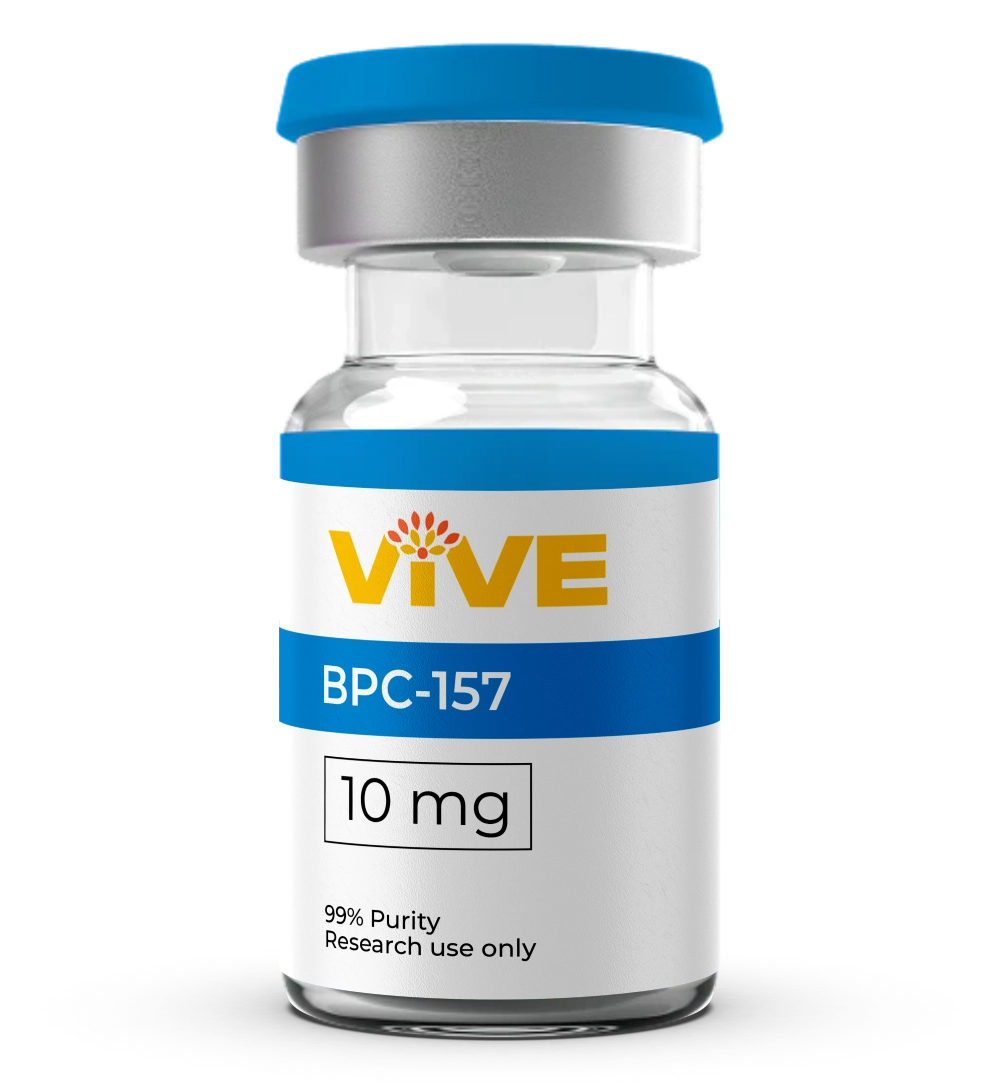
Buyers weighing a new vendor against a known one can compare documentation side by side, for example checking whether a listing like a BPC-157 product overview states the same specification detail a new supplier's paperwork claims to match. Missing documentation is not always disqualifying on its own, but it does shift the burden onto the buyer to confirm identity and purity independently before the material goes into any research protocol.
How Do You Evaluate a Peptide Supplier's Pricing and Payment Terms Before Ordering?
Price is a qualification signal, not just a budget line. A quote well below the market average for a given peptide and quantity usually means one of three things: the material is diluted, the testing described on the COA never happened, or the vendor is operating without the overhead a legitimate analytical process requires. None of those are acceptable trade offs for a lower unit cost.
Payment terms matter almost as much as price. A supplier willing to work with standard purchase order terms, invoicing, and traceable payment methods is generally easier to hold accountable than one that only accepts untraceable payment before shipping. For larger or recurring orders, ask whether net payment terms are available and whether pricing is documented in writing before the purchase order is finalized, not negotiated verbally after.
Frequently Asked Questions
How many peptide suppliers should you qualify before placing a purchase order? Most buyers qualify two to three suppliers in parallel before committing to a first purchase order, comparing COA quality, third party testing availability, and documentation side by side. Having a second qualified vendor on file also protects against a single supplier's stock or fulfillment delays interrupting an ongoing research timeline.
What is the difference between a COA and independent third party lab testing? A COA is generated by the supplier's own lab and reflects that lab's equipment and standards. Independent third party testing is performed by a separate analytical lab with no financial relationship to the vendor, which confirms the COA's identity and purity claims rather than simply repeating them.
Can you place a purchase order with a peptide supplier that has no COA? It is possible, but it removes the primary tool a buyer has for confirming identity and purity before the material arrives. Buyers who proceed without a COA should plan on independent testing of the received batch, since there is no supplier documentation to check it against.
How long does it take to qualify a new peptide supplier? Qualification usually takes one to three weeks in practice, covering document review, any third party testing arranged on a sample order, and a small first purchase order before scaling up. Rushing this timeline to meet an order deadline is one of the more common ways buyers skip checks they later wish they had made.
What is a research use only (RUO) compliance statement and why does it matter on a purchase order? An RUO statement is written confirmation from the supplier that a peptide is sold strictly for laboratory and research applications, not for human or animal consumption. Its presence on a purchase order and invoice is a baseline compliance marker, and its absence is one of the clearer red flags on the list above.
Apply This Checklist Before Your Next Purchase Order
The process of qualifying a peptide supplier for a purchase order is the same nine item sequence whether it is a first order or a fiftieth, and it gets faster each time a buyer keeps records of what a vendor provided. Shop research peptides and run the same checklist against every new listing before it becomes a purchase order.
Research Use Only
All information in this article is intended for educational and research purposes only. VivePeptides products are not intended for human or veterinary use.