Research Article
Semax Research Protocol: Concentration Variables
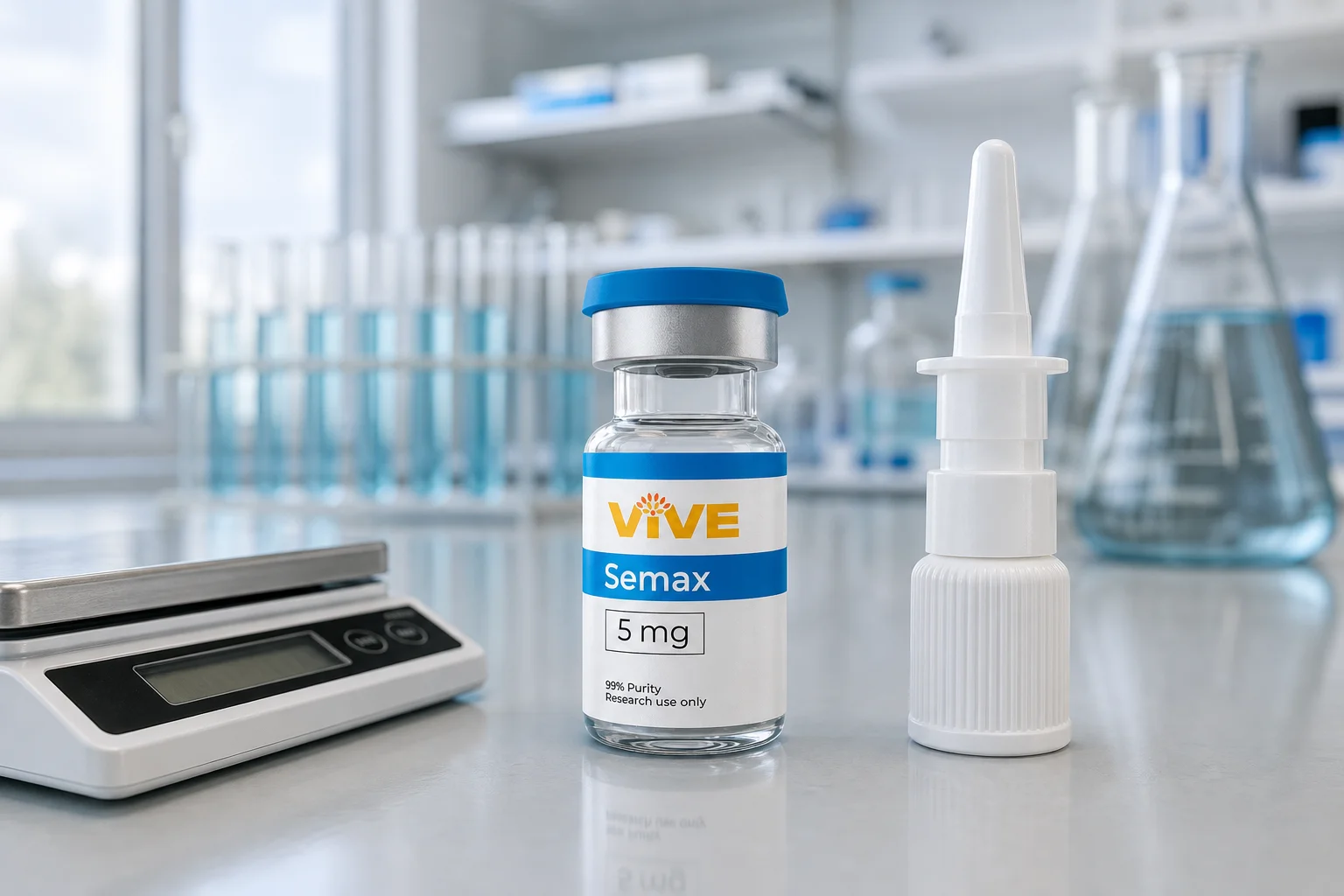
Semax research protocol design hinges on concentration accuracy: mismatched mcg per spray dosing is the most common source of inconsistent results in cognitive and neuroprotection studies. This overview breaks down reconstitution ratios, intranasal delivery, and dosing variables researchers cite when working with the Semax nootropic peptide.
By Vive Team
What Is Semax and Its Synthetic ACTH Origins
Semax is a synthetic peptide derived from a fragment of adrenocorticotropic hormone, specifically the ACTH(4-10) sequence with an added tripeptide tail for extended stability. Because Semax synthetic structure lacks the hormonal activity tied to the adrenal axis, researchers classify the semax peptide as a nootropic and neuroprotective compound rather than an endocrine agent. Semax synthetic origin and purity documentation should be confirmed before any semax research protocol begins, since a poorly characterized batch introduces a confound before concentration variables are even considered.
Third party certificate of analysis review is a practical first step for any lab standing up a new protocol. Molecular weight, purity percentage, and residual solvent data all shape how a researcher interprets downstream concentration calculations, and skipping this step means every subsequent dosing figure rests on an unverified assumption. Labs that log batch numbers alongside their results build a much stronger record for comparing outcomes across separate orders of the semax peptide over time.
Concentration and Dosing Variables in Semax Research Protocols
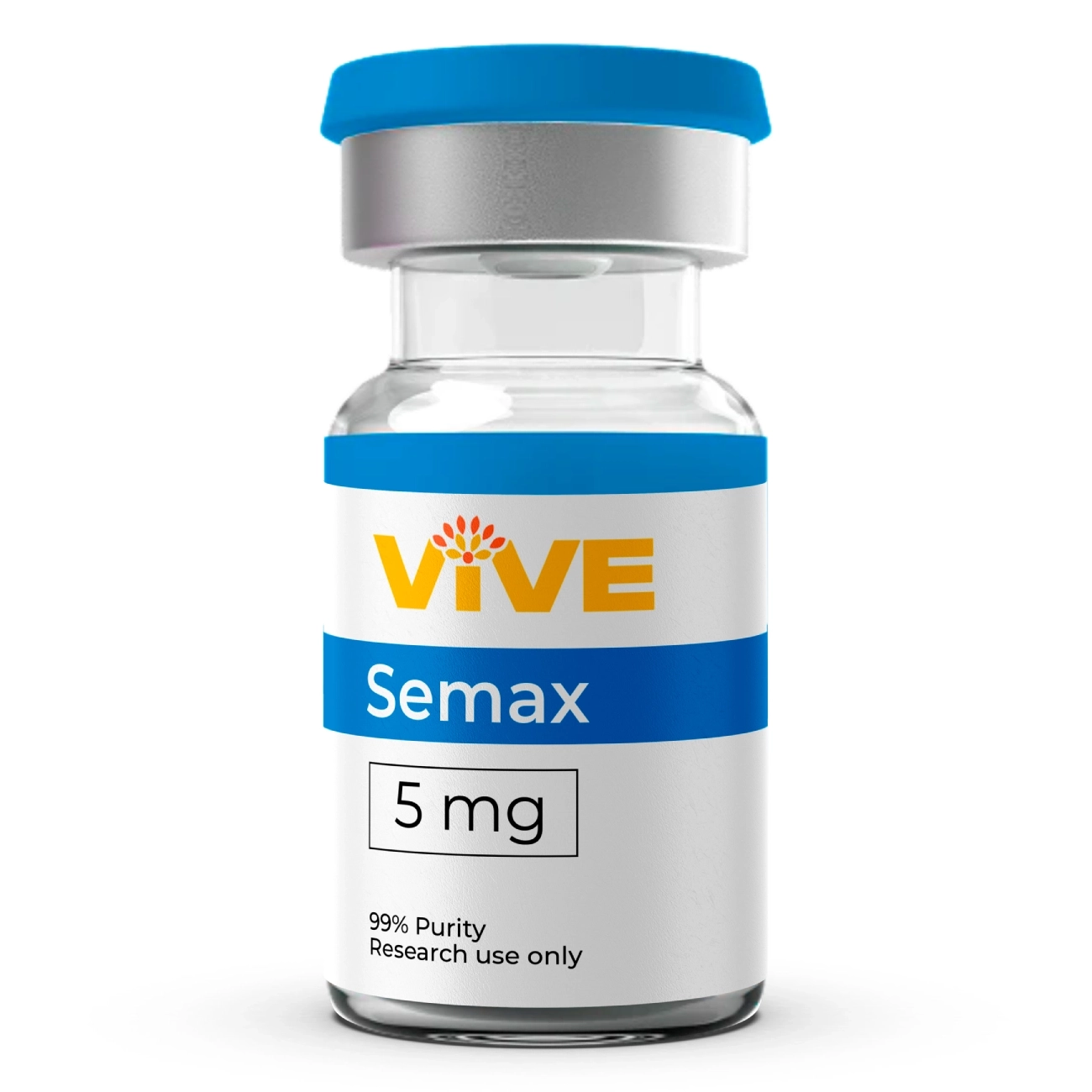
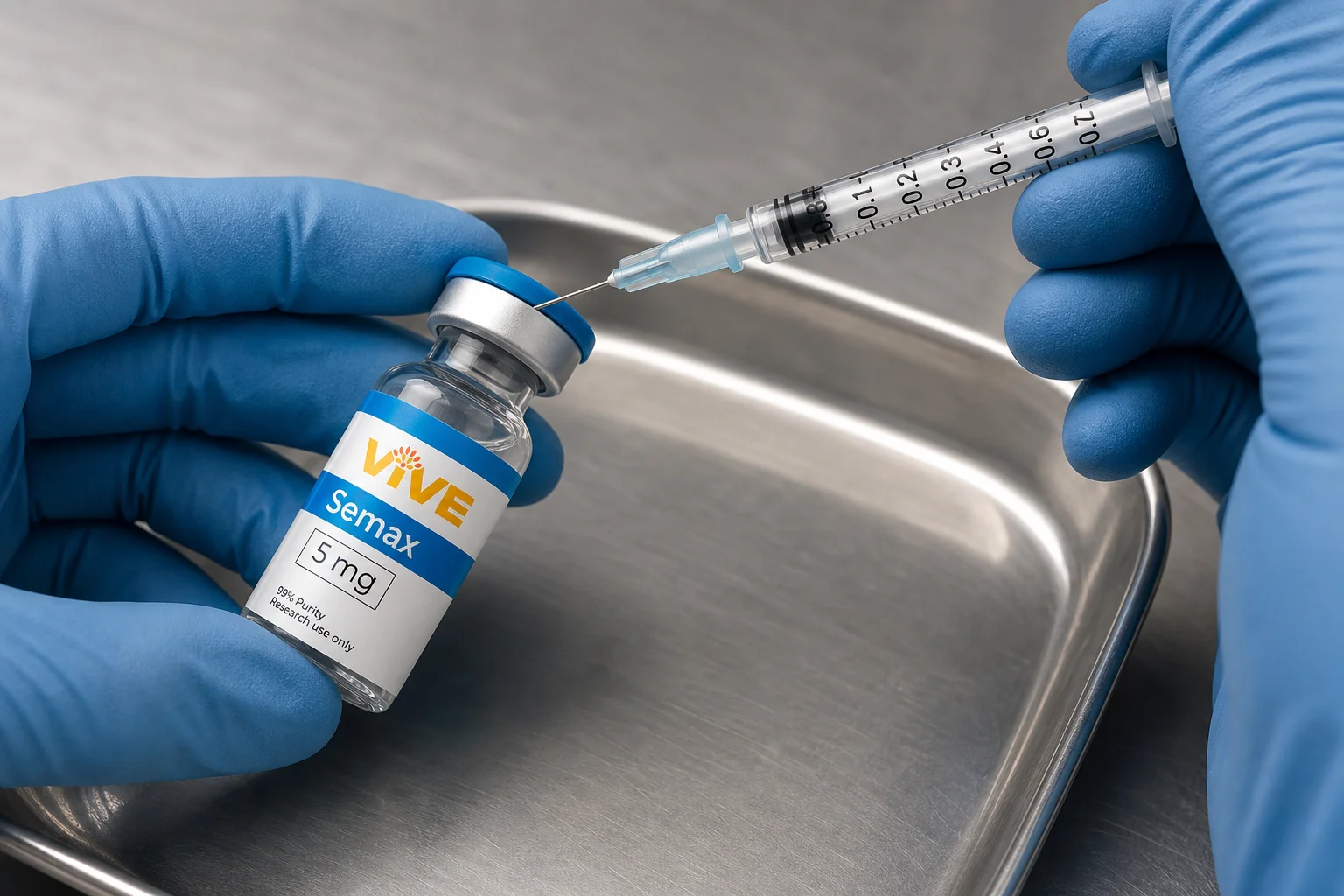
Most published semax research protocols report doses in the 300 to 900 mcg per day range, split across two or three intranasal administrations. A typical Semax vial ships from Vive as a 10 mg vial or 5 mg vial in lyophilized powder form, and researchers back-calculate a target mg ml concentration once the vial is reconstituted. Semax concentration accuracy is the single biggest determinant of reproducible results across research protocols, since small errors in the reconstitution step compound across weeks of daily administration. Semax dosing decisions ultimately hinge on that mg ml figure: researchers logging protocols across 20 to 30 days commonly note that mcg level dosing consistency, not the total dose administered, correlates most closely with reported outcomes in the literature they review.
Titration is another variable worth documenting. Some protocols start at the low end of the range for the first several days to observe tolerance before increasing to a target dose, while others hold a fixed dose for the full observation window. Neither approach is inherently superior, but switching strategies mid protocol without recording the change makes it difficult to attribute any shift in outcomes to the compound itself rather than the dosing schedule. A simple spreadsheet tracking date, spray count, and estimated mcg delivered removes most of this ambiguity.
Reconstitution: Bacteriostatic Water and Intranasal Delivery
Reconstitution protocols for the semax peptide call for bacteriostatic water rather than plain sterile water, since the added benzyl alcohol preservative slows bacterial growth across repeated draws from the same vial. Vive's bacteriostatic water for peptide reconstitution is formulated for this exact use case, and mixing ratios typically target a concentration researchers can deliver in small volume nasal spray doses. The intranasal route is the standard administration path in the semax research literature, using a metered nasal spray pump calibrated to a fixed microliter volume per spray. Choosing bacteriostatic water over plain water also extends usable shelf life once the vial is reconstituted, an important variable in any multi week protocol.
Storage conditions after reconstitution matter just as much as the mixing ratio itself. A reconstituted vial should be refrigerated between uses, and most protocols call for discarding any unused solution after the documented shelf life window has passed, even if the vial appears visually unchanged. Researchers who skip refrigeration or reuse a vial past its dated window introduce a variable that is difficult to separate from the compound's actual research profile once results are compiled.
Cognitive and Neuroprotective Findings in Preclinical Models
Preclinical work on Semax has focused heavily on brain derived neurotrophic factor (BDNF) signaling, a neurotrophic factor associated with synaptic plasticity and neuronal survival. Studies using a rat brain model have reported elevated BDNF expression following Semax administration, alongside changes in the expression genes tied to neuroplasticity pathways. Other rodent studies modeling cognitive impairment found that animals treated with Semax performed better on maze based learning tasks compared to controls, though translating rat brain findings to human cognition remains an open question the field has not resolved.
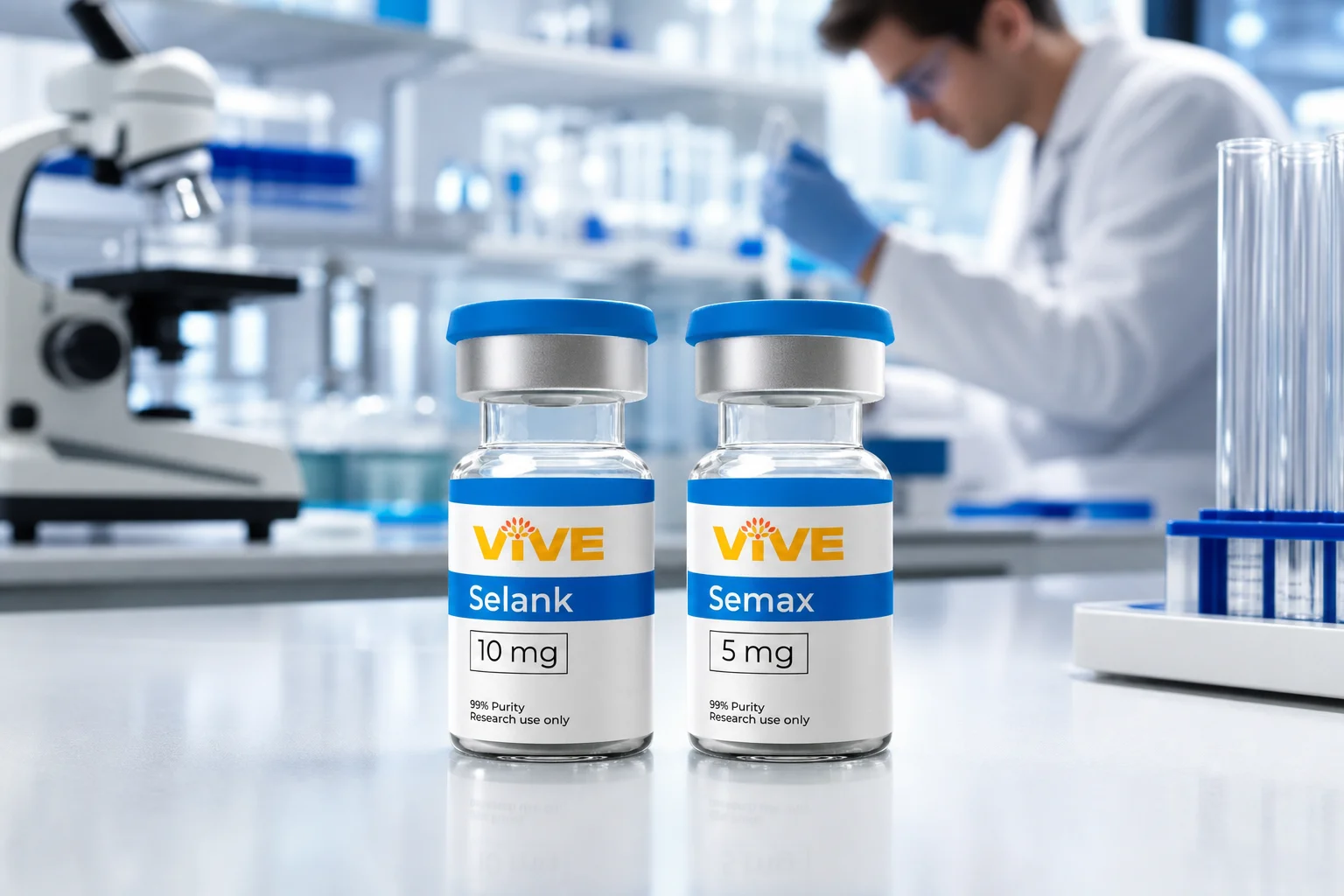
Mechanistically, researchers have proposed that Semax influences neurotrophic signaling cascades broader than BDNF alone, including pathways tied to attention and short term memory consolidation observed in rodent models. Because these findings come primarily from animal research rather than large scale human trials, any semax research protocol built around cognitive outcomes should treat the preclinical literature as a hypothesis generating foundation rather than a guarantee of effect. Researchers comparing Semax to other nootropic peptide candidates often reference Selank as a parallel case study, since both peptides share overlapping mechanisms tied to anxiolytic and cognitive research outcomes. For a side by side breakdown, our guide to selank vs semax walks through the comparative preclinical data in more depth.
Safety Profile and Reported Side Effects
Reported side effects in the semax literature are generally mild, including transient nasal irritation, headache, or anxiety at higher doses, though systematic long term safety data in humans remains limited. Semax not being an FDA approved drug in the United States means it is sold strictly for laboratory research use, not for human consumption, and no clinical protocol should be interpreted as a treatment recommendation. Anyone designing a semax research protocol should treat safety monitoring, accurate concentration logging, and sourcing from a verified supplier as non negotiable steps, since impurities and dosing errors are the most commonly reported causes of adverse research outcomes.
Batch to batch variability is worth flagging separately from acute side effects. Two vials purchased months apart, even from the same supplier, can differ slightly in purity, which is why researchers who log certificate of analysis data alongside their observed outcomes end up with a far more defensible dataset. Treating documentation as part of the safety protocol, not a separate administrative task, is one of the more consistent habits among labs producing reproducible semax research over time.
Frequently Asked Questions
What is a typical Semax research protocol dosing range? Published protocols commonly report 300 to 900 mcg per day, divided into two or three intranasal doses. Researchers typically run these dosing schedules across 20 to 30 day windows before reassessing outcomes. Because Semax vials vary in total mg content, the daily mcg target should be confirmed against the specific vial concentration before starting, and logged alongside spray count for later review.
Why use bacteriostatic water instead of plain water for reconstitution? Bacteriostatic water contains a small percentage of benzyl alcohol, which slows microbial growth across the repeated draws a multi week protocol requires. Plain sterile water lacks this preservative, so a vial reconstituted with it should be used quickly rather than stored. Bacteriostatic water is the standard choice in peptide research settings for this reason, and it is what most published reconstitution guidance recommends.
What administration route do most semax research protocols use? The intranasal route, delivered through a metered nasal spray pump, is the standard path referenced in the semax research literature. Researchers calibrate the pump to a fixed microliter volume per spray so that each administration delivers a consistent mcg dose relative to the reconstituted mg ml concentration, which keeps daily totals easier to track across a multi week protocol.
What side effects have been reported in Semax research? Reported side effects are generally described as mild and include transient nasal irritation, headache, or anxiety at higher doses. Long term human safety data remains limited, which is a key reason Semax not being approved for clinical use is emphasized throughout the research literature. Documenting any observed reaction alongside dose and batch data strengthens the overall research record.
Is Semax legal to purchase in the United States? Semax is sold in the United States strictly for laboratory research purposes and is not approved by the FDA as a human drug. It should not be treated as a supplement or clinical treatment. Researchers purchasing Semax should confirm supplier documentation and purity testing before use, and should store records of each batch for future reference.
Explore the Full Line of Research Peptides at Vive
If you're finalizing a semax research protocol and need verified concentration data for other compounds, the research-grade peptide catalog at VivePeptides lists reconstitution and dosing references across the full product line.
Research Use Only
All information in this article is intended for educational and research purposes only. VivePeptides products are not intended for human or veterinary use.