Research Article
Selank vs Semax: Nootropic Peptide Comparison
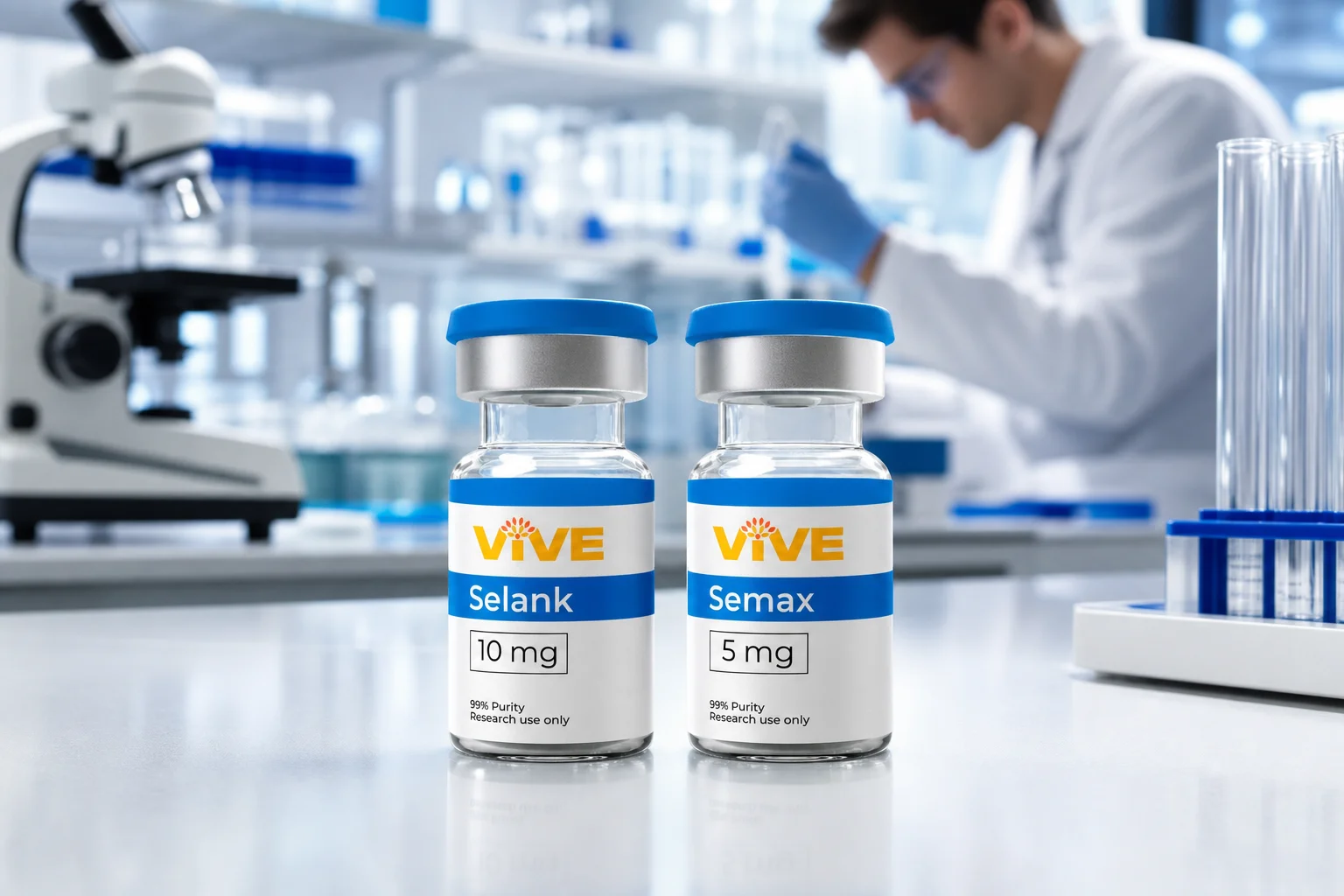
Selank and semax are synthetic neuropeptides with distinct but complementary research profiles. Researchers comparing these two compounds for cognitive function, stress regulation, and neuroprotection will find different mechanisms at work. This guide examines how selank semax differ in mechanism, dosage, administration, and side effects to support informed research design.
What Are Selank and Semax?
Selank is a selank synthetic heptapeptide (sequence: Thr-Lys-Pro-Arg-Pro-Gly-Pro) derived from tuftsin, an endogenous immunomodulatory tetrapeptide. The selank synthetic structure was developed at the Institute of Molecular Genetics of the Russian Academy of Sciences and has been studied in clinical settings in Russia for decades. Semax is a synthetic analogue of ACTH(4-7) extended with a Pro-Gly-Pro chain, designed to preserve the cognitive and neuroprotective properties of the ACTH fragment without the full hormonal effects of the parent molecule.
Both peptides are approved as nasal drugs in Russia and are available outside that country for research use only. Unlike many cognitive supplements that rely on neurotransmitter precursor loading, both the selank peptide and semax operate on receptor systems and enzymatic cascades, producing effects that are mechanistically distinct from standard nootropic supplements. Primary research literature for both compounds is indexed at ncbi.nlm.nih.gov, and researchers can locate the full citation record at ncbi nlm nih gov under relevant MeSH terms for each peptide.
Selank: Anxiolytic and Immune Modulator
The effects selank demonstrates most consistently are anxiolytic and immunomodulatory. Semenova et al. (2010, Bulletin of Experimental Biology and Medicine) documented that selank reduces anxiety-like behavior in animal models through GABAergic modulation, without the sedation or tolerance associated with benzodiazepine drugs. Selank also upregulates expression of IL-6 and interferon-related genes, confirming meaningful immune engagement alongside its neurological effects.
Semax: Neurotrophic Factor Activator
Semax is primarily studied for its induction of brain-derived neurotrophic factor (BDNF) and nerve growth factor (NGF). Dolotov et al. (2006, Doklady Biochemistry and Biophysics) demonstrated that semax significantly elevated BDNF levels in the hippocampus and frontal cortex of rat subjects. This mechanism supports research into cognitive performance, memory consolidation, and neuroprotection in both healthy and neurologically compromised subjects.
Mechanisms: How Selank Semax Differ at the Molecular Level
Selank operates primarily through the enkephalinase system. It inhibits enzymes that degrade endogenous enkephalins, elevating levels of these opioid modulators. This produces downstream effects on GABA-A receptor sensitivity, serotonin transporter activity, and stress hormone regulation. The effects selank exerts on dopamine serotonin balance are secondary to this enkephalin-mediated pathway and appear to support mood stability rather than direct stimulation.
Semax, by contrast, binds to melanocortin receptors (particularly MC4R) and triggers downstream brain-derived neurotrophic factor synthesis. It also modulates the dopamine serotonin systems more directly, increasing dopaminergic and serotonergic activity in prefrontal circuits. This produces the heightened focus, motivation, and alertness that researchers commonly document in semax protocols.
The practical distinction for research design: selank acts primarily on anxiety, stress tone, and immune function through GABAergic and enkephalin pathways. Semax acts primarily on cognitive performance and brain health through neurotrophic factor induction and monoamine modulation.
Research on Cognitive Function and Brain Health
Semax selank both appear in peer-reviewed literature on cognitive function, but with distinct profiles and research applications.
Medvedev et al. (2018, Neurochemical Journal) found that semax administration improved working memory and attention in subjects recovering from ischemic stroke. The dose used was 12 mcg per kg body weight via intranasal administration. Researchers noted significant improvements in cognitive performance metrics at weeks two and three of the protocol, with effects that plateaued but did not reverse by week four.
For selank, Semenova et al. (2010) documented improved learning efficiency in selank-treated animals relative to controls, suggesting that the selank peptide supports cognitive function by reducing the neurological cost of chronic stress rather than directly enhancing neurotrophic signaling. This stress-buffering effect on brain health has practical relevance for research into performance under high-demand cognitive conditions.
For protocols targeting mental clarity under stress, selank is the more mechanistically aligned compound. For protocols focused on direct memory enhancement, neuroplasticity, or neuroprotection, semax presents the stronger mechanistic case.

Dosage and Administration
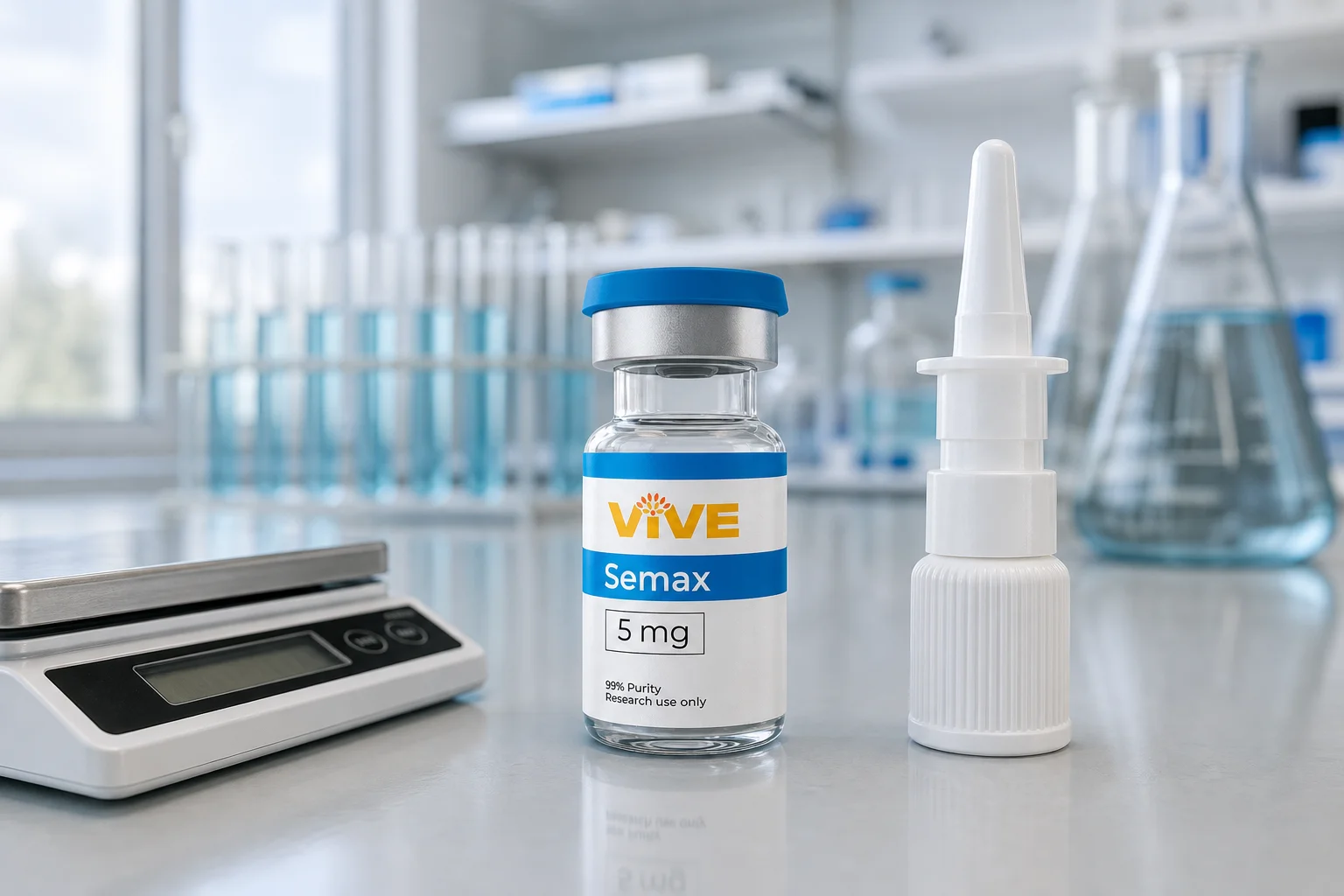
Both selank and semax are administered primarily via nasal spray in research contexts. Oral administration is ineffective because enzymatic degradation in the GI tract renders both compounds inactive before systemic absorption. Subcutaneous injection has been studied but intranasal delivery is the dominant route in published protocols and is standard in Russian clinical research.
Selank Dosage
Selank is commonly studied at 250 to 500 mcg per dose, administered one to three times daily. Research cycles typically run two to four weeks. The clinical anxiety studies by Semenova et al. used 200 mcg daily as a baseline dose. Some protocols extend to six weeks when the primary focus is immune modulation rather than anxiolytic effects. Dosage adjustments should account for subject baseline stress levels and the specific research endpoints being tracked.
Semax Dosage
Semax dosage in research ranges from 200 to 900 mcg per day, typically split across two nasal administrations. Neuroprotection studies have used higher ranges (600 to 1200 mcg per day) for shorter intervals of one to two weeks. Researchers note dose-dependent effects on focus, alertness, and cognitive processing speed. For reconstitution of either peptide, BAC Water is a standard ancillary in research preparation protocols.
Side Effects and Safety Profiles
Both selank and semax carry favorable safety profiles in existing research literature, with the caveat that large-scale human clinical trials outside Russia remain limited.
Selank Side Effects
Documented side effects of selank are minimal across published studies. Nasal irritation is the most commonly reported adverse effect, consistent with intranasal administration of any peptide compound. No hepatotoxicity, nephrotoxicity, or hormonal disruption has been reported at standard research doses. Critically, selank does not produce dependence or withdrawal, which distinguishes it from GABAergic drugs like benzodiazepines and makes it suitable for longer research cycles with repeated daily dosing.
Semax Side Effects
Semax side effects are similarly mild in published research. Mild stimulant-like effects (heightened alertness, mild appetite suppression) are documented at higher doses. Some subjects report transient headache during initial administration. Because semax activates dopaminergic pathways, researchers monitoring mood-related endpoints should note potential transient shifts in motivation and energy during the first week of a protocol. No serious adverse events have been linked to semax within documented dose ranges in peer-reviewed publications.
All human administration of research peptides requires IRB oversight and full informed consent. Neither selank nor semax is approved by the FDA for human therapeutic use in the United States.
Selank vs Semax: Research Application Summary
For researchers designing cognitive and neurological protocols, the choice between selank and semax depends on the primary research endpoint and the benefits each mechanistic pathway offers.
Selank is the stronger candidate for research on anxiety, stress resilience, mood stabilization, and immune function. Its safety profile, absence of dependency risk, and dual neurological and immune activity make it suitable for longer research cycles with repeated daily administration.
Semax is the stronger candidate for research on direct cognitive enhancement, brain health support, brain-derived neurotrophic factor expression, neuroprotection, and working memory. Its melanocortin receptor mechanism and BDNF induction pathway give it a more targeted action on cognitive performance.
Some protocols examine semax selank in combination, hypothesizing that their complementary mechanisms address both the stress-attenuation and the direct neurotrophic enhancement dimensions of neurological research simultaneously. The distinct mechanisms suggest low pharmacological redundancy, though combined protocols require careful dose calibration and thorough safety monitoring.
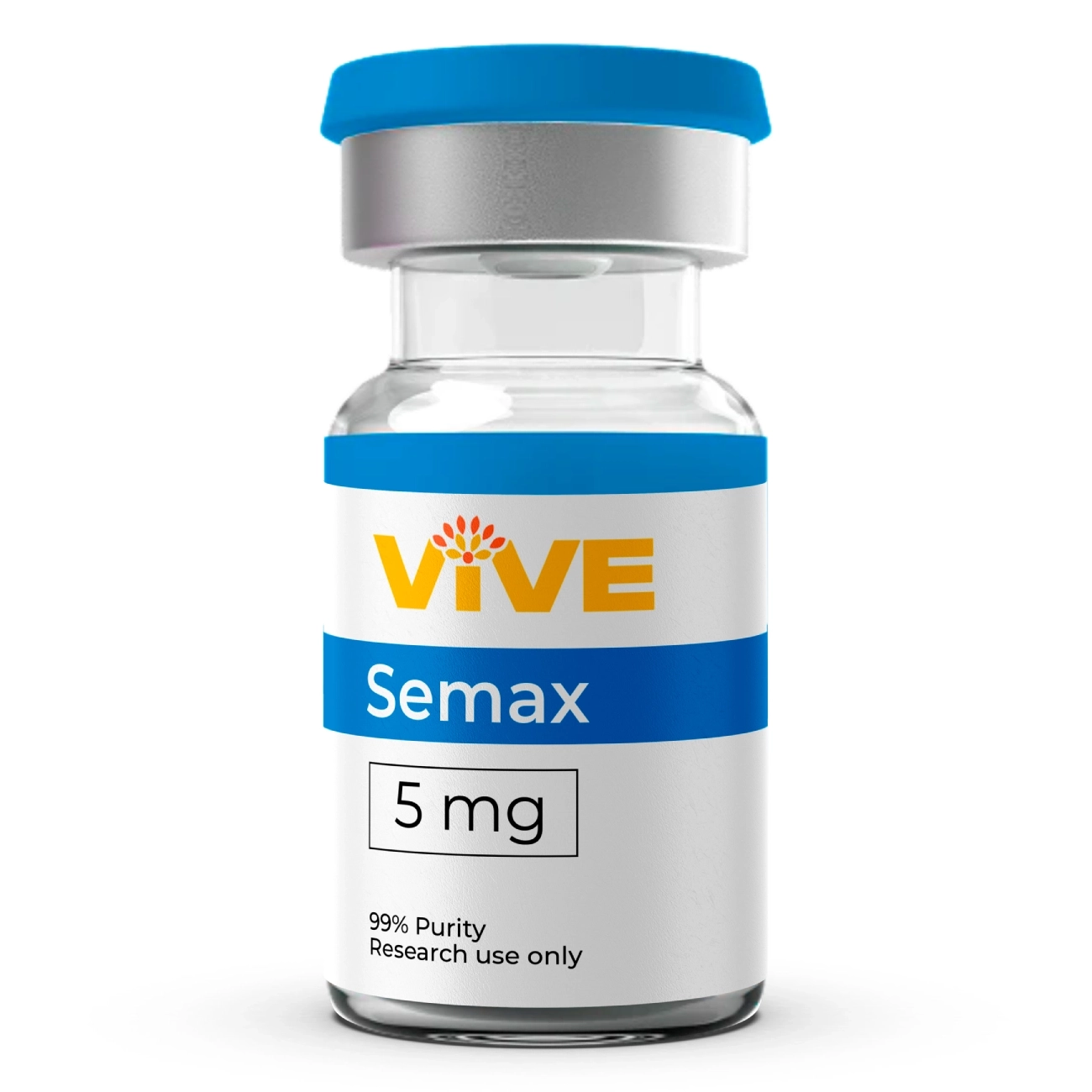
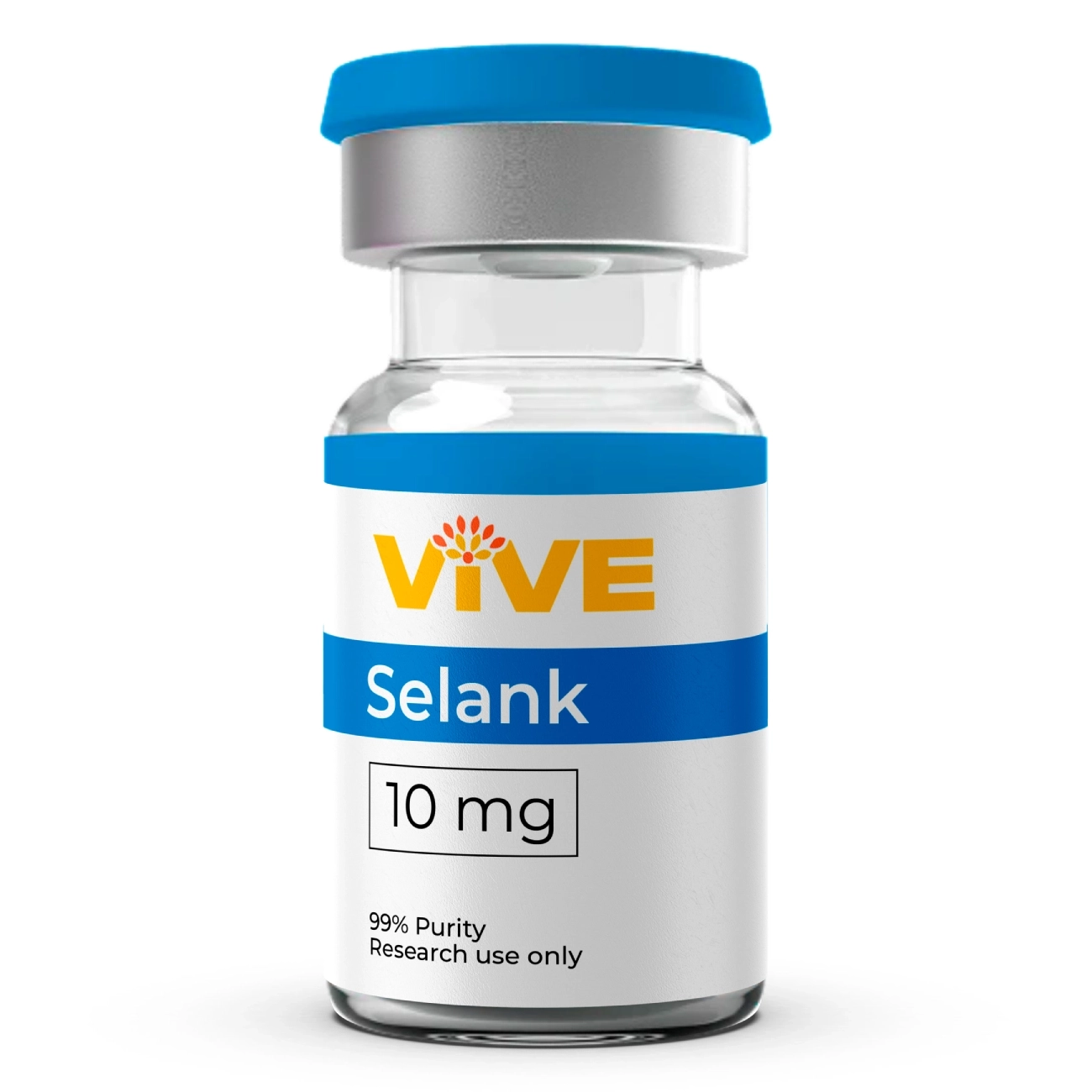
Researchers can explore Selank and Semax through VivePeptides for verified research use.
Frequently Asked Questions
What is the main difference between selank and semax for cognitive research?
Selank is primarily studied for anxiolytic and immune effects through GABAergic and enkephalinase pathways. Semax is studied for direct cognitive enhancement through brain-derived neurotrophic factor induction and melanocortin receptor activation. Selank reduces the neurological cost of stress; semax more directly supports memory encoding and cognitive performance. Researchers choose based on whether their protocol targets stress resilience or direct cognitive enhancement.
How does semax affect brain-derived neurotrophic factor?
Semax activates melanocortin receptors (particularly MC4R) and triggers downstream synthesis of brain-derived neurotrophic factor in hippocampal and frontal cortex tissue. Dolotov et al. (2006, Doklady Biochemistry and Biophysics) documented significant BDNF upregulation in rat subjects following semax administration, supporting its role in neuroprotection, synaptic plasticity, and cognitive performance research.
What side effects are documented for selank and semax?
Both peptides carry favorable safety profiles in published research. The most common side effects involve mild nasal irritation from intranasal administration. Semax may cause mild stimulant-like effects and transient headache at higher doses. Selank produces no documented dependence or withdrawal. Neither compound has been linked to serious adverse events within standard research dose ranges in the peer-reviewed literature.
Is nasal administration required for both peptides?
Yes. For both selank and semax, nasal administration is the standard route in research protocols. Both peptides are enzymatically degraded in the GI tract, making oral dosing ineffective. Intranasal delivery allows for efficient absorption and has been the dominant administration route in published clinical and preclinical research for both compounds.
Can selank and semax be used together in a single protocol?
Some researchers combine semax selank in protocols designed to address both anxiolytic and neurotrophic endpoints simultaneously. Their mechanisms are largely non-overlapping, suggesting low pharmacological redundancy. No published human clinical trials have formally evaluated the combination, so any combined protocol requires individual dose calibration, robust safety monitoring, and full IRB oversight.
Researchers sourcing verified, high-purity compounds for cognitive and neurological studies can explore Selank and Semax, along with the complete research peptide catalog, at the VivePeptides shop.
Research Use Only
All information in this article is intended for educational and research purposes only. VivePeptides products are not intended for human or veterinary use.