Research Article
Lyophilized Powder vs Pre Mixed Liquid Peptides Explained

Most research peptides ship as lyophilized (freeze-dried) powder rather than pre-mixed liquid, and understanding lyophilized powder vs pre mixed liquid decides how a compound holds up in transit, how long it stays usable, and what handling it needs once it reaches your bench from the research-grade peptide catalog.
By Vive Team
What Is Lyophilized Peptide Powder?
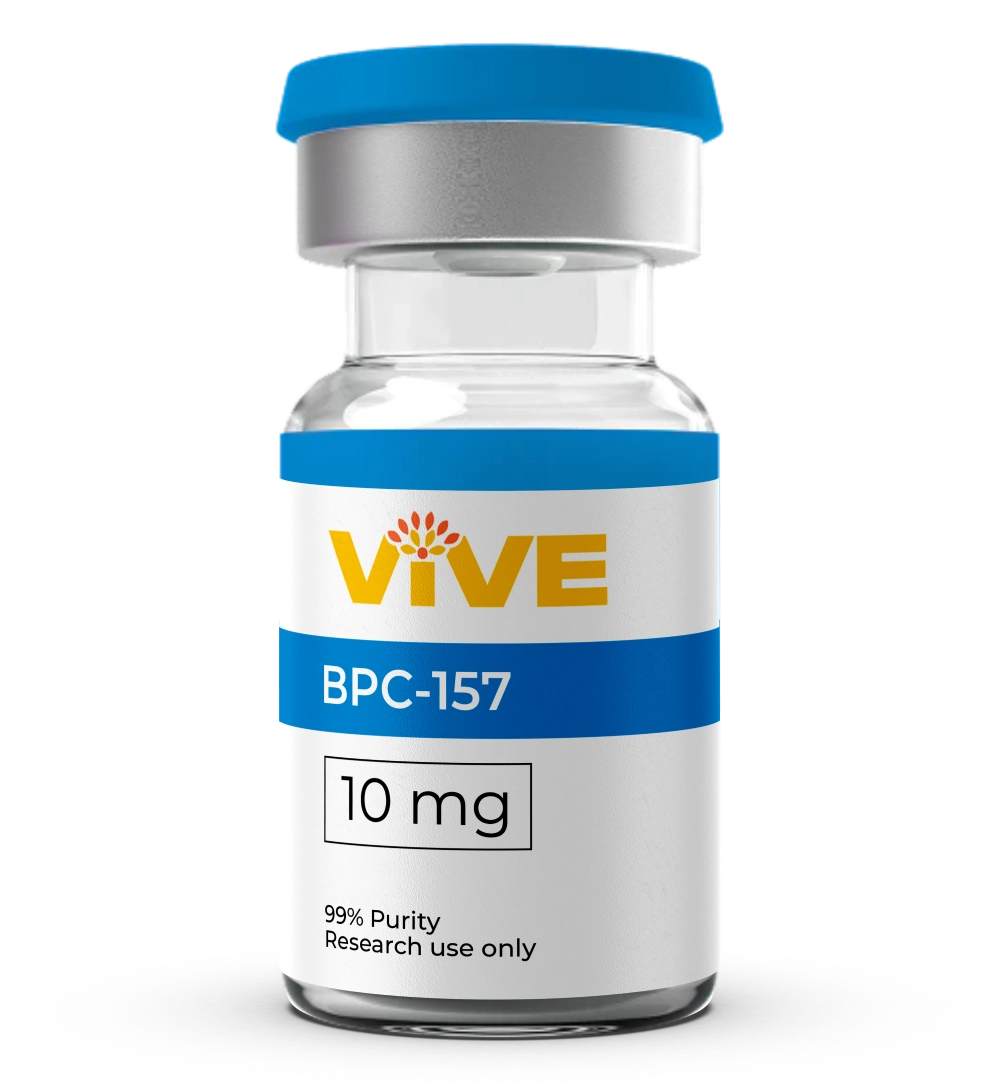
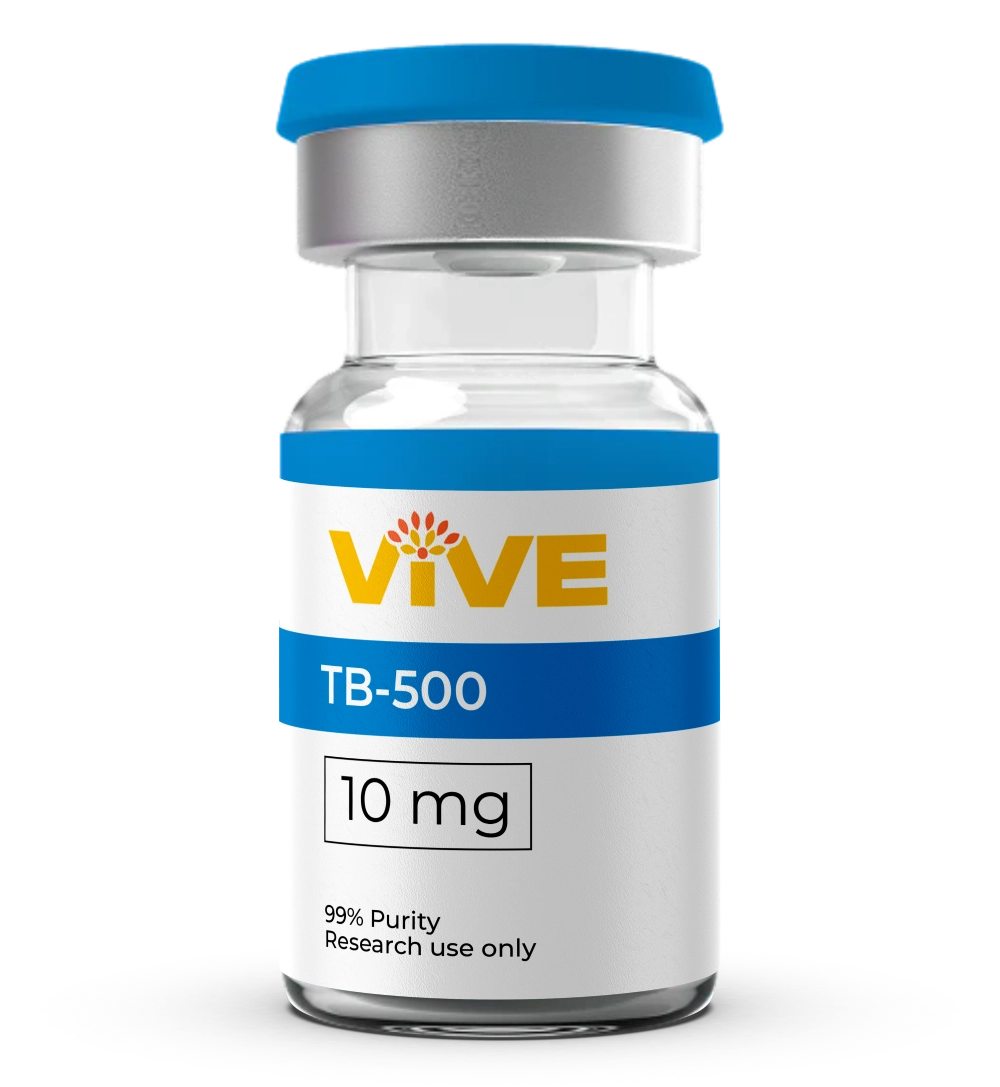
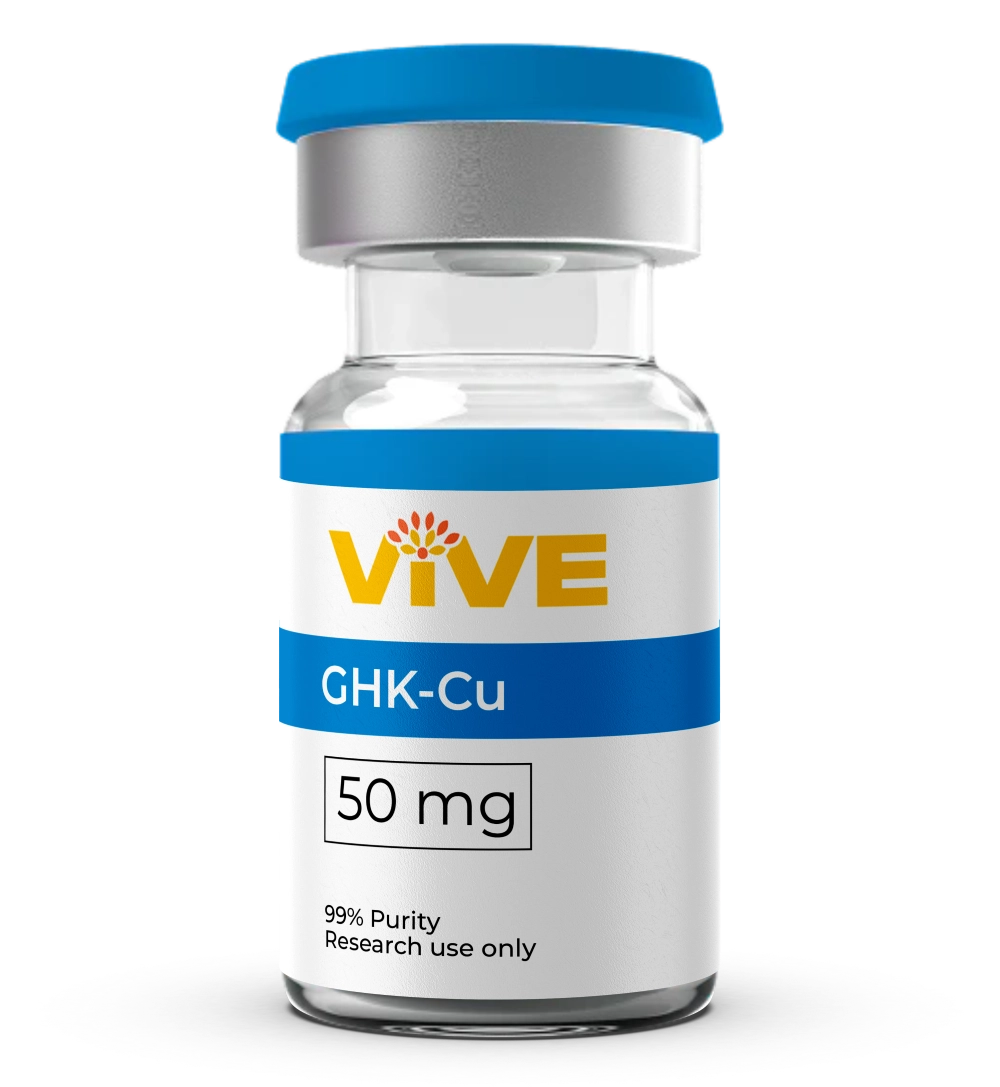
Lyophilized peptide powder is peptide material that has gone through lyophilization, a process that freezes a peptide solution and then pulls the water out under vacuum through sublimation rather than heat. What is left behind in the vial is a dry cake or fine powder, not a liquid. This dry form is the standard for how most research peptides are packaged and sold, largely because removing water removes the main pathway for degradation.
Because the peptide is not dissolved in anything, it has no solvent to react with, no bacteria to grow in, and far less chemical activity overall. That is what makes lyophilized peptides the more forgiving of the two forms when conditions during shipping and storage are not perfectly controlled.
What Is Pre-Mixed Liquid Peptide, and How Does It Differ From Powder?
Pre-mixed liquid peptide is the opposite starting point: the peptide has already been dissolved into a solvent, often a bacteriostatic saline solution, before it ever leaves the supplier. Instead of a dry vial, you receive a peptide solution that is already at (or close to) a working concentration.
The core difference comes down to chemistry, not convenience. A dry lyophilized peptide sits in a low-activity state. A dissolved peptide is chemically active from the moment it is mixed, which means degradation pathways like hydrolysis can begin working on it immediately, whether or not it is in use yet.
Is Pre-Mixed Liquid Ready to Use Right Out of the Vial?
Yes. Pre-mixed liquid peptide skips the reconstitution step entirely, so once a researcher has a calculated dose in mind, the product can be drawn straight from the vial. That convenience is the entire reason the liquid form exists, but it comes at the cost of the shorter, less forgiving stability window described below.
Why Most Research Peptide Suppliers Ship Powder Instead of Liquid
Suppliers default to lyophilized powder for one practical reason: it survives the supply chain better. A shipment can sit in a warehouse, a delivery van, or a mailbox for hours or days, often without climate control. A dry peptide in a sealed vial tolerates that kind of unpredictable handling far better than a peptide already in solution, where warmth and time actively work against it.
This is also why VivePeptides and most of the research peptide industry treat powder as the default and liquid as the exception: it shifts the riskiest step, reconstitution, into the researcher's hands, at the moment they actually control storage conditions.
Shelf Life: Lyophilized Powder vs Pre Mixed Liquid
Shelf life is where the two forms diverge the most. Properly stored lyophilized powder, kept cold, dark, and sealed, can remain stable for an extended period, often well beyond what a reconstituted peptide solution can achieve. The dry cake simply has fewer ways to break down while it stays dry.
Once a peptide is dissolved, whether by the researcher during reconstitution or by the supplier before shipping pre-mixed liquid, the clock starts differently. A peptide solution is generally expected to be used within a defined window, and that window is almost always measured in weeks under refrigeration, not the months or longer a sealed lyophilized vial can offer.
How Long Does Reconstituted or Pre-Mixed Liquid Peptide Stay Stable Once Mixed?
This varies by compound, concentration, and how consistently it is kept cold, so there is no single universal answer. As a general research practice, once a peptide is in liquid form it should be refrigerated immediately, used within the timeframe indicated in the compound's documentation, and inspected for cloudiness or discoloration before each use, since either can signal degradation.
Shipping and Storage Temperature: Which Form Holds Up Better?
Temperature is the single biggest variable separating these two forms in transit. Lyophilized powder is far more temperature-tolerant during shipping because there is no solvent for heat to act on. Pre-mixed liquid does not have that buffer, so a hot delivery truck or a package left on a porch works against it in real time.

Which Is More Stable During Hot-Weather or Long-Transit Shipping, Powder or Liquid?
Powder is consistently the more stable choice for hot-weather or long-transit shipping. Because it is dry, moderate heat exposure during a normal delivery window is far less likely to meaningfully affect the compound, whereas the same exposure can measurably accelerate degradation in a peptide that is already dissolved.
What Happens to Pre-Mixed Liquid Peptide if It's Left Unrefrigerated During Shipping?
Extended time at warm temperatures speeds up degradation in a peptide solution, which may reduce potency or cause visible changes like clouding or discoloration. If a pre-mixed liquid order arrives after sitting unrefrigerated for an unusually long stretch, refrigerate it immediately on arrival and visually inspect it before use, since heat damage is not always something you can see right away.
Does Lyophilized Powder Need to Be Refrigerated Before Reconstitution?
Many lyophilized peptides are reasonably stable at room temperature for short stretches, but cold storage, refrigerated or frozen, extends that stability considerably and is the safer default while the vial sits unopened. Once a peptide is reconstituted, refrigeration generally shifts from a best practice to a requirement.
Reconstitution and Cost: Do You Need to Mix Powder Yourself, and Is It Worth It?
Yes, lyophilized powder requires reconstitution before use. That means adding bacteriostatic water for peptide reconstitution to the vial in a calculated volume, letting the powder dissolve without vigorous shaking, and storing the resulting peptide solution cold from that point forward. Many researchers lean on a reconstitution calculator to convert the vial's peptide amount and a chosen bacteriostatic water volume into a target concentration before drawing a single dose.
Is Lyophilized Powder More Cost-Effective Than Pre-Mixed Liquid?
Generally, yes. Lyophilized powder vs pre mixed liquid is also a cost question: pre-mixing adds a processing and stabilization step on the supplier's side, and the shorter shelf life of liquid product means more of it can go unused before it is drawn. Powder's longer stable window reduces that waste, and the researcher only pays for the compound itself plus bacteriostatic water rather than a premium for convenience. The trade-off is time: reconstitution takes a few extra minutes that pre-mixed liquid skips entirely.
Frequently Asked Questions
Does lyophilized peptide powder need bacteriostatic water? Yes, in almost every case. Bacteriostatic water is the standard solvent used to reconstitute lyophilized powder into a usable peptide solution, since it contains a preservative that helps limit bacterial growth in the vial across multiple draws, unlike plain sterile water.
Can lyophilized peptides be shipped safely in summer heat? Lyophilized powder generally tolerates warm-weather shipping better than pre-mixed liquid because it has no solvent to degrade. That said, extreme or prolonged heat exposure is never ideal for any peptide product, so choosing cooler shipping windows or insulated packaging when available is still good practice.
How do you reconstitute lyophilized peptide powder correctly? Reconstitution involves slowly adding a calculated volume of bacteriostatic water down the side of the vial, allowing the powder to dissolve on its own or with gentle swirling rather than shaking, then storing the resulting solution refrigerated. A reconstitution calculator helps match the water volume to the desired concentration before mixing.
Is cloudy pre-mixed liquid peptide still safe to use? Cloudiness or visible particles in a peptide solution are typically a sign of degradation or contamination and should not be assumed safe. If a pre-mixed liquid or a reconstituted vial looks cloudy, discolored, or has visible particulate, it should not be used for research purposes.
Why does form (powder vs liquid) matter more than brand for stability? Chemical stability during shipping and storage is driven far more by whether a peptide is dry or dissolved than by which supplier packaged it. That is why the powder versus liquid choice, not the label on the vial, is the more reliable indicator of how well a given order will hold up in transit.
Start With Research-Grade Peptides Built for the Journey
Whichever form fits a given protocol, stability starts with how the product ships and how it is handled once it arrives. Shop research peptides from VivePeptides to see current lyophilized powder options and reconstitution supplies.
Research Use Only
All information in this article is intended for educational and research purposes only. VivePeptides products are not intended for human or veterinary use.