Research Article
The Complete VivePeptides Product Guide | 25 Peptides

The complete VivePeptides product guide covers every compound in the browse the VivePeptides catalog, organizing 25 research peptides by mechanism, reconstitution method, and published research context. Researchers, biohackers, and wellness professionals will find a structured reference here for amino acids, dosage forms, and storage standards across each compound.
By Vive Team
How the Complete VivePeptides Product Guide Is Organized
This reference covers all 25 peptides currently available at vivepeptides.com, grouped into research categories for easier navigation. Each entry notes the compound's primary amino acids, biological pathway, and the most relevant published research. The goal is a complete set of sourcing-ready facts for research purposes only. Nothing here constitutes medical advice, diagnosis, or treatment.
Reconstitution Standards: Bacteriostatic Water and Solvent Selection
Before any experiment, proper reconstitution is essential. The standard solvent across research settings is bacteriostatic water for peptide reconstitution, a 0.9% benzyl alcohol solution that keeps reconstituted vials free from microbial contamination and supports multi-draw vial integrity.
Calculate your target concentration in mg/mL before adding any solvent. Inject slowly along the vial wall to avoid shearing the peptide's secondary structure. Most lyophilized peptides stored at -20°C remain stable for 24 months; reconstituted solutions at 4°C are viable for 28 to 30 days. Avoid repeated freeze-thaw cycles. For any vial accessed more than once, bacteriostatic water is the standard default.
The Complete Peptide Library: 25 Research Compounds
The following is a structured list of all 25 VivePeptides compounds grouped by primary research application. This complete set is intended for research use only.
Growth Hormone Axis Peptides
Sermorelin is a 29-amino acid GHRH fragment stimulating pulsatile GH secretion from pituitary somatotrophs. Walker et al. (Journal of Clinical Endocrinology and Metabolism, 1990) completed foundational characterization of its pulsatile profile.
Tesamorelin is a stabilized GHRH analog. Falutz et al. (New England Journal of Medicine, 2007) documented visceral adipose effects, completing a phase III trial with statistically significant results.
CJC-1295 No-DAC + Ipamorelin combines a GHRH analog with a selective ghrelin-receptor agonist. Bowers et al. (Growth Hormone and IGF Research, 2001) documented close control over GH pulse with minimal cortisol elevation.
IGF-1 LR3 is a long-acting IGF-1 analog modified to reduce binding-protein affinity. Researchers use it to view downstream anabolic signaling in cell models; its extended half-life supports higher sustained receptor engagement than native IGF-1.
MOTS-c is a mitochondria-derived peptide encoded in the 12S rRNA gene. Lee et al. (Cell Metabolism, 2015) showed it activates AMPK and supports metabolic homeostasis, a higher-interest finding in longevity research.
GLP Receptor Agonist Peptides
Semaglutide is a GLP-1 receptor agonist. The SUSTAIN program (Marso et al., New England Journal of Medicine, 2016) documented glycemic control and cardiovascular outcomes, completing one of the largest GLP-1 trial sets in academic literature.
Tirzepatide is a dual GIP/GLP-1 agonist. Phase III data from the SURPASS program (Ludvik et al., Lancet, 2021) showed results superior to monoagonists in both glycemic and body-weight outcomes.
Retatrutide is a triple agonist targeting GLP-1, GIP, and glucagon receptors. Phase II data (Jastreboff et al., New England Journal of Medicine, 2023) documented significant weight reductions. For a side-by-side comparison, see our guide to tirzepatide retatrutide next generation glp research peptides.
Tissue Recovery Research Peptides
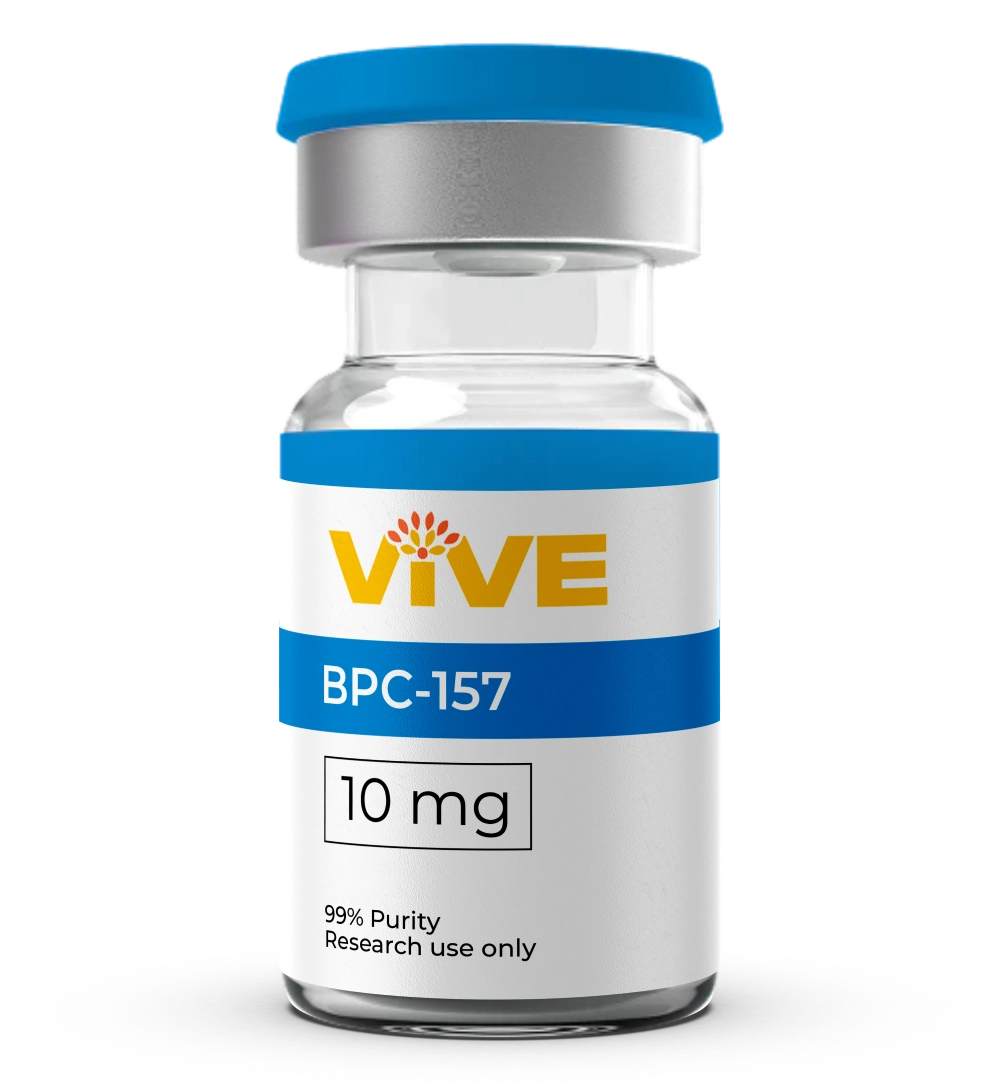
BPC-157 is a 15-amino acid partial sequence of body protection compound. Sikiric et al. (Current Pharmaceutical Design, 2018) documented cytoprotective properties in gastrointestinal and tendon models.
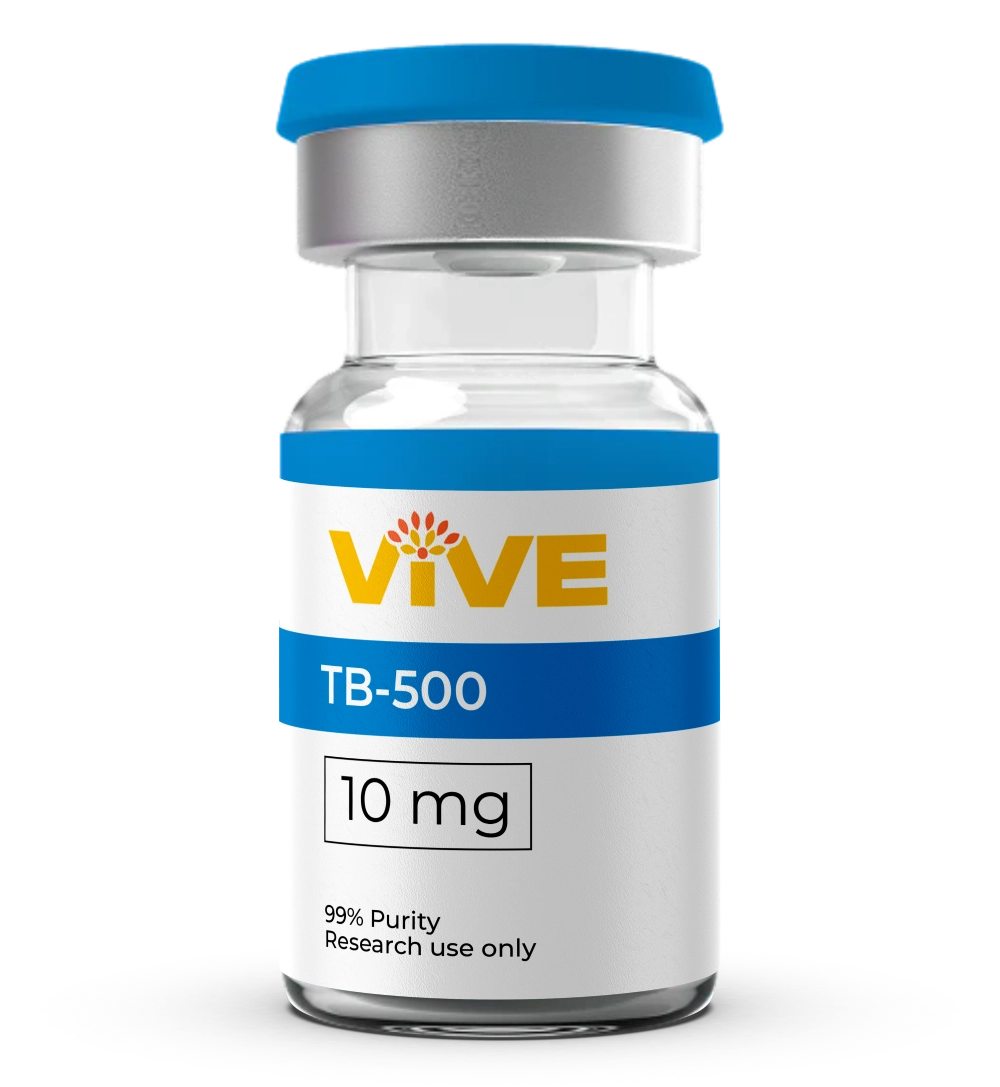
TB-500 (thymosin beta-4 fragment) is studied for angiogenesis and tissue repair. Recovery-focused peptide research has expanded into high-contact sports including american football, where soft-tissue injury rates are notably elevated.
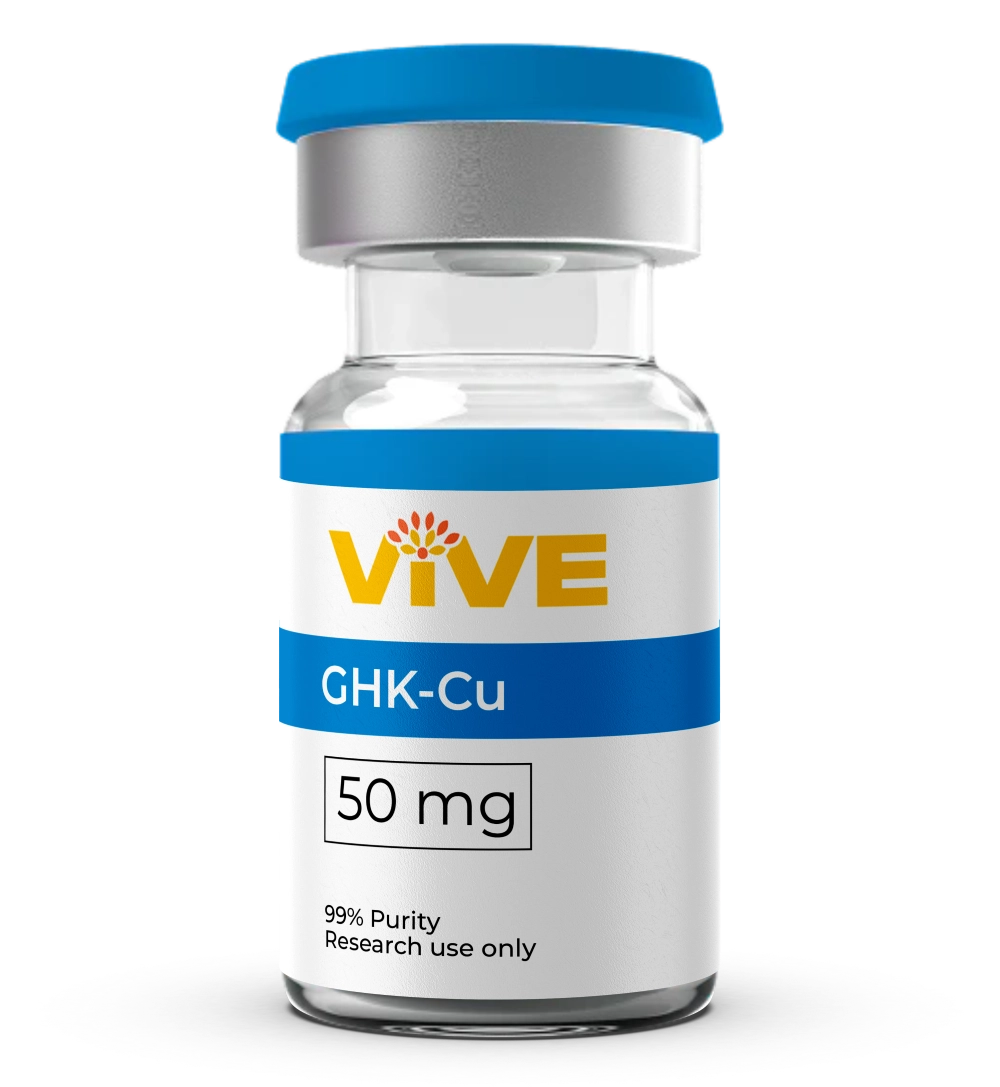
GHK-Cu is a copper-chelating tripeptide. Pickart et al. (Journal of Biomaterials Science, 2008) showed it activates over 4,000 human genes linked to collagen synthesis and tissue remodeling.
Glow Blend (BPC-157 / TB-500 / GHK-Cu) combines all three recovery peptides into one vial. GHK-Cu is included in this blend for researchers studying multi-pathway tissue remodeling in a single-vial form.
Melanocortin Peptides
Melanotan 1 (MT-1) is an alpha-MSH analog. Dorr et al. (Archives of Dermatology, 1994) documented melanogenesis stimulation in erythropoietic protoporphyria subjects, forming the academic foundation of MT-1 research.
Melanotan 2 (MT-2) has a short, cyclic form that binds MC1R and MC4R. Results across multiple preclinical models cover pigmentation and sexual function pathway research.
PT-141 (bremelanotide) is a metabolite of MT-2 acting centrally on MC4R. Kingsberg et al. (Journal of Sexual Medicine, 2019) documented outcomes following FDA approval for hypoactive sexual desire disorder.
Neuropeptides
Selank is a synthetic hexapeptide derived from tuftsin. Seredenin and Voronin (Experimental and Clinical Pharmacology, 2009) documented anxiolytic effects without sedation, forming the academic basis for cognitive research applications.
Semax is a heptapeptide with close structural similarity to ACTH fragments. Russian preclinical studies documented effects on BDNF expression and spatial learning performance in rodent models.
Specialized Research Compounds
LL-37 is a cathelicidin antimicrobial peptide produced by immune cells and keratinocytes. Dürr et al. (Biochimica et Biophysica Acta, 2006) documented its membrane-disruption mechanism against gram-positive and gram-negative bacteria.
SNAP-8 is an octapeptide analog of SNAP-25. Blanes-Mira et al. (International Journal of Cosmetic Science, 2002) studied its effects on vesicle docking at neuromuscular junctions.
ARA-290 (cibinetide) targets the tissue-protective receptor of erythropoietin. Brines et al. (Proceedings of the National Academy of Sciences, 2004) documented neuroprotective properties in preclinical models.
SS-31 (elamipretide) is a mitochondria-targeting tetrapeptide. Szeto et al. (FASEB Journal, 2008) showed it reduces oxidative stress in cardiomyocyte models.
Thymosin Alpha 1 modulates T-cell maturation and has been studied as an immune adjuvant. Sugawara (Drugs, 1994) documented its clinical uses in immunodeficiency research.
NAD+ is a coenzyme central to redox reactions and sirtuin activation, included as a supporting compound for mitochondrial biogenesis research protocols.
KLOW Blend is a proprietary multi-peptide combination from VivePeptides. Researchers can view the full ingredient set and reconstitution guidance on the product reference page.
Quality Standards and Sourcing Decisions
Quality is a non-negotiable standard in peptide research. VivePeptides supplies all compounds as research-grade lyophilized powders, each completely characterized by certificate of analysis documentation confirming purity and form. The company maintains batch-level records that support reproducibility across experimental runs.
For researchers building a total protocol stack, the catalog at vivepeptides.com offers compounds individually or in blend form, with reconstitution guidance included in every listing. A perfect reference for sourcing decisions, the catalog organizes compounds by class and end-use application.
Frequently Asked Questions
What solvent should I use to reconstitute VivePeptides research peptides?
The standard solvent for most lyophilized peptides is bacteriostatic water, containing 0.9% benzyl alcohol to prevent microbial growth in multi-draw vials. Some single-use protocols use sterile saline. Calculate your target mg/mL concentration before adding any solvent, and check the individual product page for compound-specific guidance before completing reconstitution.
How long do reconstituted peptide solutions remain stable?
Most reconstituted solutions stored at 4°C remain viable for approximately 28 to 30 days. Lyophilized powder at -20°C is typically stable for 24 months. Avoid repeated freeze-thaw cycles, which degrade peptide activity. Aliquot stock solutions into single-use portions before freezing to minimize the number of times each vial is accessed.
What does research use only mean on VivePeptides products?
Research use only means these peptides are sold for in-vitro, in-vivo animal, or laboratory research purposes. They are not FDA-approved for human use as drugs, and VivePeptides does not represent them as treatments for any condition. Researchers bear responsibility for compliance with applicable institutional review board and regulatory requirements at their institution.
How many peptides does VivePeptides currently stock?
VivePeptides currently stocks a total of 25 research-grade compounds. The complete set spans growth hormone secretagogues, GLP-receptor agonists, tissue recovery peptides, melanocortin compounds, neuropeptides, and specialized compounds including antimicrobial and mitochondria-targeted peptides. The full list is at vivepeptides.com/shop/.
Are all peptides reconstituted the same way?
No. While bacteriostatic water is the standard default, some peptides require dilute acetic acid as the primary reconstitution solvent. IGF-1 LR3, for example, is more stable when initially reconstituted in acetic acid. Always view the individual product reference page before beginning reconstitution to confirm the correct solvent form for each compound.
Start Your Research with the VivePeptides Catalog
The complete VivePeptides product guide will be updated as new compounds are added and published research evolves. For current availability and full peptide specifications, visit the research-grade peptide catalog and filter by research category to locate the right compound for your protocol.
Research Use Only
All information in this article is intended for educational and research purposes only. VivePeptides products are not intended for human or veterinary use.