Research Article
Match the Certificate to the Vial: Lot Number Guide

Every order placed through the VivePeptides shop should let a researcher match the certificate to the vial before the seal ever comes off, confirming lot number, manufacture date, and test results all point to the same batch. This checklist walks through exactly where each detail lives and what to do when something doesn't line up.
By Vive Team
What Is a Certificate of Analysis for a Research Peptide Vial?
A certificate of analysis, often shortened to COA, is the lab report documenting what a specific batch of peptide actually tested as: identity (confirmation that the vial contains the peptide it claims to), purity percentage, sterility, and frequently a screen for heavy metals and bacterial endotoxin. A licensed, accredited lab runs these tests using validated scientific methods that mirror pharmaceutical testing standards, and issues one certificate per manufacturing batch, never one blanket document for an entire product line. These are research compounds, not approved drug products, so the certificate is the primary record of what's actually in the vial in front of you. That's exactly why matching the certificate to the vial is a critical step before that vial goes anywhere near a research protocol. Good laboratory recordkeeping treats the certificate and the vial as one paired unit, not two separate pieces of paperwork that happen to describe the same product line, and that pairing is what makes results reproducible across a study.
Where to Find the Lot Number on the Vial and the COA
Before you can match anything, you need to know exactly where each document puts its lot number, since suppliers don't all format labels or certificates the same way.
On the Vial Label
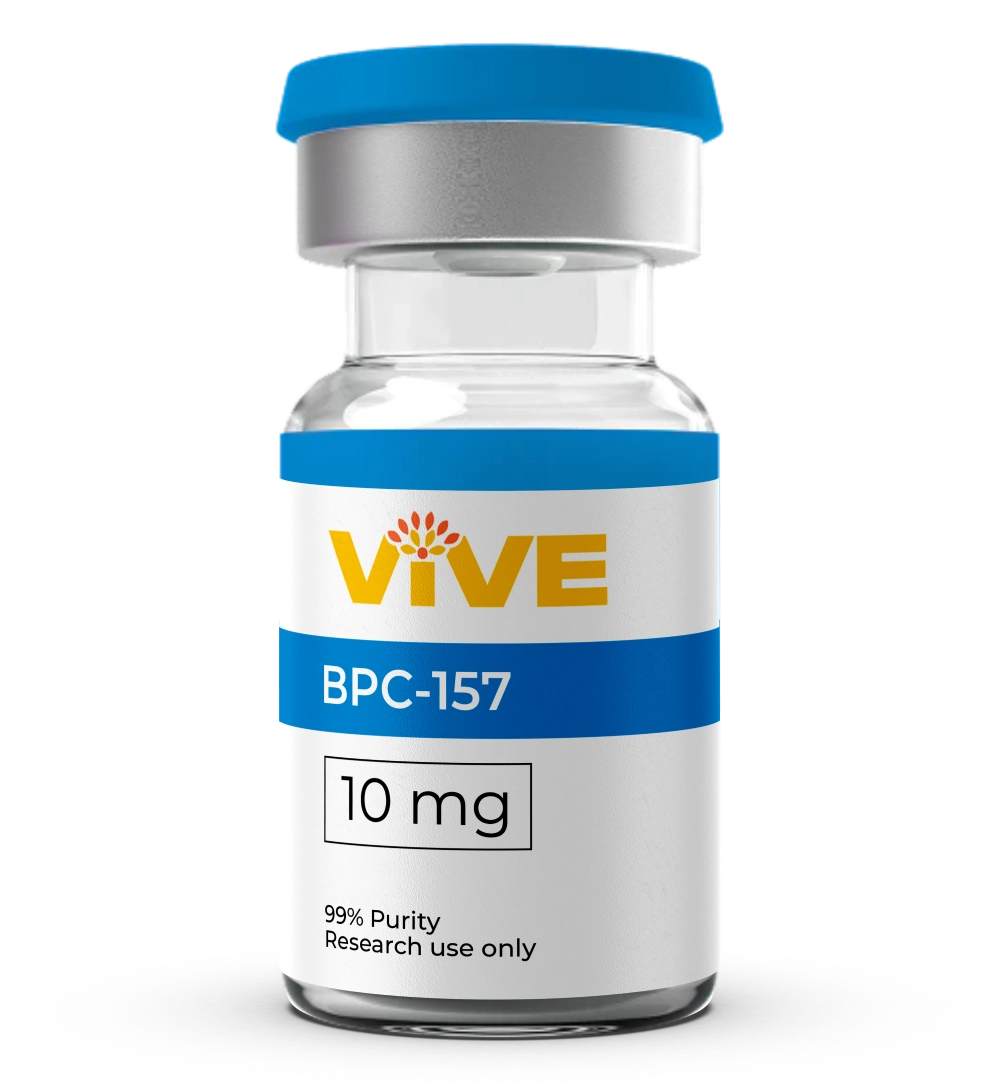
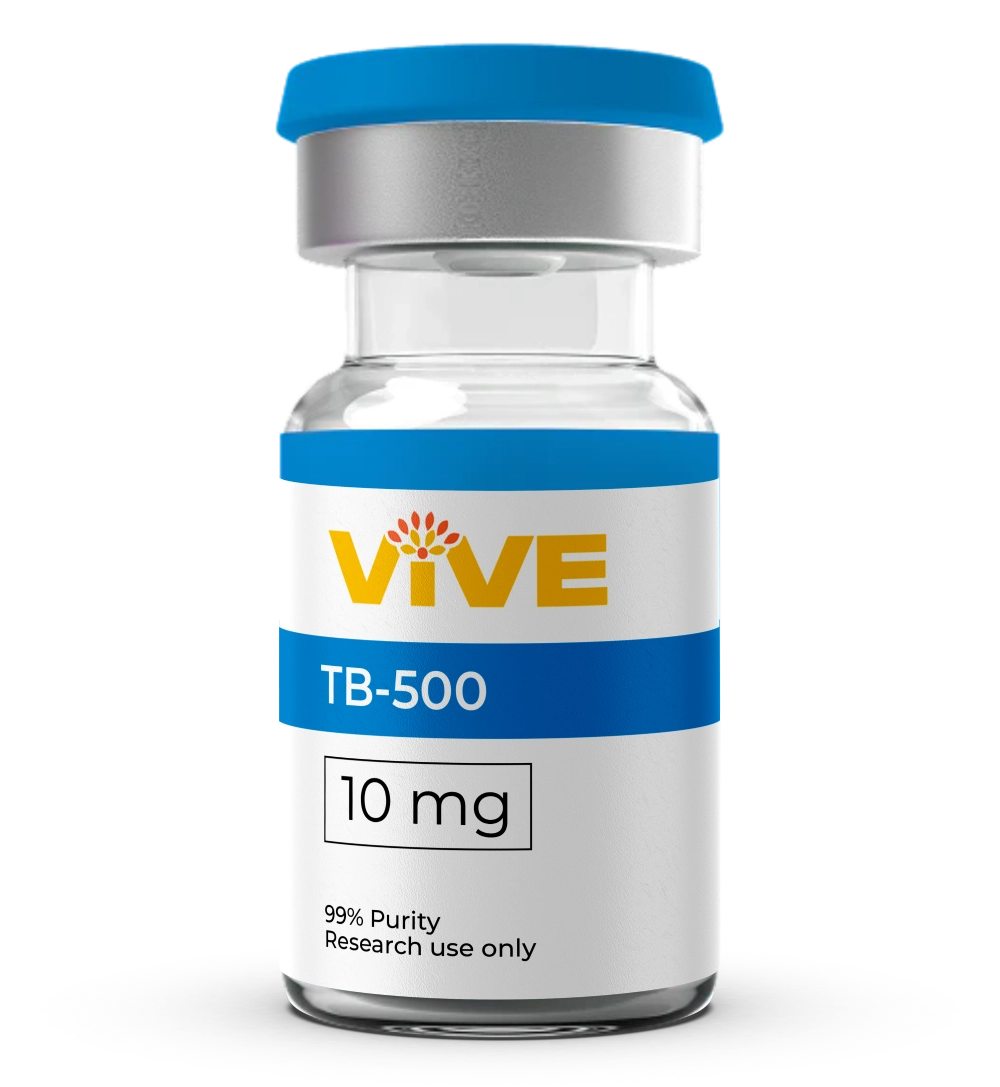
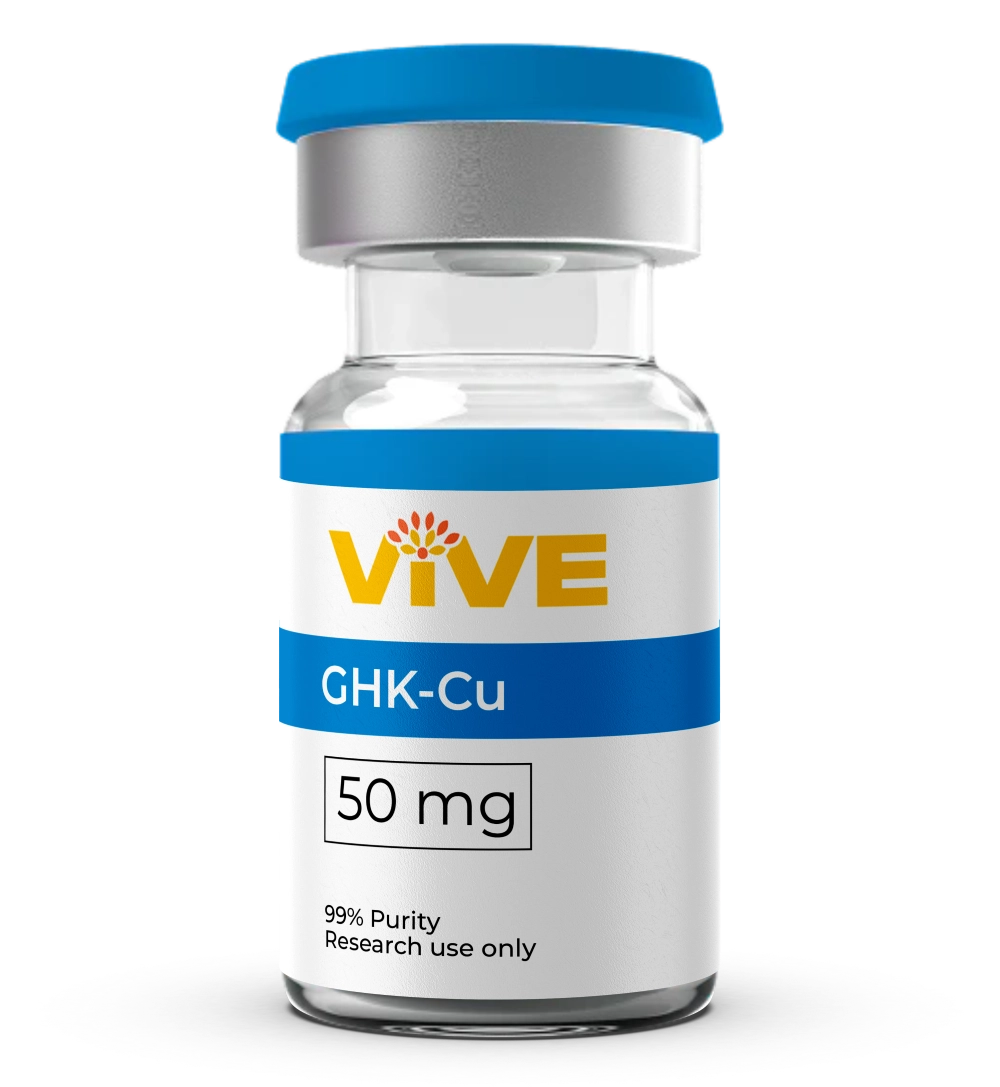
The lot number, sometimes printed as "batch" or "lot no.," is usually printed directly on the vial label near the expiration or retest date. On a glass research vial it should be clearly visible without a magnifying glass, printed rather than handwritten, and free of smudging, taped-over sections, or obvious alteration. Some suppliers also print a shortened lot code on the screw cap itself as a second reference point, which is useful if the label ever gets damaged in storage or transit.
On the Certificate of Analysis
On the COA, the lot number typically sits near the top of the first page, next to the product name, manufacture date, and test date. A few certificates repeat it in a footer on every page when the document runs longer than one page. Either way, it should be printed in plain text rather than buried inside a scanned image where it can't be selected or searched.
How to Match the Certificate to the Vial Before You Use It
Matching a certificate to a vial is a short, specific process, but skipping a step is where most mistakes happen.
- Locate the lot number printed on the vial before opening it.
- Pull the COA that corresponds to that exact peptide and lot number, not just the product name.
- Compare the two lot numbers character for character, including any letters or suffixes.
- Confirm the peptide name and packaged amount on the COA match what's printed on the vial.
- Check that the manufacture date on the certificate is consistent with a batch that was actually shipped to you.
If every field lines up, the answer should be a clear yes, not a "close enough." A single mismatched character is reason enough to stop and verify before opening the vial for research use. This is a two-minute check the first time and a habit after that, and it's worth doing on every vial, not just the first one from a new order, since a shipment can occasionally combine more than one lot.

What Does It Mean If the Vial Lot Number and COA Lot Number Don't Match?
A mismatch usually means one of three things: the wrong certificate was attached to an order, a labeling error occurred somewhere in packaging, or the vial came from a different batch than the one the certificate describes. None of these are automatically a safety problem with the peptide itself, but none of them let you confirm what's actually in the vial either. The whole point of learning to match the certificate to the vial is catching this kind of gap before it becomes a bigger problem. In practice, the safest response is to treat the vial as unverified: pause, contact the supplier for the correct certificate, and hold off on using that vial for research until the lot numbers match. A single-character discrepancy, like a supplier sending a certificate for lot 2201A when the vial in hand reads 2201B, is easy to miss at a glance but still counts as a mismatch. Suppliers who stand behind their process should be able to resolve this quickly, usually by pulling the correct certificate from their own archive.
How Can You Tell If a Peptide COA Is Authentic and Unaltered?
A genuine COA comes from a named, certified lab, not a template with a logo pasted on. Look for the lab's full name and accreditation details, the specific testing method used for identity and purity confirmation (HPLC and mass spectrometry are standard for peptide identity work), consistent formatting across every field, and no visible signs of digital editing, like mismatched fonts or numbers that don't quite align with the rest of the document. If you have questions about a specific certificate, the testing lab itself is usually the most reliable source of a direct answer, since a lab can confirm whether a given lot number and result set actually came from their system. Cross-referencing the lab's name against its own published accreditation listing is a useful second step if anything on the document still seems inconsistent after that.
What Other Details on a COA Should You Check Besides the Lot Number?
The lot number confirms you're holding the right document, but the rest of the certificate is where the actual research value lives. A complete COA should list:
- Purity percentage, usually reported by HPLC
- Peptide identity confirmation, not just an assumed match to the label
- Sterility and endotoxin results where applicable
- Storage conditions and a retest or expiration date
- The manufacturing date and the testing date, which should be reasonably close together
A product page that pairs an item with its certificates, like the research-grade BPC-157 product overview, should give you a way to check every one of these fields for the specific lot you're holding, not just a generic sample certificate for the product line. Skimming past these secondary fields is a common shortcut, but a certificate that gets the lot number right while leaving out sterility results or a retest date is still an incomplete record, and it's worth asking a supplier to fill the gap rather than assuming it's fine.
Frequently Asked Questions
Can one certificate of analysis cover more than one lot number? No. A COA is issued per manufacturing batch, so it is tied to one specific lot number. If a supplier tries to apply a single certificate across multiple lots, treat that as a documentation gap rather than proof the batches are identical, and ask for the certificate that actually matches your vial's lot.
Does vial size or fill amount change which COA applies? Yes, in most cases. Testing is specific to a batch and a fill size, so a certificate written for a different vial size or concentration may not accurately describe what's in your vial, even when the peptide name matches. Confirm the fill amount on the COA lines up with what you ordered.
What should you do if a supplier can't produce a matching COA? Treat it as a clear yes to pause, not a maybe. A legitimate supplier should be able to produce a lot-specific certificate on request within a reasonable window. If they can't, that's a bigger flag than a single typo on a label, and it's reasonable to hold off on using the product until documentation is resolved.
Is a certificate of analysis the same thing as third-party lab testing? Not automatically. A COA can come from an in-house lab or from an independent third-party lab, and the certificate itself should say which. Third-party testing generally carries more weight because that lab has no financial stake in the result, so it's worth checking who actually ran the analysis.
How long should you keep COAs after they're matched to a vial? As a general practice, keep a COA for as long as the corresponding vial is in use and for a reasonable period afterward, since research records are often reviewed retrospectively. There's no universal retention rule, so match your own recordkeeping to whatever standards your institution or research protocol already requires.
Keep Every Vial Traceable to Its Certificate
A matched lot number is the fastest way to confirm a vial is exactly what its paperwork says it is, and it takes less than a minute to check before opening anything. Browse the research-grade peptide catalog to see current batches and their published certificates side by side.
Research Use Only
All information in this article is intended for educational and research purposes only. VivePeptides products are not intended for human or veterinary use.