Research Article
Peptide Stack Cost: What Drives a Research Stack Budget

Peptide stack cost is the sum of every peptide, supply and shipping line behind a set of research peptide stacks, so it moves with vial count, milligram (mg) content and purity. This article names each line item and what shifts it, without quoting dollar figures that change by product page.
By Vive Peptides Team
How Much Does a Peptide Stack Cost?
How much does a peptide stack cost? The answer depends on how many peptides the research design calls for, how many mg each vial holds, and how many vials the project uses. VivePeptides sells every item for research use only, and pricing changes, so each product page is the only reliable source for a current figure. What follows is the structure behind that number.
Peptide stacking, the research practice of studying more than one peptide in the same model, adds a cost line for every peptide. Supplies, shipping and testing then sit on top.
How much is a peptide stack for research?
A research budget follows a short formula: peptides in the design, times vials per peptide for the study length, plus supplies and shipping. A written peptide protocol fixes the first two numbers before any order is placed, and it is the first step in how to build a peptide stack without overbuying. Skipping that step invites waste, and reconstituted material loses value faster than lyophilized (freeze-dried) powder.
How many compounds are in a typical multi compound research stack?
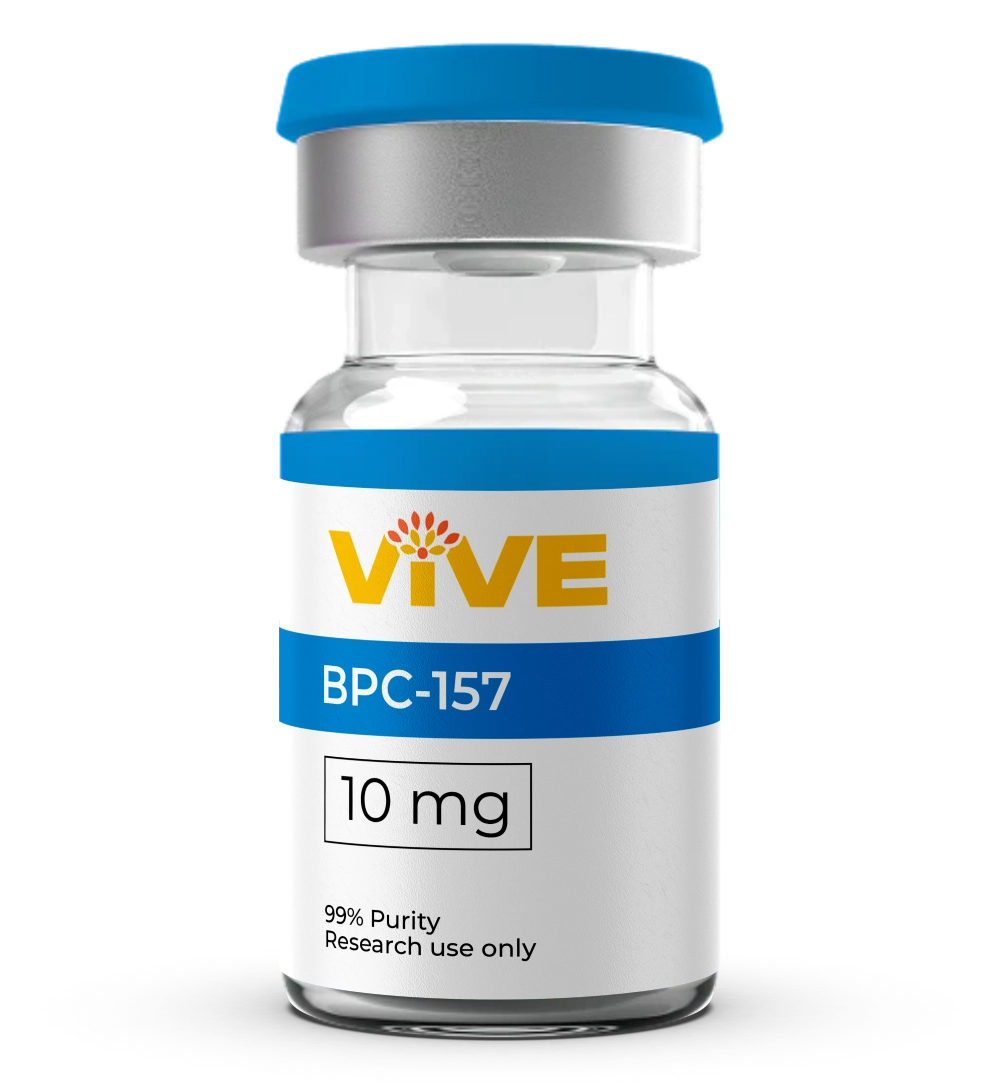
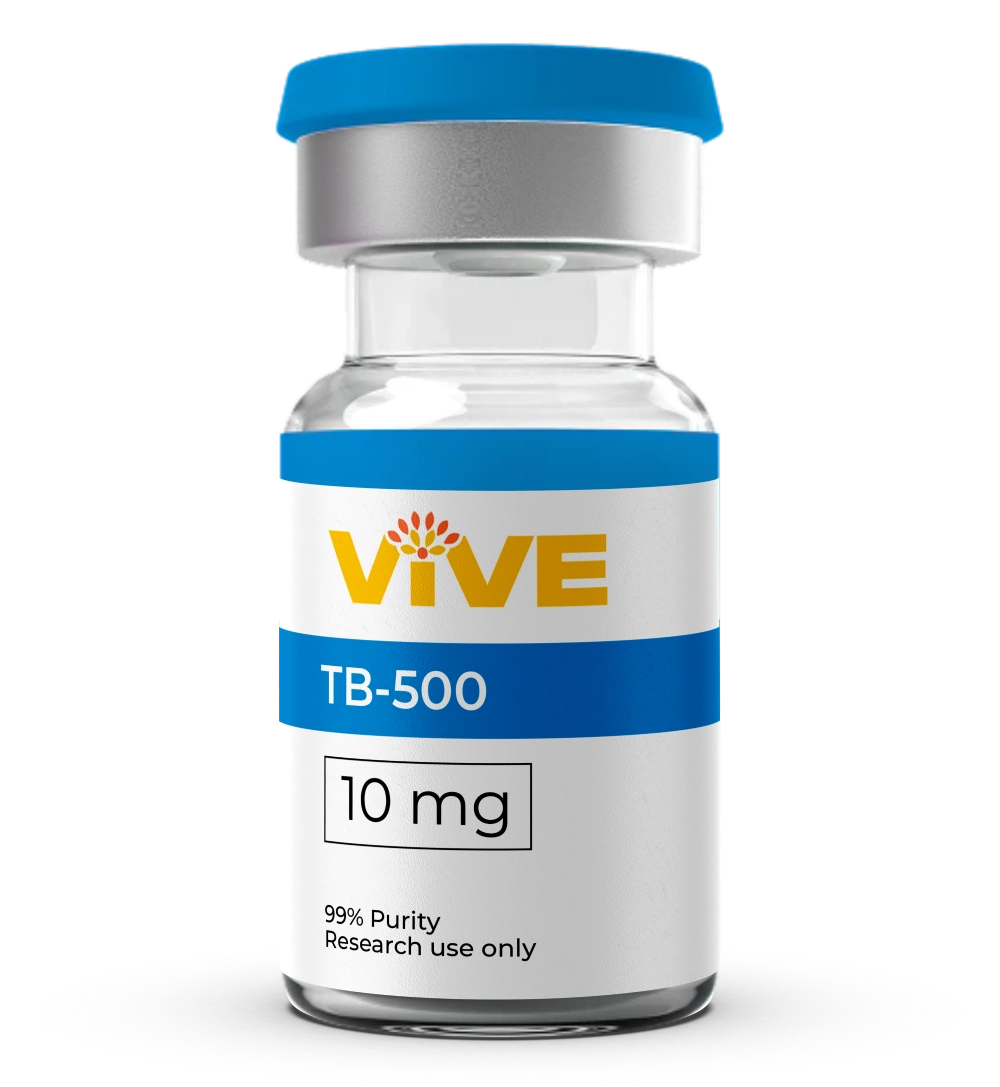
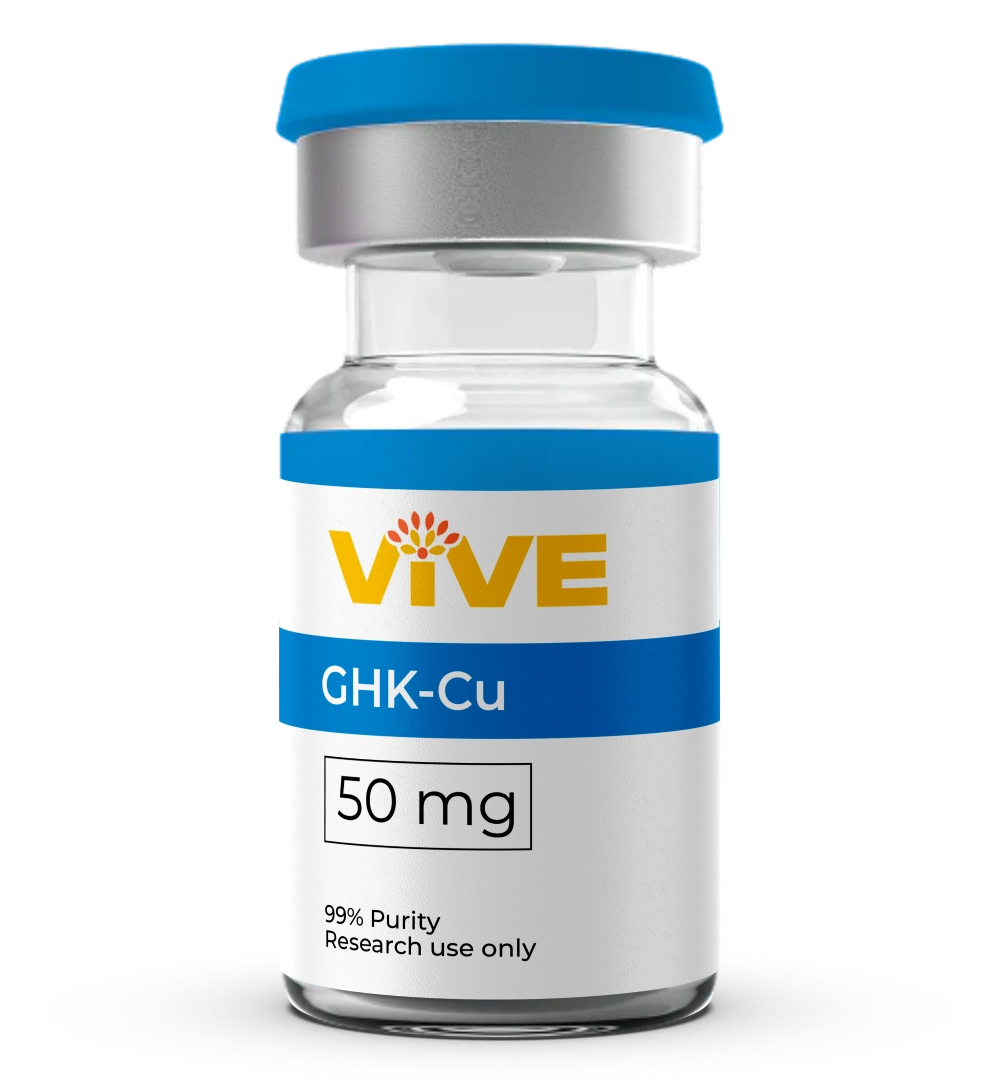
The best-known research combinations hold two to four peptides. The wolverine stack, the community nickname for the BPC-157 TB-500 pairing, has two. The Glow Blend, the BPC/TB/GHK peptide blend, puts BPC-157, TB-500 and GHK-Cu in one vial, and KLOW is a four-peptide research blend of GHK-Cu, BPC-157, KPV and TB-500. Planning one order around several compounds at once is a common way to approach multi compound research, which fits a stack of two to four peptides.
Pairing peptides that act through different pathways is the usual design logic behind synergistic peptide combinations, and every addition adds a vial to the budget.
What Factors Drive Peptide Stack Cost?
Peptide stack cost rises or falls with seven inputs. Each one pushes the total in a known direction.
- Chain complexity. Longer or modified chains need more synthesis steps, which lowers yield and raises cost per mg.
- Milligram content per vial. More mg raises the vial price, though price per mg usually falls as vial size grows.
- Purity and testing. Purification to 99% or higher by HPLC (high-performance liquid chromatography, a method that separates a sample into its parts) costs more than minimal cleanup. Independent testing adds another line.
- Vial count. Study length and replicate groups multiply every other line. Doubling the groups doubles the spend.
- Format. A blend fixes several peptides in one vial at set ratios. Separate vials allow ratio control but add vials and handling.
- Shipping speed. Faster service raises the logistics line, while ground shipping can be free above a set order total.
- Supplier overhead. Fulfillment, labeling and quality systems are priced into every vial.
How much does each compound in a multi compound research stack cost?
Cost follows chain length and synthesis difficulty, not popularity. BPC-157, a 15-amino-acid peptide, takes fewer steps than IGF-1 LR3, which runs 83 amino acids, so the longer molecule costs more per mg to make. Two peptides at the same mg per vial can therefore sit at different price points.
The wolverine stack shows how this plays out. In rodent models, BPC-157 has been examined in tendons, ligaments and gut tissues, while TB-500, a synthetic peptide related to thymosin beta-4, sits in research on cell migration and tissue repair. Researchers pair them because the proposed pathways differ, and rodent studies that use surgeries to create standard injuries let groups compare mobility, muscles and other outcomes. Neither is an FDA-approved drug. FDA approval applies to products marketed for human use, and Vive sells both as research material.
Why do peptide stack prices vary between suppliers?
Raw material source, purification depth, whether a certificate of analysis (COA, the lab report confirming identity and purity) is published, fulfillment cost and margin all vary by provider. Two vials with the same label mg can differ in actual content, so the comparison that holds is price per verified mg. Vive product pages carry the 99%+ Purity badge and list CAS number, molecular weight, storage and solubility so labs can check specifications before buying.
What Is the Cost of a Peptide Stack Per Month Versus Per Project?
Per-project accounting fits research better than a monthly figure. A monthly number only holds when a team runs continuous work at a steady vial count. Most studies buy in phases: a block of vials for one phase, then a gap while data are analyzed. Reorders fit that rhythm, since a research stack is often restocked over time rather than bought only once.
A good peptide protocol lists quantities per phase, so the project total is peptides times vials times phases, plus supplies. Peptide protocols written this way also make a monthly estimate easy: divide the project total by the months it runs.
Is a peptide stack cheaper than buying each compound separately?
Sometimes, not always. A pre-mixed blend collapses several vials into one and trims shipping and handling lines, while separate vials give control over each ratio. Compare the mg of each peptide in the blend against the separate vials before assuming either route costs less. Studies that isolate one variable need separate vials, which is why recovery versus regeneration research on BPC-157 and GHK-Cu usually treats each peptide on its own.

What Supplies Add to Peptide Stack Cost Besides the Compounds?
Supplies sit outside the peptide lines but still belong in the budget.
- Diluent. A free BAC Water bottle is included with any peptide order and cannot be bought separately, so it is not a separate purchase to plan around.
- Cold storage. Freezer or refrigerator capacity and a temperature log keep vials within their storage conditions.
- Sterile labware. Pipette tips, filters and sterile receiving vials are consumed by every experiment.
- Analytical testing. Independent verification of identity and purity adds a line when the protocol calls for it.
- Shipping. USPS Ground Advantage runs 3 to 5 business days and ships free once the item total passes the threshold shown at checkout. FedEx 2 Day and next day business delivery cost more. Orders ship to US addresses only, and non-US issued cards are refused.
How Can a Lab Lower Peptide Stack Cost Without Cutting Quality?
Optimization comes from planning, not from cheaper material. Write the peptide protocol first so the order matches the study instead of a guess. Group several phases into one shipment to reach the free ground shipping threshold. New customers can apply code WELCOME15 for 15% off. Buyers weighing a larger purchase can use the wholesale contact form to start a consultation about it. Budget optimization means matching mg to the protocol, and it never means trimming purity.
Why does a very cheap peptide stack price signal a purity problem?
Real costs set a floor. Synthesis, HPLC purification and testing cost money for every batch, so a price far below the rest of the market can signal a skipped step: less actual mg than labeled, partial purification, or no verifiable COA. One mislabeled vial can spoil weeks of research outcomes, which makes a low price expensive after the repeats. Ask the provider for the COA before ordering. Vive vials carry a USA Made origin label, and the site describes third-party testing in USA labs.
Questions People Ask About Peptide Stack Cost
How much does a peptide stack cost per month? A monthly figure only exists for teams buying on a steady schedule. It equals the peptides in the design, times vials used per month, plus supplies and shipping. Vive does not publish a bundled monthly number because pricing changes, and each product page shows the current price per vial. Build the estimate per project phase first.
How much do peptides actually cost? Cost per vial follows chain length, mg content, purity and testing. Vive states pricing only on its live product pages, so this article gives no dollar figures. Compare candidates by price per verified mg and ask for the COA. Free ground shipping and the WELCOME15 code for new customers change the final total.
How much does the peptide glow stack cost? The Glow Blend combines BPC-157, TB-500 (the thymosin beta-4 related peptide) and GHK-Cu in one research vial, so its cost reflects three peptides at the mg shown on the product page. Pricing changes, so read the current figure on that page instead of relying on a quoted number. It is sold for research use only.
Where to buy wolverine stack peptides? VivePeptides lists BPC-157 and TB-500 as separate research-use-only products, and the BPC-157 TB-500 combination also appears inside the Glow Blend and KLOW. Neither is an FDA-approved drug. Orders ship to US addresses only. Check each product page for current pricing, purity and mg before ordering.
Does Vive publish wolverine stack dosing? No. Vive publishes no dosing or benefit content because every product is sold for research use only, so nothing about tendons, ligaments or other tissues is claimed on product pages. A researcher and their institution write the peptide protocol for a study. Questions about pricing or larger quantities can go to the Vive team through the wholesale contact form.
Price Out a Research Stack in the Vive Shop
Current pricing, mg size and purity details sit on each product page. Start with the research-grade peptide catalog and build the project budget one peptide at a time.
Research Use Only
All information in this article is intended for educational and research purposes only. VivePeptides products are not intended for human or veterinary use.