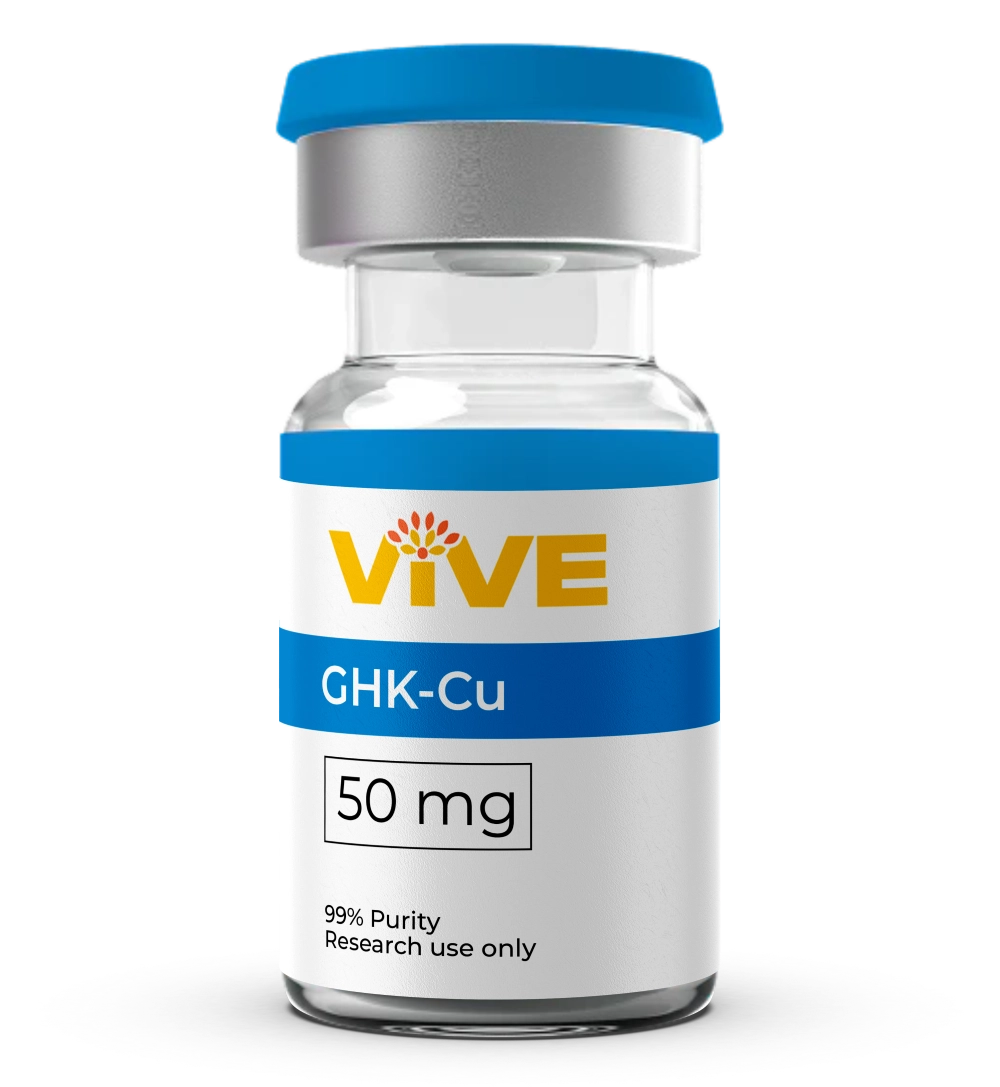
Research Article
Wolverine Stack vs Glow Blend: Which to Reorder
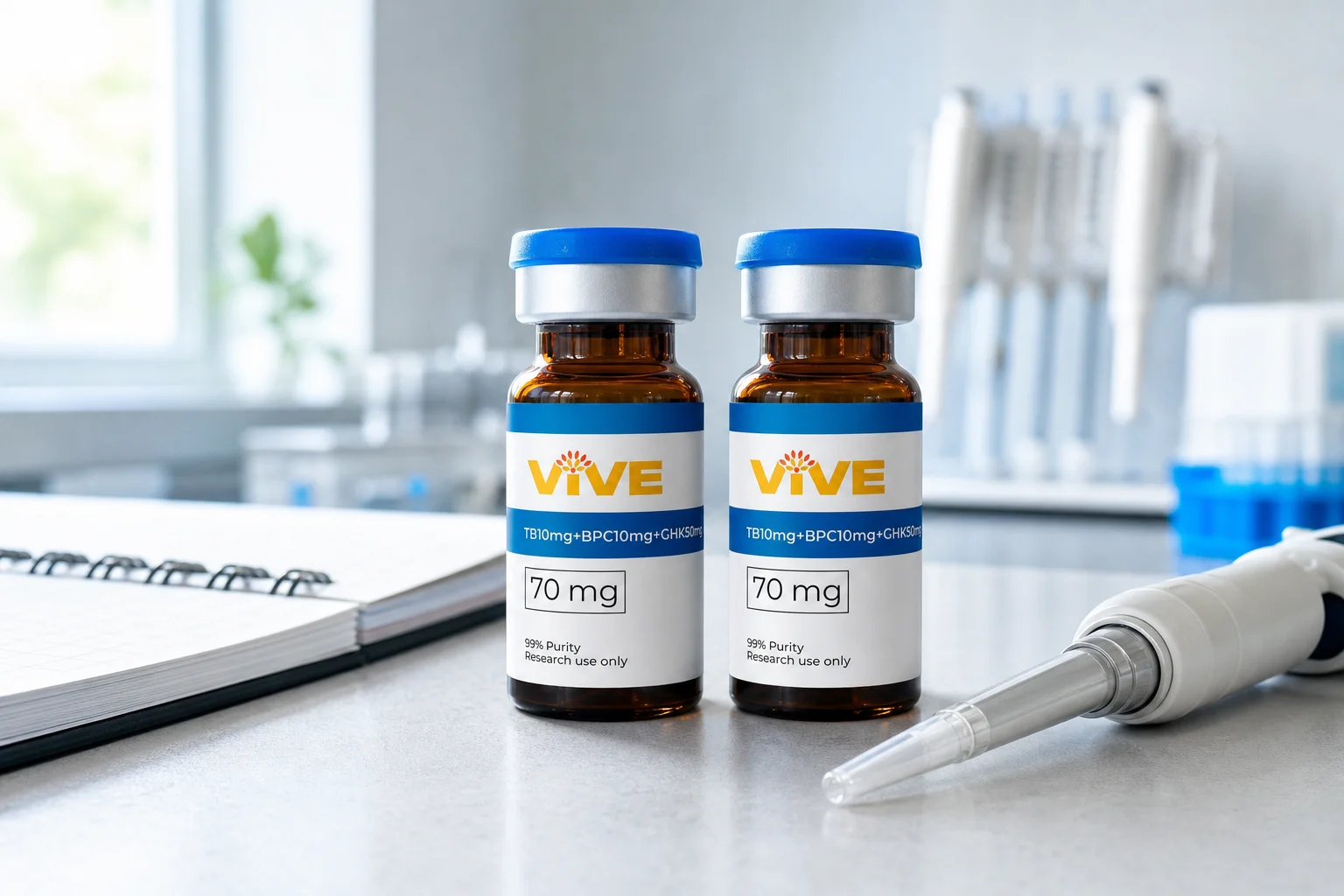
Deciding between the Wolverine Stack and Glow Blend comes down to one question: two peptides or three in a single vial? This wolverine stack vs glow blend comparison covers what each is used for, how they price per vial, and which one to reorder next.
By Vive Team
What is the difference between Wolverine Stack and Glow Blend?
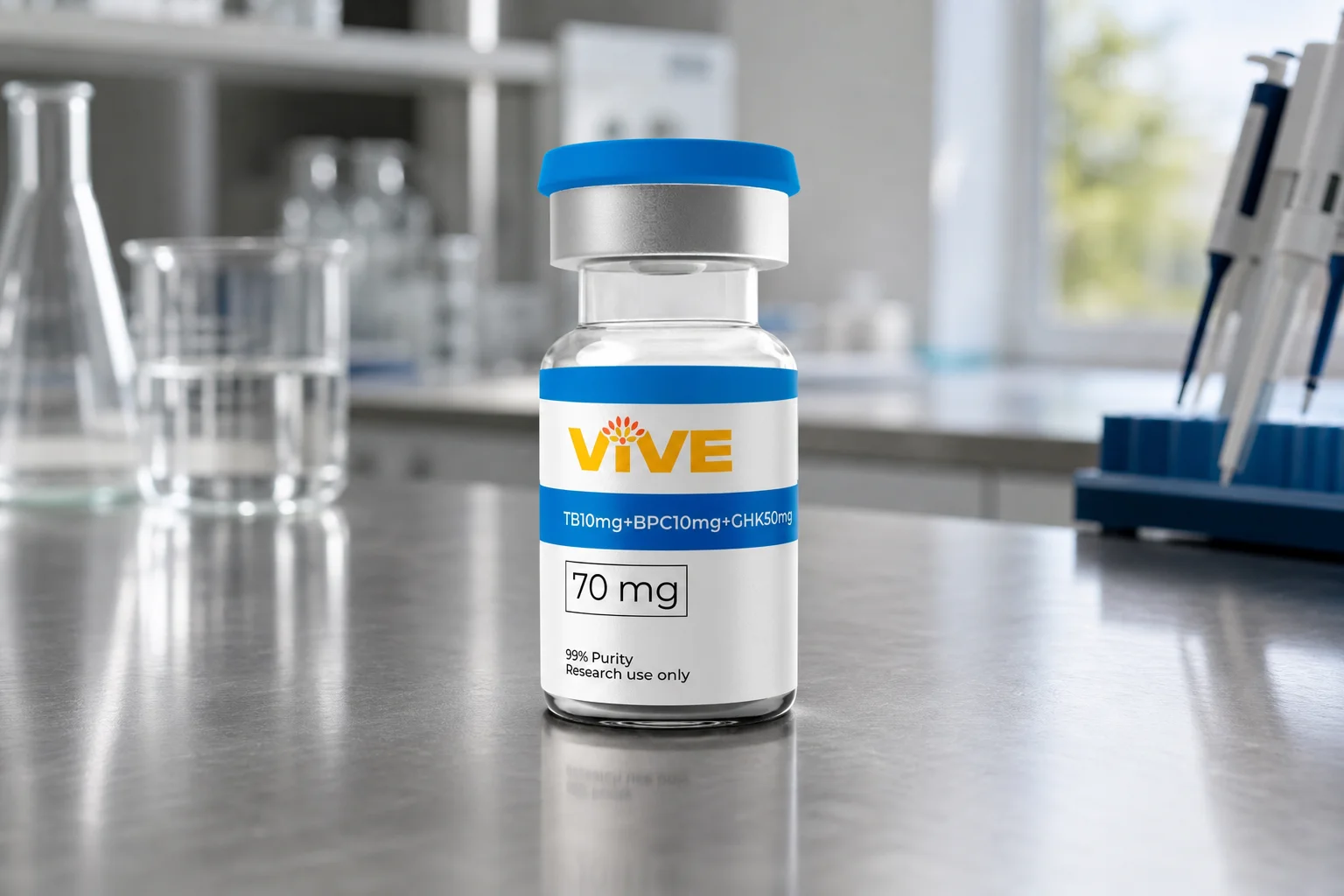
The wolverine stack vs glow blend decision starts with what's actually inside each vial. The Wolverine Stack pairs BPC-157 and TB-500 (thymosin beta-4) into a single vial built around tissue repair research. The Glow Blend starts from that same stack of BPC-157 and TB-500, then adds a third peptide, GHK-Cu copper peptide, for research into skin and connective tissue. In practice the difference is one component: GHK-Cu. Everything else in the combination stays the same, so the two multi vials sit right next to each other on the shelf but answer slightly different research questions. For anyone comparing the two product pages side by side, that single added peptide is the only line item that changes, everything else, including the BPC-157 and TB-500 dosing baked into each vial, stays identical between the two options.
What is Wolverine Stack used for?
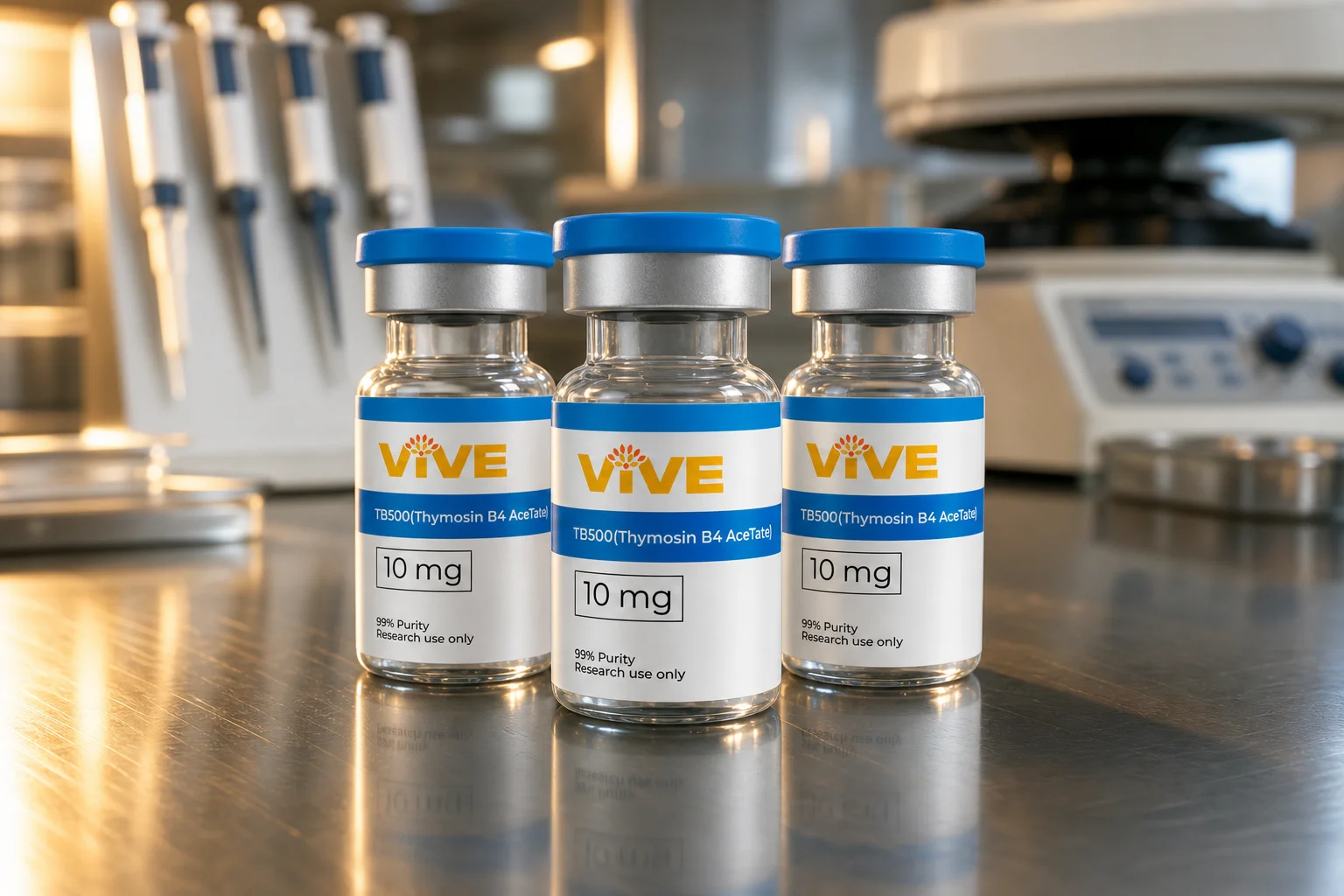
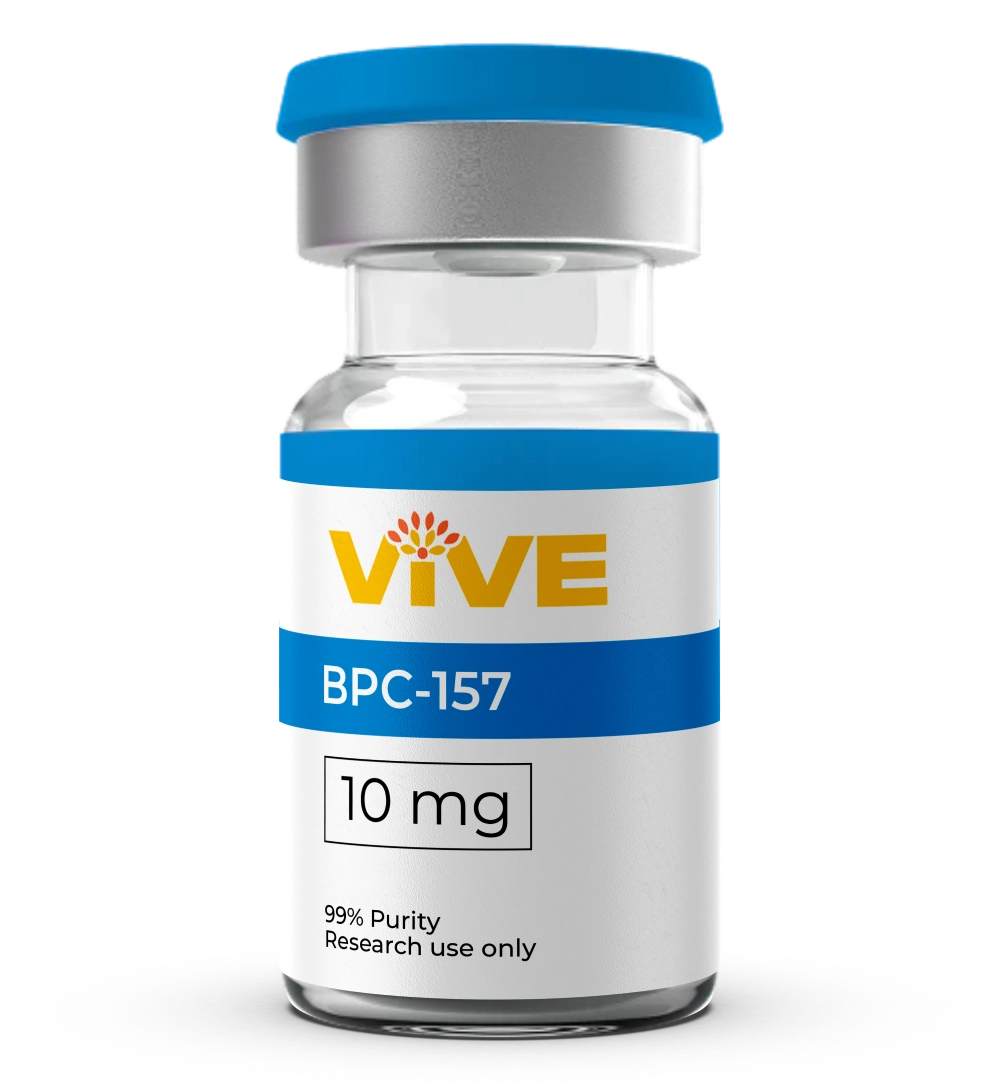
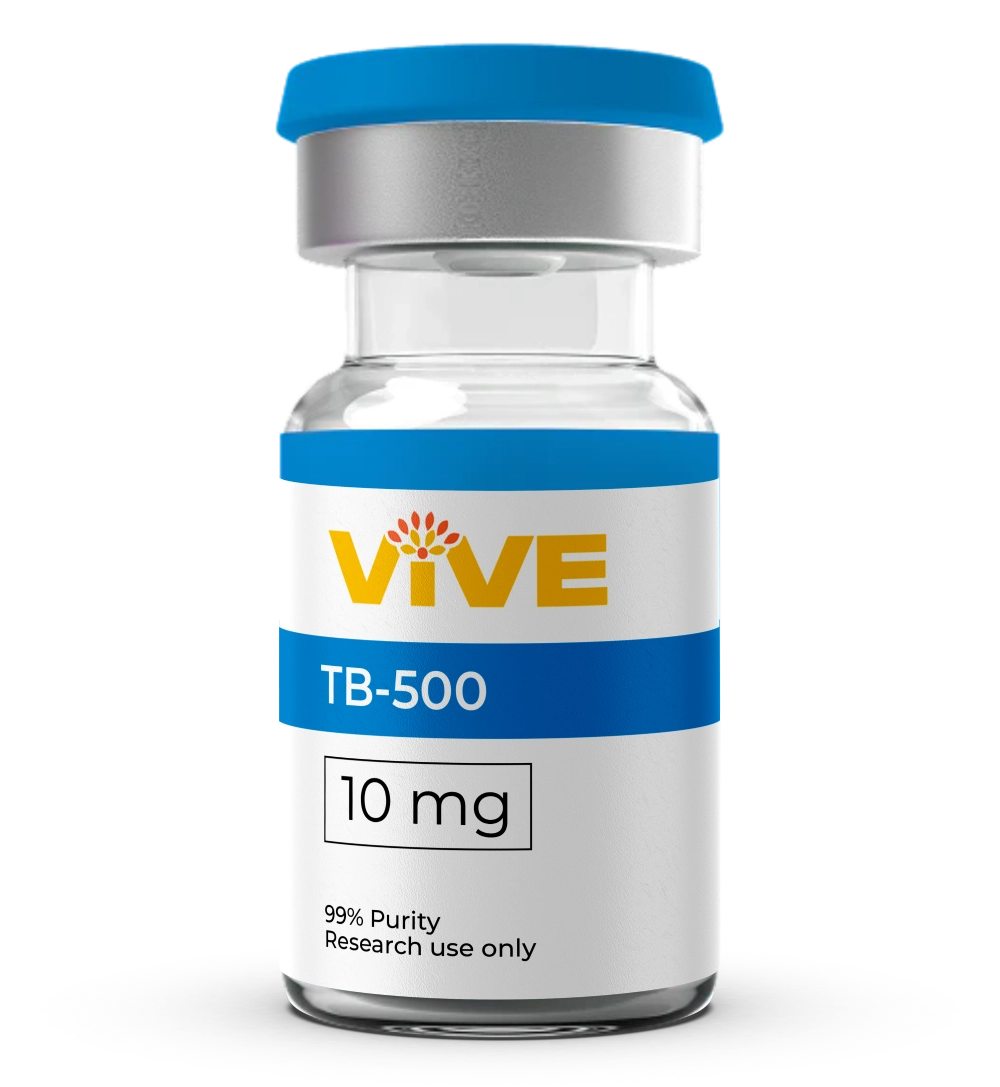
Researchers reach for the Wolverine Stack when a research protocol is centered on tissue repair, tendon recovery, and general wear-and-tear from training. As a two-component peptide stack, it's the leaner of the two options built around BPC-157 and TB-500. Both are short chains of amino acids studied for their role in soft-tissue and gut-lining research, and neither is a growth hormone secretagogue, so the Wolverine Stack sits in a different peptide therapy category than products built to raise growth hormone output. Because BPC-157 and TB-500 have been studied together for years in soft-tissue and recovery research, the Wolverine Stack tends to be the default starting point for researchers building a new tissue-repair protocol before deciding whether a third peptide belongs in the mix. Dosage research on BPC-157 alone has generally used small, precisely measured amounts reconstituted with bacteriostatic water, with the exact concentration adjusted to match a given vial's total peptide content rather than fixed in advance, and storage after mixing follows the same refrigerated approach used across Vive's multi-vials; those same BPC-157 dosing research parameters carry over largely unchanged once it's paired with TB-500 in the Wolverine Stack. Most protocols pair the two peptides at the same injection site over a multi-week research cycle, with results tracked against baseline mobility or recovery markers before the vial runs out.
What is Glow Blend used for?
The Glow Blend takes the same BPC-157 and TB-500 foundation and folds in GHK-Cu, a copper peptide studied for its role in skin structure and collagen signaling at the cellular level. Because that third component leans toward skin and connective tissue research rather than pure recovery, some researchers refer to it informally as the glow stack. A stack that adds GHK-Cu changes what gets measured: skin cells, hair follicle research, and wound-margin studies sit alongside the tendon and gut-lining research it shares with the Wolverine Stack. Some protocols also track hair and nail growth alongside skin markers, since GHK-Cu's copper-peptide mechanism has been studied across several tissue types, not skin alone.
Which Is Better: Wolverine Stack vs Glow Blend?
Neither multi vial is universally better than the other, the right pick depends on what a given research protocol is actually measuring. If the focus is strictly tissue repair and recovery markers, the two-peptide Wolverine Stack keeps the variable set simpler and may be easier to interpret in results. If skin, hair, or connective tissue endpoints are part of the protocol, the Glow Blend's added GHK-Cu component is usually the more relevant combination of compounds. Cost, reconstitution effort, and how many variables a study can reasonably track all factor into that decision as much as the peptide list itself. Researchers who are unsure which fits their study design often start with the Wolverine Stack and add GHK-Cu separately before committing to the pre-mixed blend.
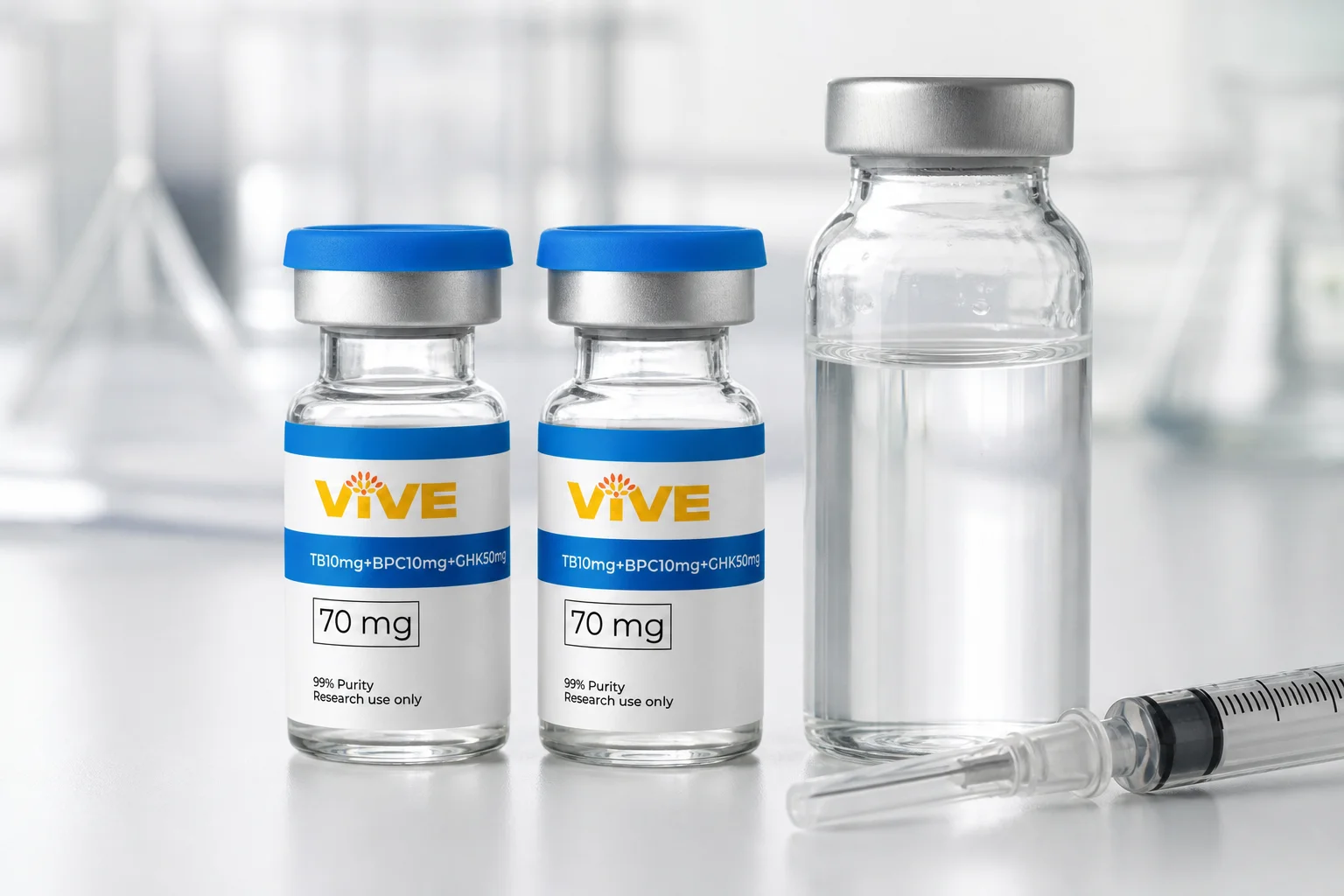
Can You Run Wolverine Stack and Glow Blend at the Same Time?
Running both at once means duplicating BPC-157 and TB-500, since both multi vials already contain that pairing. Most research protocols treat this as redundant rather than additive: stacking the Wolverine Stack on top of the Glow Blend does not double the dose of either shared peptide unless the study design specifically calls for it. A more common approach is to run the Glow Blend on its own when the skin and connective tissue component matters, or switch back to the Wolverine Stack when the research question narrows to tissue repair alone. Researchers who do want three peptides without paying for two overlapping vials usually default to ordering the Glow Blend alone rather than running both multi vials in parallel.
Which One Should You Reorder, Wolverine Stack or Glow Blend?
That's the practical side of the wolverine stack vs glow blend decision: match the vial to the current protocol, not just habit. If the last several weeks of a study tracked tissue repair, tendon, or gut-lining results without any skin-focused component, reordering the Wolverine Stack keeps the protocol consistent. If the study expanded to include skin cells or connective tissue endpoints, the Glow Blend is the more complete option for the next vial. Some researchers also keep both vials on hand and alternate cycles, using the Wolverine Stack for baseline recovery work and reserving the Glow Blend for cycles that specifically call out skin or connective tissue goals. Cost per vial is a secondary factor here, covered in the FAQ below, since most researchers weight the peptide combination itself more heavily than price.
Which Multi Vial Has More Peptides, Wolverine Stack or Glow Blend?
The Glow Blend has more peptides. It combines three components, GHK-Cu, BPC-157, and TB-500, in one vial, while the Wolverine Stack holds two, BPC-157 and TB-500 (thymosin beta-4). That third peptide is the entire difference between the two multi vials, and it's the reason the Glow Blend is positioned for skin and connective tissue research on top of the tissue repair research both share. That extra peptide does not change how either product is reconstituted, it simply adds one more compound to track in the research log.
Frequently Asked Questions
How do Wolverine Stack and Glow Blend compare on price per vial? Price per vial for the Glow Blend usually runs higher than the Wolverine Stack, reflecting the added GHK-Cu component and the extra reconstitution step that comes with a three-peptide blend. Exact pricing changes with promotions and vial size, so check the current cost on each product page rather than relying on a fixed figure. Bundle pricing or subscription options, when available, can also narrow the price-per-vial gap between the two. Most researchers weigh the extra cost against whether their protocol actually needs the skin-focused component before reordering the pricier option.
Is Wolverine Stack the same thing as Glow Blend? No. They share the same BPC-157 and TB-500 foundation, but the Glow Blend adds a third peptide, GHK-Cu, that the Wolverine Stack does not include. That single component is the only structural difference between the two multi vials, though it changes which research questions each one is suited to answer.
Can I switch from Glow Blend to Wolverine Stack? Yes, switching is straightforward since the Wolverine Stack is essentially the Glow Blend minus GHK-Cu. Researchers typically switch when a protocol narrows from skin and connective tissue endpoints back to tissue repair alone, or when cost per vial becomes the deciding factor. Any protocol change should still follow your own study design or a qualified professional's guidance.
How long does one vial of Wolverine Stack or Glow Blend last? How long a vial lasts depends on reconstitution volume, dosing frequency, and the specific research protocol being followed, so there is no single universal timeline for either multi vial. Two multi vials with the same total peptide content will generally last a similar length of time when reconstituted the same way. Check the reconstitution and dosage research on each product page before planning a research cycle around a specific vial.
Do Wolverine Stack and Glow Blend need different reconstitution or storage? Both use similar reconstitution steps with bacteriostatic water, and both should be stored refrigerated after mixing, in line with standard peptide handling guidance. The Glow Blend's extra peptide does not change the reconstitution process, only the volume of bacteriostatic water may need adjusting to reach a comparable concentration. Always follow the specific reconstitution notes on each product page rather than assuming identical ratios.
Ready to Reorder Your Research Peptides?
Whether the next cycle calls for the two-peptide Wolverine Stack or the three-peptide Glow Blend, both are formulated for research use only and ship with the reconstitution details researchers need. Browse the VivePeptides catalog to compare current vial pricing and place your next order.
Research Use Only
All information in this article is intended for educational and research purposes only. VivePeptides products are not intended for human or veterinary use.