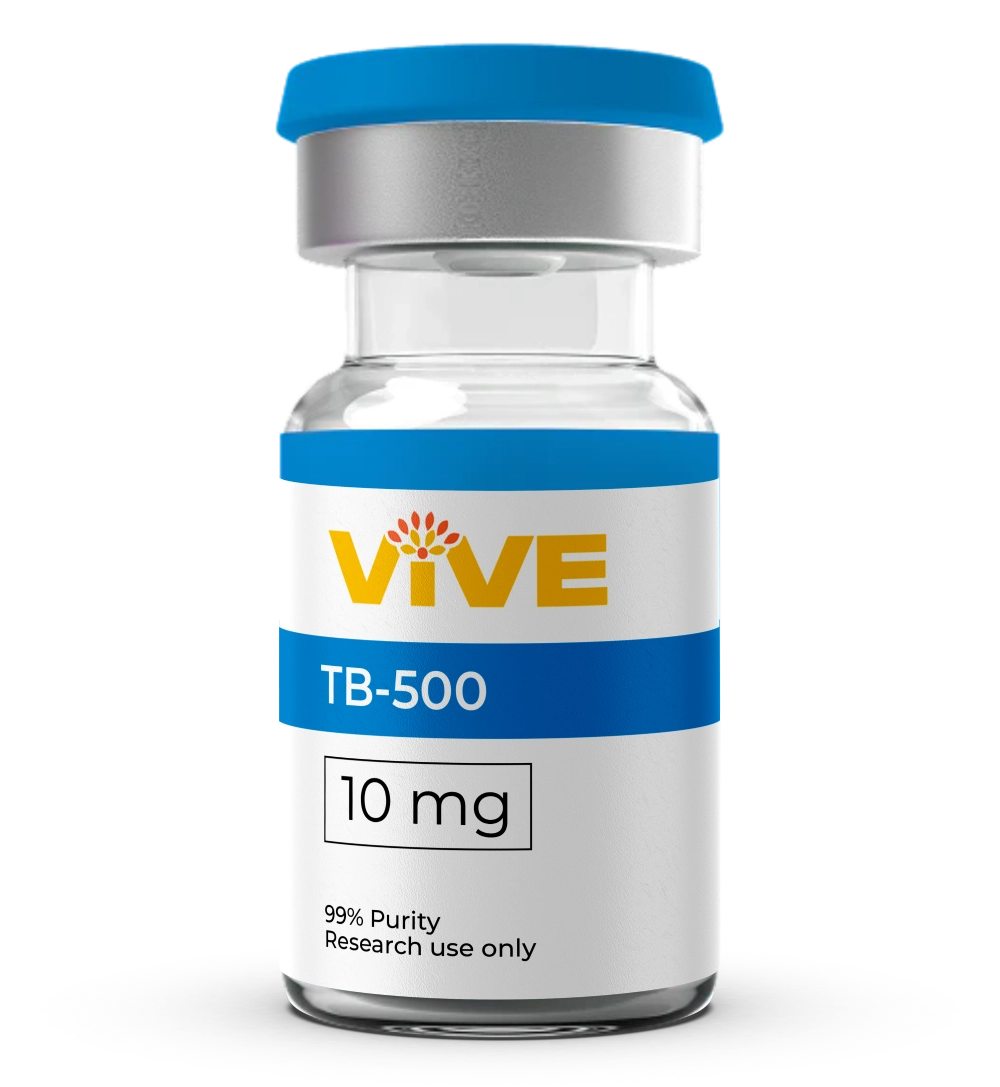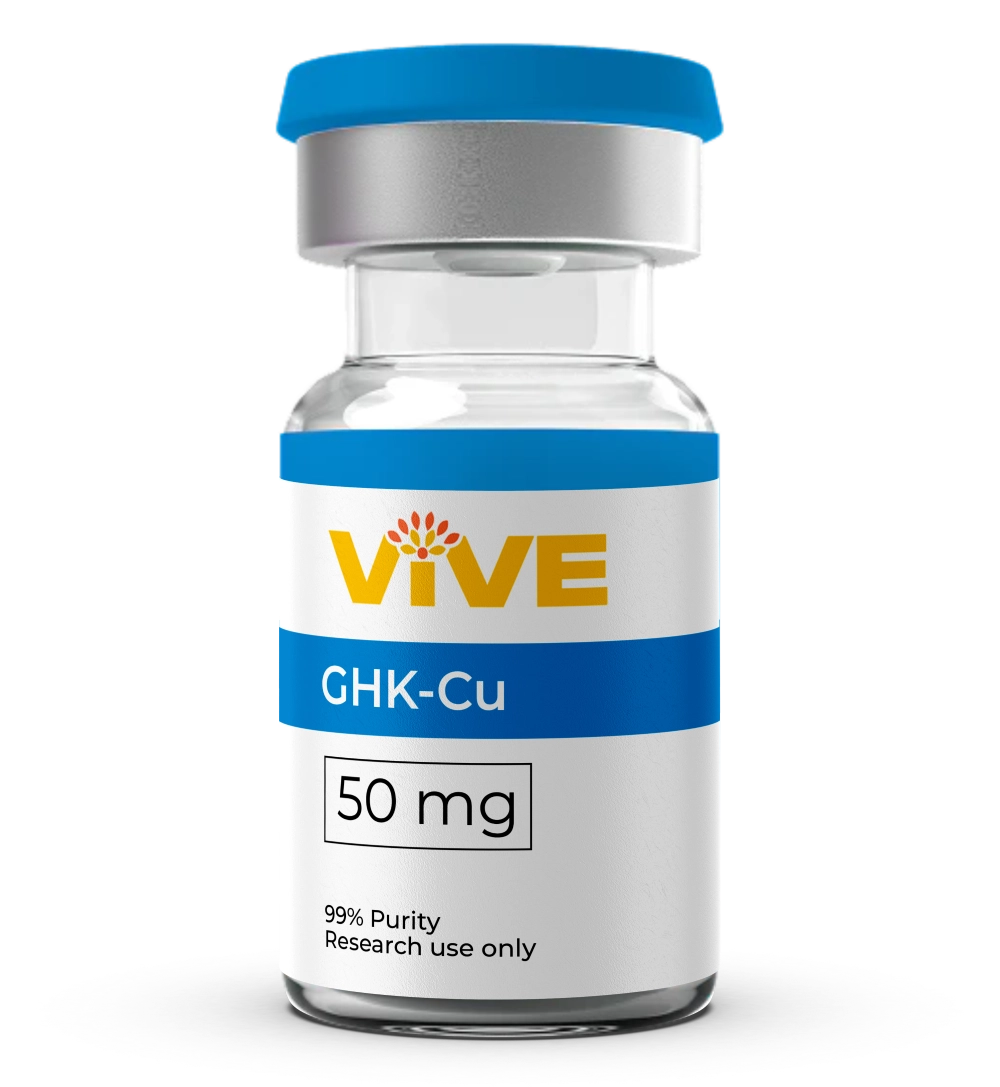
Research Article
TB-500 vs BPC-157 vs Glow Blend: Peptide Comparison
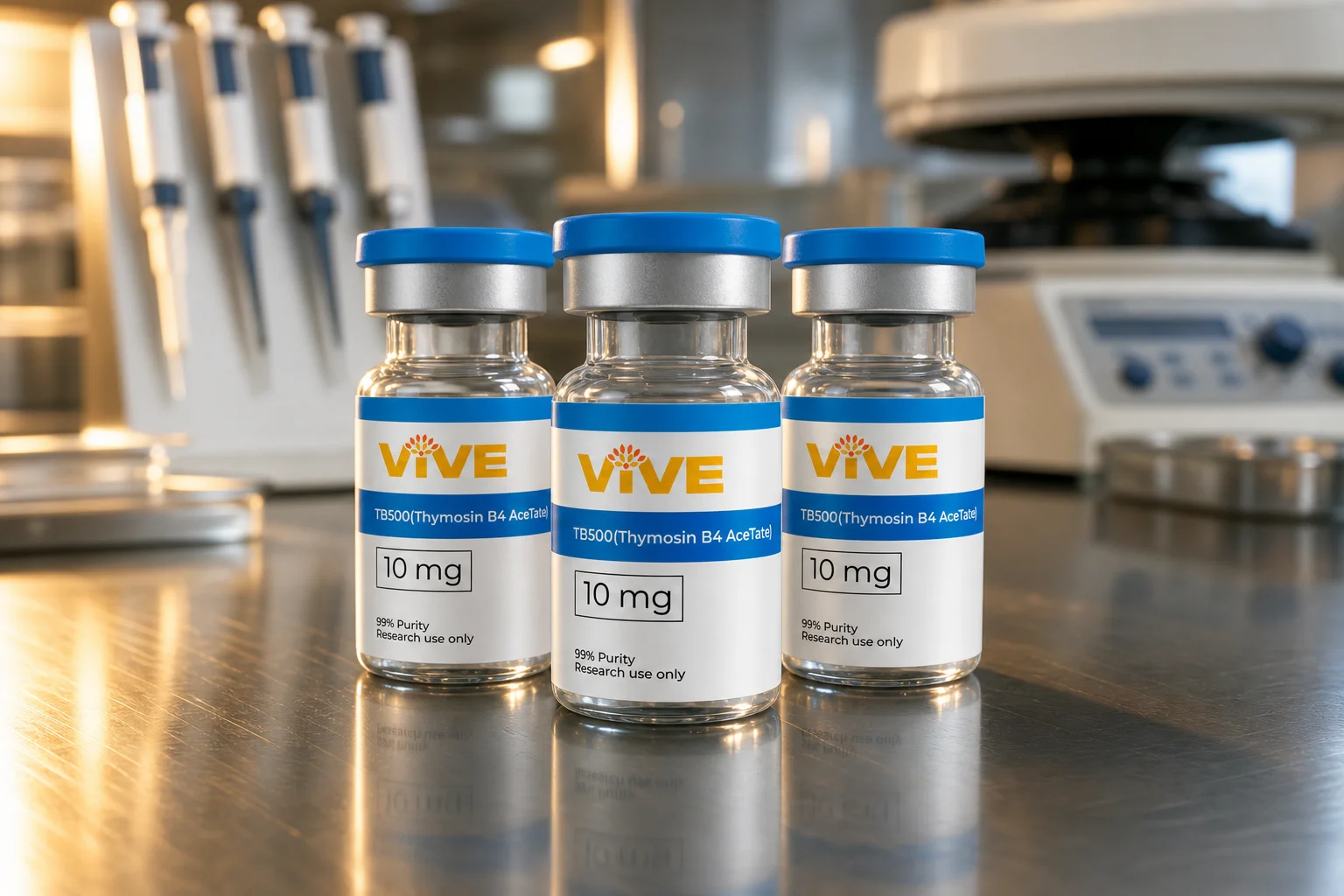
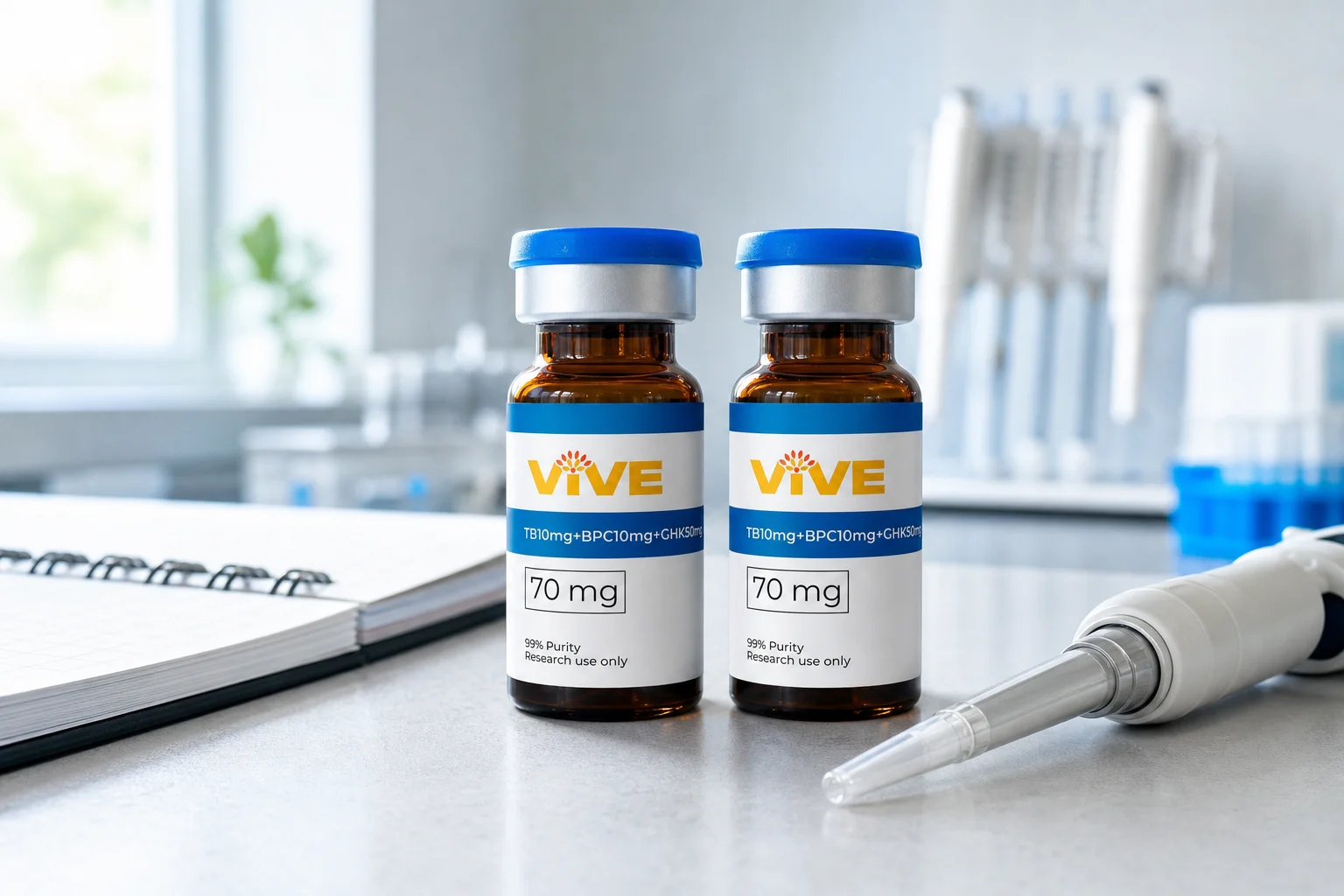
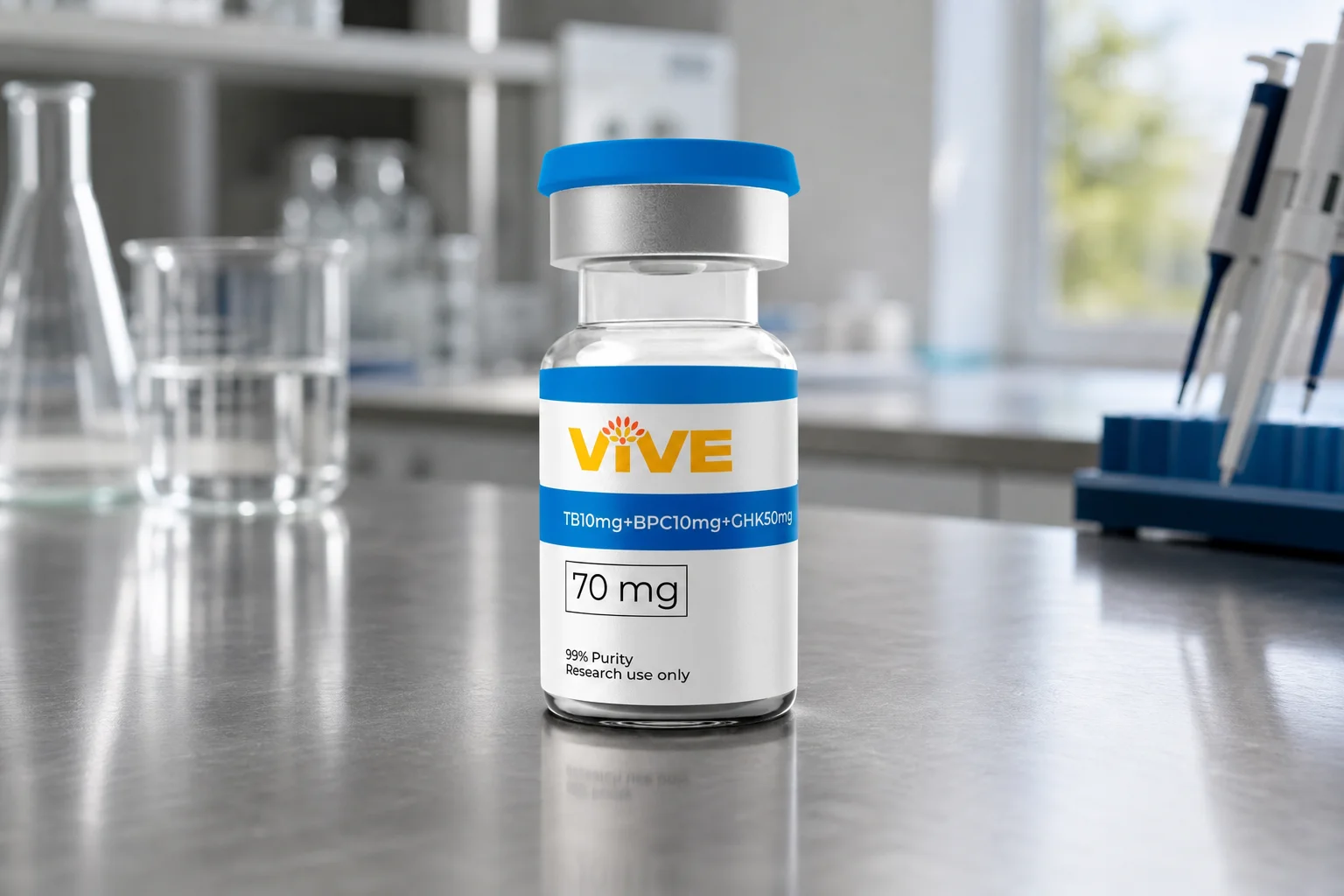
TB-500 vs BPC-157 vs Glow Blend is one of the defining comparisons in peptide therapy research. TB-500 (thymosin beta-4) promotes systemic tissue repair through actin regulation, BPC-157 supports localized healing via nitric oxide pathways, and the Glow Blend (BPC-157 / TB-500 / GHK-Cu) combines both with GHK-Cu for collagen production and comprehensive regenerative coverage.
By Vive Team
How TB-500 vs BPC-157 vs Glow Blend Differ Mechanically
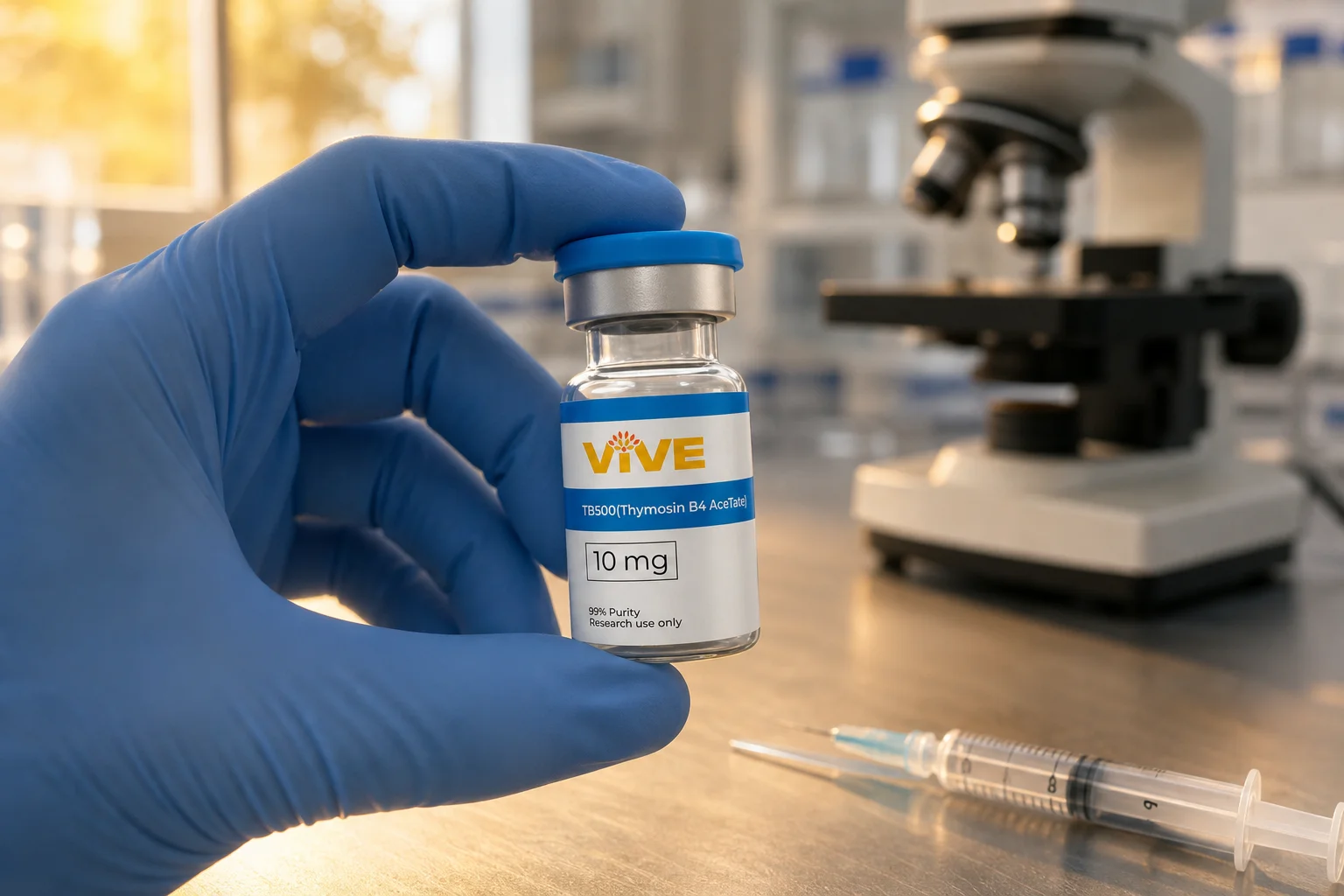
TB-500, the synthetic analog of thymosin beta-4, regulates actin polymerization throughout the body. Actin is a structural protein essential for cell migration, and TB-500 facilitates the movement of repair cells to injured tissue. Research by Philp et al. published in the Annals of the New York Academy of Sciences (2004) identified thymosin beta-4 as a central mediator of wound healing, noting its role in promoting angiogenesis, specifically the formation new blood vessels that supply oxygen and nutrients to damaged tissue.
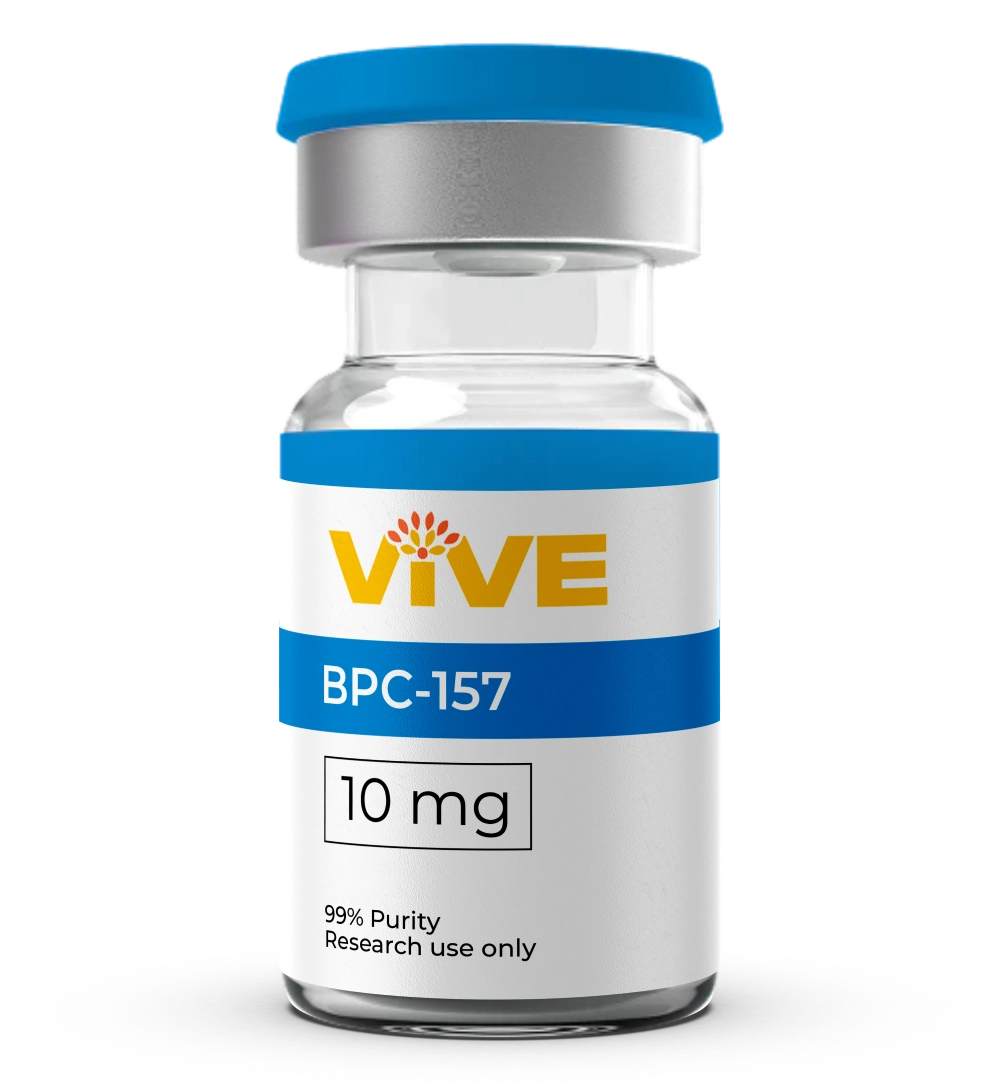
BPC-157, a pentadecapeptide isolated from human gastric juice, acts through distinct but complementary pathways. Work by Sikirić et al. in the Journal of Physiology Paris (2000) demonstrated that BPC-157 upregulates nitric oxide synthesis, stimulates fibroblast proliferation, and accelerates connective tissue repair at tendon-to-bone junctions. The muscle tendon healing data from these rodent trials is especially significant: BPC-157 consistently reduced recovery timelines for Achilles tendon transections in controlled models.
The Glow Blend combines both peptides with GHK-Cu (copper tripeptide-1), creating a multi-target research protocol. For researchers reviewing compound-specific reconstitution and purity data, the BPC-157 product overview includes published study references alongside specification details.
Tissue Repair Pathways: Systemic vs Localized Activity
Understanding where each peptide directs its tissue repair activity is critical for protocol design. TB-500 acts systemically. Its actin-regulatory and angiogenic effects distribute broadly across skeletal muscle, cardiac tissue, and connective tissue compartments throughout the body. BPC-157 demonstrates more localized activity, with the strongest published data in gastrointestinal healing, tendon repair, and bone-to-tendon interface recovery models.
In connective tissue research, both peptides have been shown to upregulate growth factors including VEGF and EGF through separate signaling cascades. This mechanistic divergence is one reason researchers studying regenerative medicine applications increasingly explore blended protocols: each compound may reinforce the other's pathway without direct competition.
GHK-Cu contributes a third distinct mechanism to the blend: targeted collagen production. Research by Pickart and Margolina published in Biomolecules (2018) confirmed GHK-Cu stimulates collagen synthesis, modulates matrix metalloproteinases, and promotes wound contraction through copper-dependent enzymatic pathways. When layered with BPC-157 and TB-500, the proposed repair cascade is: TB-500 enables cell migration and angiogenesis, BPC-157 initiates connective tissue matrix repair at the injury site, and GHK-Cu drives collagen deposition and surface remodeling.
The Glow Peptide Blend: What Multi-Compound Research Adds
The glow peptide approach reflects a growing direction in peptide therapy: addressing complex tissue repair as a multi-pathway problem rather than a single-target one. Blended formulations cover angiogenesis, fibroblast proliferation, and collagen production within a single protocol.
Published data on BPC- TB- combinations is limited compared to individual compound studies, but the mechanistic rationale is well-grounded. TB-500's systemic angiogenic activity may expand the vascular supply available for BPC-157's localized fibroblast-stimulating effects. GHK-Cu, acting at the extracellular matrix level, then supports the formation new collagen cross-links that give repaired tissue its structural integrity.
For researchers exploring how TB-500 and BPC-157 compare when used independently before committing to a blended protocol, the BPC-157 vs TB-500 research breakdown covers the comparative published literature in detail.
Connective Tissue and Collagen Production Across All Three Compounds
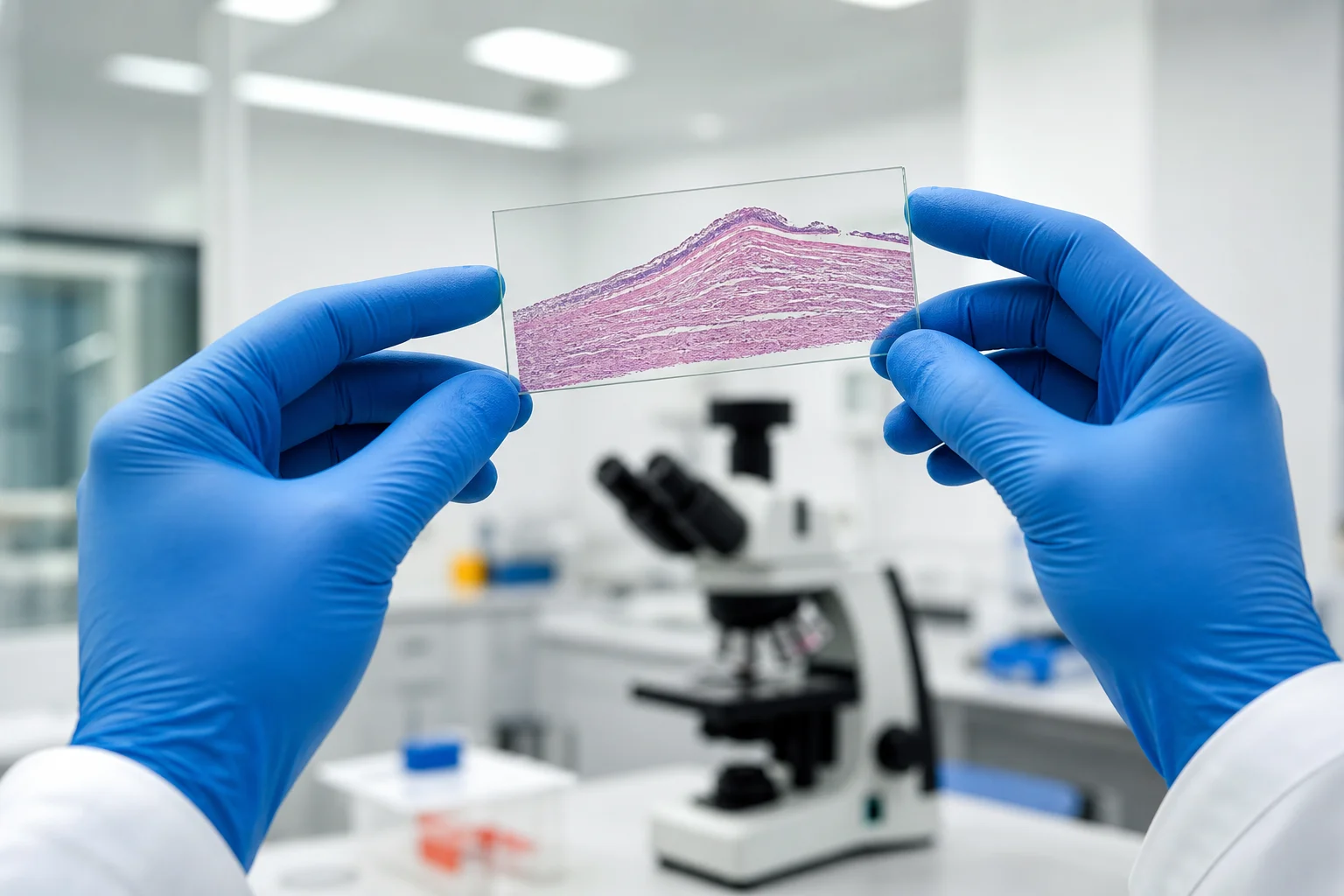
Connective tissue applications represent one of the most studied areas across all three compounds. BPC-157 and TB-500 each have published data in muscle tendon repair, ligament healing, and cartilage regeneration models. GHK-Cu extends coverage into dermal and epidermal connective tissue, with specific research in skin barrier function, elastin regulation, and anti-fibrotic signaling.
The formation new connective tissue fibers has been documented as an outcome in preclinical studies for each compound individually. In blended protocols, the hypothesis is that BPC- TB- activity in deeper musculoskeletal layers complements GHK-Cu's dermal action, producing a multi-depth repair environment relevant to both injury recovery and tissue remodeling research.
Collagen production is the most clearly documented outcome for GHK-Cu in this trio. Pickart and Margolina (2018) identified GHK-Cu as a potent stimulator of type I and type III collagen synthesis and noted that GHK-Cu suppresses TGF-beta-driven fibrosis, a finding relevant to researchers studying whether matrix produced during BPC-157- and TB-500-driven repair is structurally ordered or prone to excessive scar formation.
For a deeper mechanistic comparison of BPC-157 and GHK-Cu studied independently, our deep dive on BPC-157 vs GHK-Cu reviews the published data in detail.
Documented Side Effects and Safety Profiles in Preclinical Research
Any rigorous review of tb-500 vs bpc-157 vs glow blend must address the side effects data from preclinical literature. Both TB-500 and BPC-157 have been studied almost exclusively in rodent models. Human clinical data is limited, and neither compound holds FDA approval for therapeutic use. All research is conducted under research-use-only conditions in controlled settings.
In preclinical trials, TB-500 has shown a relatively clean side effects profile at standard research doses. Short-duration animal studies have not reported significant hepatic or renal toxicity. BPC-157 studies have similarly noted minimal adverse events in animal models, though some protocols have documented mild gastrointestinal sensitivity at higher dose ranges.
Blended formulations introduce compounding variables. When three active compounds are administered together, attributing specific side effects to any single agent becomes methodologically complex. Researchers building combination protocols should review individual tolerability data before proceeding. Best Peptide Stacks for Research: Synergistic Combinations That Work Together covers compound pairing logic and known interaction considerations in detail.
GHK-Cu has demonstrated a favorable tolerability profile in both topical and systemic research applications. Pickart and Margolina (2018) noted no significant adverse events in reported applications, with the primary consideration being systemic copper balance at high concentrations.
For dose range context relevant to single-compound controls in blend studies, BPC-157 Dosage in Research: What Published Studies Use documents the ranges applied across the published BPC-157 literature.
Frequently Asked Questions
Is the Glow Blend a better choice than TB-500 or BPC-157 alone for tissue repair research?
Whether a blend outperforms single compounds depends on the research question. Blended protocols like the Glow Blend address tissue repair, connective tissue remodeling, and collagen production simultaneously. Single-compound designs allow cleaner attribution of observed effects. There is no published head-to-head human clinical data comparing blended versus individual peptide therapy approaches for the same tissue repair indication.
What is the core mechanistic difference between TB-500 and BPC-157?
TB-500 primarily regulates actin polymerization and promotes systemic cell migration and angiogenesis across multiple tissue types. BPC-157 works through nitric oxide signaling and fibroblast proliferation, with the strongest published data in muscle tendon and connective tissue injury models. Both support tissue repair through distinct molecular pathways with different anatomical distributions.
Does GHK-Cu add meaningful research scope to a BPC-157 and TB-500 blend?
Yes. GHK-Cu adds collagen production activity and anti-fibrotic signaling that BPC-157 and TB-500 do not directly target. In the blend context, BPC-157 and TB-500 activity in deeper musculoskeletal tissue is complemented by GHK-Cu's dermal and extracellular matrix effects, extending the blend's relevance to skin regeneration and surface-level connective tissue remodeling research.
What does research-use-only designation mean for these peptide therapy compounds?
Research-use-only means peptide therapy compounds like TB-500, BPC-157, and GHK-Cu have not received FDA approval for therapeutic use in humans. All published data referenced in this article derives from animal models or in vitro studies. These compounds are available for controlled preclinical research purposes only.
Are there published studies directly comparing TB-500 and BPC-157 in the same experimental model?
Direct head-to-head comparative trials remain limited. Most published data examines each peptide independently in separate injury models. The available mechanistic comparison data shows divergent actin-regulatory and nitric oxide pathways targeting different aspects of tissue repair, with limited overlap in published study populations.
Start Your Recovery Peptide Research with the Right Compound
Choosing between tb-500 vs bpc-157 vs glow blend is ultimately a question of research scope: localized connective tissue and muscle tendon repair, systemic tissue repair and angiogenesis, or a layered regenerative medicine approach that incorporates collagen production across multiple tissue depths. Browse the research-grade peptide catalog to review purity documentation, reconstitution data, and vial specifications for all three compounds.
Research Use Only
All information in this article is intended for educational and research purposes only. VivePeptides products are not intended for human or veterinary use.