Research Article
Mass Spectrometry for Peptide Identity Verification

Mass spectrometry for peptide identity verification is the analytical standard research buyers rely on to confirm that a vial actually contains the peptide printed on its label. Before selecting a compound from the research-grade peptide catalog, understanding how this method distinguishes true peptide identity from a structurally similar impostor is essential groundwork for any research protocol.
By Vive Team
Why Peptide Identity Verification Matters for Research Buyers
Research peptides move through complex synthesis and purification steps before they reach a lab bench, and each step introduces an opportunity for the wrong sequence, a truncated fragment, or a completely different compound to end up in the vial. A label alone cannot confirm what a sample actually contains. That is why mass spectrometry for peptide identity verification has become the baseline expectation among serious research buyers, not an optional extra.
Identity confirmation matters because downstream data is only as good as the material that produced it. A peptide that differs from its stated amino acid sequence by even one residue can behave differently in an assay, skewing results in ways that are difficult to trace back to their source. For anyone running comparative studies, the quality of raw material is the first variable that needs to be controlled, and testing method choice determines how confidently that variable can be ruled out.
Reputable suppliers submit every production batch, not just a rotating few, to third-party laboratories that specialize in peptide testing. The resulting documentation should tie a specific sample directly to a specific vial lot, so a research buyer can trace any anomaly back to a known reference point.
Mass Spectrometry for Peptide Identity Verification in Practice
A mass spectrometer works by ionizing a small amount of a sample and measuring the mass-to-charge ratio of the resulting fragments. The instrument then compares the observed molecular weight against the theoretical molecular weight calculated from the peptide's known amino acid sequence. When the two figures align within an accepted margin, the result supports the conclusion that the sample matches its intended target peptide.
This is the core of peptide identification: mass spectrometry does not simply confirm that a peptide is present, it confirms which peptide is present. A structurally similar compound, a peptide missing a terminal amino acid, or a degraded sample will typically produce a mass spectrum that does not match the theoretical value, which is exactly the kind of discrepancy this analytical method is designed to catch.
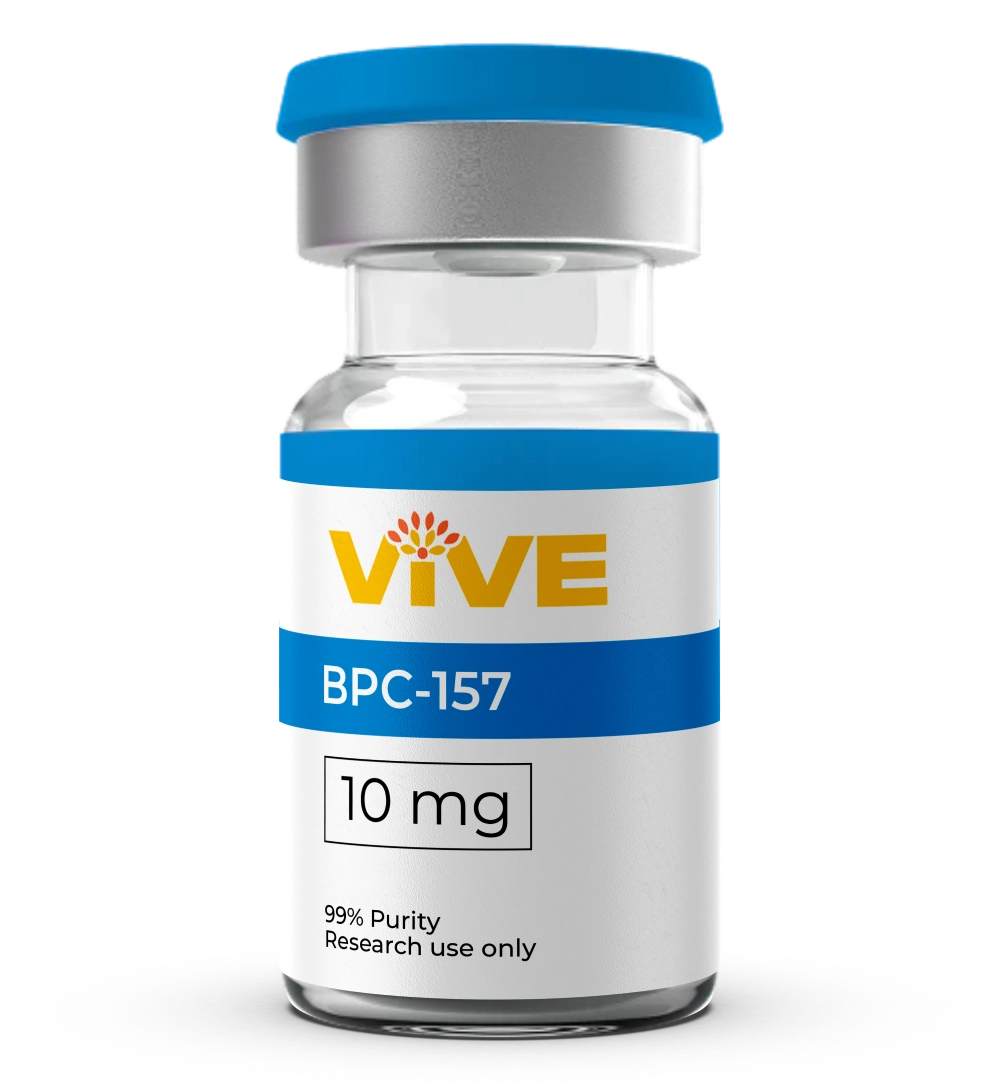
For a peptide like BPC-157 in published studies, where sequence accuracy directly affects how a compound performs in a research setting, this step is not optional. It is the primary safeguard between an assumed identity and a confirmed one.
Liquid Chromatography Pairs With Mass Spectrometry for Full Verification
Mass spectrometry answers the identity question, but it works best alongside liquid chromatography, which physically separates a sample into its component parts before they reach the detector. High performance liquid chromatography, commonly abbreviated HPLC, pushes a sample through a column that retains different molecules for different lengths of time, producing a chromatogram where a pure peptide should appear as a single dominant peak.
HPLC purity data and mass spectrometry data answer two different questions that a research buyer needs answered together. HPLC purity tells you how much of the sample is the target peptide versus leftover synthesis byproducts or degradation products. Mass spectrometry tells you that the dominant peak is, in fact, the correct peptide and not simply the most abundant impurity. Differences between suppliers often become obvious at this exact point, since a supplier that skips one of these two methods is leaving a real gap in the evidence chain.
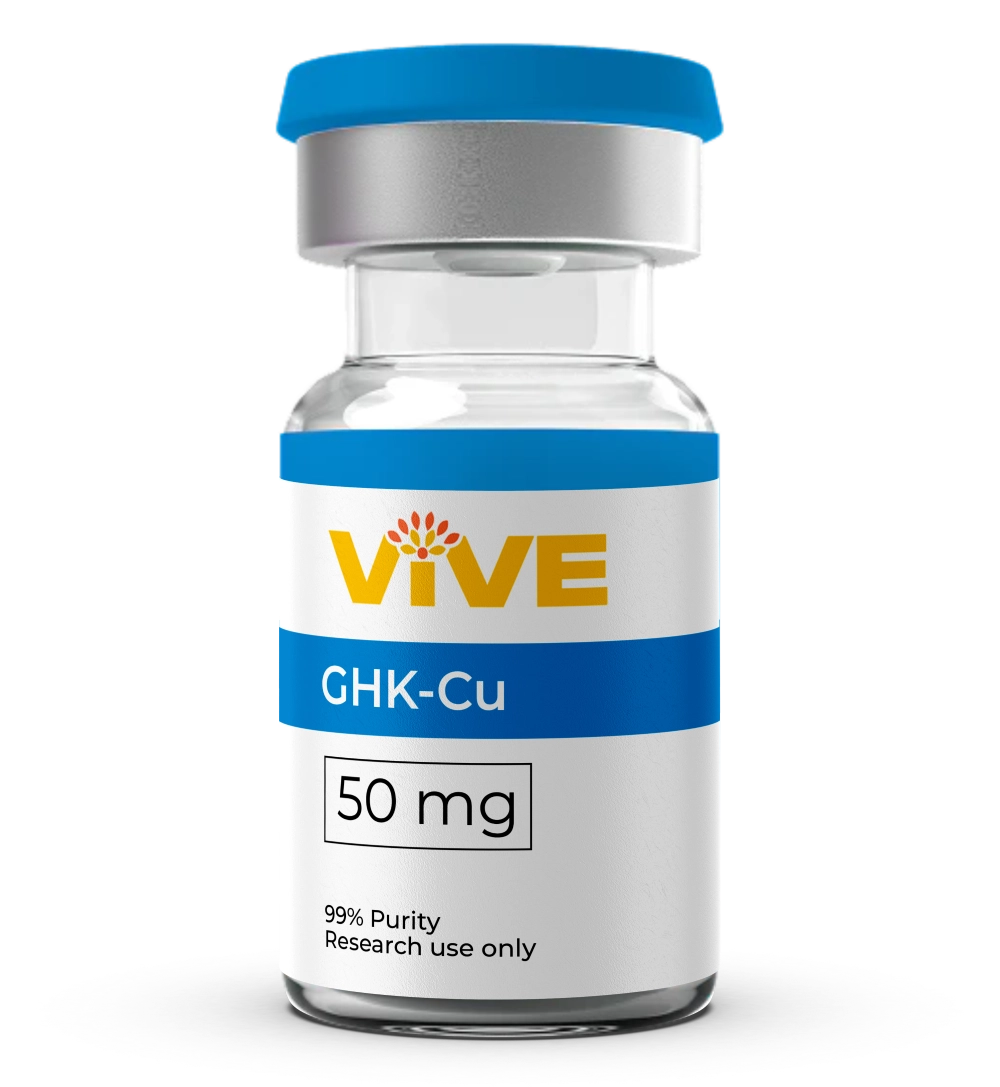
Copper-binding peptides add another layer of nuance here: copper coordination can shift an observed mass slightly relative to the unbound peptide, which is exactly the kind of detail a thorough mass spectrometry report should account for rather than flag as an unexplained discrepancy. That mass shift is explored further in GHK-Cu copper peptide research.

What a Real Certificate of Analysis Should Show
A certificate of analysis, or COA, is the document format that should carry the mass spectrometry for peptide identity verification results and the HPLC purity results together. A COA that only lists a purity percentage without any mass spectrometry data confirms less than it appears to. The number might be accurate, but it says nothing about which molecule was actually measured.
A complete COA typically includes the lot number tied to that specific vial, the analytical method used, the observed molecular weight compared against the theoretical value, the HPLC purity percentage compared against an internal or industry standard, and the name of the lab that performed the work. Several independent peptide testing labs operate in Massachusetts and other states with strong analytical chemistry infrastructure, and a supplier working with an accredited, named lab is a stronger signal than one that only claims third-party tested without naming who did the testing or sharing the report itself.
This same documentation standard applies across combination products as well. Identity confirmation becomes even more important when multiple peptides are combined in a single vial, since a mass spectrometer needs to resolve each component separately rather than reporting one blended signal, a distinction covered further in BPC-157 and GHK combination research.
Choosing a Peptide Supplier That Publishes Real Testing Data
Not every supplier makes COAs easy to find, and some publish generic testing summaries that never change between production batches, which defeats the purpose of lot-specific verification. When evaluating a peptide source, look for batch-specific documentation, a named analytical lab, and both mass spectrometry and liquid chromatography data presented together rather than a single purity number.
It also helps to understand how peptides behave in combination, since research buyers frequently work with more than one compound at a time. Sequencing and pairing choices affect how compounds perform together in a research setting, and the same identity verification standard applies to every peptide in a protocol, not just the primary compound.
Quality control at the supplier level is what makes any of this data trustworthy in the first place. A lab report is only as reliable as the chain of custody between the tested sample and the vial that ships to a research buyer, which is why sequential lot tracking matters as much as the testing method itself.
Frequently Asked Questions
What does mass spectrometry actually confirm about a peptide? A mass spectrometer measures the mass-to-charge ratio of ionized fragments from a sample and compares the resulting molecular weight against the theoretical value calculated from the peptide's amino acid sequence. When the two align, it supports peptide identification, confirming which specific peptide is present rather than simply confirming that some protein-like material exists in the vial.
Why isn't HPLC purity enough on its own? HPLC purity shows how much of a sample is a single dominant compound relative to byproducts, but it does not confirm what that compound is. Liquid chromatography and mass spectrometry answer different questions, and a complete COA should present both, since a high purity reading can still describe the wrong peptide if mass data is missing.
What should a complete certificate of analysis include? A complete COA lists the lot number, the analytical method used, the observed molecular weight compared against the theoretical value, HPLC purity against a reference standard, and the name of the testing lab. A COA missing any of these fields confirms less than a research buyer typically assumes it does.
Does combining peptides make identity verification harder? Yes. Blended vials require a mass spectrometer to resolve each component separately rather than reporting a single signal, so batch documentation for combination products should show identity confirmation for every peptide in the mix, not just an overall purity percentage for the vial as a whole.
How can a research buyer spot a weak testing claim? A weak claim mentions third-party tested without naming the lab, sharing the report, or providing lot-specific data. A stronger claim names an accredited analytical lab, provides a dated COA tied to a specific batch, and includes both mass spectrometry and liquid chromatography results a buyer can review directly.
Verify Before You Research: Browse VivePeptides Testing Data
Review the batch-specific mass spectrometry and HPLC data behind every listing in the Shop research peptides selection before you order.
Research Use Only
All information in this article is intended for educational and research purposes only. VivePeptides products are not intended for human or veterinary use.