Research Article
Single Supplier vs Multiple Suppliers for Peptide Reorders

Single supplier vs multiple suppliers is a procurement question every lab faces once a research peptide enters a study. One supplier simplifies batch tracking and peptide COA records; several suppliers add resilience against supply chain disruptions. For most labs reordering a validated material, a primary supplier plus one vetted backup works best.
By VivePeptides Team
- Batch consistency: one supplier keeps a single production history; multiple suppliers add lot-to-lot and manufacturer variation.
- Documentation: one supplier means one certificate of analysis format to file; several formats need normalizing.
- Resilience: one supplier concentrates risk; multiple suppliers spread it across the supply chain.
- Price: a single supplier offers familiarity; multiple suppliers allow comparison shopping.
- Effort: one supplier needs light supplier management; several need qualification and tracking each.
Single Sourcing: What It Is and When One Supplier Fits
What is single sourcing in procurement?
Single sourcing is a procurement strategy in which a buyer deliberately orders an item from one supplier even though other vendors could provide it. Sole sourcing is different: only one supplier exists. For research peptides, single sourcing is a choice, so a lab can reverse it whenever the supplier stops meeting its criteria.
What are the benefits of using a single supplier for repeat peptide orders?
A single supplier gives a lab one production history to trace. When a lot performs well in an assay, the next order comes from the same manufacturer against the same specification, so a shift in results is easier to attribute.
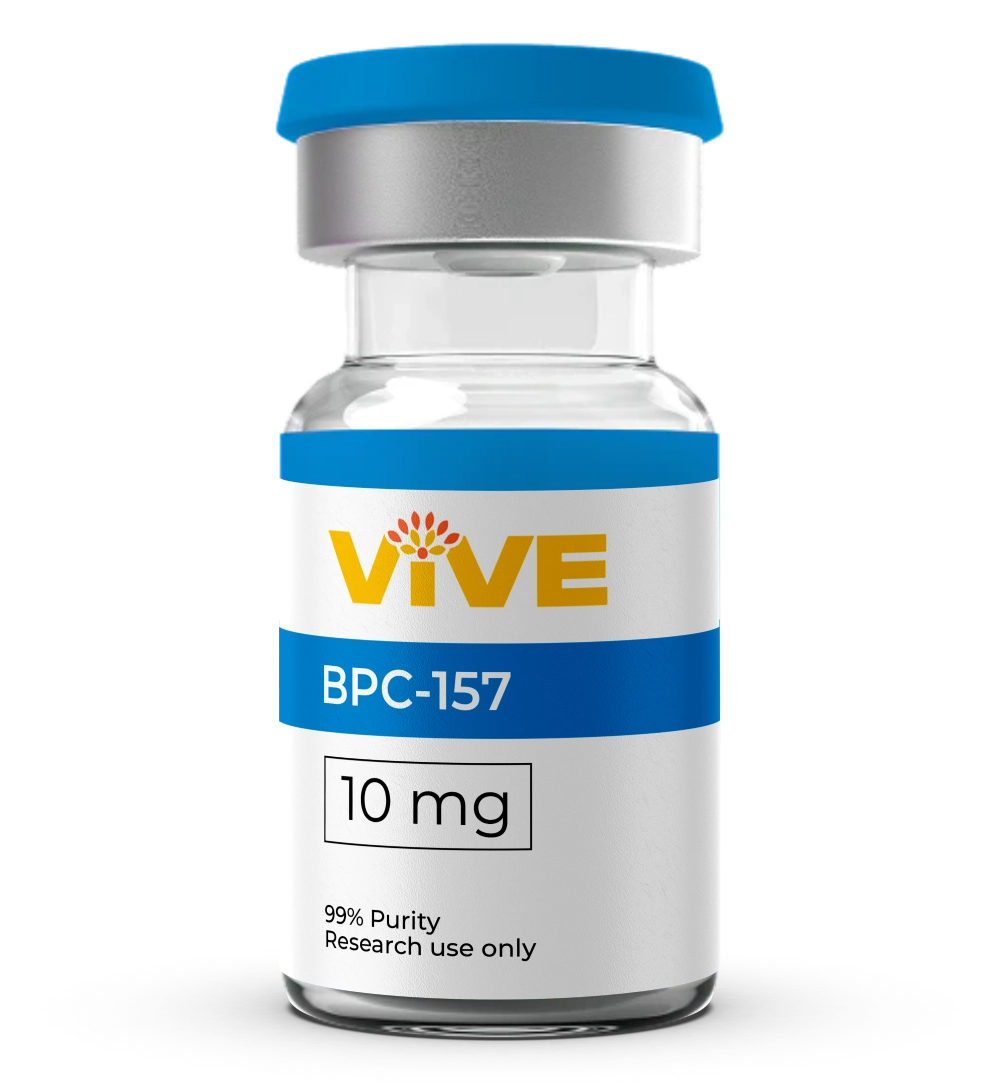
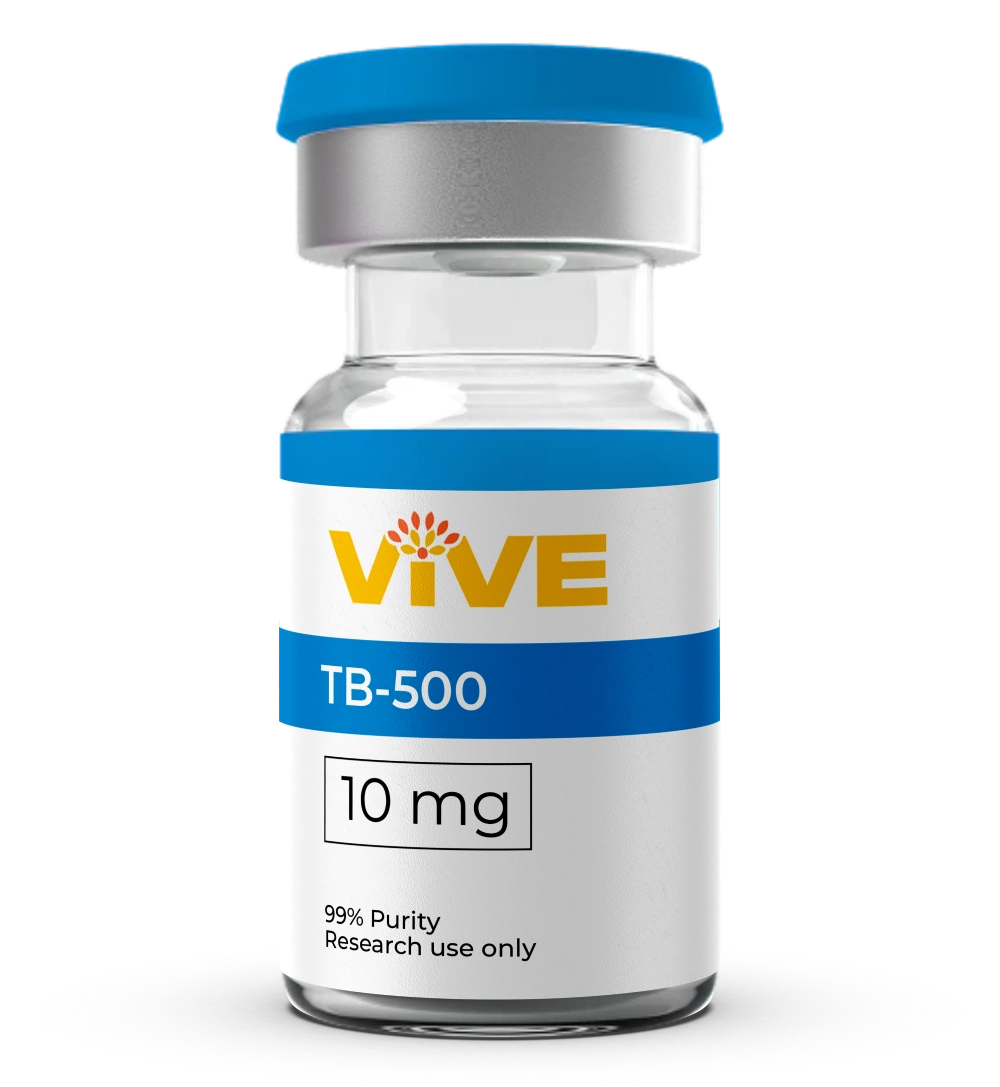
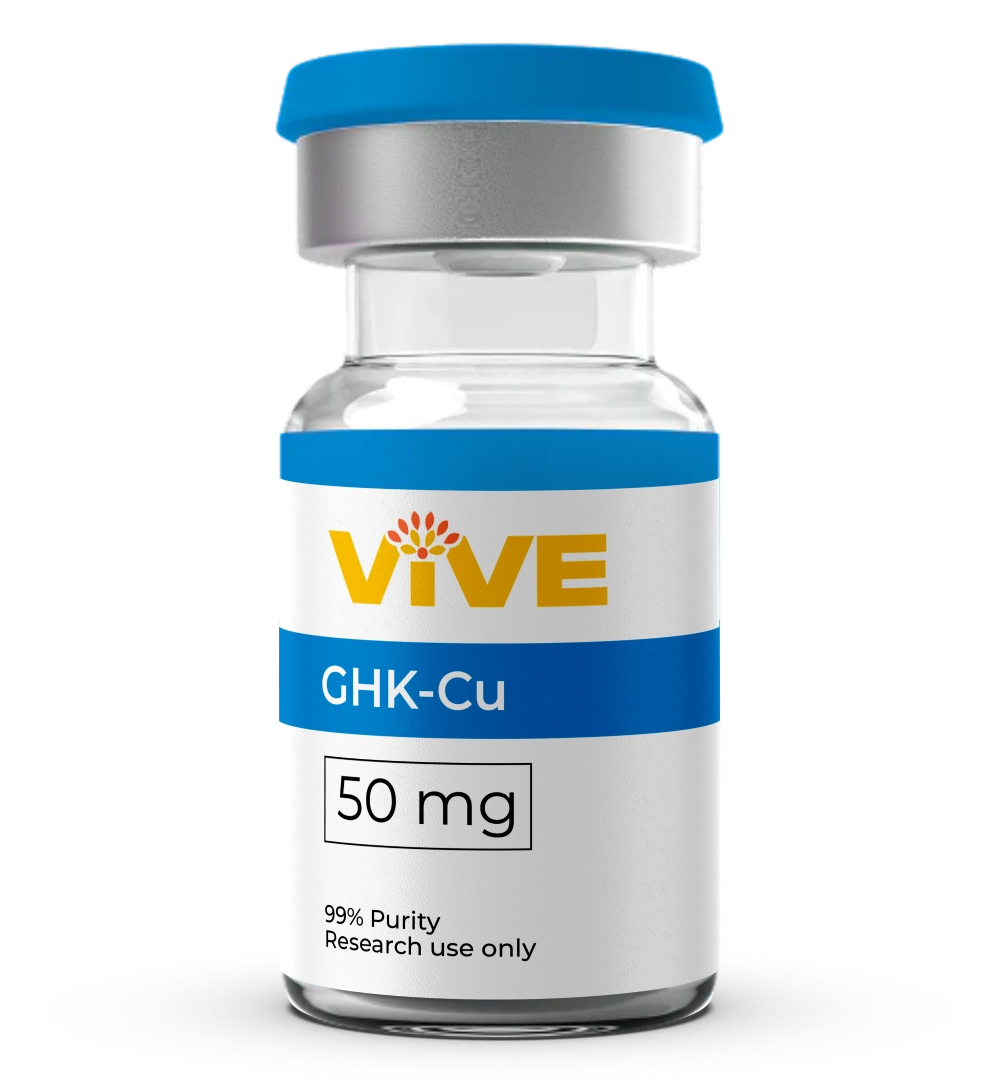
Documentation stays uniform too. Vive product pages carry a technical profile that lists HPLC (high-performance liquid chromatography) purity of 99% or higher and storage conditions, and each page shows a USA Made badge. Vive lists 25 research SKUs, so a lab standardizing on one supplier can cover several materials from the research-grade peptide catalog without splitting orders. Every material is for research use only.
What are the downsides of relying on one supplier?
Dependency is the main cost. That dependency makes one supplier a single point of failure: a stock-out, a production delay or a carrier problem can stall a study with no alternative already qualified. Supply chain disruptions at a single vendor reach the whole lab at once. Single sourcing also weakens negotiating leverage.
Best suited to: labs running one validated protocol over months, where consistency outweighs diversification.
What Are the Advantages of Buying From Multiple Suppliers?
Multiple sourcing spreads procurement across several vendors. Dual sourcing, with exactly two, is the common version. The advantages of this approach are practical. Resilience comes first: if one supplier runs out of stock, the second keeps work moving. Diversification also restores leverage, because quotes can be compared and terms negotiated. Testing the same material from two sources can even show whether a result depends on the lot rather than the peptide.
What are the disadvantages of multiple sourcing?
The cost is complexity. Each added vendor needs its own qualification, paperwork file and supplier performance record. Variation between manufacturers also impacts assay baselines, so a mixed supply makes it harder to separate a real finding from a sourcing artifact.
Best suited to: early-stage screening, time-sensitive programs where a stock-out is costly, and labs with staff time for supplier management.

Batch Consistency, Testing Records, Pricing and Shipping Compared
How do batch consistency and testing records compare between a single supplier and multiple suppliers?
With one supplier, the lab files certificates of analysis (COAs, batch reports of purity and identity, usually from HPLC and mass spectrometry) in one format and can line up lot after lot. With multiple suppliers, each COA may use different methods, units and layouts, so the lab must normalize them before any comparison means something. Vive describes third-party testing in USA labs. Under either approach, a lab should file each COA by lot and record which lot ran in which experiment.
Can switching suppliers affect the consistency of research results?
Yes. Synthesis route, purification method, salt form and residual solvents can differ between manufacturers, and some differences, such as leftover trifluoroacetic acid (TFA) from purification, are known to affect certain cell-based assays. A supplier change therefore adds a variable that impacts interpretation and can be mistaken for a biological result. A bridge test avoids that: run the outgoing and incoming lots side by side before the new material enters the main protocol.
How do pricing, shipping and reorder convenience compare when a lab sticks with one supplier or shops around?
Shopping around means separate checkouts, carriers and lead times for each vendor. One supplier consolidates all three. Vive lists Free Shipping in its announcement bar and describes shipping as fast, discreet and securely packaged. Comparison shopping can lower a line item, but staff time and extra shipments tend to absorb the gain.
Does buying from a single supplier lower the price of repeat orders?
Not automatically. Across the industry, some suppliers offer tiered pricing for larger orders or negotiated terms for repeat accounts, and the terms vary, so any such arrangement should be confirmed in writing. Vive prices appear on each product page and change over time, so the product page is the reference. A lower sticker price with thinner testing records is not a saving.
Is it lower risk to buy research peptides from one supplier or several?
Risk here means procurement and documentation risk. One supplier concentrates supply chain risk but keeps variability low. Multiple sourcing lowers the chance of a total stock-out but raises the chance of inconsistent material. Neither of the two strategies is lower risk by default. Risk falls when the lab applies written criteria to every supplier: a batch-specific COA, stated HPLC purity, clear labeling, storage guidance and a record of on-time delivery.
How to Choose Between a Single Supplier and Multiple Suppliers for a Lab
Sourcing strategies fit different situations, and each of the two approaches has a clear use:
- If a study runs for months on one validated material, pick one supplier and keep one lot history.
- If a stock-out would stall time-sensitive work, pick a primary supplier plus a qualified second one.
- If the lab is screening materials or comparing sources as part of the experiment, pick multiple sourcing.
- If staff have little time for supplier management, pick one supplier and add a reorder reminder.
- If a supplier's paperwork or appearance changes without notice, re-vet before the next order.
How often should a lab re-vet a supplier it reorders from?
Usually at least once a year, plus any time something changes: a new manufacturer, a different COA layout, a shift in appearance or an unexpected assay result. Each review compares supplier performance (delivery times, documentation completeness, lot-to-lot results) and capabilities against the criteria set when the supplier was first qualified.
Should a lab keep a backup supplier even if it prefers one?
In most cases, yes. A backup that has already passed a bridge test turns a supply chain disruption into a short delay instead of a stoppage. Small occasional orders keep the account active, and the stored COAs show how closely the backup matches the primary.
Verdict on Single Supplier vs Multiple Suppliers for Most Labs
The single supplier vs multiple suppliers decision is less binary than it looks. For most labs, one primary supplier for routine reorders plus one qualified backup is the stronger procurement strategy. It keeps lot history clean, limits supplier management to two relationships and builds resilience against stock-outs. Shopping around at every order maximizes complexity and batch variability, and it only pays off during early screening. Labs evaluating Vive as the primary supplier can read the testing documentation behind each batch and file the certificate of analysis as the baseline for every later reorder.
Common Questions About Peptide Supplier Sourcing
What is the difference between sole sourcing and single sourcing?
Sole sourcing means only one supplier can provide the item, so the buyer has no alternative. Single sourcing means other vendors exist, but the buyer chooses one anyway. The first is a market constraint; the second is a decision that can be revisited when supplier performance slips.
How does dual sourcing fit into a multi sourcing strategy?
Dual sourcing means qualifying two suppliers for the same item and ordering from both, usually with one as primary. It is the middle path between single sourcing and open shopping around, and the simplest form of a broader multi-vendor approach. Its advantages are protection against supply chain disruptions and manageable supplier relationships and documentation.
What are some multiple sourcing examples for a research lab?
One example is a primary supplier for routine reorders plus a qualified backup that receives small occasional orders. Another is ordering the same material from two vendors during early screening to see whether a result depends on the lot rather than the peptide.
Compare Research Peptide Documentation Before the Next Reorder
Labs that standardize on one supplier can review each material's spec block and plan reorders from the VivePeptides shop.
Research Use Only
All information in this article is intended for educational and research purposes only. VivePeptides products are not intended for human or veterinary use.