Research Article
Group Buy Peptides vs Wholesale Account: Cost Compared

Group buy peptides come from one pooled order that several buyers share, while a wholesale account gives a lab a direct, standing relationship with the supplier. Which costs less depends on volume, lot documentation, and how often the lab reorders. This comparison covers cost lines, testing questions, and decision rules for research use only material, which is not human medicine and belongs in laboratory research.
By VivePeptides Team
- Cost basis: a group buy earns its price from the pool's combined size; a wholesale account earns it from the lab's own volume.
- Documentation: group buy paperwork passes through an organizer; a wholesale account lets the lab ask the supplier for lot records directly.
- Timelines: a group buy waits for the pool to fill; a wholesale account follows a standing reorder rhythm.
- Traceability: a group buy adds a middle layer between lab and manufacturer; a wholesale account keeps the chain short.
- Best fit: a group buy suits a small, one-time need; a wholesale account suits recurring work.
How Group Buy Peptides Work for Research Labs
A peptide group buy is a coordinated purchase. An organizer collects requests from several participants, totals them into one large order, and places it with a manufacturer or distributor. Each participant then receives a share of the shipment. The pool's size earns the lower per-unit price, because suppliers commonly reward volume with tiered pricing.
The organizer usually sets the timelines: a signup window, a payment deadline, then a wait for production and shipping. Participants pay the organizer, so each participant's link to the manufacturer runs through that organizer. A researcher sees lot details only as far as the organizer passes them along.
A group buy suits a researcher with a small, one-time need and flexible timelines who is willing to verify each lot independently.
How Wholesale Peptide Suppliers Price Bulk Orders and Minimums
A wholesale account is a standing arrangement in which a lab becomes a named buyer with a direct contact at the supplier. Across the industry, wholesale peptide suppliers usually build pricing from three parts. The first is a per-unit price that steps down as order size grows, known as tiers. The second is a minimum order quantity (MOQ), the smallest order a vendor will accept to open or keep an account. The third is terms: reorder cadence, payment method, and how long a quoted price holds.
VivePeptides does not publish wholesale pricing, tiers, minimums, or volume discounts. Wholesale questions go through the wholesale contact form, so the structure is discussed for the specific compounds involved.
How Much Must a Lab Order to Open an Account With Wholesale Peptide Suppliers?
The answer depends on the supplier, the compound, and the vial size. A minimum can be a unit count, a count of distinct products, or an order total. A lab can ask three questions first. Does the minimum apply per order or per month? Does it apply per compound or across the whole catalog? Do tiers reset after a reorder?
A wholesale account suits laboratories with recurring demand across several compounds that want a named contact and predictable reorders.
Cost Lines Compared: Group Buy Peptides and a Wholesale Account
Neither format is cheaper in every case. The cost of a usable vial is the sum of several lines, and each format moves those lines differently.
- Unit price: A small lab rarely reaches large tiers alone, so the pool's volume is the main advantage of a group buy. A wholesale account earns its tiers through the lab's own repeated volume.
- Coordinator margin: A group buy adds an organizer, whose compensation may sit inside the per-unit price or be billed separately. A participant should ask which.
- Verification: Independent testing of a lot is a real expense, and a lone group buy participant pays for it alone. A wholesale account spreads it across repeat orders of the same lot.
- Failed lot: If a lot cannot be used, the loss is the experiment's time, which can outweigh the price of the vial many times over.

Is a Peptide Group Buy Cheaper Than a Wholesale Account?
For a small lab's first order, often yes, because the pool supplies volume the lab lacks. Over repeated orders, a wholesale account usually closes the gap or wins, since stable pricing, lot consistency, and no coordinator layer lower the cost per usable vial. A group buy can look cheaper on the invoice and cost more once testing and delays are counted.
Where to Find the Cheapest Peptides Online Without Cutting Quality
The cheapest peptides online are rarely the lowest cost per usable vial. A researcher comparing offers from each vendor should line up the same variables: purity by HPLC (high-performance liquid chromatography, a method that separates a sample into components to estimate purity), a lot-specific COA, the labeled amino acid sequence and CAS number, storage conditions, country of manufacture, and the return path for a failed lot. An offer missing those items cannot be compared, so its low price tells a lab little. No list of top peptide companies replaces checking these variables lot by lot.
VivePeptides publishes its specifications where a lab can check them. Each product page carries a technical profile that lists HPLC purity of 99% or higher, storage at -20°C desiccated and protected from light, and the lyophilized powder format. The site describes third-party testing in USA labs. Orders ship with fast, discreet, securely packaged delivery, and free shipping is listed in the site's announcement bar.
Alternatives for Sourcing Research Peptides
A lab has three research routes for peptide supply: a group buy, a wholesale account, or a direct catalog order from a peptide supplier. The direct order needs no pool and no volume commitment, which suits a lab with small volume and firm documentation needs.
A fourth channel belongs to a different category. Telehealth services and 503A compounding pharmacies (pharmacies that prepare compounded drugs for individual patients under a prescription) serve patients, not laboratories. Neither is a research supplier, and the FDA has not approved research use only material for human use.
Are Group Buy Peptides Tested and Reliable for Lab Research?
Reliability belongs to a lot, not to a purchasing format. The difference shows up as traceability: the ability to follow a vial back to a manufacturer, a lot number, and a test result.
What Are the Risks of Joining a Group Buy for Peptides?
- Thinner traceability: Lot numbers and manufacturer details may not travel with the vial through the organizer.
- Payment exposure: Funds sit with the organizer before anything ships.
- Lot consistency: Repeated group buys may draw from different manufacturers, so results across experiments can drift for reasons unrelated to the study.
- Procurement records: An institutional purchasing office may require a documented vendor, and an informal organizer may not satisfy it.
Do Group Buy Peptides Come With a Certificate of Analysis?
It depends on the organizer and the manufacturer behind the lot. A COA (certificate of analysis) is a laboratory report for one specific lot. Certificates of analysis typically list HPLC purity, a mass spectrometry result confirming that the molecular weight fits the expected amino acid sequence, and a test date. The check that matters is whether the lot number on the COA matches the lot number printed on the received vial, and whether an independent laboratory issued the report. A COA without a lot number or date cannot be tied to the vial.
How to Choose Between a Group Buy and a Wholesale Account
- If the need is a one-time order of one or two compounds and study timelines are flexible, a group buy is reasonable, provided the organizer shares the lot number and COA before payment.
- If the lab reorders the same compounds across studies, pick a wholesale account: lot consistency and a named contact matter more than first-order savings.
- If experiments must use matched lots, pick a wholesale account, since pooled orders may draw from different lots.
- If a purchasing office requires a documented vendor, pick a wholesale account, because an invoice and a contact are on record.
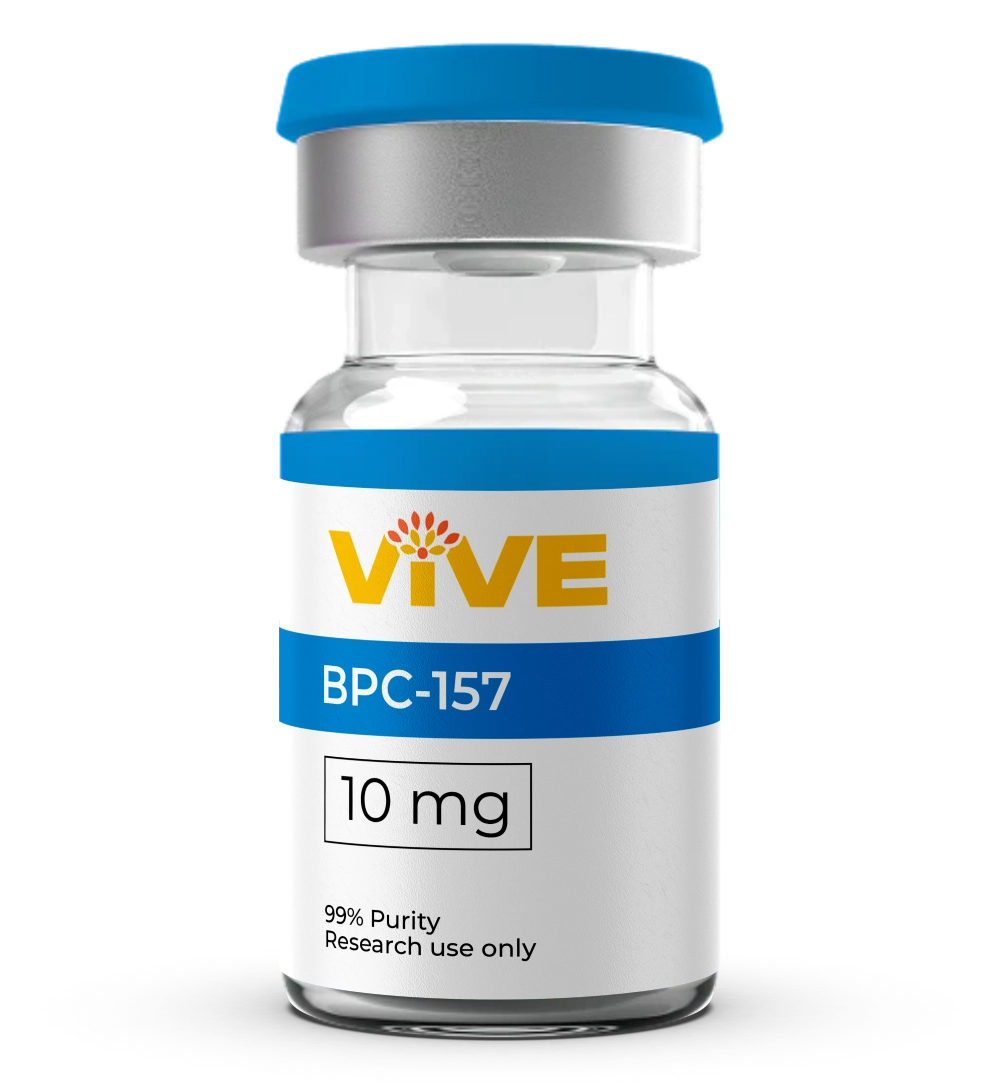
- If the protocol spans several compounds, for example Semax and BPC-157, one supplier relationship simplifies collecting certificates of analysis.
Can a Lab Move From a Peptide Group Buy to a Wholesale Account Later?
Usually yes. A group buy participant usually holds no direct contract with the supplier, so nothing typically prevents a lab from opening an account later. A practical move keeps the COAs and lot numbers from past group purchases, lists the compounds and expected annual volume, and sends both with the inquiry.
Verdict: A Wholesale Account Wins for Labs That Reorder
For the main situation, a research lab with recurring need for several compounds, a wholesale account costs less per usable vial. The group buy's lower first invoice carries an intermediary, uncertain lot paperwork, and open-ended timelines, and those lines grow with every reorder. A group buy earns its place only for a small, one-time, flexible need where the lab verifies each lot on its own.
Repeat purchasing is common among research buyers, which is why a standing account with a consistent supplier tends to be easier to manage than a new group buy each time. All material is sold for research use only. Labs that want to compare specifications before deciding can browse the VivePeptides catalog and read the spec block on each product page.
Open a Wholesale Conversation for Research Orders
Laboratories with recurring demand can send compound names, vial sizes, and expected reorder frequency through the wholesale contact form to start that conversation.
Research Use Only
All information in this article is intended for educational and research purposes only. VivePeptides products are not intended for human or veterinary use.