Research Article
Best Peptides for Immune System Research | VivePeptides
The best peptides for immune system research span a broad mechanistic range, from Thymosin Alpha 1 immune peptide and its thymic T-cell programs to the antimicrobial cathelicidin LL-37 and the gut-targeting tripeptide KPV. Each compound targets distinct nodes in immune signaling, giving researchers multiple entry points into immune regulation, tissue repair, and autoimmune disease study.
By Vive Team
What Defines the Best Peptides for Immune System Research?
Immune peptides are short chains of amino acids that interact directly with immune cells, receptor complexes, and transcription factors to modulate the character of immune responses. Unlike small-molecule drugs that often block a single enzyme, many immune peptides act on broad signaling networks, making them well-suited for dissecting how the immune system coordinates defense, repair, and self-tolerance.
Identifying the best peptides for immune system research requires clarity on which immune pathway the protocol is designed to interrogate. The field covers both innate immunity, the rapid first-line cellular and chemical defense, and adaptive immunity, which depends on antigen-specific T-cell and B-cell programs. Some peptides act primarily on one arm; others bridge both.
Studies have consistently highlighted chronic inflammatory states, wound healing impairment, and autoimmune disease as contexts where immune peptides show the most reproducible preclinical effects. This makes them especially relevant for researchers examining rheumatoid arthritis, inflammatory bowel disease, and post-infection immune dysregulation.
Thymosin Alpha 1: T-Cell Maturation and Adaptive Immune Research
Thymosin Alpha 1 (Ta1) is a 28-amino-acid peptide produced in the thymus and one of the most cited immune peptides in peer-reviewed literature. Its mechanism centers on Toll-like receptor activation, particularly TLR2 and TLR9, which drive dendritic cell maturation and subsequent t-cell maturation within thymic tissue.
Clinical Evidence Base
Garaci et al. (2000), publishing in Cancer Research, documented that thymosin alpha-1 restored depressed T-cell populations in cancer patients receiving chemotherapy, demonstrating measurable improvements in immune function without significant side effects. A follow-up study by Liu et al. (2020) in Clinical Infectious Diseases examined thymosin alpha-1 as adjunctive therapy in severe COVID-19, finding reduced 28-day mortality in treated patients.
For autoimmune disease research, thymosin alpha modulation of regulatory T-cells has attracted interest as a mechanism that can selectively amplify antigen-specific immune responses while attenuating systemic hyperinflammation. Studies in rheumatoid arthritis models have explored whether this regulatory capacity can slow synovial immune cell accumulation without broad immunosuppression.
Andreone et al. (1996) in the Journal of Hepatology showed that thymosin alpha-1 enhanced immune responses in hepatitis C patients in ways that supported viral clearance, reinforcing its value as a research tool for immune support in infectious disease models.
For a deeper mechanistic breakdown, see the What Is Thymosin Alpha 1? Immune Peptide Research Guide from VivePeptides.
LL-37: Cathelicidin Antimicrobial Peptide Research
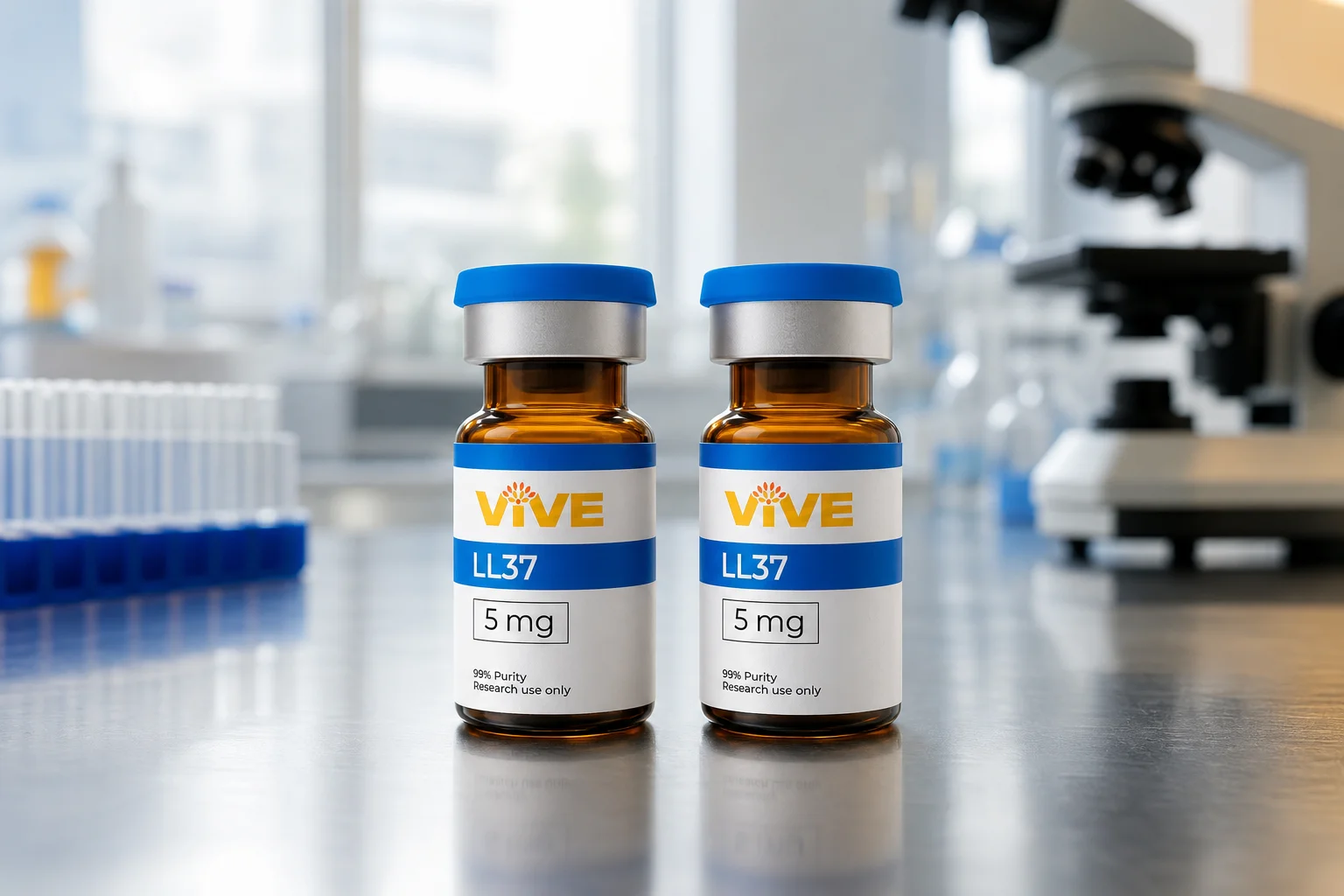
LL-37 is a 37-residue cathelicidin derived from the hCAP18 precursor protein and is produced by neutrophils, epithelial cells, and macrophages as part of the innate response to infection. It stands as one of the primary antimicrobial peptides expressed at mucosal surfaces and has become a model compound for studying innate immune defense signaling.
Mechanism Beyond Direct Membrane Disruption
LL-37's direct membrane-disruption activity against bacterial cells is well established, but researchers increasingly focus on its immune-modulating properties. Wang et al. (2014) in Biochimica et Biophysica Acta described LL-37 as a multifunctional immune mediator that recruits monocytes, activates mast cells, and induces cytokine secretion in patterns that bridge innate and adaptive immune function.
Wound healing research has shown that LL-37 promotes keratinocyte migration and angiogenesis, both essential steps in tissue repair at infection sites. These findings have prompted study in diabetic wound models where impaired innate immune cell activity delays healing.
In autoimmune disease research, particularly psoriasis, LL-37 is notable for forming complexes with self-DNA that activate plasmacytoid dendritic cells, effectively breaking innate tolerance and initiating inflammatory cascades. This makes LL-37 a useful mechanistic probe for studying how antimicrobial peptides can drive autoimmune responses under specific conditions.
For full mechanistic context including structure-activity relationships, see What Is LL-37? The Antimicrobial Peptide Research Guide.
Researchers can access research-grade material through the LL-37 antimicrobial peptide research product page.
KPV: Alpha-MSH Tripeptide and Gut Immune Signaling
KPV (Lys-Pro-Val) is a C-terminal tripeptide fragment of alpha-melanocyte-stimulating hormone (alpha-MSH). Despite containing only three amino acids, it demonstrates anti-inflammatory activity in preclinical models by inhibiting NF-kB signaling, which controls transcription of multiple pro-inflammatory cytokine genes including IL-1beta, IL-6, and TNF-alpha.
Gut Mucosal Immunity Evidence
Dalmasso et al. (2008) in Gastroenterology showed that KPV reduced colonic inflammation in murine models of inflammatory bowel disease. When administered orally, KPV maintained activity at the colonic epithelium, suggesting survival through the upper gastrointestinal environment to reach target tissue. This positions KPV as a practical probe for gut mucosal immune research.
The gut-immune axis has become a central focus in research on systemic immune dysregulation. Because the gut houses a significant proportion of the body's immune cells, peptides that modulate mucosal immune responses hold broad interest beyond gastrointestinal disease models. KPV's focused anti-inflammatory signaling at this interface distinguishes it from broader immunosuppressive agents.
Skin wound healing research has also examined KPV, with in vitro studies showing reduced inflammatory lesion formation and faster tissue repair at sites where pro-inflammatory cytokines would otherwise delay resolution.
BPC-157 and Tissue Repair in Immune-Adjacent Research
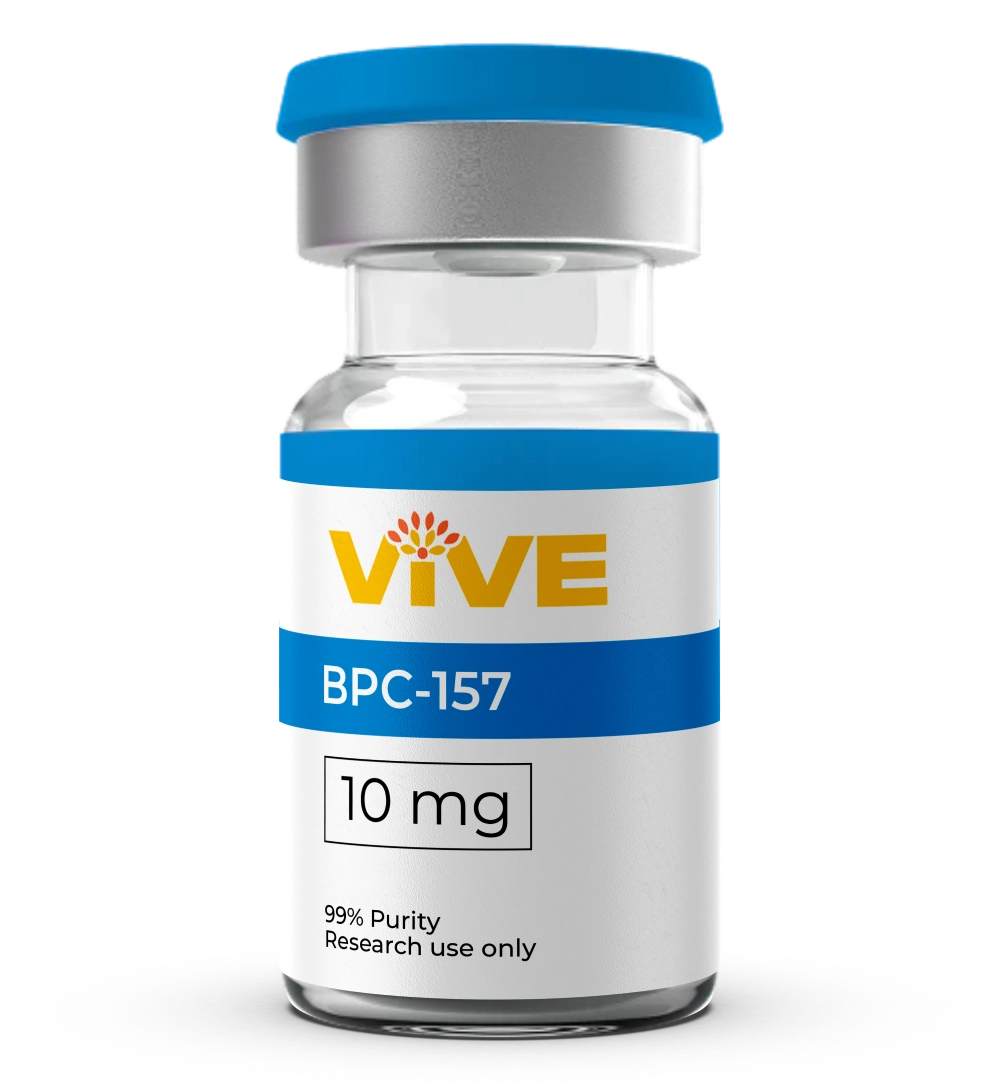
BPC-157 is a synthetic pentadecapeptide modeled on a sequence found in gastric mucosa. Its research profile centers on tissue repair, musculoskeletal healing, and gut protection, but immune-adjacent mechanisms make it relevant to researchers working at the intersection of inflammation and recovery.
Sikiric et al. (2018) in Current Pharmaceutical Design reviewed BPC-157's effects across gastrointestinal, vascular, and musculoskeletal models, noting consistent promotion of angiogenesis and wound healing alongside anti-inflammatory cytokine modulation, without the hepatotoxic side effects observed with NSAIDs in the same models.
For autoimmune disease research involving gut permeability, BPC-157's stabilizing effect on intestinal tight junctions has been examined as a modifier of how impaired barrier function allows luminal antigens to trigger systemic immune responses. Some researchers combine BPC-157 with more direct immune-modulating peptides in stacked protocols.
For a detailed comparison of its tissue repair mechanisms against another repair-focused compound, the BPC-157 vs GHK-Cu: Recovery vs Regeneration Peptide Research analysis provides useful context.
TB-500 and Anti-Inflammatory Repair Signaling
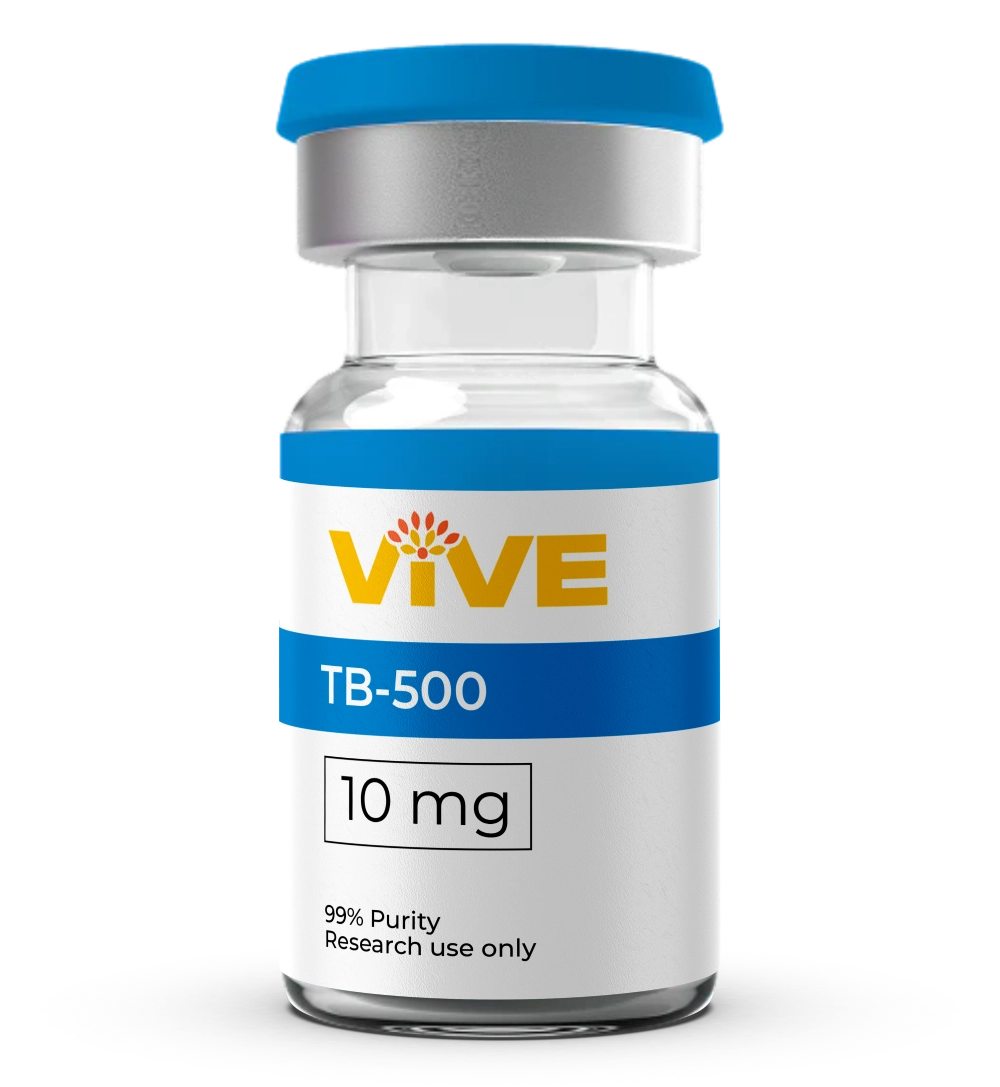
TB-500 (Thymosin Beta-4) is a 43-amino-acid peptide that regulates actin polymerization and cellular migration. Its role in tissue repair is well documented, and its relevance to immune function research comes from its capacity to downregulate inflammatory mediators while accelerating repair processes at sites of injury.
Goldstein et al. (2012) in Annals of the New York Academy of Sciences described TB-500's protective effects in cardiac and musculoskeletal models, with consistent findings that it reduced fibrosis markers and accelerated resolution of inflammatory damage. In rheumatoid arthritis research, the persistent inflammatory destruction of synovial tissue creates a model where TB-500's combined anti-inflammatory and tissue repair signaling may provide a useful comparison to conventional disease-modifying agents.
For researchers building multi-peptide protocols, the Best Peptide Stacks for Research: Synergistic Combinations That Work Together review covers how TB-500 is commonly paired with BPC-157 for layered tissue and immune effects.
Thymalin: Thymic Complex for Immune Support and Aging Research
Thymalin is a polypeptide complex purified from thymus glands and contains multiple short-chain thymic peptides. It has been studied in Eastern European research since the 1980s, primarily for its effects on immune support in aging models where thymic function naturally declines due to thymus atrophy.
Khavinson et al. (2003) in Gerontology documented thymalin's capacity to increase T-cell counts and natural killer cell activity in elderly subjects, with findings suggesting partial restoration of immune cell populations that diminish with age-related immunosenescence. The thymic microenvironment produced by thymalin stimulation appeared to support renewed t-cell maturation in subjects with significantly reduced baseline thymic activity.
For researchers focused on models where chronic low-grade inflammation coexists with impaired adaptive immune responses, thymalin offers a distinct mechanistic profile from single-sequence peptides like thymosin alpha-1 or LL-37. Its polypeptide complexity may account for broader effects on cytokine balance and immune cell recruitment across aging study designs.
Frequently Asked Questions
What are the best peptides for immune system research?
The most studied options in peer-reviewed literature are Thymosin Alpha 1 for t-cell maturation and adaptive immunity, LL-37 for innate antimicrobial defense and cytokine modulation, KPV for gut mucosal anti-inflammatory activity, BPC-157 for tissue repair and barrier function, TB-500 for anti-inflammatory repair signaling, and Thymalin for thymic immune support in aging models. Optimal selection depends on the specific immune pathway under investigation.
Do these peptides produce side effects in research models?
Yes, side effects have been documented across published studies, and profiles vary by compound and dose. Thymosin Alpha 1 has shown a favorable side effect profile in multiple clinical trials. LL-37 at elevated concentrations demonstrates cytotoxicity to mammalian cells in vitro. BPC-157 studies have not reported significant hepatotoxicity at tested doses. Researchers should review dose-response data in primary literature before designing protocols.
How do immune peptides relate to cytokine signaling?
Most immune peptides modulate cytokine production indirectly by acting on upstream signaling pathways. KPV inhibits NF-kB, reducing transcription of multiple pro-inflammatory cytokines. LL-37 stimulates cytokine release by activating pattern recognition receptors. Thymosin Alpha 1 shifts dendritic cell signaling toward Th1-type cytokine profiles. Each pathway produces distinct downstream cytokine patterns that are relevant to specific research contexts.
Can these peptides be used to study autoimmune disease mechanisms?
Yes. Thymosin Alpha 1 has been examined in rheumatoid arthritis models for its regulatory T-cell effects. LL-37 is used as a mechanistic probe in psoriasis autoimmune research. KPV has been studied in inflammatory bowel disease models involving aberrant mucosal immune activation. Each peptide provides a targeted tool for modulating specific steps in the autoimmune disease cascade without broad immunosuppression.
What is the difference between innate and adaptive immune peptides?
Innate immune peptides like LL-37 act rapidly and non-specifically, targeting microbial membranes and activating early-response immune cells. Adaptive immune peptides like Thymosin Alpha 1 support t-cell and B-cell maturation and antigen-specific immune responses over longer timescales. Peptides such as TB-500 and BPC-157 operate in tissue contexts that influence both arms by modifying the inflammatory microenvironment where immune cells operate.
Source Verified Immune Peptides for Your Research Protocol
Reproducible immune system research requires purity-verified material with documented sequencing and sterility testing. Browse the research-grade peptide catalog at VivePeptides to access Thymosin Alpha 1, LL-37, BPC-157, TB-500, and the full library of immune peptides represented in published research.
Research Use Only
All information in this article is intended for educational and research purposes only. VivePeptides products are not intended for human or veterinary use.