Research Article
8 Signs You're Buying Low-Quality Peptides

Recognizing the 8 signs you're buying low-quality peptides can save a research project before data collection begins. Absent certificates of analysis, unverified purity claims, inadequate shipping controls, and opaque manufacturing sourcing are the most damaging patterns. Researchers who learn these signals early and browse the VivePeptides catalog with a quality checklist will consistently produce cleaner, more reproducible results.
By Vive Team
Spotting the 8 Signs You're Buying Low-Quality Peptides
Peptides function through precise molecular signaling. When a compound is mislabeled, underdosed, or contaminated, every downstream measurement reflects the contamination rather than the variable being studied. For models examining cell migration, fat metabolism, tissue repair, or immune modulation, this is not a minor inconvenience. It is a foundational problem that invalidates the research.
Published research confirms the stakes. A 2021 analysis by Rohrer et al. in the Journal of Pharmaceutical Sciences identified measurable impurities in a significant portion of commercially available research peptides, sufficient to alter in vitro outcomes. A review in Peptides by Bhatt and colleagues flagged endotoxin contamination as a specific confounder in inflammatory signaling studies.
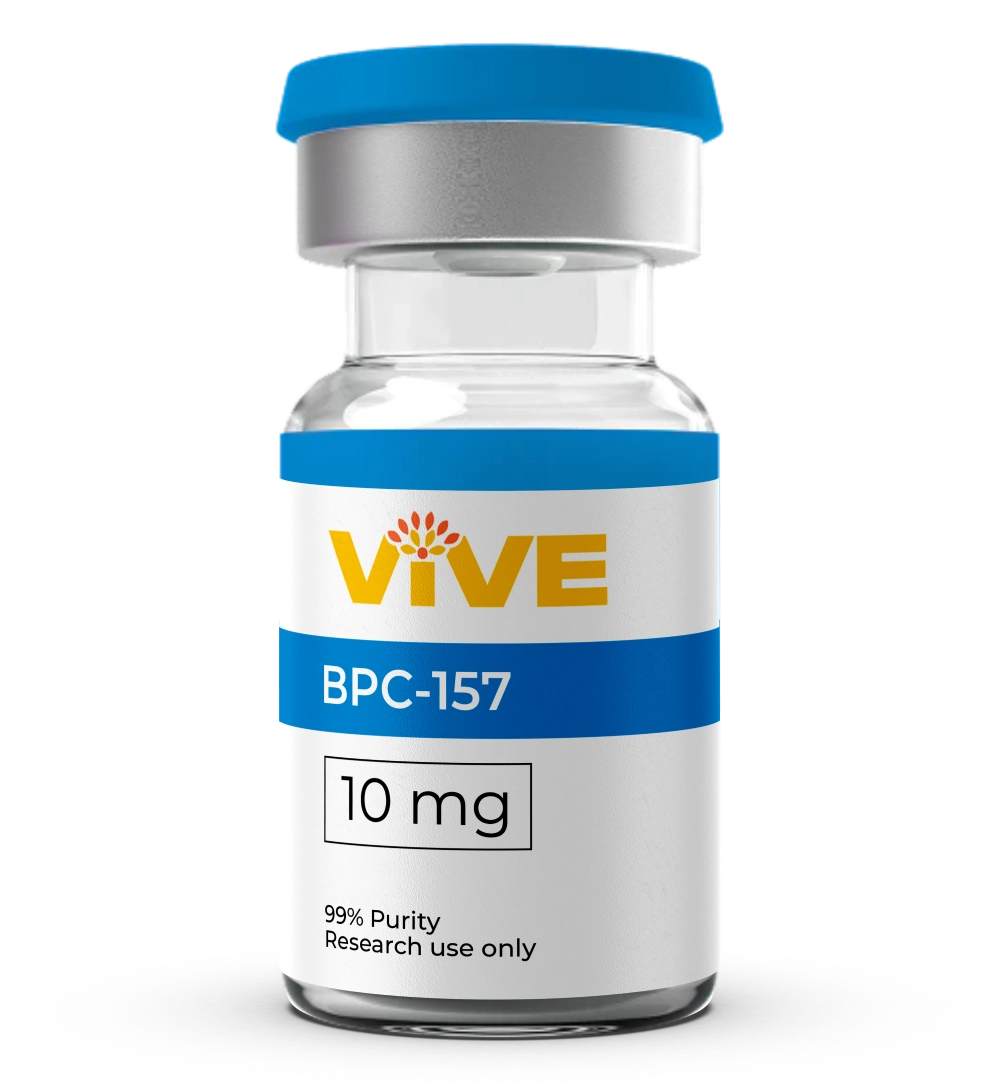
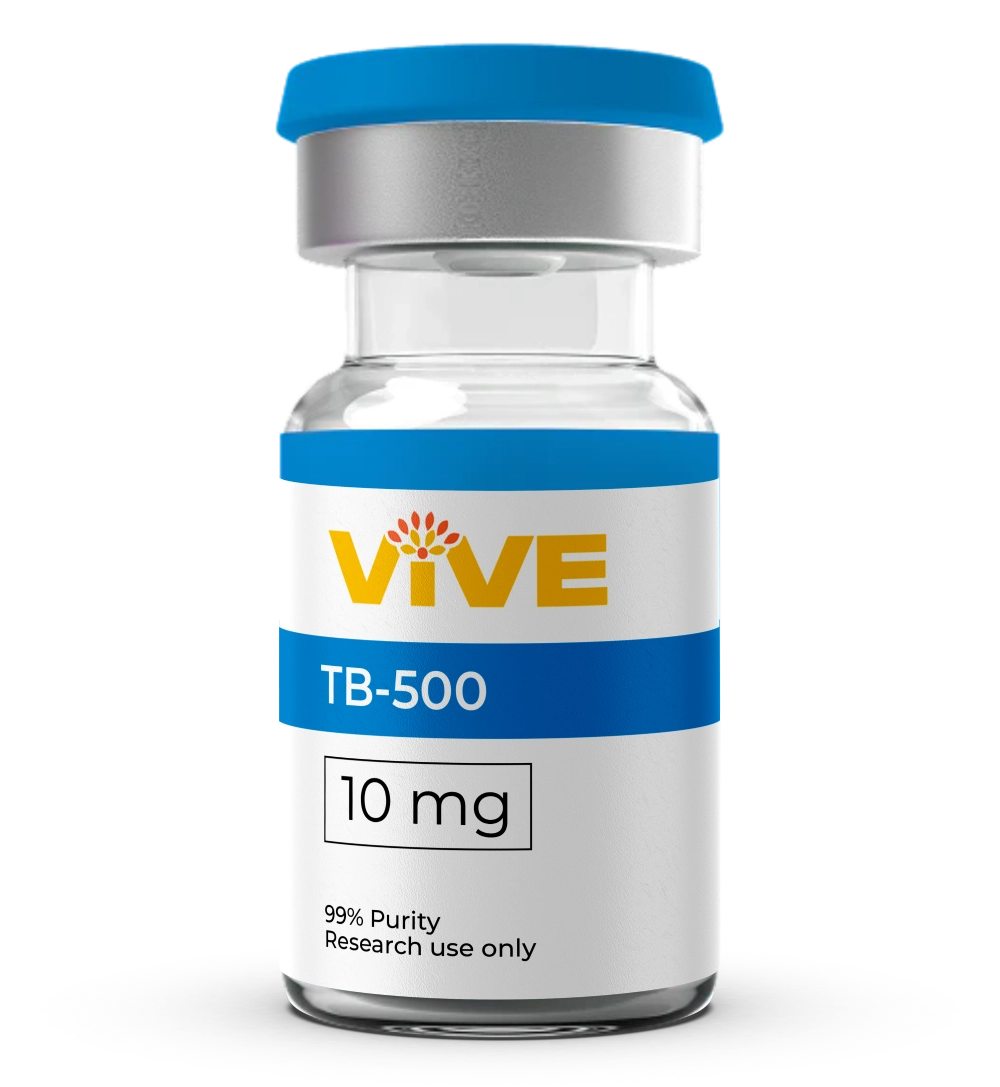
Compounds such as BPC-157 and TB-500 are studied for roles in tissue repair and cell migration. When the purity of these products falls below research-grade thresholds, inflammatory signaling markers shift in ways that produce false positives and false negatives. Researchers who buy on price alone usually discover this after significant resources have already been spent.
Signs 1 Through 3: Documentation Red Flags
Sign 1: No Certificate of Analysis
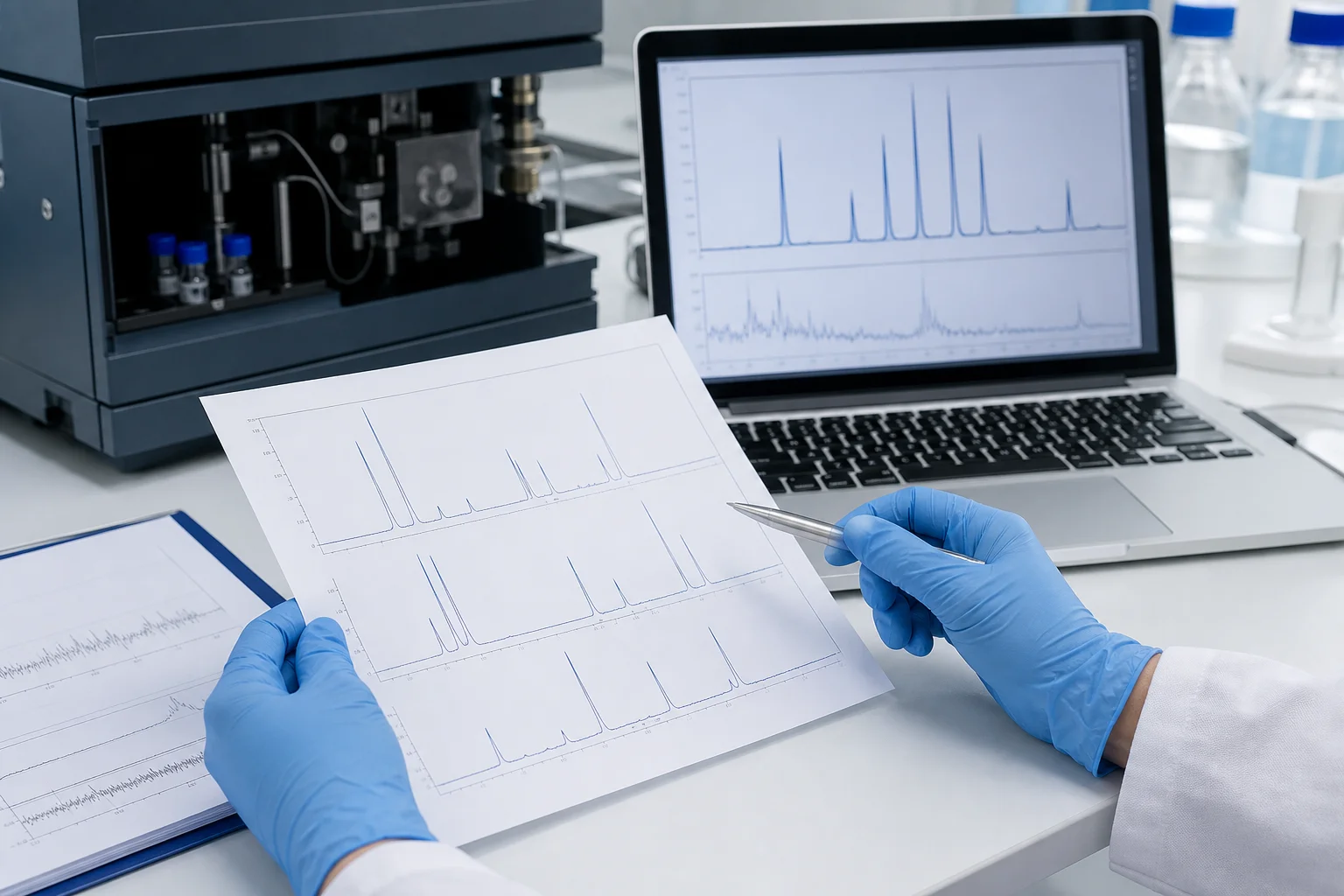
A Certificate of Analysis (COA) is the minimum documentation standard for any research-grade compound. It should identify the specific batch or lot number, state the purity percentage confirmed by HPLC or mass spectrometry, confirm molecular weight, and name the independent testing lab that produced the result.
If a supplier cannot produce a COA tied to the specific batch being sold, that product should not enter a research protocol. Third-party COAs carry more weight than in-house documents. A lab testing its own products has a direct conflict of interest. Independent analysis from an ISO-accredited facility is the credibility benchmark. Researchers should request the COA before completing a purchase, not after shipping.
Sign 2: Purity Claims Without Third-Party Verification
Marketing language stating "99% purity" without a linked or downloadable COA is a claim, not evidence. Purity specifications require HPLC or mass spectrometry results from a named external lab, ideally with a timestamp tied to the specific batch being sold.
Vague phrases such as "tested for quality" or "pharmaceutical grade" without supporting documentation signal that the supplier has not invested in independent verification. Researchers should confirm that the stated purity aligns with the COA and that the testing methodology is clearly disclosed. If it is not, better options exist in the market.
Sign 3: No Batch-Specific Testing Records
Batch testing means each production run is tested individually rather than assuming all future batches match an original test result. Suppliers who maintain batch-specific records can trace a specific vial back to a specific production event with verifiable purity data attached.
For research spanning multiple months or requiring consistent results across sequential orders, batch records are essential. A researcher comparing outcomes across time needs to know whether the compound changed between orders. Clean, batch-specific documentation is the mark of a supplier operating at research-grade standards rather than a commodity product model.
Signs 4 Through 6: Supplier Practices and Lab Standards
Sign 4: No Disclosed Lab or Manufacturing Source
Research-grade peptide suppliers should be transparent about where their compounds are synthesized. If a product page offers no information about the manufacturing source, whether domestic or international, whether cGMP-aligned or not, that omission is a warning sign.
Opaque sourcing usually means the supplier is a reseller without direct supply chain visibility. Resellers may not have access to original batch records or COAs, and they cannot answer specific questions about synthesis conditions, excipients, or sterility controls.
Researchers working on medical models or on projects that may eventually inform human use frameworks need a verifiable chain of custody. Institutional review boards and regulatory agencies do not accept "purchased from a distributor" as documentation.
Sign 5: Inadequate Shipping Protocols
Peptide stability is temperature-sensitive. Lyophilized research peptides can degrade significantly when exposed to heat fluctuations during transit. A supplier who uses standard retail packaging for these compounds, skips desiccants, or provides no information about cold-chain handling is adding degradation risk before the vial reaches the researcher.
Shipping protocols should be clearly listed on the supplier's website or available on request. Questions to ask: Are lyophilized peptides shipped with validated cold-pack materials? Is expedited shipping included in the standard price or an additional cost? Is packaging validated for temperature stability across typical transit durations? Short or evasive answers to these questions reduce confidence in the entire supply chain.
Sign 6: Missing Reconstitution Guidance
Quality peptide products arrive with clear, compound-specific reconstitution instructions. These typically specify the appropriate solvent, such as bacteriostatic water for peptide reconstitution, the recommended volume ratios, and storage conditions once reconstituted.
Suppliers who publish generic instructions that do not account for a specific peptide's solubility profile signal a gap in scientific rigor. BPC-157 and TB-500 have distinct solubility profiles that affect how each is prepared for research use. A supplier who treats all peptides identically on reconstitution has not performed the compound-specific testing that research-grade support requires.
Signs 7 and 8: Pricing and Scientific Support
Sign 7: Prices That Undercut the Cost of Quality
Research-grade peptide synthesis is not inexpensive. HPLC testing, mass spectrometry confirmation, sterile manufacturing environments, and proper cold-chain storage all carry real costs. When a supplier's price falls dramatically below the market median, something in that production chain has been reduced.
The most common shortcuts are lower purity targets, skipped third-party testing, incomplete batch documentation, and cheaper raw material sourcing. Researchers who prioritize price over documentation usually receive products that appear identical in the vial but perform inconsistently in the model. The resulting data inconsistency surfaces after significant resources have been committed.
Price should be evaluated alongside documentation, not instead of it. A mid-priced supplier with batch-specific COAs from a verified independent lab is more trustworthy than a premium-priced supplier with vague quality language and no paper trail. The decision to buy should rest on what the documentation shows.
Sign 8: No Responsive Scientific Support
Research generates specific questions about solubility, about dosing models in published literature, about storage edge cases, and about compatibility with other compounds in a stack. A supplier who cannot answer these questions, or who routes all inquiries to a generic FAQ, is not equipped to support serious research.
Responsive scientific support means access to staff or resources capable of discussing product-specific data, pointing to relevant published studies, and helping troubleshoot reconstitution or storage problems. This level of support distinguishes research-grade suppliers from supplement-style retail operations.
For researchers designing multi-compound protocols, the depth of a supplier's scientific support directly affects research quality. Our deep dive on Best Peptide Stacks for Research covers how sourcing and quality decisions interact when multiple compounds are combined in a single protocol.
What to Do Instead: A Practical Quality Checklist
Knowing the red flags is the first step. Acting on them reduces wasted resources and strengthens data integrity across every run.
Request batch-specific COAs before placing any order. If the supplier cannot produce a COA tied to the specific batch being sold, stop the transaction. Generic COAs with no batch number or test date are not acceptable substitutes for verified documentation.
Verify the named testing lab. Search the lab listed on the COA. Is it an ISO-accredited facility with a verifiable public track record? A lab that cannot be independently confirmed adds no credibility to the document.
Confirm shipping protocols. Ask directly about cold-chain handling for temperature-sensitive compounds. Ask whether expedited shipping is standard or an add-on. A compound that degrades in transit usually produces no usable data and usually cannot be traced back to a shipping failure without prior documentation.
Compare purity thresholds across products. The research-grade standard for most peptide products is 98% or higher by HPLC. Some specialized compounds require 99%+. If the stated purity is below this range or unspecified, that is a quality shortcut with measurable consequences for research outcomes.
Test the supplier's scientific support before ordering. Send a technical question about your specific research model and evaluate the response. Ask about cell migration assay design for BPC-157, or fat loss signaling pathways for GLP-1 analogs. The quality of the answer reveals more than any product page.
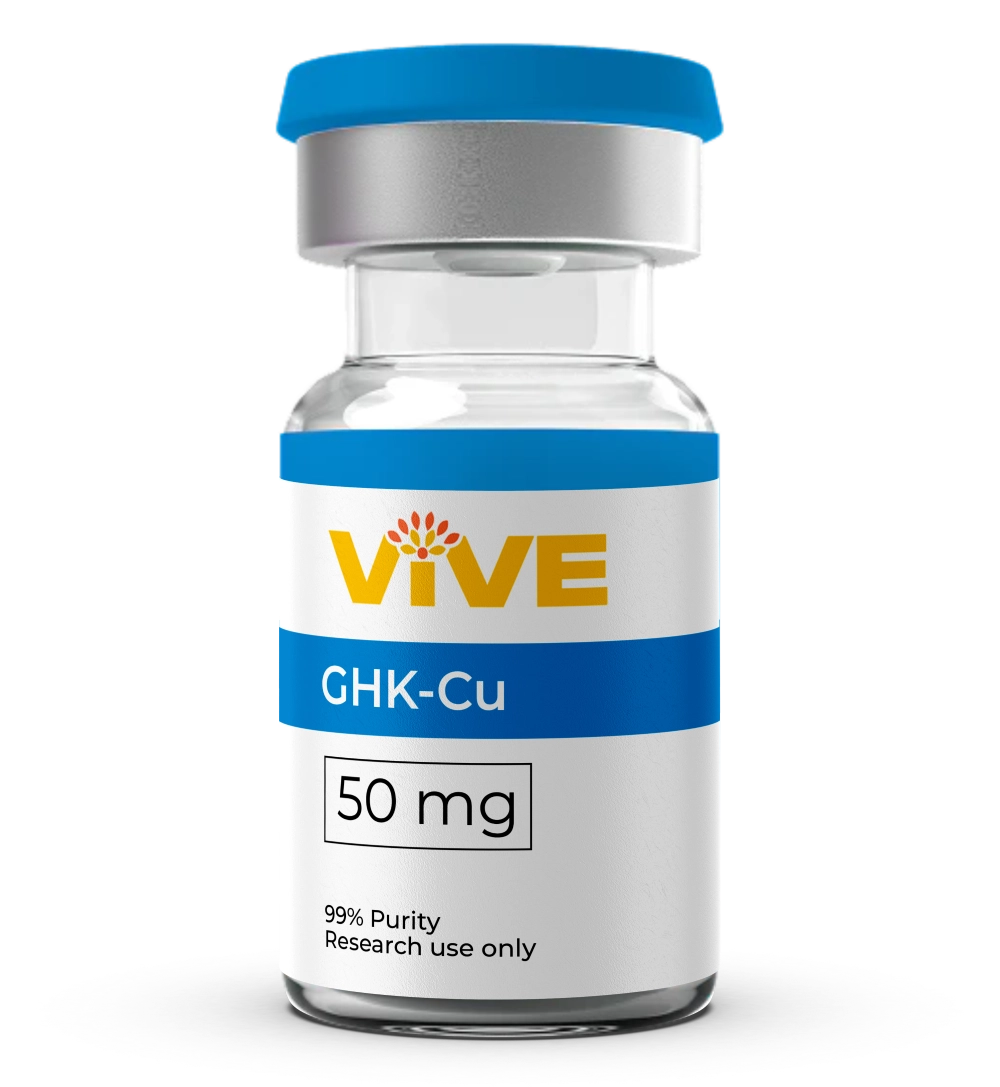
For structured guidance on evaluating vendor documentation, the research data on How to Verify Peptide Quality outlines the five specific tests that separate credible suppliers from commodity operations. The VivePeptides 2026 Purity Benchmark Report research breakdown provides a concrete reference for what verified HPLC results look like across 25 compounds. Researchers working with both BPC-157 and TB-500 will also find the research data on BPC-157 vs GHK-Cu useful for understanding how purity differences affect recovery-related research outcomes.
Frequently Asked Questions
What purity level should research peptides meet?
Most research-grade peptide products should test at 98% or higher by HPLC. Specialized compounds used in sensitive assays or medical research contexts often require 99%+ purity to reduce the risk of impurity-driven data artifacts. Always request the COA for the specific batch being purchased rather than relying on a general product page specification.
Is a COA from the supplier's own lab acceptable?
An in-house COA is less reliable than one from an independent third-party testing lab because the supplier has a direct financial interest in the result. For research applications, the minimum credible standard is a COA from a named, ISO-accredited external facility. Researchers should verify the lab's identity independently before accepting the document as evidence of quality.
Why does price matter if the COA appears valid?
Price usually reflects which production inputs were or were not included during synthesis. Dramatically low prices typically indicate shortcuts in purity targets, testing frequency, or batch documentation, even when a COA exists. Verify that the COA is batch-specific, comes from a named independent lab, and meets the purity standard your research model requires. Document quality matters as much as the stated price.
How do inadequate shipping protocols reduce peptide quality?
Lyophilized peptides shipped without cold-chain protocols risk partial degradation, particularly during warm weather or long transit windows. Signs of degraded product include discoloration, clumping, or failure to reconstitute cleanly. Researchers should ask suppliers about their specific shipping procedures and confirm that packaging is validated for temperature stability during transit.
What questions should I ask a supplier before buying?
Ask for the batch-specific COA, the name of the independent testing lab, the manufacturing source, the cold-chain shipping protocol, and compound-specific reconstitution guidance. Ask a technical question relevant to your research model and evaluate the depth of the response. A supplier who can address all of these points with supporting documentation is operating at research-grade standards.
Source Peptides That Hold Up Under Research Scrutiny
Researchers who know the 8 signs you're buying low-quality peptides can apply the same standard to any vendor before the first shipment arrives. Batch-specific COAs, third-party lab verification, transparent sourcing, and compound-specific scientific support are the markers of a research-grade supplier. The research-grade peptide catalog at VivePeptides is built around these standards because reproducible research demands nothing less.
Research Use Only
All information in this article is intended for educational and research purposes only. VivePeptides products are not intended for human or veterinary use.