
Research Use Only
Peptides for Recovery
Peptides investigated in models of soft-tissue repair, angiogenesis, and post-stress recovery.
Peptides for Recovery are research compounds studied for their roles in tissue repair signaling, angiogenesis, cellular migration, and growth factor modulation in preclinical models. This category encompasses single-sequence peptides and multi-compound blends investigated across cytoprotective, actin-sequestering, and copper-chelating mechanism classes, and all compounds are intended exclusively for in vitro and in vivo laboratory research use.
Reviewed by the VivePeptides Research DeskLast reviewed
Research Catalog
Compounds in this collection
Research Overview
Recovery Peptides in Preclinical Research: What This Category Covers
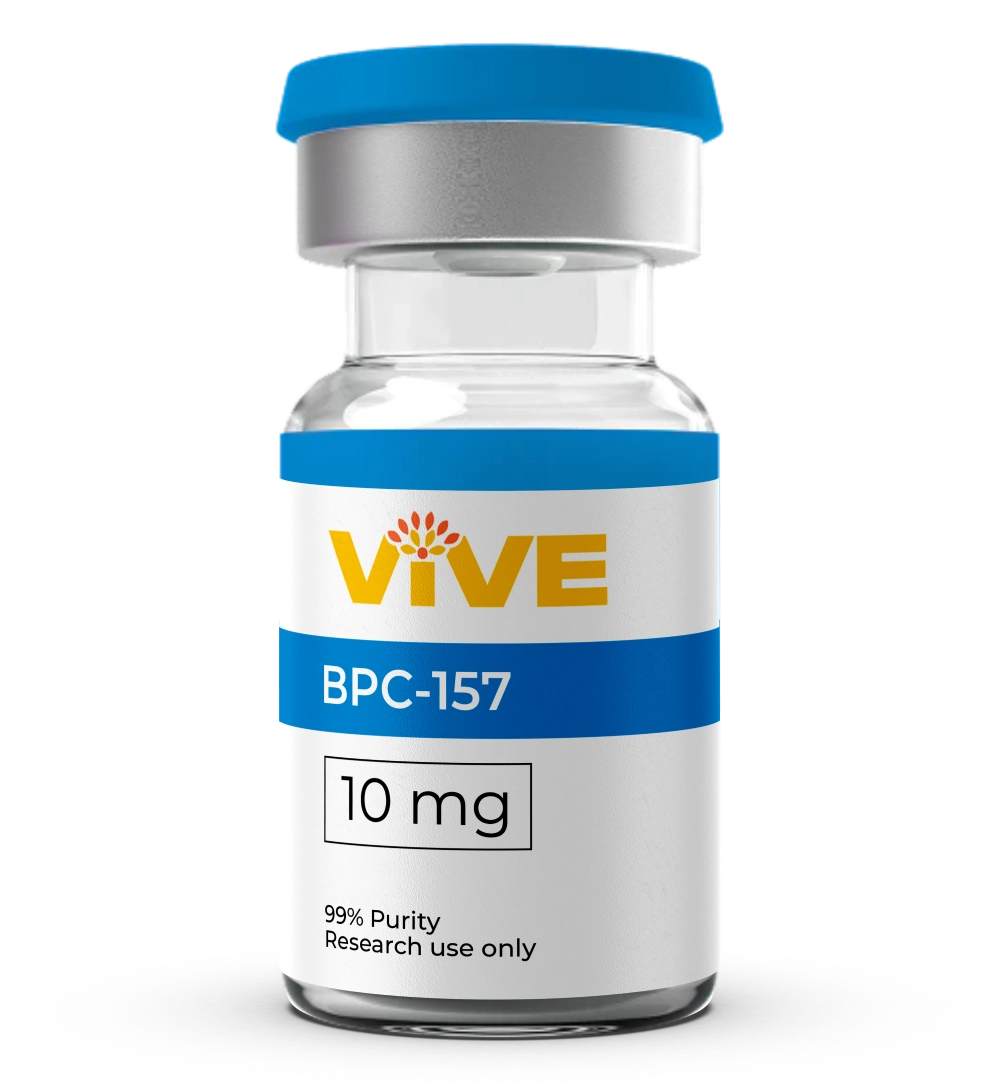
Recovery peptides represent one of the most active compound categories in current preclinical research, encompassing sequences and blends that target tissue repair signaling, angiogenesis, cellular migration, and growth factor modulation. VivePeptides features four compounds in this category. BPC-157 is a pentadecapeptide studied for cytoprotective and angiogenic mechanism activity.
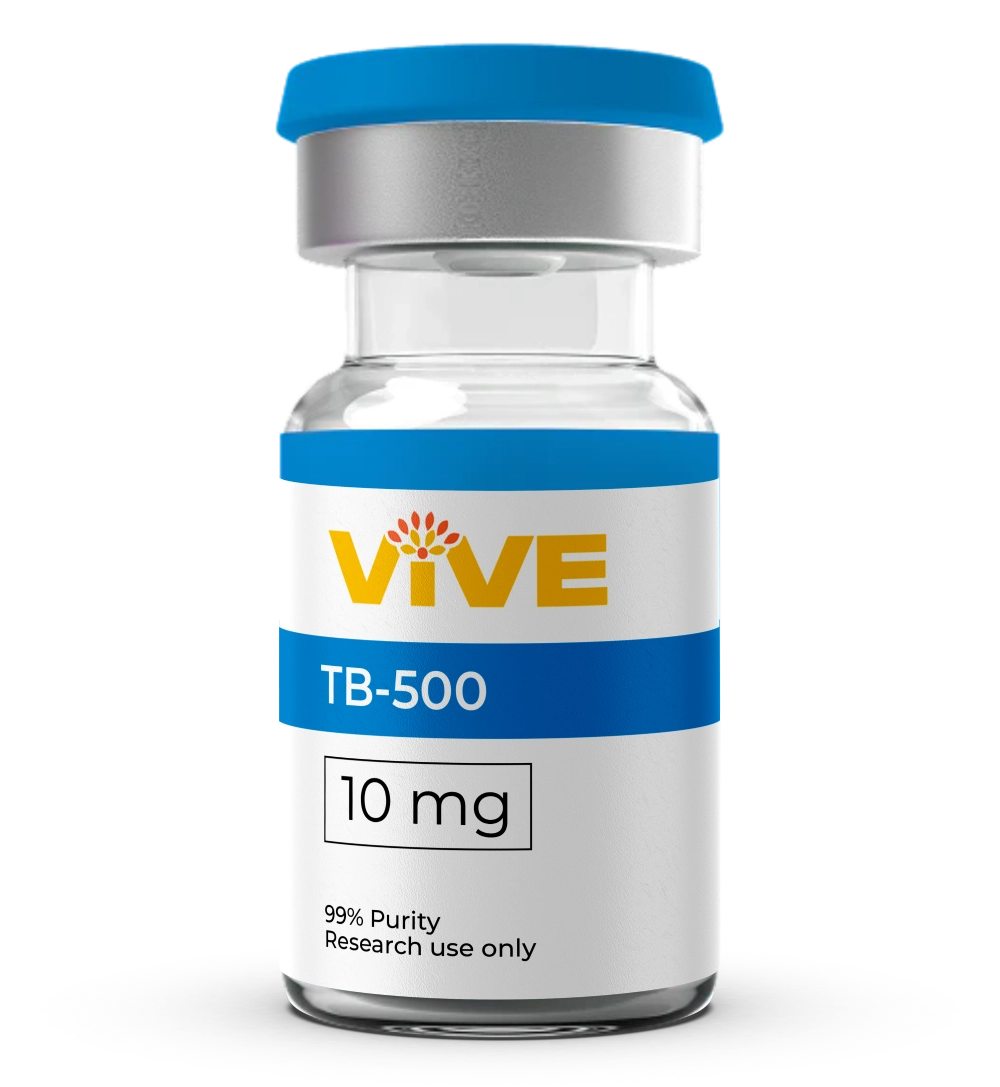
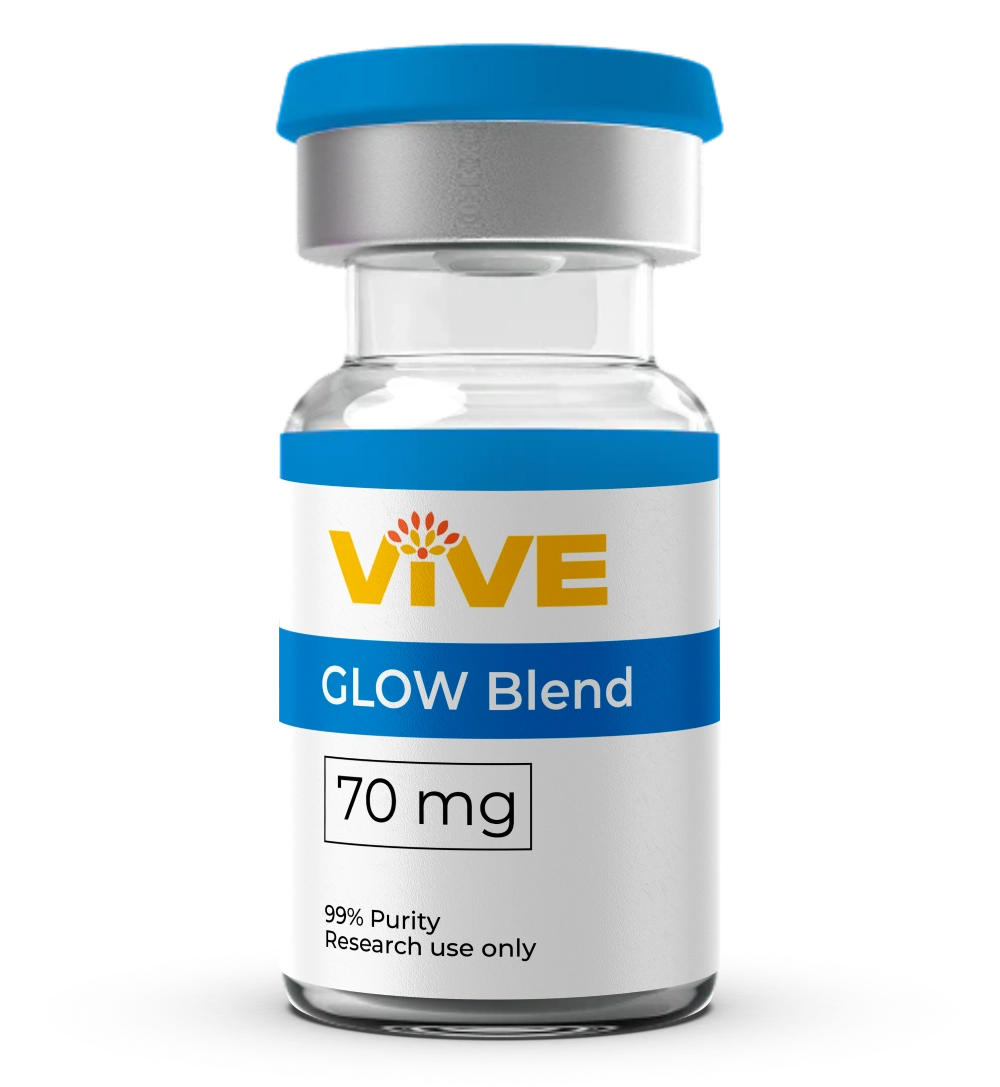
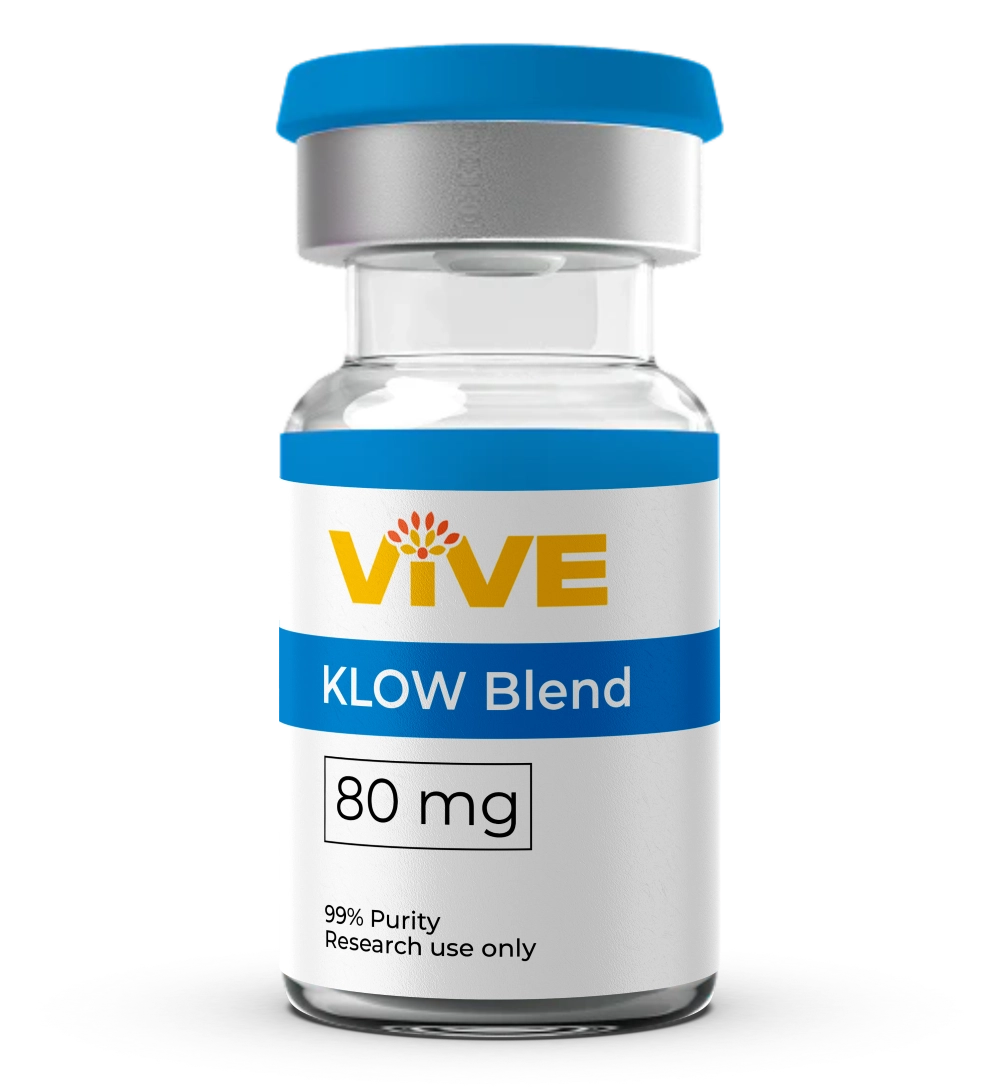
TB-500 is a thymosin beta-4 derived fragment investigated for its actin-sequestering and cell-migration properties in wound-model research. Glow Blend combines BPC-157, TB-500, and GHK-Cu, a copper-chelating tripeptide, into a single multi-mechanism research formulation. KLOW Blend is a proprietary multi-peptide formulation examined for complementary repair-pathway signaling activity.
All four compounds are manufactured under verified purity standards, supported by third-party analytical documentation including certificates of analysis. VivePeptides supplies these compounds exclusively for in vitro and in vivo laboratory research use, consistent with responsible sourcing practices in the peptide research community.
Distinct Mechanism Classes, One Collection
This collection spans cytoprotective, actin-sequestering, and copper-chelating mechanism classes, giving researchers access to mechanistically diverse compounds from a single verified supplier. Both single-sequence and multi-compound blend formats are available to match varied study design requirements.
Third-Party Purity Documentation Included
Every compound in this category is backed by certificate of analysis data from third-party analytical testing, supporting the reproducibility standards required for publication-quality preclinical research. Researchers can review compound-specific documentation before incorporating any formulation into a study protocol.
Matching Compound Format to Study Design
Single-compound formats such as BPC-157 and TB-500 are suited for mechanistically controlled investigations where attribution to one pathway is required. Blend formulations including Glow Blend and KLOW Blend are designed for models examining convergent or parallel repair-pathway activity within a single experimental system.
Compound Comparison
How these compounds compare
| Compound | Mechanism Class | Research Focus | Distinguishing Feature |
|---|---|---|---|
| BPC-157 | Cytoprotective, angiogenic peptide | Growth factor modulation, tissue repair signaling | Pentadecapeptide, broad tissue model applicability |
| TB-500 | Actin-sequestering peptide fragment | Cell migration, wound and inflammation models | Derived from thymosin beta-4 C-terminal region |
| Glow Blend (BPC/TB/GHK) | Multi-mechanism blend | Parallel pathway tissue repair investigation | Three complementary mechanism classes in one formulation |
| KLOW Blend | Multi-peptide proprietary blend | Convergent repair-pathway signaling models | Formulated for multi-target preclinical study designs |
Mechanism & Research Context
Mechanism Classes and Preclinical Research Context for Recovery Peptides
What distinguishes the recovery peptide compounds in this collection is the breadth of distinct signaling pathways they engage, rather than a single shared mechanism. BPC-157 has been examined in preclinical literature for growth factor upregulation, particularly involving VEGF and nitric oxide pathways, and for cytoprotective activity across gastrointestinal and musculoskeletal tissue models.
TB-500, derived from the C-terminal region of thymosin beta-4, has been investigated for actin-binding capacity and its role in promoting cell migration and angiogenesis in wound and inflammation models. GHK-Cu, the copper-chelating component of Glow Blend, has been studied for involvement in extracellular matrix remodeling and collagen synthesis signaling.
Researchers selecting between individual compounds and blended formulations typically consider the specificity of their model system: single-compound designs favor mechanistic isolation, while blend formulations are employed when parallel pathway engagement is the research objective. KLOW Blend and Glow Blend are positioned for multi-target study designs within recovery-pathway investigations.
Research FAQ
Frequently asked questions
What are recovery peptides in a preclinical research context?
How does BPC-157 differ from TB-500 as a research compound?
What is Glow Blend and how is it used in recovery peptide research?
What is KLOW Blend investigated for in preclinical research?
How should researchers choose between individual compounds and blended formulations in the recovery peptide category?
What purity and documentation standards apply to recovery peptides sourced from VivePeptides?
Related Research Collections
Continue exploring
All products are sold strictly for laboratory and scientific research use only. Not for human or animal consumption, diagnostic, or therapeutic use. Nothing on this page constitutes medical advice or a health claim.