
Research Use Only
Peptides for Joint Repair
Peptides investigated in models of tendon, ligament, and connective-tissue repair.
Peptides for Joint Repair are research compounds studied for their roles in connective tissue biology, extracellular matrix remodeling, and growth factor pathway modulation within preclinical models of musculoskeletal injury. The category encompasses two mechanistically distinct compound classes, BPC-157 as a cytoprotective pentadecapeptide and TB-500 as an actin-sequestering thymosin derivative, available for laboratory research use only.
Reviewed by the VivePeptides Research DeskLast reviewed
Research Overview
Joint Repair Peptides: An Active Preclinical Research Category
Joint repair peptides represent an active preclinical research category encompassing compounds investigated for their interactions with connective tissue repair pathways, angiogenic signaling, and cytoskeletal dynamics in musculoskeletal tissue models. Researchers investigating cartilage, tendon, and ligament biology have increasingly turned to synthetic peptide analogs as tools for probing specific molecular mechanisms that conventional small-molecule approaches cannot isolate with the same selectivity.
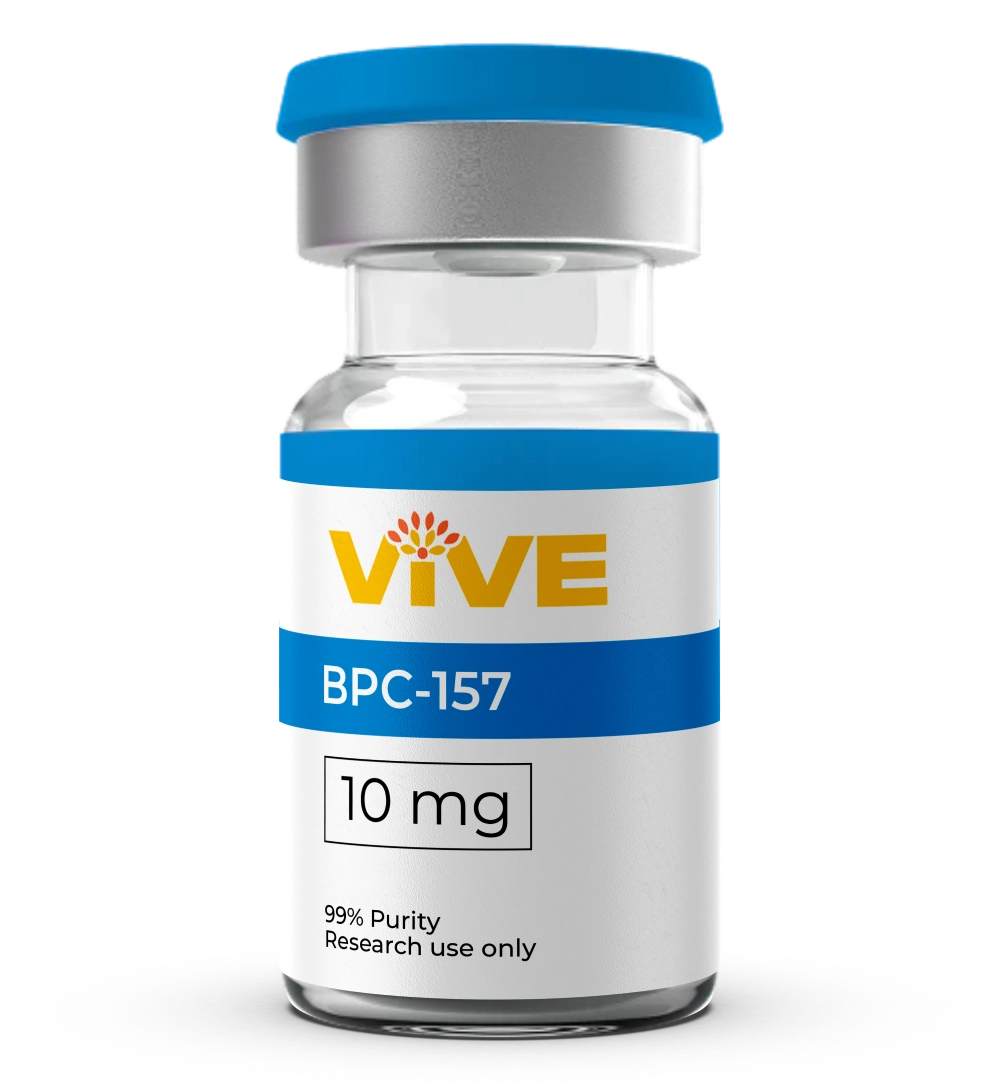
Two distinct mechanism classes are represented in this collection. BPC-157 is a pentadecapeptide studied for cytoprotective and angiogenic properties, with preclinical literature examining its effects on growth factor receptor expression and nitric oxide pathway modulation.
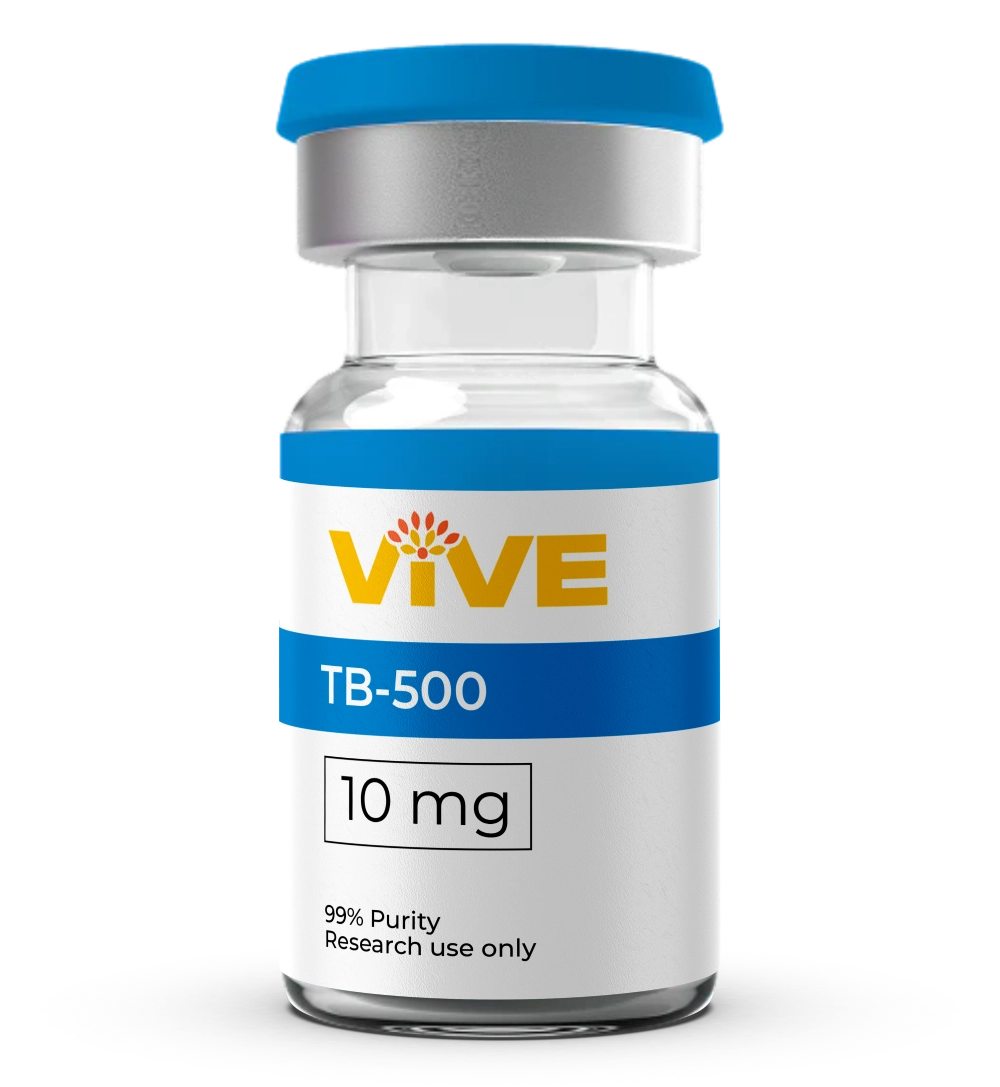
TB-500, derived from the thymosin beta-4 protein, is an actin-sequestering peptide investigated for its role in cell migration and extracellular matrix remodeling. VivePeptides supplies both compounds at research-grade purity, accompanied by certificates of analysis, to support rigorous in vitro and in vivo laboratory study designs.
Two Mechanistically Distinct Compound Classes
BPC-157 targets growth factor receptor and nitric oxide signaling pathways, while TB-500 operates through direct G-actin binding and cytoskeletal regulation, making these compounds complementary rather than interchangeable tools in connective tissue research.
Purity Standards and Research Documentation
VivePeptides provides certificates of analysis for each compound in this collection, enabling researchers to verify peptide identity, purity, and batch consistency before incorporating materials into formal study protocols.
Matching Compound to Study Design
Compound selection in joint repair peptide research depends on the molecular pathway under investigation: BPC-157 is favored for growth factor and angiogenesis studies, while TB-500 is the more appropriate tool for cell migration and extracellular matrix remodeling models.
Mechanism & Research Context
Mechanism Classes and Research Context: BPC-157 and TB-500
What distinguishes BPC-157 and TB-500 as research tools is the specificity of their respective molecular targets, one operating primarily through growth factor and nitric oxide signaling and the other through direct cytoskeletal regulation. BPC-157 is a synthetic pentadecapeptide analog of a gastric protein sequence; preclinical investigations have examined its capacity to upregulate VEGF expression, modulate FAK-paxillin signaling, and influence collagen synthesis in tendon and ligament tissue models.
TB-500 is a fragment of thymosin beta-4 that binds G-actin, promoting actin polymerization dynamics implicated in cell motility and wound-bed remodeling. In study design, researchers select between these compounds based on which signaling axis is under investigation: growth factor pathway studies favor BPC-157, while cytoskeletal and cell migration models more commonly incorporate TB-500.
Both compounds require cold-chain handling during storage and are reconstituted in sterile aqueous vehicles prior to in vitro application.
Research FAQ
Frequently asked questions
What are peptides for joint repair in the context of laboratory research?
What mechanism class does BPC-157 belong to, and what has preclinical literature examined?
How does TB-500 differ mechanistically from BPC-157?
What preclinical models are most commonly used in joint repair peptide research?
Can BPC-157 and TB-500 be studied in combination within the same experimental protocol?
What are the storage and handling requirements for research-grade BPC-157 and TB-500?
Related Research Collections
Continue exploring
All products are sold strictly for laboratory and scientific research use only. Not for human or animal consumption, diagnostic, or therapeutic use. Nothing on this page constitutes medical advice or a health claim.