
Research Use Only
Peptides for Weight Loss
A research collection of peptides investigated for their roles in appetite signaling, energy balance, and adipose metabolism.
Peptides for Weight Loss are research compounds studied for their interactions with metabolic signaling pathways, including incretin receptor activation, mitochondrial AMPK modulation, and somatotropic axis regulation, in preclinical models. This category features GLP-1 receptor agonists, dual and triple incretin co-agonists, a mitochondrial-derived peptide, and a GHRH analog, all supplied for laboratory research use only.
Reviewed by the VivePeptides Research DeskLast reviewed
Research Catalog
Compounds in this collection
Research Overview
Weight Loss Peptides: An Active Research Category Across Multiple Mechanism Classes
The weight loss peptides research category encompasses compounds investigated for their roles in metabolic signaling, energy homeostasis, and adipose tissue regulation across preclinical models. It is one of the most active areas in contemporary peptide science, driven by expanding interest in multi-receptor pharmacology, mitochondrial biology, and neuroendocrine modulation.
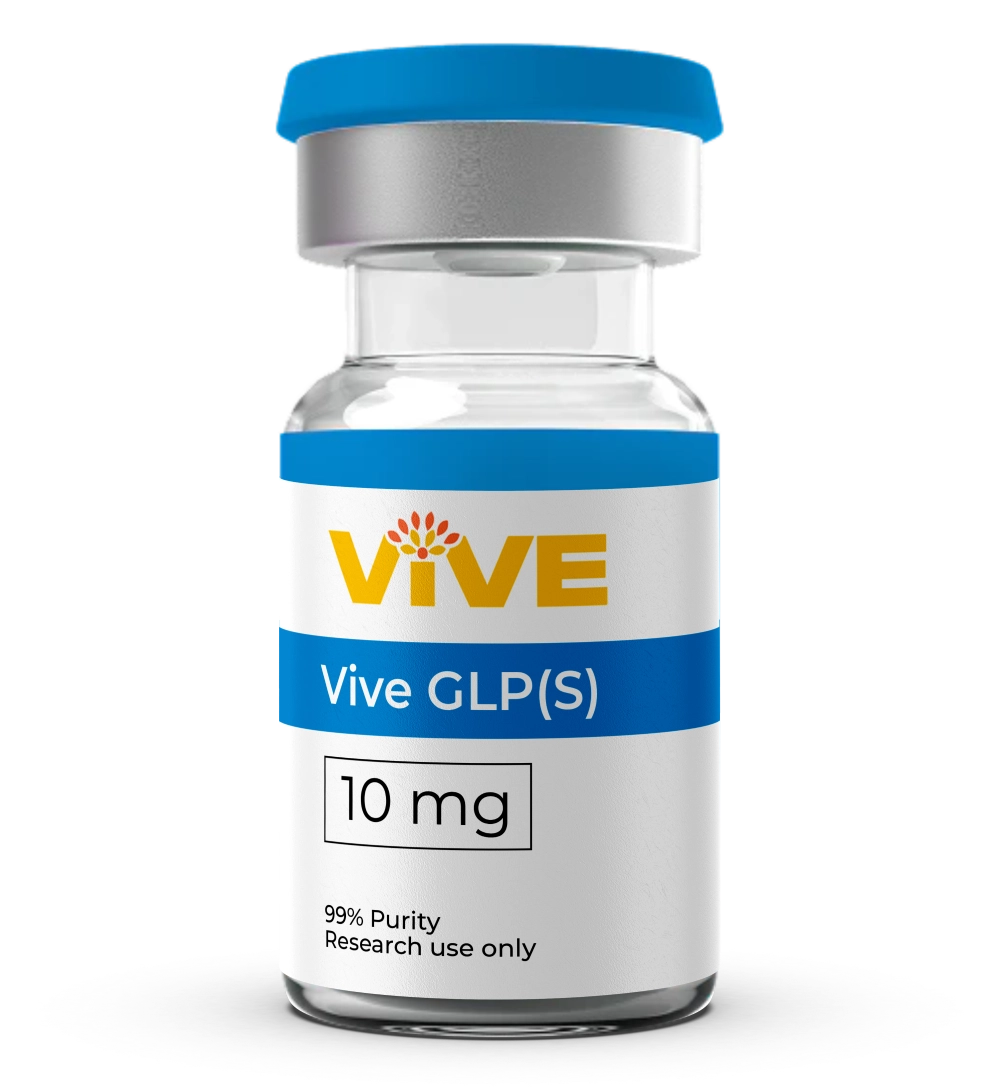
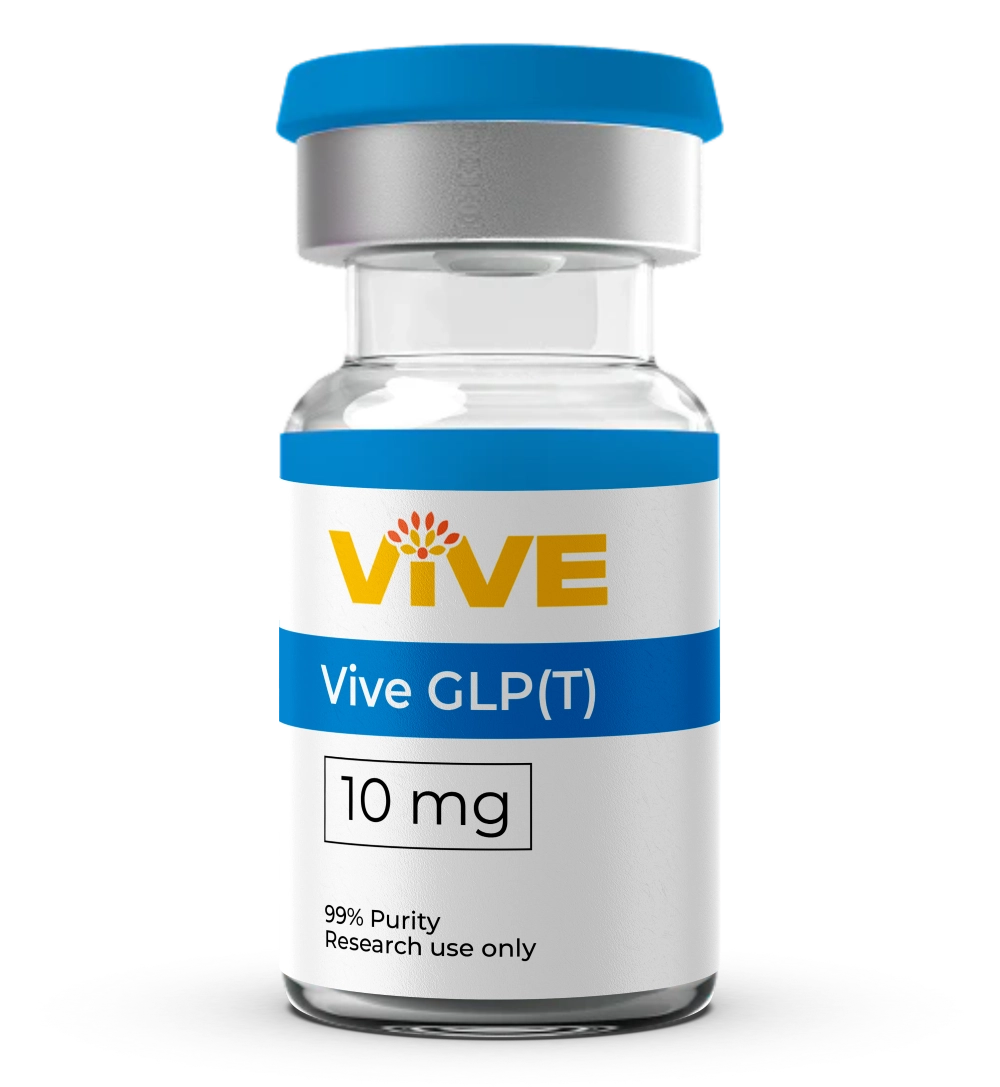
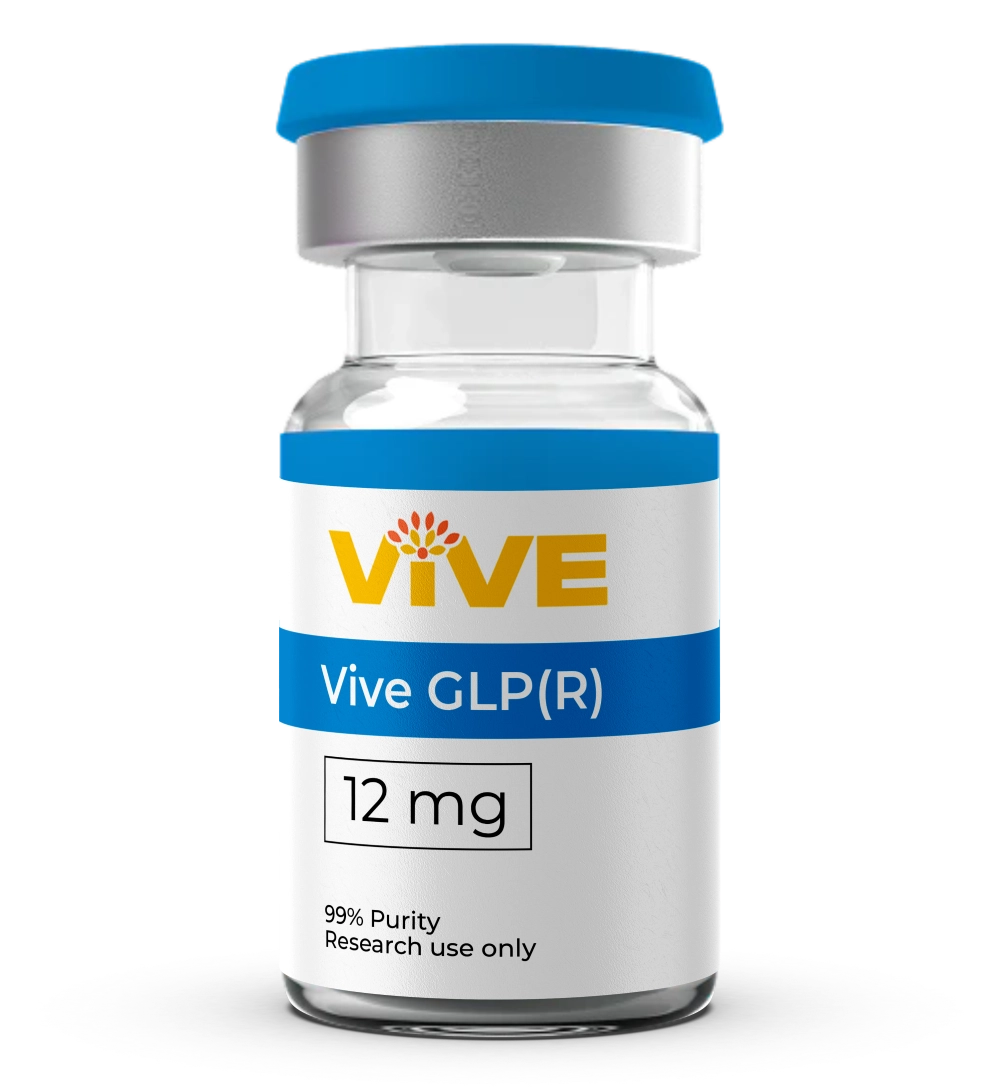
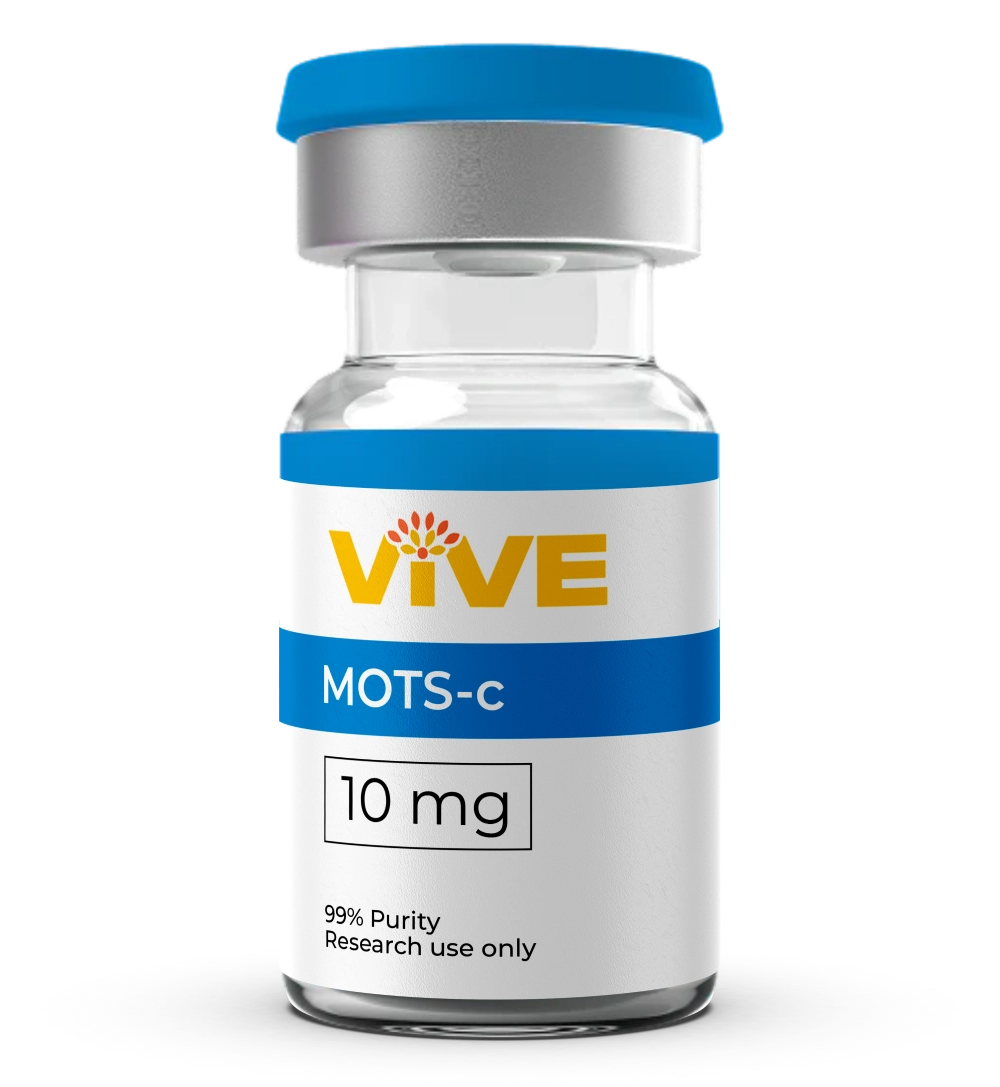
The five compounds in this collection represent four distinct mechanism classes: GLP-1 receptor agonism (Semaglutide), dual GIP and GLP-1 receptor co-agonism (Tirzepatide), triple GIP, GLP-1, and glucagon receptor agonism (Retatrutide), AMPK-activating mitochondrial peptide signaling (MOTS-c), and growth hormone-releasing hormone analog activity (Tesamorelin). This mechanistic breadth makes the collection useful for researchers designing comparative studies or targeting specific nodes in metabolic regulation.
VivePeptides supplies each compound at research-grade purity with certificate of analysis documentation, supporting reproducible experimental design in qualified laboratory settings. All compounds are provided for in vitro and preclinical in vivo research use only, not for human or veterinary application.
Four Distinct Mechanism Classes
This collection spans GLP-1 receptor agonism, dual and triple incretin co-agonism, mitochondrial AMPK activation, and GHRH analog activity, providing researchers with mechanistically complementary tools within a single research category. Selecting among them depends on which receptor axis or signaling node the study is designed to interrogate.
Certificate of Analysis Documentation
Each compound is supplied with certificate of analysis data covering identity, purity, and concentration, supporting the reproducibility standards required for rigorous preclinical research. Researchers should review this documentation before incorporating any compound into an experimental protocol.
Matching Compound to Study Design
Study design considerations such as target receptor, metabolic endpoint, and preclinical model determine which weight loss peptide is most appropriate for a given investigation. Incretin axis studies, mitochondrial pathway research, and neuroendocrine investigations each call for different compounds within this collection.
Compound Comparison
How these compounds compare
| Compound | Mechanism Class | Research Focus | Distinguishing Feature |
|---|---|---|---|
| Semaglutide | GLP-1 receptor agonist | Energy intake, gastric motility | Single incretin receptor engagement |
| Tirzepatide | Dual GIP/GLP-1 receptor co-agonist | Insulin sensitivity, lipid metabolism | Dual incretin receptor co-agonism |
| Retatrutide | Triple GIP/GLP-1/glucagon receptor agonist | Energy expenditure, hepatic lipid dynamics | Adds glucagon receptor to incretin profile |
| MOTS-c | Mitochondrial-derived AMPK activator | Skeletal muscle glucose uptake | Mitochondrial peptide origin |
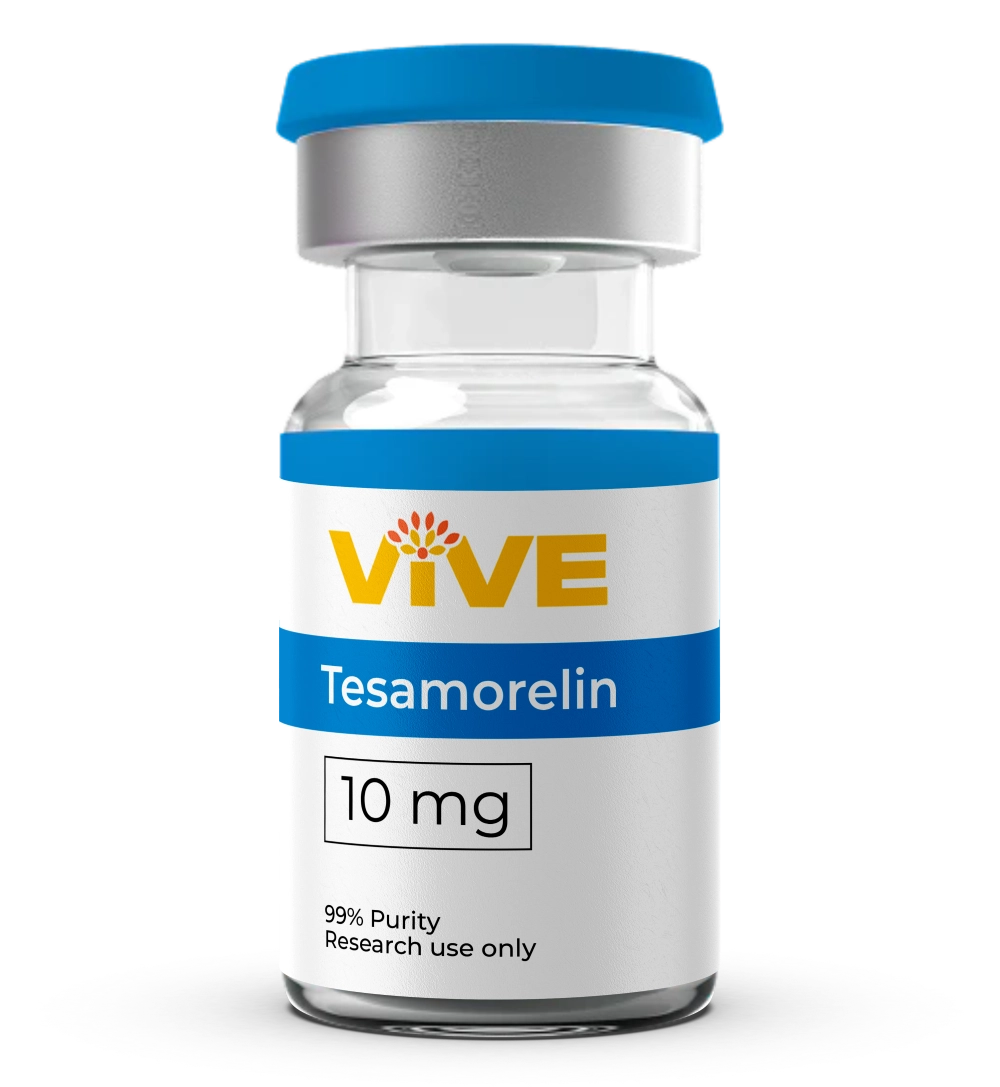
| Tesamorelin | GHRH analog | Somatotropic axis, visceral adipose biology | Hypothalamic-pituitary axis modulation |
Mechanism & Research Context
Mechanism Classes and Preclinical Research Context for Weight Loss Peptides
What distinguishes this collection is the range of mechanistic approaches represented, spanning incretin-based receptor co-agonism, mitochondrial peptide signaling, and hypothalamic axis modulation. Preclinical literature has examined Semaglutide, a GLP-1 receptor agonist, for effects on energy intake regulation and gastric motility in animal models. Tirzepatide, as a dual GIP and GLP-1 receptor co-agonist, has been investigated for additive effects on insulin sensitivity and lipid metabolism relative to single-receptor agonism.
Retatrutide extends this profile by adding glucagon receptor engagement, and preclinical studies have explored how this triple-receptor approach affects energy expenditure and hepatic lipid dynamics compared to dual co-agonism. MOTS-c, a mitochondrial-derived peptide, has been studied for AMPK pathway activation and its relationship to skeletal muscle glucose uptake and metabolic stress responses. Tesamorelin, a GHRH analog, has been examined for somatotropic axis activity and visceral adipose tissue biology.
Researchers select among these compounds based on target pathway, species model, and the specific metabolic endpoint under investigation.
Research FAQ
Frequently asked questions
What are peptides for weight loss in a research context?
What is the difference between Semaglutide, Tirzepatide, and Retatrutide as research compounds?
What mechanism class does MOTS-c belong to, and how does it differ from the incretin peptides?
How does Tesamorelin differ from the other weight loss peptides in this collection?
What are the best peptides for weight loss research to study across multiple metabolic pathways?
How do researchers choose between compounds in the weight loss peptides category?
Related Research Collections
Continue exploring
All products are sold strictly for laboratory and scientific research use only. Not for human or animal consumption, diagnostic, or therapeutic use. Nothing on this page constitutes medical advice or a health claim.