
Research Use Only
Peptides for Muscle Growth
A collection of growth-factor and secretagogue research peptides studied in the context of myogenesis and lean tissue accretion.
Peptides for Muscle Growth are research compounds studied for their roles in modulating growth hormone secretion and insulin-like growth factor receptor signaling in skeletal muscle and adipose tissue models. This category encompasses GHRH analogs, ghrelin receptor agonists, and long-acting IGF-1 receptor agonists, including IGF-1 LR3, Sermorelin, CJC 1295 No DAC combined with Ipamorelin, and Tesamorelin. All compounds are intended for laboratory research use only.
Reviewed by the VivePeptides Research DeskLast reviewed
Research Catalog
Compounds in this collection
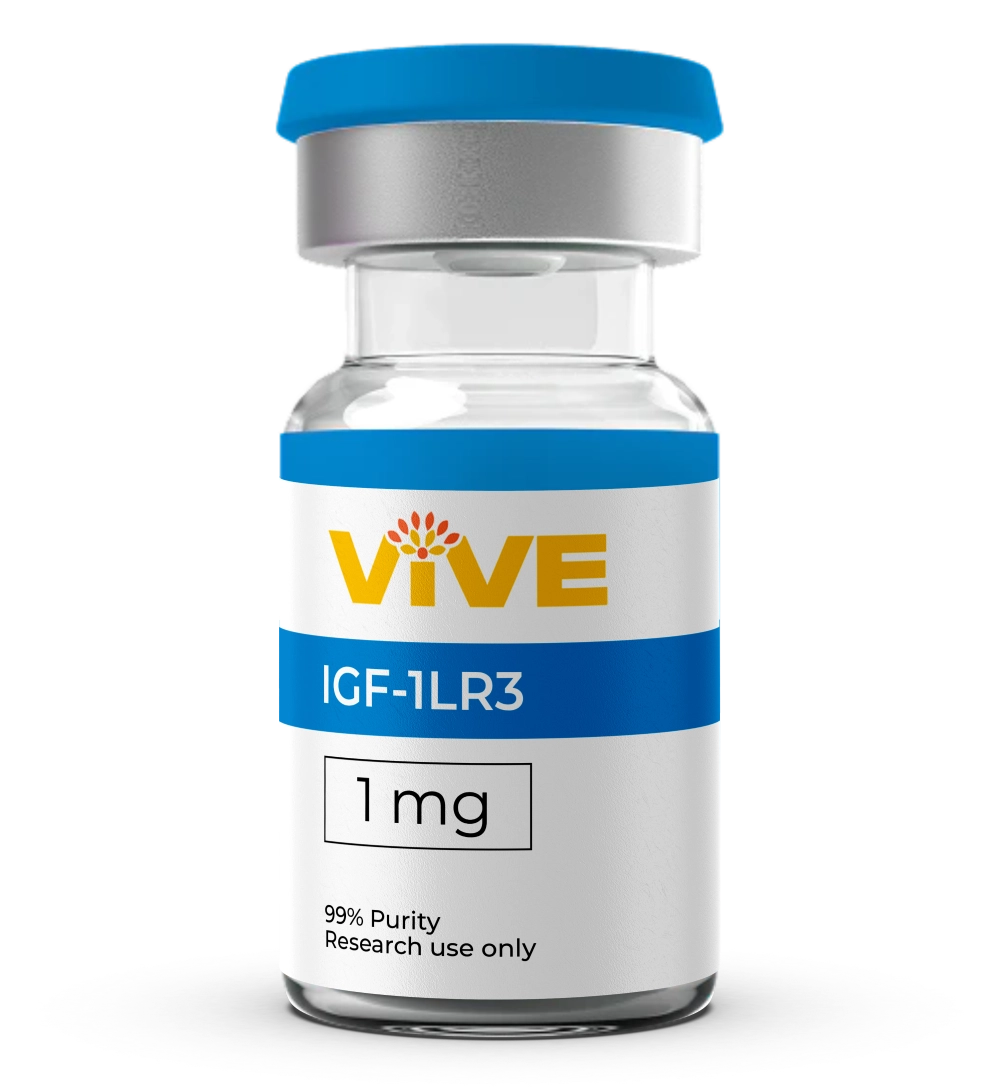
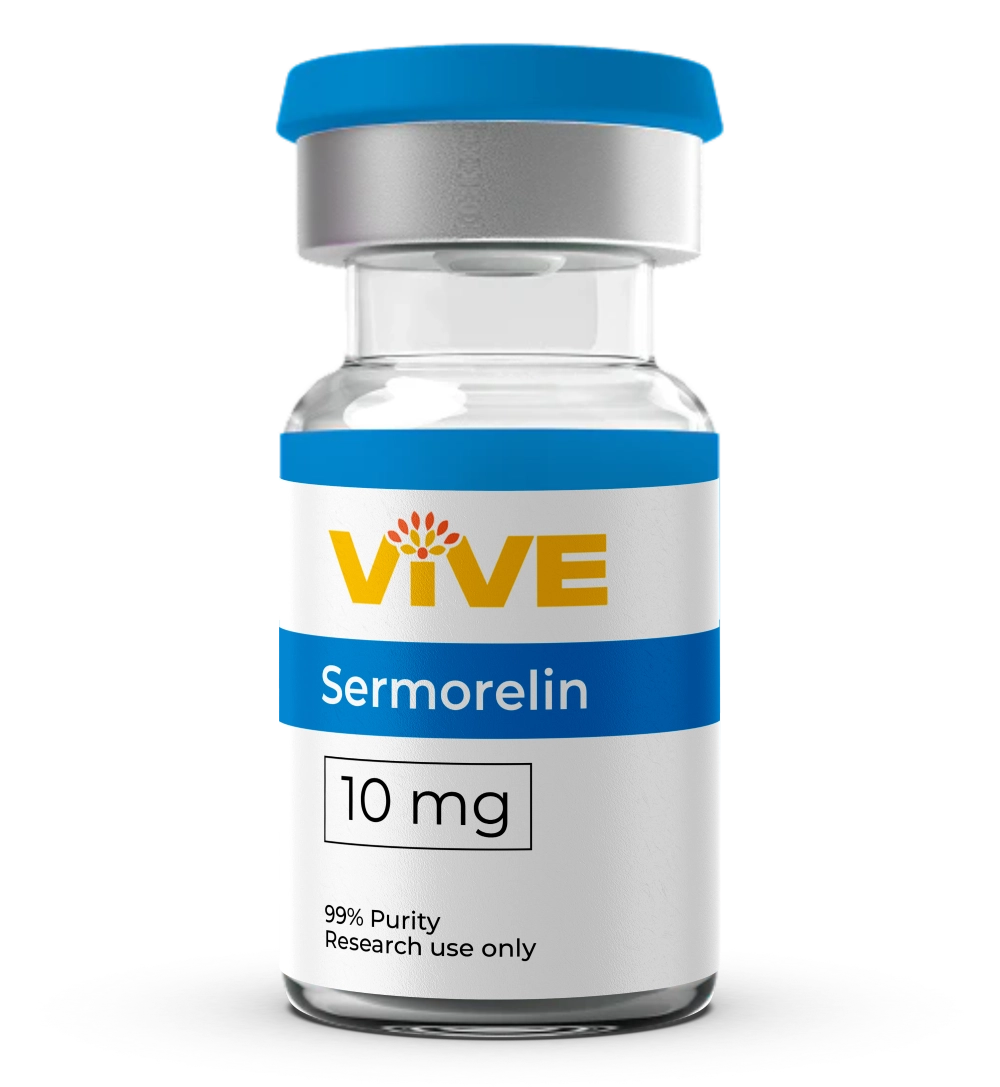
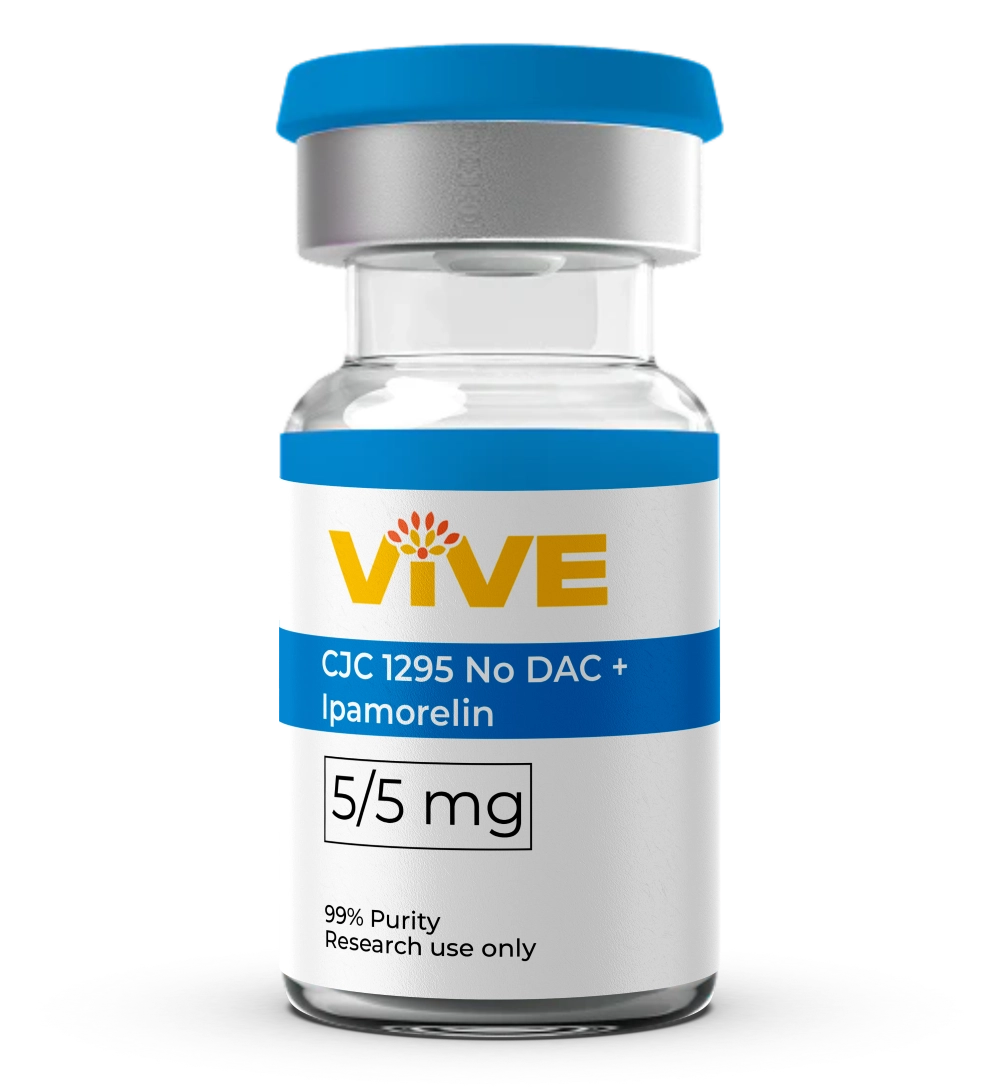
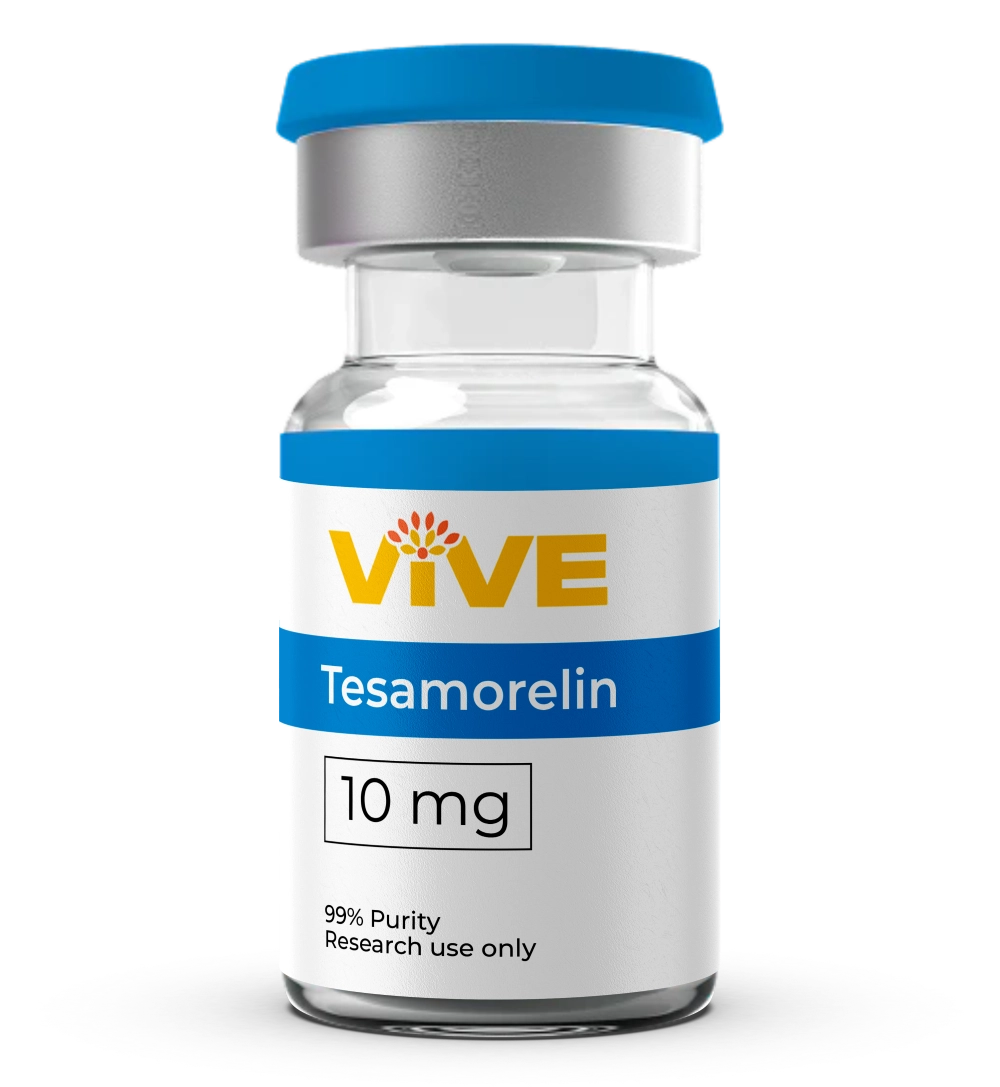
Research Overview
Muscle Growth Peptides: What This Research Category Covers
The muscle growth peptides research category encompasses compounds that modulate growth hormone axis signaling and direct growth factor receptor activation in skeletal muscle and adipose tissue models. This is an active area of preclinical investigation: the GH/IGF-1 axis governs protein synthesis, satellite cell recruitment, and nitrogen retention in mammalian tissue studies, making it a mechanistically rich target for study.
The compounds in this collection represent three mechanism classes: GHRH analogs (Sermorelin, CJC 1295 No DAC, Tesamorelin), ghrelin receptor agonists (Ipamorelin, supplied as a blend with CJC 1295 No DAC), and long-acting IGF-1 analogs (IGF-1 LR3). VivePeptides supplies each compound at research grade with lot-specific purity documentation to support reproducible experimental conditions.
Researchers working across in vitro and in vivo model systems will find representation of all three mechanism classes in this collection. All compounds are available for laboratory research use only and are not intended for human or veterinary application.
Three Distinct Receptor Pathway Classes
This collection spans GHRH analogs, ghrelin receptor agonists, and direct IGF-1 receptor agonists, allowing researchers to interrogate multiple nodes of the GH/IGF-1 axis within a single study framework. Each mechanism class represents a discrete point of intervention, supporting comparative and combinatorial study designs.
Upstream vs. Downstream Signaling Selection
Choosing between pituitary-targeting GHRH analogs and the peripheral receptor agonist IGF-1 LR3 is a foundational variable in GH axis study design. The CJC 1295 No DAC and Ipamorelin blend offers a dual-pathway option, engaging both GHRH and ghrelin receptor systems within a single preparation.
Purity Documentation for Reproducible Studies
Each compound in this collection is supplied with lot-specific purity verification to meet the documentation standards required for reproducible laboratory research. Researchers can review specification data prior to procurement to confirm compound suitability for their specific model system.
Compound Comparison
How these compounds compare
| Compound | Mechanism Class | Research Focus | Distinguishing Feature |
|---|---|---|---|
| IGF-1 LR3 | IGF-1 receptor agonist | Peripheral receptor-level activation | Bypasses pituitary, extended half-life |
| Sermorelin | GHRH analog | Pituitary GH release stimulation | Short N-terminal GHRH fragment |
| CJC 1295 No DAC + Ipamorelin Blend | GHRH analog plus ghrelin receptor agonist | Dual-pathway GH secretion | Two-receptor stimulation, single preparation |
| Tesamorelin | GHRH analog | GH secretion in adipose tissue models | Full-length GHRH sequence retained |
Mechanism & Research Context
Mechanism Classes and Research Context for GH Axis Peptides
The mechanism classes within this muscle growth peptides collection differ in where they intervene along the GH/IGF-1 signaling cascade. GHRH analogs, including Sermorelin, CJC 1295 No DAC, and Tesamorelin, act at the pituitary level to stimulate endogenous growth hormone release in model systems.
Ipamorelin, a selective ghrelin receptor agonist, provides a complementary GH secretagogue signal through a distinct receptor pathway, and preclinical literature has examined whether combining it with a GHRH analog produces additive secretion patterns. IGF-1 LR3, by contrast, is a modified IGF-1 analog that bypasses the pituitary and acts directly on IGF-1 receptors in peripheral tissues, including skeletal muscle.
Researchers select between these compounds based on whether the study design targets upstream pituitary stimulation, downstream receptor activation, or a combined approach. Compound half-life, binding affinity, and receptor selectivity differ across the group, making mechanism class a primary study design variable.
Research FAQ
Frequently asked questions
What are peptides for muscle growth in a research context?
How does IGF-1 LR3 differ mechanistically from the GHRH analogs in this collection?
What is the mechanism of the CJC 1295 No DAC and Ipamorelin blend?
How do researchers distinguish between Sermorelin and Tesamorelin for GH axis studies?
What purity and documentation standards apply to these muscle growth research peptides?
Are these peptides investigated in both in vitro and in vivo research models?
Related Research Collections
Continue exploring
All products are sold strictly for laboratory and scientific research use only. Not for human or animal consumption, diagnostic, or therapeutic use. Nothing on this page constitutes medical advice or a health claim.