
Research Use Only
Peptides for Skin
Peptides investigated in the context of collagen synthesis, extracellular-matrix remodeling, and dermal repair.
Peptides for Skin are research compounds studied for their roles in extracellular matrix remodeling, neuromuscular signaling modulation, and tissue repair pathways. This category features copper-binding tripeptides, pentadecapeptides, SNARE-modulating octapeptides, and multi-compound blends formulated for concurrent mechanistic investigation. All compounds are supplied for laboratory research use only and carry no approval for human or veterinary therapeutic application.
Reviewed by the VivePeptides Research DeskLast reviewed
Research Catalog
Compounds in this collection
Research Overview
Skin Peptides as Research Tools: Category Overview
The skin peptides collection at VivePeptides encompasses research compounds investigated across distinct mechanistic classes relevant to dermal biology. Preclinical interest in cutaneous tissue signaling has expanded considerably, as researchers examine how extracellular matrix dynamics, neuromuscular junction activity, and angiogenic pathway regulation interact in controlled model systems.
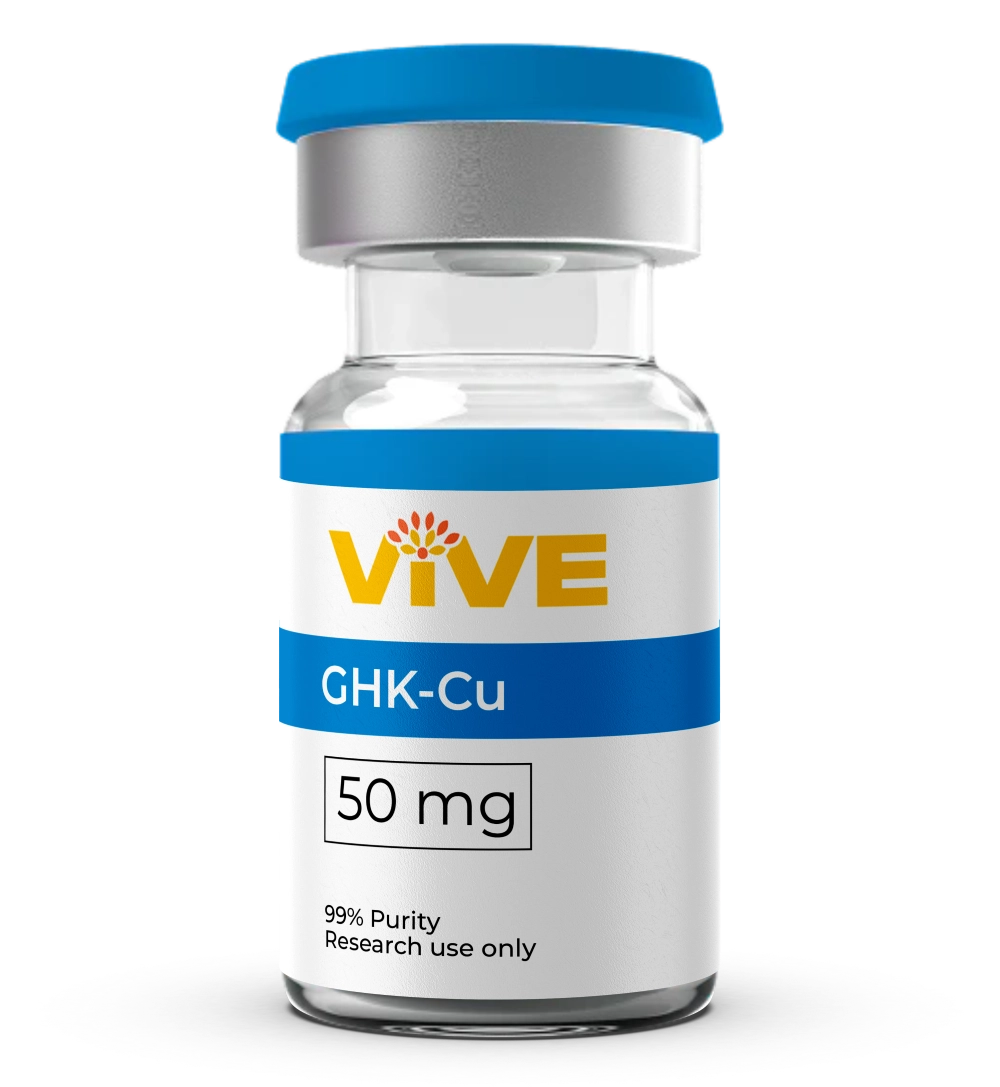
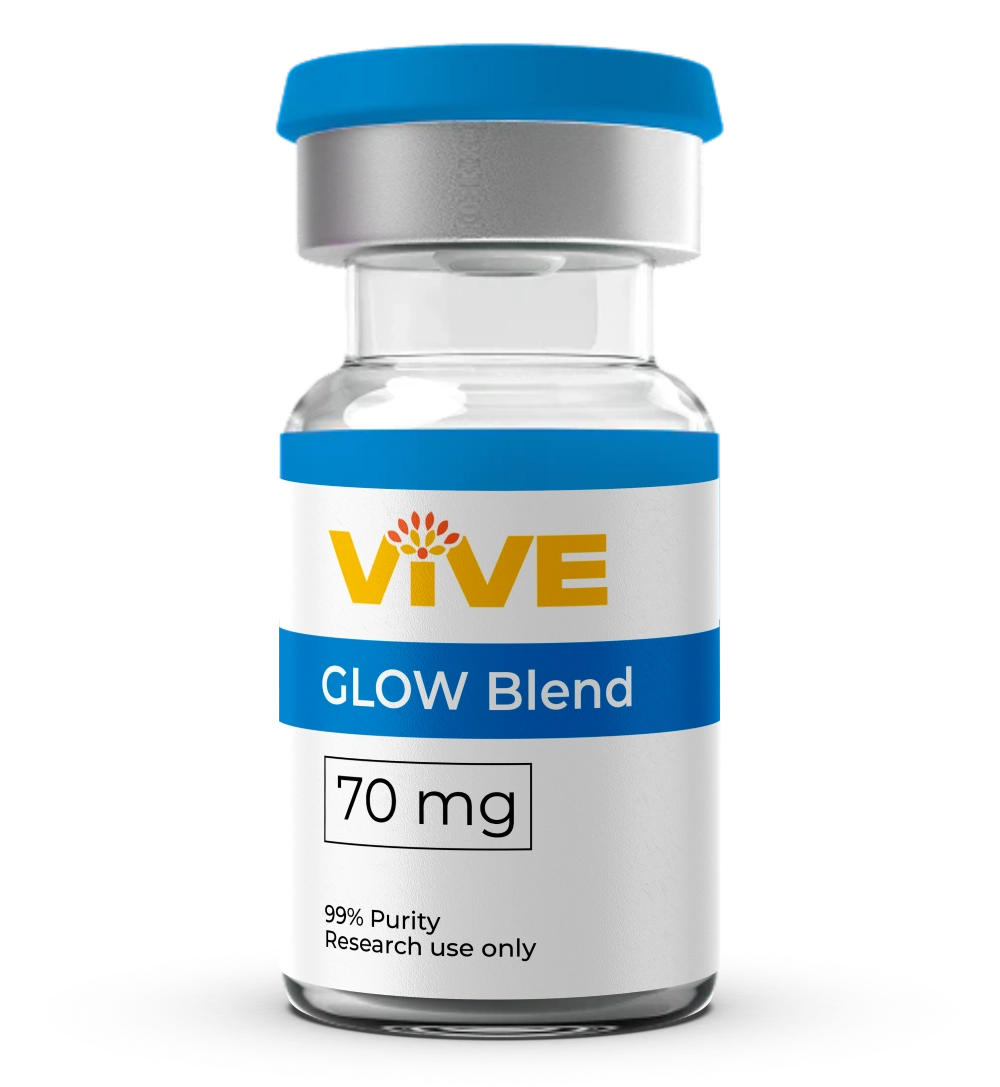
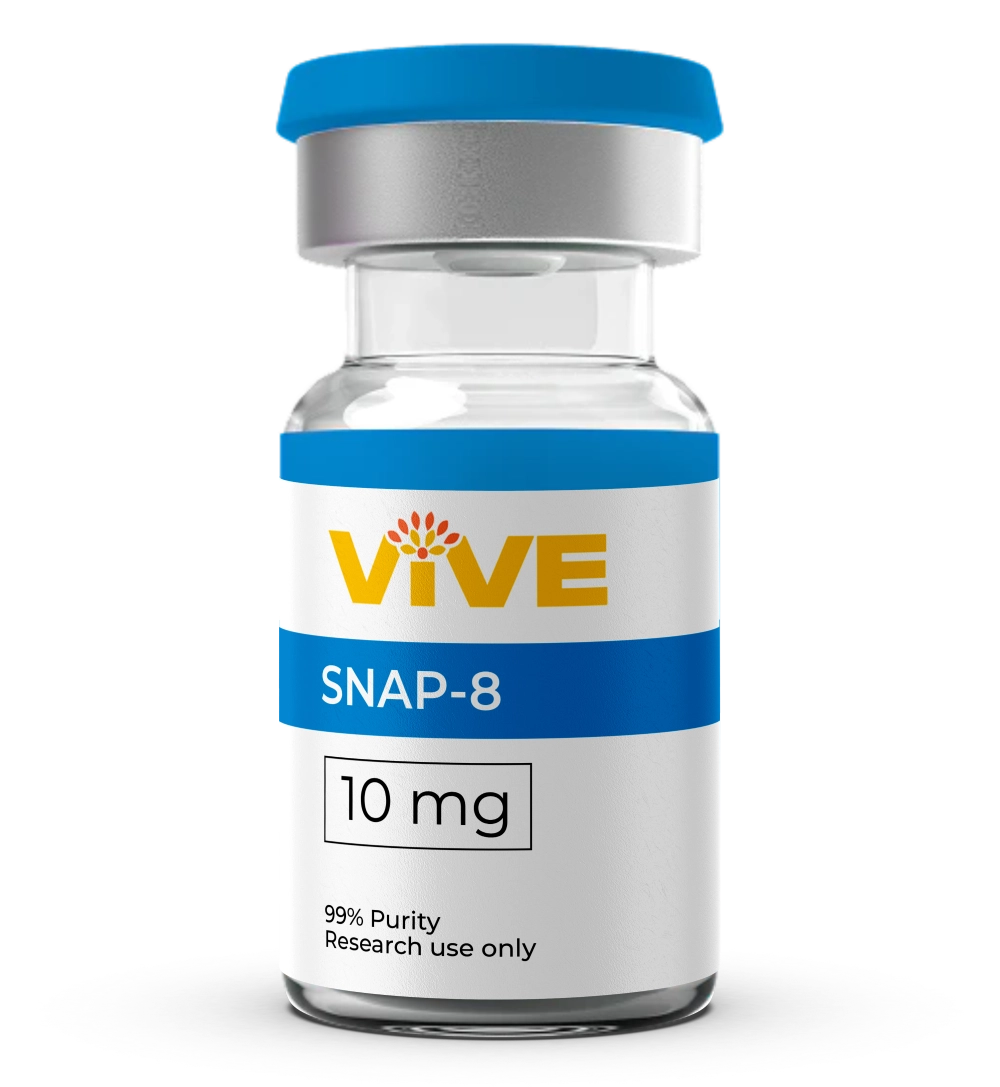
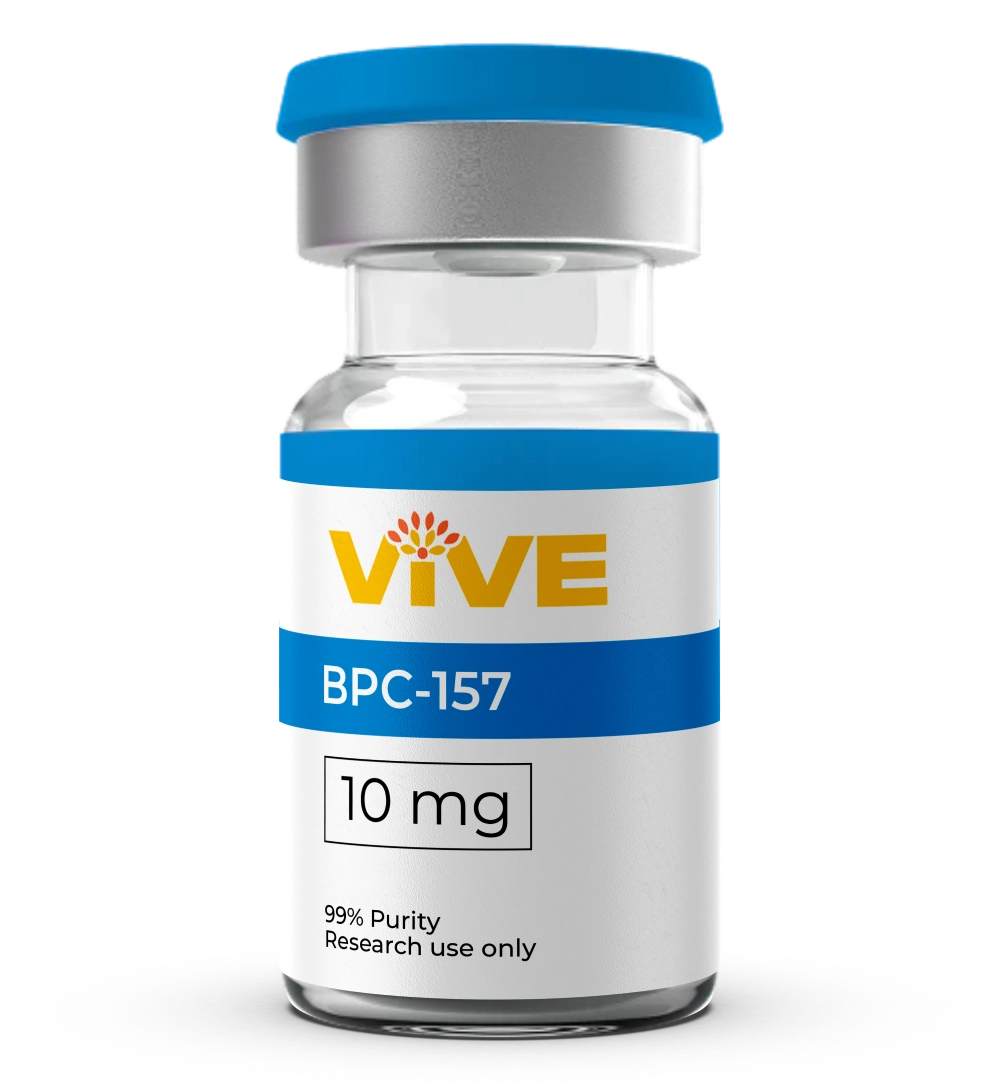
The collection includes four research entries: GHK-Cu, a copper-binding tripeptide studied for matrix metalloproteinase regulation and collagen-synthesis pathway signaling; BPC-157, a pentadecapeptide investigated in tissue repair and angiogenesis models; SNAP-8, an octapeptide examined for its effects on SNARE complex activity and acetylcholine-related neuromuscular signaling in skin; and Glow Blend, a pre-formulated combination of BPC-157, Thymosin Beta-4, and GHK-Cu designed to support multi-pathway research protocols. VivePeptides supplies each compound at research grade with documented purity specifications, supporting reproducible preclinical study design.
All materials are provided for laboratory research use only.
Four Distinct Mechanism Classes
This collection spans copper-binding tripeptides, synthetic pentadecapeptides, SNARE-modulating octapeptides, and a pre-formulated multi-compound blend, allowing researchers to target extracellular matrix, angiogenic, and neuromuscular pathways independently or in combination within a single protocol design.
Compound Selection by Target Pathway
Selecting among GHK-Cu, BPC-157, SNAP-8, or Glow Blend is a function of mechanistic focus: matrix remodeling and antioxidant signaling, tissue repair and angiogenesis, SNARE complex modulation, or a concurrent multi-pathway investigation, respectively.
Research Grade Purity and Documentation
VivePeptides supplies each skin peptide with documented purity specifications and quality records, providing the traceability required for reproducible preclinical study design and accurate inter-laboratory comparison.
Compound Comparison
How these compounds compare
| Compound | Mechanism Class | Research Focus | Distinguishing Feature |
|---|---|---|---|
| GHK-Cu | Copper-binding tripeptide | Matrix remodeling, antioxidant signaling | Copper chelation and TGF-beta pathway activity |
| Glow Blend (BPC/TB/GHK) | Multi-compound combination | Multi-pathway preclinical protocols | Three mechanism classes in one formulation |
| SNAP-8 | SNARE-modulating octapeptide | Neuromuscular junction signaling | Competitive SNARE complex inhibition |
| BPC-157 | Synthetic pentadecapeptide | Angiogenesis and tissue repair signaling | VEGF-dependent and nitric oxide pathway engagement |
Mechanism & Research Context
Mechanism Classes and Preclinical Research Context for Skin Peptides
The skin care peptides in this collection span mechanistically distinct classes, making compound selection a function of the target research pathway rather than compound category alone. GHK-Cu operates as a copper chelator and signaling tripeptide; preclinical literature has examined its influence on TGF-beta signaling, fibronectin expression, matrix metalloproteinase modulation, and reactive oxygen species activity in dermal cell models.
BPC-157 is a synthetic pentadecapeptide whose research profile centers on VEGF-dependent angiogenesis, nitric oxide pathway engagement, and growth factor receptor activity in tissue repair models. SNAP-8 is studied as a competitive inhibitor of SNARE complex formation, with in vitro models investigating its effect on acetylcholine vesicle release at the dermal neuromuscular junction.
Glow Blend combines all three mechanism classes into a single formulation, enabling researchers to design multi-target protocols without independent compound sourcing. Investigators should account for solubility profiles, light sensitivity in copper-containing peptides, and potential assay interference when structuring skin-focused preclinical studies.
Research FAQ
Frequently asked questions
What are peptides for skin in a research context?
What is the difference between GHK-Cu and BPC-157 for skin research?
What is SNAP-8 and why is it relevant to skin peptide research?
What is Glow Blend and how does it differ from sourcing compounds individually?
How should researchers approach storage and handling of skin care peptides like GHK-Cu and SNAP-8?
How do researchers select among the peptides for skin in this collection?
Related Research Collections
Continue exploring
All products are sold strictly for laboratory and scientific research use only. Not for human or animal consumption, diagnostic, or therapeutic use. Nothing on this page constitutes medical advice or a health claim.