
Research Use Only
Peptides for Inflammation
Peptides investigated in the context of cytokine signaling, immunomodulation, and inflammatory resolution.
Peptides for Inflammation are research compounds studied for their roles in modulating inflammatory signaling pathways, immune cell activity, and tissue-level regulatory processes. This category encompasses cytoprotective growth factor modulators, actin-sequestering tissue-remodeling peptides, thymic immune-signaling peptides, cathelicidin-derived innate immune modulators, and erythropoietin-derived repair-receptor ligands, all investigated in preclinical models and supplied for laboratory research use only.
Reviewed by the VivePeptides Research DeskLast reviewed
Research Catalog
Compounds in this collection
Research Overview
Inflammation Research Peptides: What This Category Covers
The peptides for inflammation research category encompasses compounds that interact with distinct molecular regulators of acute and chronic inflammatory response. Inflammation research is an active area of preclinical investigation because inflammatory signaling underpins a broad range of biological models, from tissue injury to immune dysregulation.
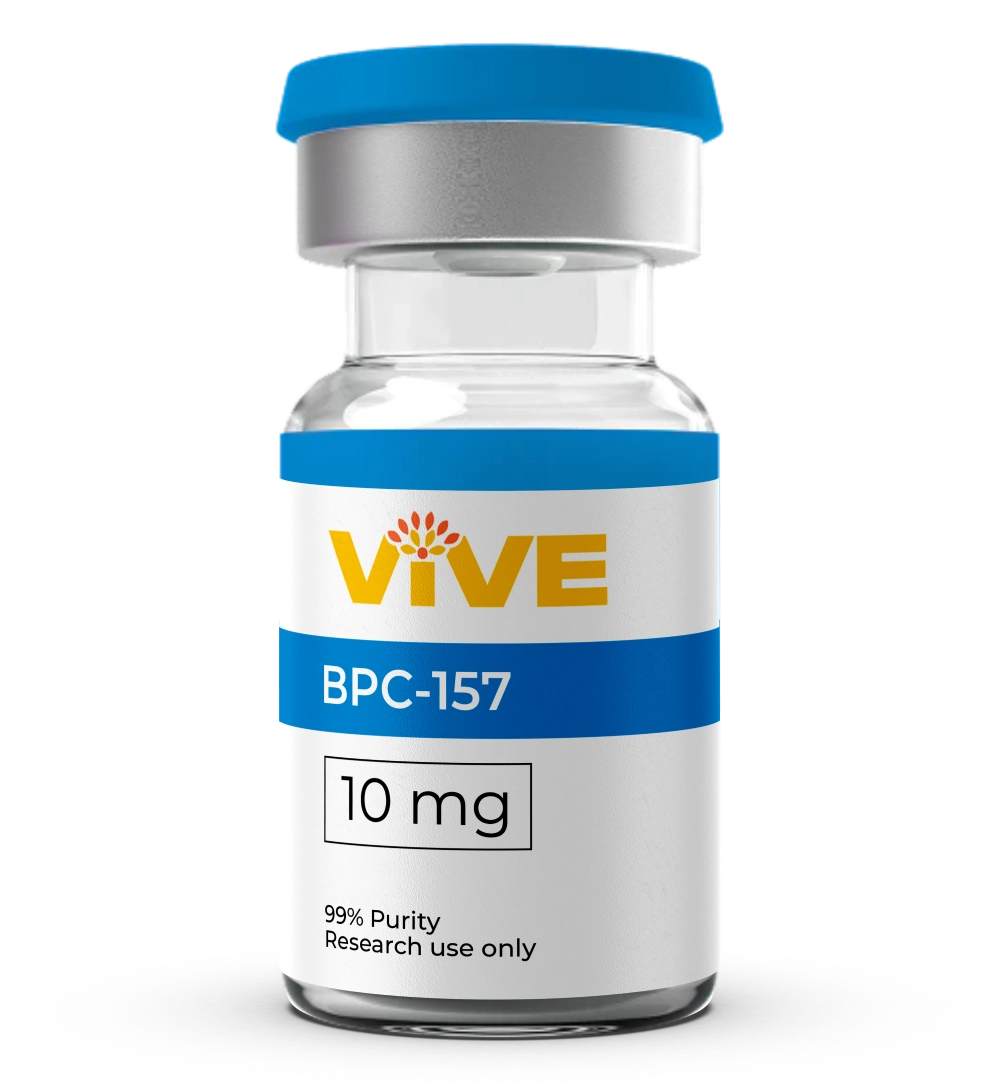
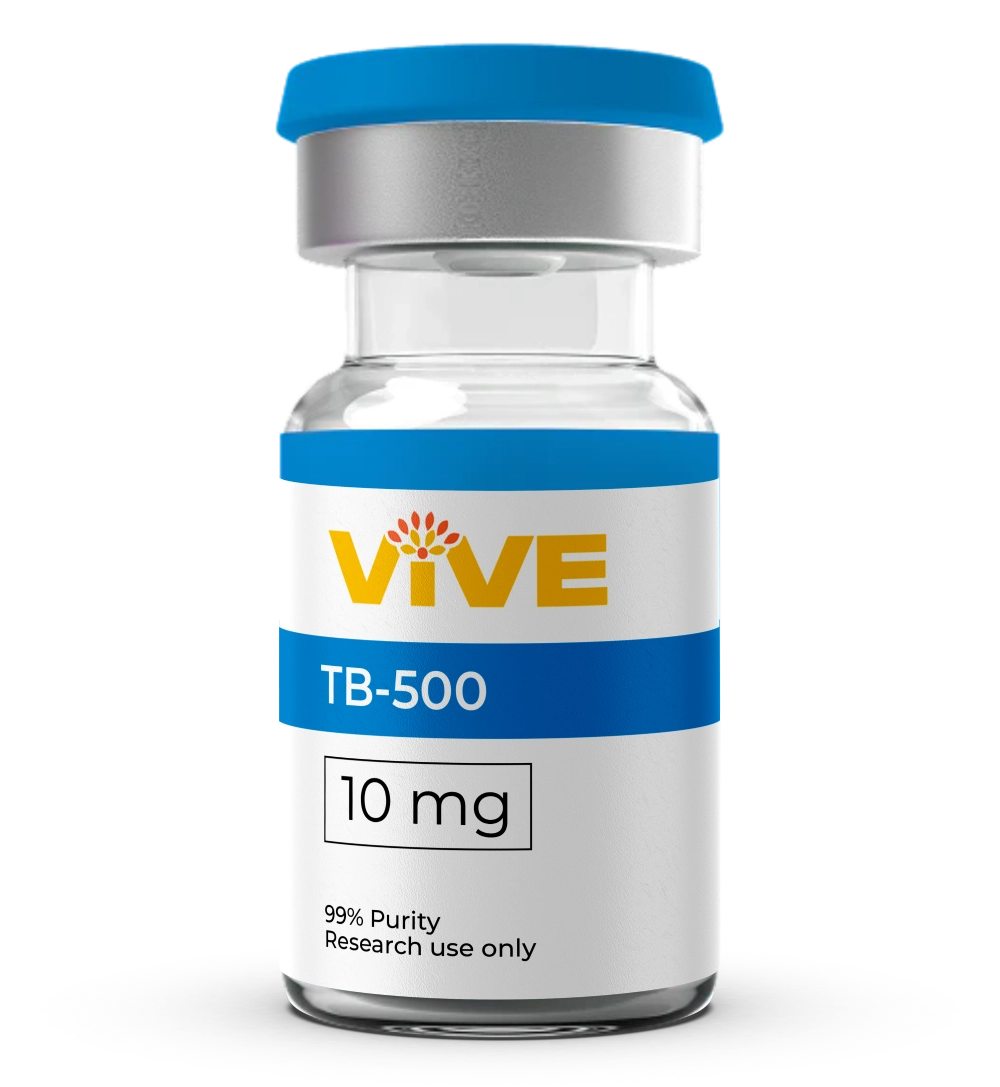
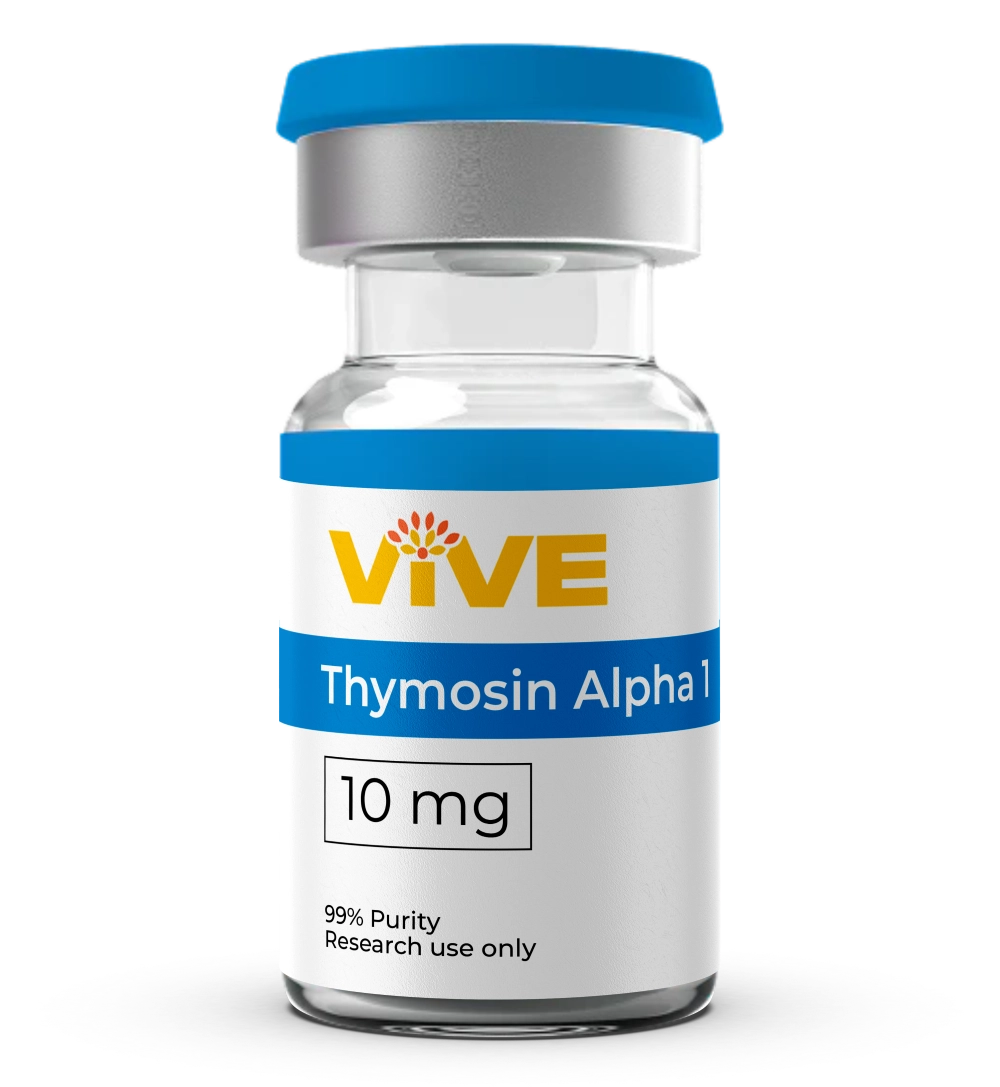
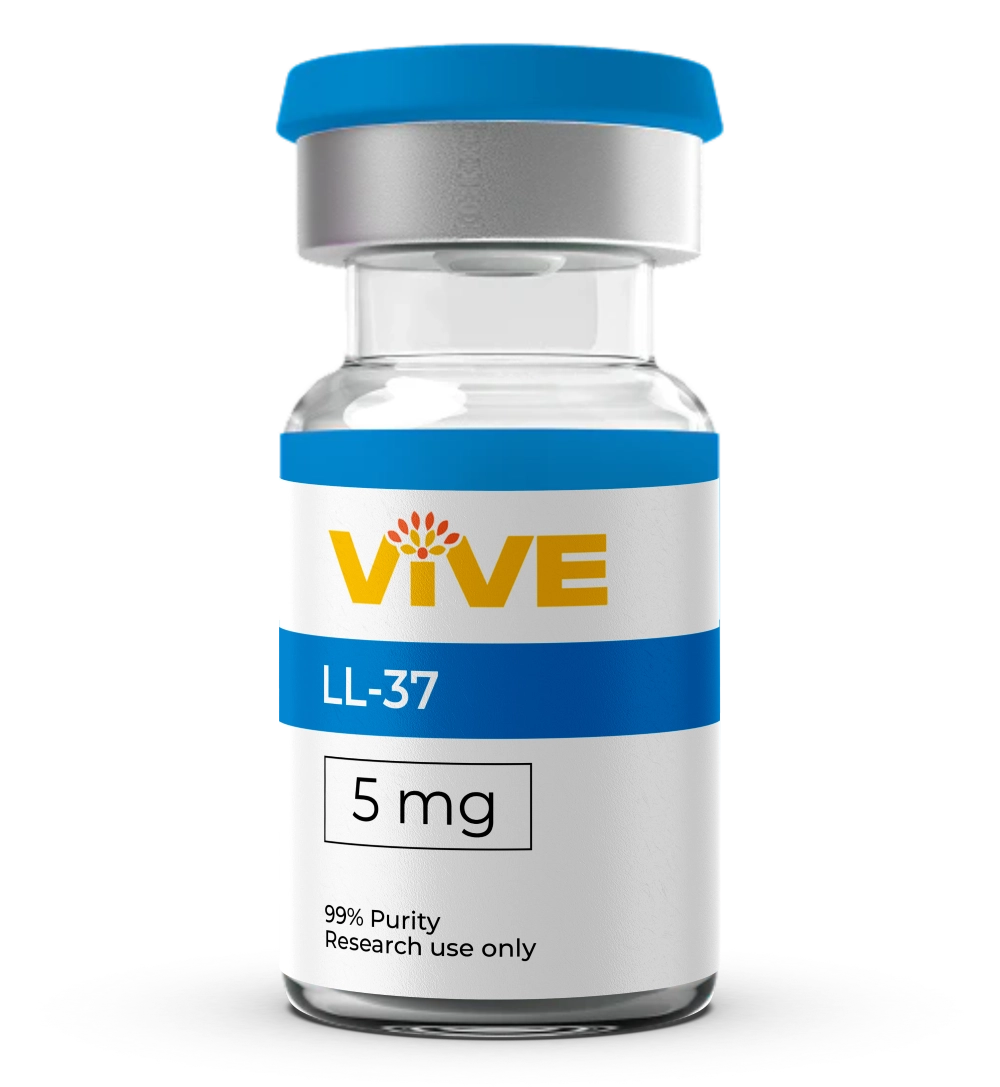
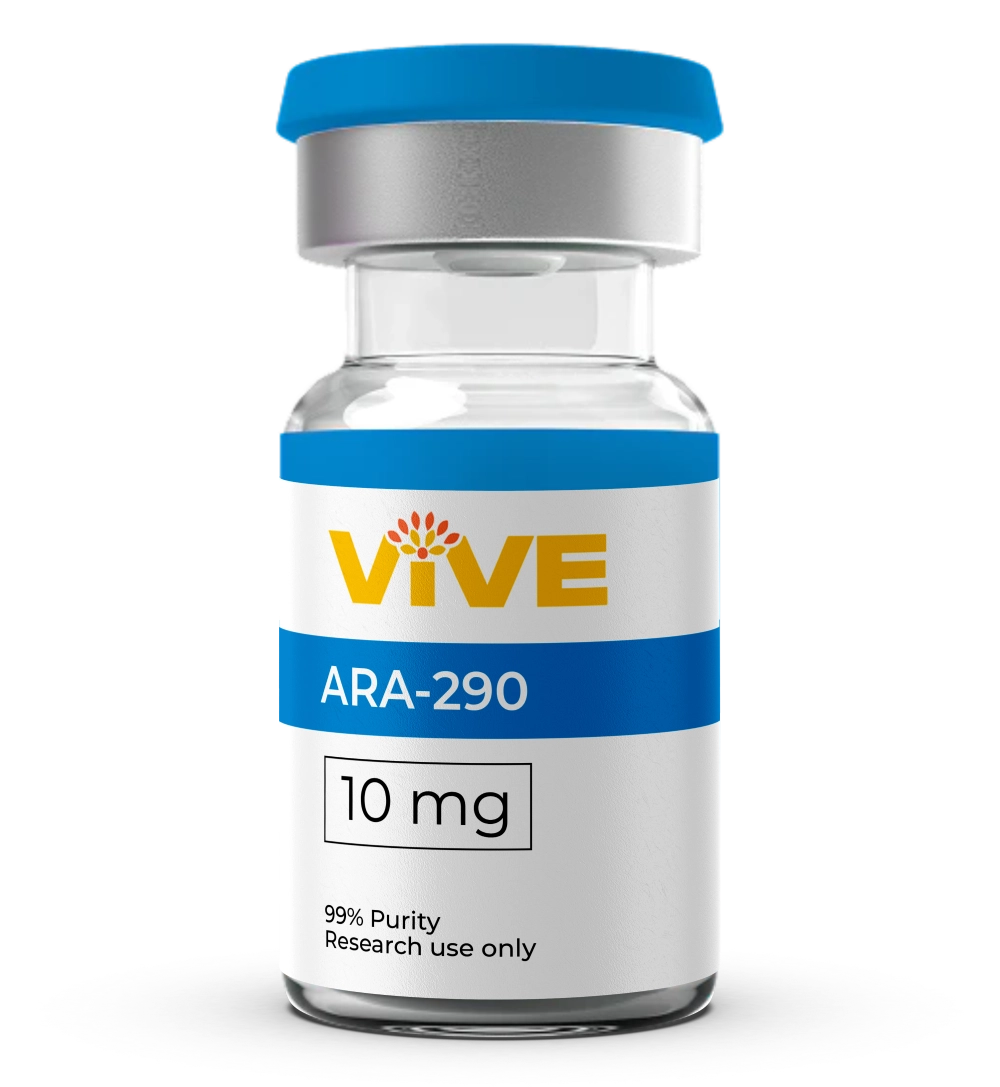
The mechanism classes represented in this collection include cytoprotective growth factor modulators (BPC-157), actin-sequestering tissue-remodeling peptides (TB-500), thymic immune-signaling peptides (Thymosin Alpha 1), cathelicidin-derived innate immune modulators (LL-37), and erythropoietin-derived innate repair receptor ligands (ARA-290). Each compound targets a different node of the inflammatory network, allowing researchers to design studies that interrogate specific pathways rather than relying on broad, non-selective suppression.
VivePeptides supplies these anti inflammatory peptides at research grade, with certificates of analysis and purity documentation supporting reproducible experimental protocols.
Five Distinct Mechanism Classes
This collection spans five mechanistically separate compound classes, from actin-sequestration to innate repair receptor activation, enabling researchers to interrogate specific nodes of inflammatory signaling rather than relying on a single pathway approach.
Purity Documentation for Reproducible Research
Each inflammation peptide supplied by VivePeptides includes a certificate of analysis confirming purity by HPLC, providing the analytical documentation required for reproducible preclinical experimental protocols.
Compound Selection by Research Model
Researchers align compound selection with the specific inflammatory pathway and model system under investigation, whether the focus is innate immune signaling, adaptive immune compartment regulation, or tissue-level inflammatory resolution in vitro or in vivo.
Compound Comparison
How these compounds compare
| Compound | Mechanism Class | Research Focus | Distinguishing Feature |
|---|---|---|---|
| BPC-157 | Cytoprotective growth factor modulator | Growth factor receptor and vascular signaling | Stable synthetic gastric pentadecapeptide |
| TB-500 | Actin-sequestering tissue remodeling peptide | Cellular migration and inflammatory resolution | Synthetic Thymosin Beta-4 analogue |
| Thymosin Alpha 1 | Thymic immune-signaling peptide | Toll-like receptor pathway and T-cell regulation | Endogenous thymic peptide origin |
| LL-37 | Cathelicidin-derived innate immune modulator | Antimicrobial and pattern-recognition receptor signaling | Dual antimicrobial and immune-signaling roles |
| ARA-290 | Innate repair receptor ligand | Non-erythropoietic receptor engagement | Selective IRR activation, distinct from EPO receptor |
Mechanism & Research Context
Mechanism Classes and Preclinical Research Context for Inflammation Peptides
What distinguishes the anti inflammatory peptides in this collection is the diversity of upstream targets each compound engages within the inflammatory cascade. BPC-157 has been investigated in preclinical models for its influence on growth factor receptor signaling and vascular regulatory pathways. TB-500 research examines actin-sequestration dynamics and their downstream effects on cellular migration and inflammatory resolution.
Thymosin Alpha 1 is studied for its role in toll-like receptor pathway modulation and T-cell compartment regulation. LL-37, a cathelicidin-derived peptide, is investigated for its dual function as an antimicrobial agent and an innate immune signaling molecule that interacts with pattern-recognition receptors. ARA-290 research focuses on selective engagement of the innate repair receptor, a pathway distinct from classical erythropoietin receptor activation.
Researchers selecting among these compounds typically align compound choice with the inflammatory node and cell type most relevant to their in vitro or in vivo model system.
Research FAQ
Frequently asked questions
What are peptides for inflammation used for in research?
What is the difference between BPC-157 and TB-500 in inflammation research?
How does Thymosin Alpha 1 relate to inflammation peptide research?
What makes LL-37 relevant to the study of inflammation?
What is ARA-290 and how is it used in inflammation research models?
How do researchers choose between the inflammation peptides in this collection?
Related Research Collections
Continue exploring
All products are sold strictly for laboratory and scientific research use only. Not for human or animal consumption, diagnostic, or therapeutic use. Nothing on this page constitutes medical advice or a health claim.