
Research Use Only
Healing Peptides
Peptides studied in the context of wound healing, tendon and ligament repair, and tissue regeneration.
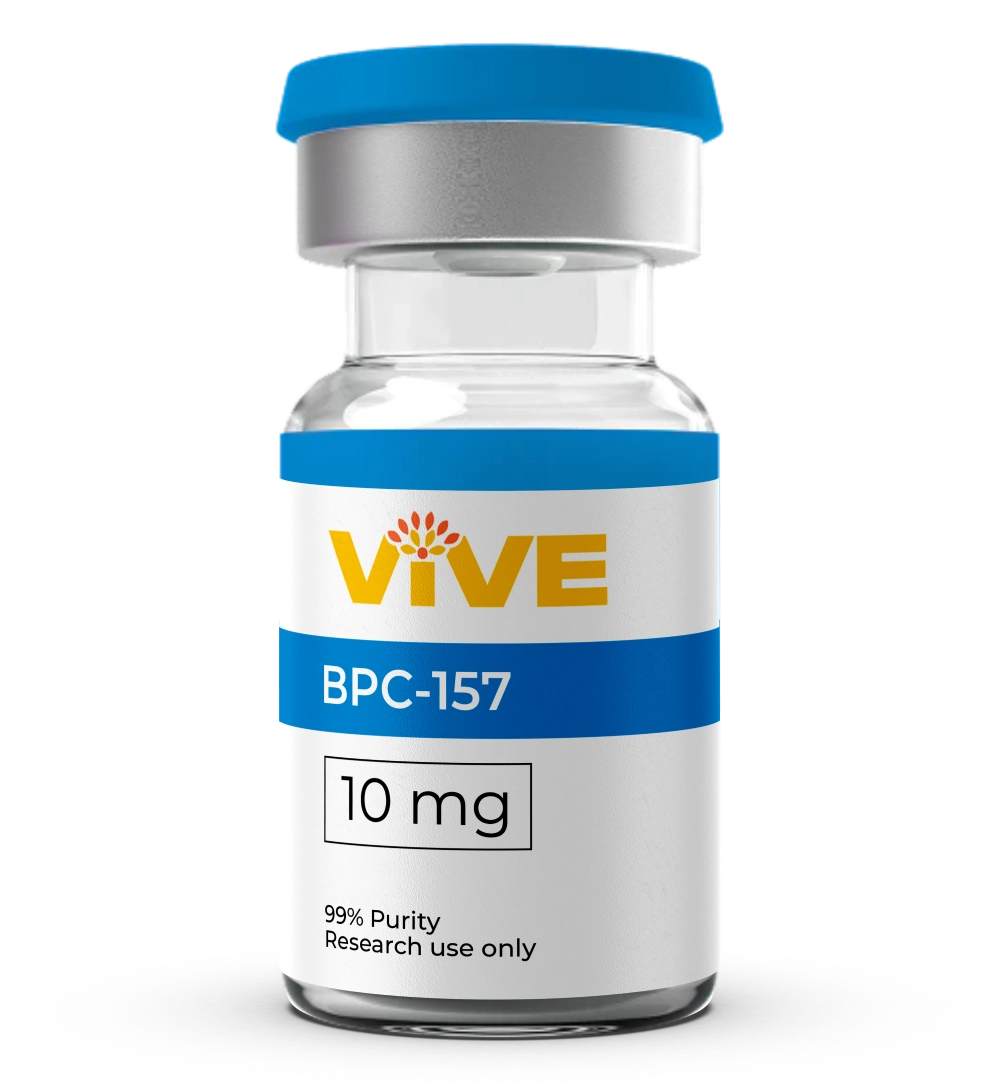
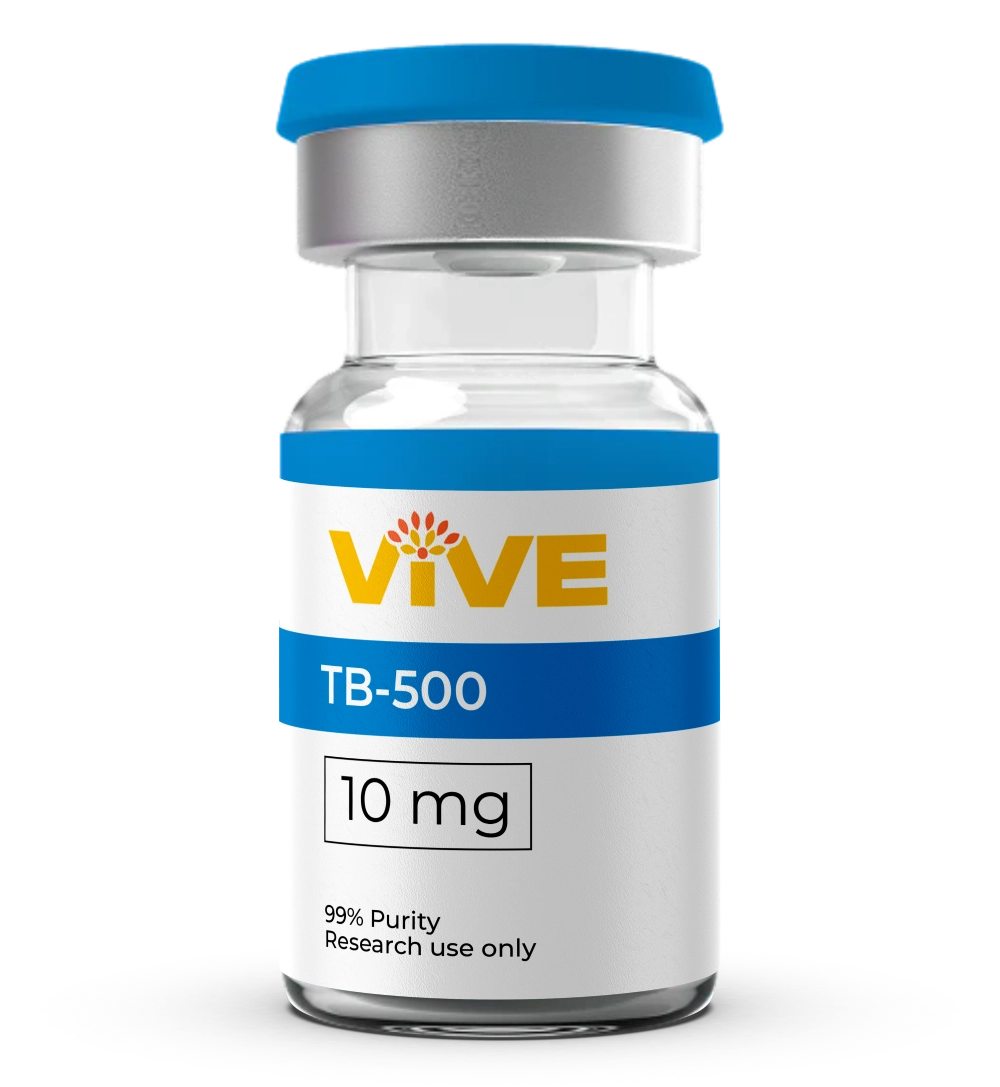
Healing Peptides are a research category encompassing compounds studied for their roles in tissue repair signaling pathways. The category features two distinct mechanism classes: cytoprotective pentadecapeptides such as BPC-157, which modulate growth factor cascades, and actin-sequestering thymosin beta-4 fragments such as TB-500, which influence cell migration and angiogenesis. All compounds are intended for laboratory research use only.
Reviewed by the VivePeptides Research DeskLast reviewed
Research Overview
Healing Peptides: An Active Area of Preclinical Research
The healing peptides research category encompasses small-signal peptides investigated in preclinical models of tissue injury, repair, and regeneration. This area has attracted sustained scientific interest because both featured compounds operate through mechanisms that interact with endogenous repair cascades at the molecular level.
BPC-157, a synthetic pentadecapeptide derived from a partial sequence of body protection compound, is classified as a cytoprotective growth factor modulator: preclinical literature has examined its interactions with VEGF, EGF, and nitric oxide signaling systems. TB-500, a synthetic fragment of the endogenous protein thymosin beta-4, belongs to a distinct class of actin-sequestering peptides that the literature associates with cell migration, angiogenesis, and cytoskeletal reorganization.
VivePeptides supplies both compounds as research-grade materials manufactured under strict quality standards, with full analytical documentation available to support rigorous study design. All materials are intended for laboratory research use only and are not for human or animal administration.
Two Distinct Mechanism Classes
BPC-157 acts through growth factor and nitric oxide signaling pathways, while TB-500 operates via actin sequestration and cell migration cascades. Researchers should select the compound whose mechanism class aligns with the specific pathway under investigation.
Analytical Documentation Standards
VivePeptides provides certificates of analysis confirming HPLC purity and mass spectrometry-verified molecular identity for both BPC-157 and TB-500. Reliable compound characterization documentation is a prerequisite for reproducible preclinical research outcomes.
Cold-Chain Handling Requirements
Both peptides in this category require refrigerated or frozen storage to preserve structural integrity, and reconstitution should be performed under sterile conditions with an appropriate solvent. Minimizing repeated freeze-thaw cycles is a standard protocol recommendation for maintaining compound quality throughout a study.
Mechanism & Research Context
Mechanism Classes and Research Context for BPC-157 and TB-500
BPC-157 and TB-500 represent two mechanistically distinct research tools, making compound selection a critical variable in study design within the healing peptides category. BPC-157 operates primarily through growth factor modulation and nitric oxide pathway interaction, and preclinical models have investigated its cytoprotective properties across gastrointestinal, musculoskeletal, and vascular tissue contexts.
TB-500 exerts its documented effects through actin sequestration via G-actin binding, a mechanism that preclinical literature links to enhanced keratinocyte and endothelial cell migration and to promotion of new blood vessel formation. Researchers selecting between the two compounds typically base that decision on the specific signaling pathway under investigation: growth factor cascade studies generally favor BPC-157, while cytoskeletal dynamics and angiogenesis models more commonly employ TB-500.
Both compounds require standard peptide handling protocols, including cold-chain storage and reconstitution under sterile conditions, to maintain structural integrity for valid experimental outcomes.
Research FAQ
Frequently asked questions
What are healing peptides in the context of research?
What is the difference between BPC-157 and TB-500 in preclinical research?
How do researchers choose between BPC-157 and TB-500 for a given study?
What purity standards apply to research-grade BPC-157 and TB-500?
What storage and handling conditions are required for healing peptides?
Where can researchers find peer-reviewed literature on healing peptides such as BPC-157 and TB-500?
Related Research Collections
Continue exploring
All products are sold strictly for laboratory and scientific research use only. Not for human or animal consumption, diagnostic, or therapeutic use. Nothing on this page constitutes medical advice or a health claim.